


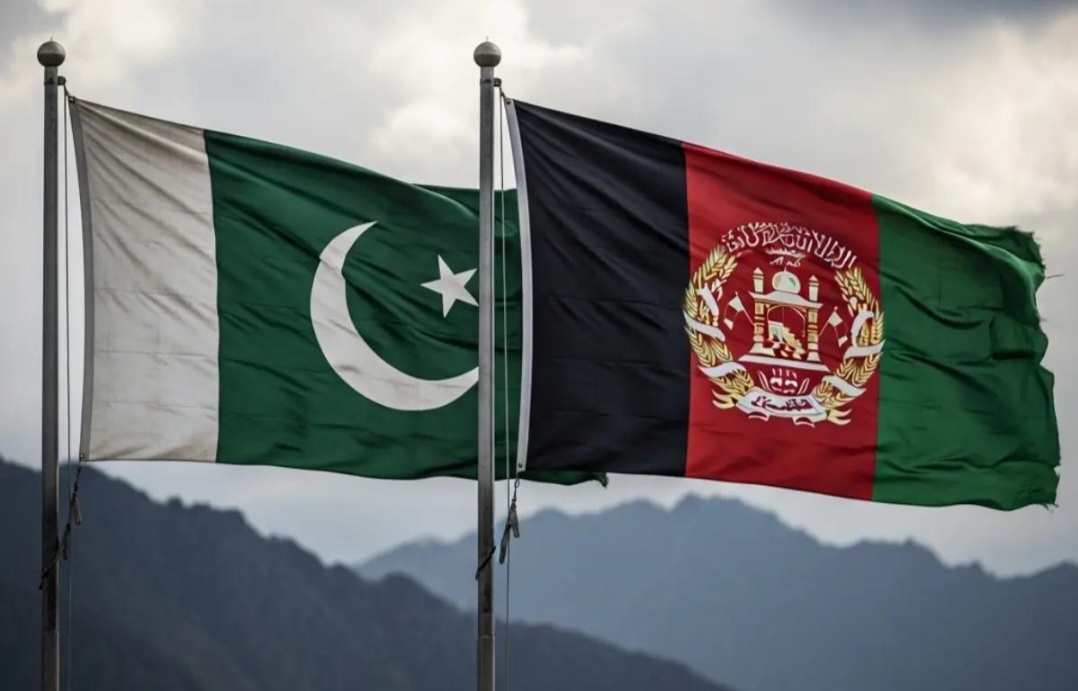
From the historical era of Khorasan to the contemporary province of Khyber Pakhtunkhwa (KP), this region has witnessed centuries of conflict, geopolitical rivalry, and foreign expeditions. Today, the Durand Line serves as the internationally recognized border between Pakistan and Afghanistan.
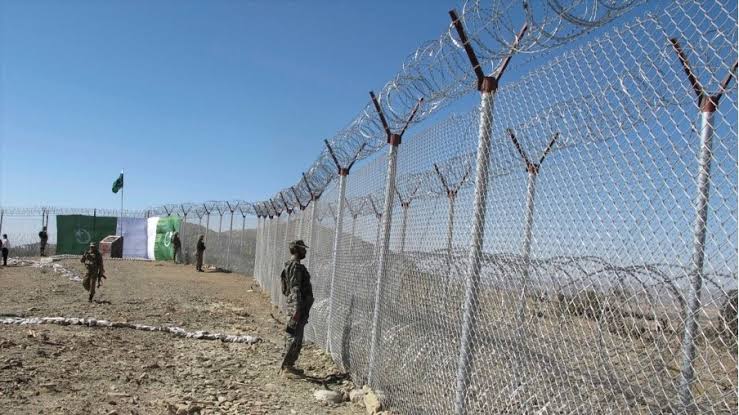
Despite this political boundary, communities on both sides largely belong to the same ethnic group—the Pashtuns—who share deep-rooted cultural, linguistic, tribal, and familial ties. Although Pakistan and Afghanistan operate under different political systems, both countries must pursue greater cooperation to build a peaceful and mutually beneficial neighborhood.
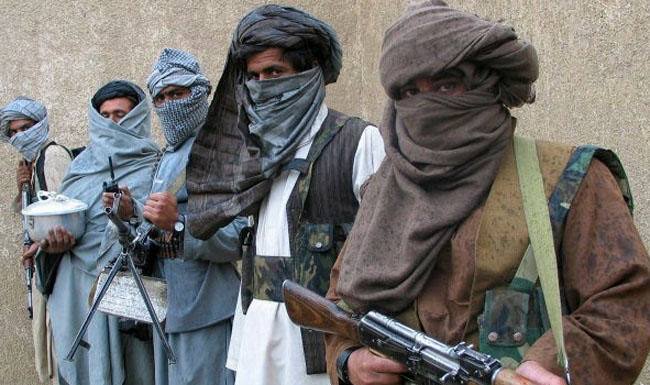
To achieve lasting regional stability, Afghanistan should take practical measures to dismantle the operational capabilities of the Tehrik-i-Taliban Pakistan (TTP) and deny safe havens to militant groups operating from its territory. Such efforts would not only strengthen bilateral relations but also contribute to Afghanistan's own security and economic development.
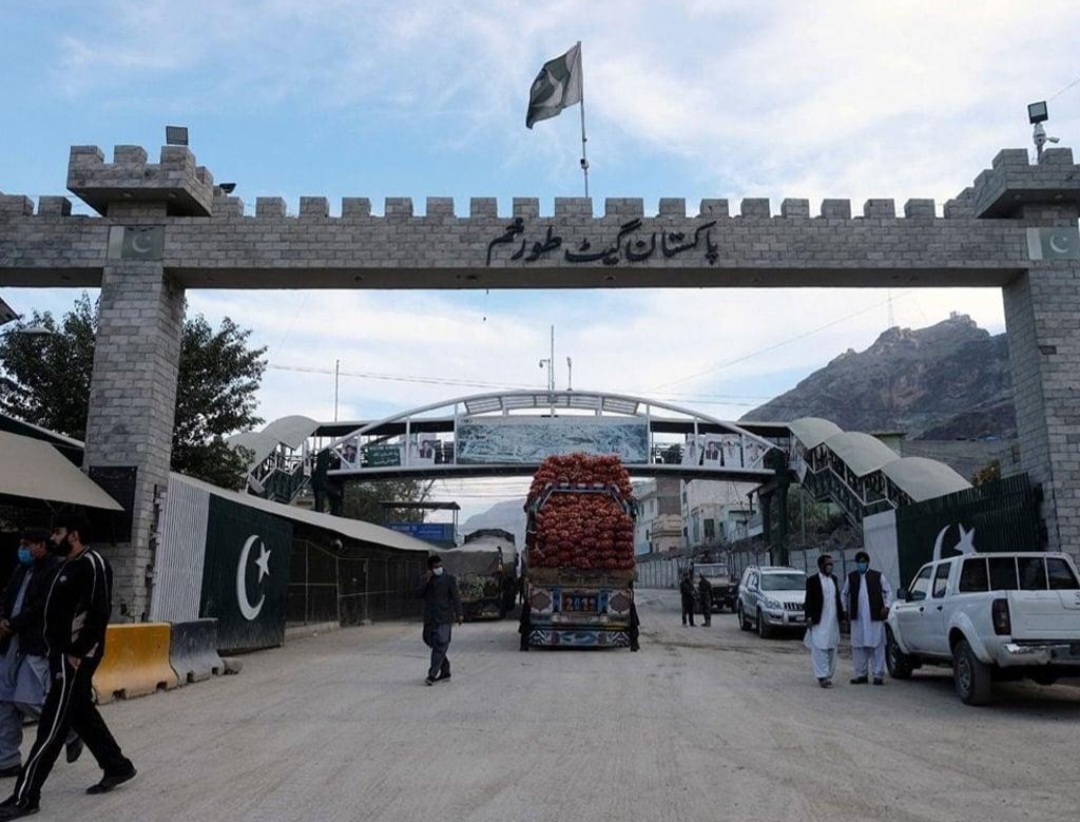
As a landlocked country whose economy has historically depended significantly on trade with Pakistan, Afghanistan stands to gain considerably from peaceful relations. Likewise, Pakistan should adopt a pragmatic, indigenous, and locally informed policy toward Afghanistan that respects historical ties while addressing contemporary security challenges.
Historically, Pakistan and Afghanistan have enjoyed long periods of peaceful coexistence, mutual prosperity, and social interconnectedness. Communities living along the border have maintained extensive family, commercial, and cultural relationships for generations. Unfortunately, the region later evolved into one of the world's most volatile geopolitical arenas.
During the Cold War, Afghanistan became the focal point of strategic competition between the Soviet Union and the United States, supported by NATO allies. The prolonged conflict and its aftermath created conditions that facilitated militancy, insurgency, and cross-border terrorism, leaving profound consequences for both countries and the wider region.
Political instability further complicated bilateral relations. Afghanistan experienced successive transformations—from monarchy to republic, then socialist rule, followed by prolonged conflict and eventually Taliban governance.
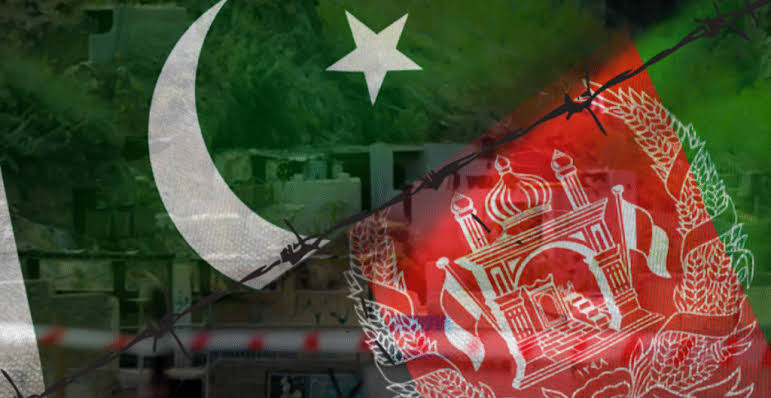
Pakistan likewise underwent significant political transitions, including constitutional disruptions, periods of military rule, and fragile democratic governments. These frequent political changes weakened policy continuity and hindered the development of a stable and comprehensive framework for managing bilateral relations and border security.
Given these historical realities, addressing cross-border terrorism requires a comprehensive, forward-looking, and cooperative strategy rather than reactive security measures alone.
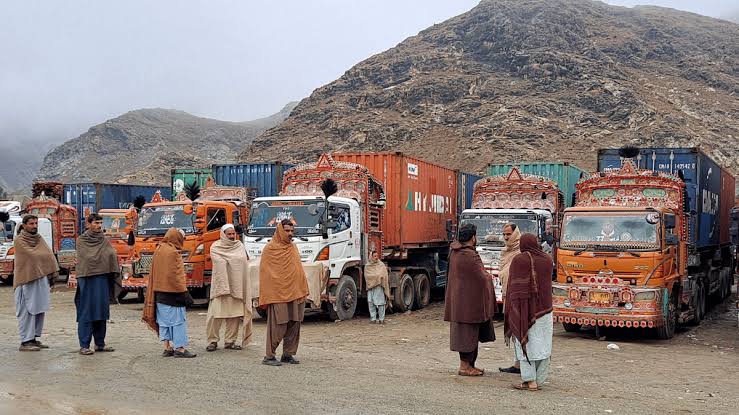
First, Pakistan and Afghanistan should institutionalize a sustained bilateral security and diplomatic framework based on mutual trust, clearly defined responsibilities, and regular dialogue. Border communities should be actively consulted throughout the policymaking process, ensuring that their social and economic interests are protected while strengthening local ownership of peace initiatives.
Second, both countries should negotiate a comprehensive Memorandum of Understanding (MoU) governing cross-border movement. Many countries with shared borders have established special legal frameworks for border communities that facilitate regulated travel while maintaining security. Pakistan and Afghanistan should adopt similar mechanisms that balance humanitarian concerns with effective border management.
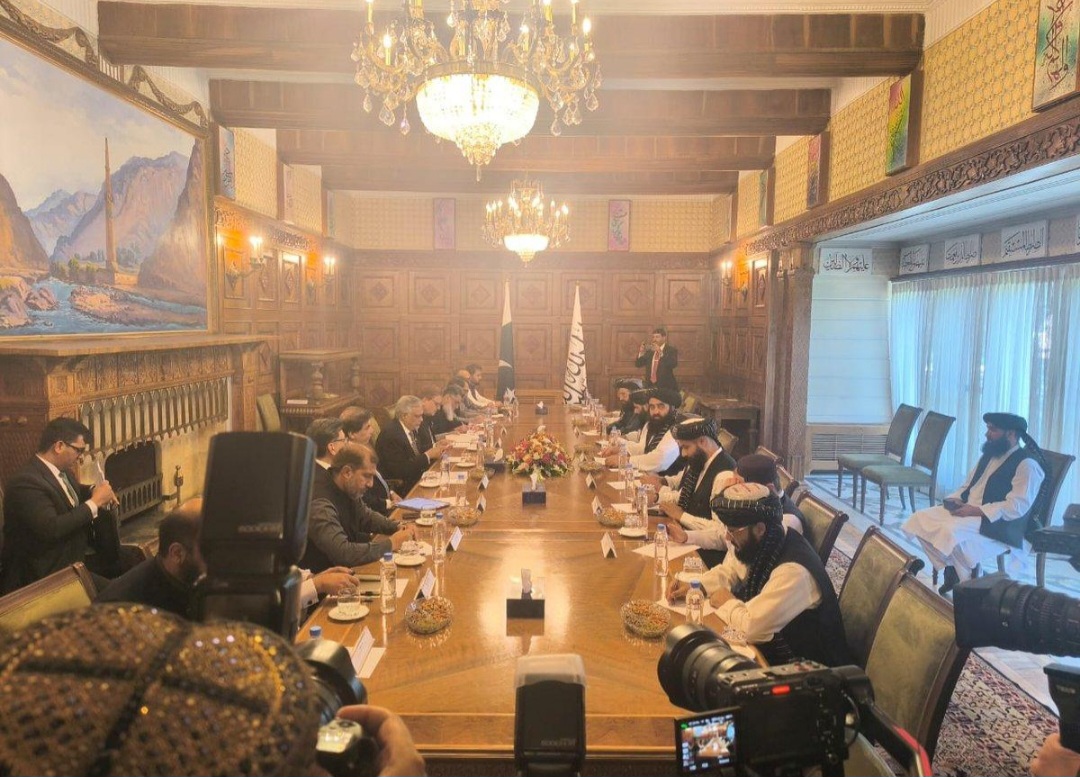
Furthermore, Pakistan should increasingly complement conventional security operations with a broader soft-power strategy in its counterterrorism approach. While kinetic military operations have disrupted militant networks and eliminated numerous TTP fighters, experience demonstrates that ideological movements often regenerate by recruiting new supporters.
Sustainable peace therefore requires addressing the social, educational, and ideological factors that contribute to radicalization.
In this context, prominent politician and analyst Afrasiab Khattak has argued that defeating terrorism requires confronting not only militants but also the extremist ideology that sustains them. This perspective highlights the importance of investing in education, critical thinking, civic awareness, and responsible media engagement.

Encouragingly, various educational institutions, civil society organizations, and media platforms have already begun promoting these objectives by fostering resilience against extremist narratives, particularly among young people.
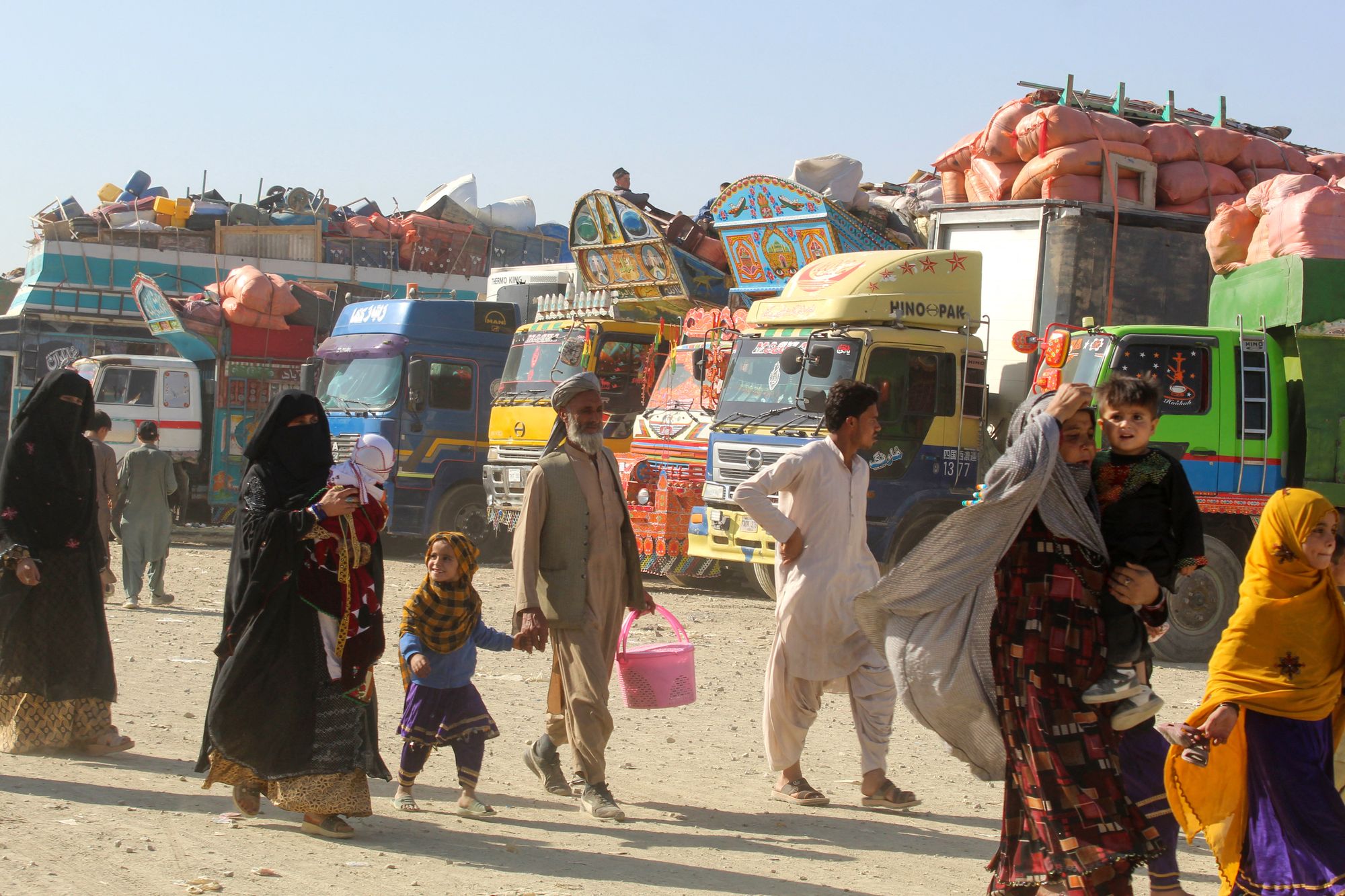
Pakistan should also review and modernize its Afghan refugee policy. While effective registration and documentation remain essential for national security, refugee repatriation should be conducted through transparent, systematic, and dignified procedures that fully respect humanitarian principles and international obligations. Such an approach would enhance Pakistan's international image while reducing unnecessary tensions between the two neighboring countries.
At the local level, governance reforms should be sensitive to the cultural traditions of border communities. Many tribal districts have long relied on customary institutions such as the Jirga for dispute resolution and community decision-making.
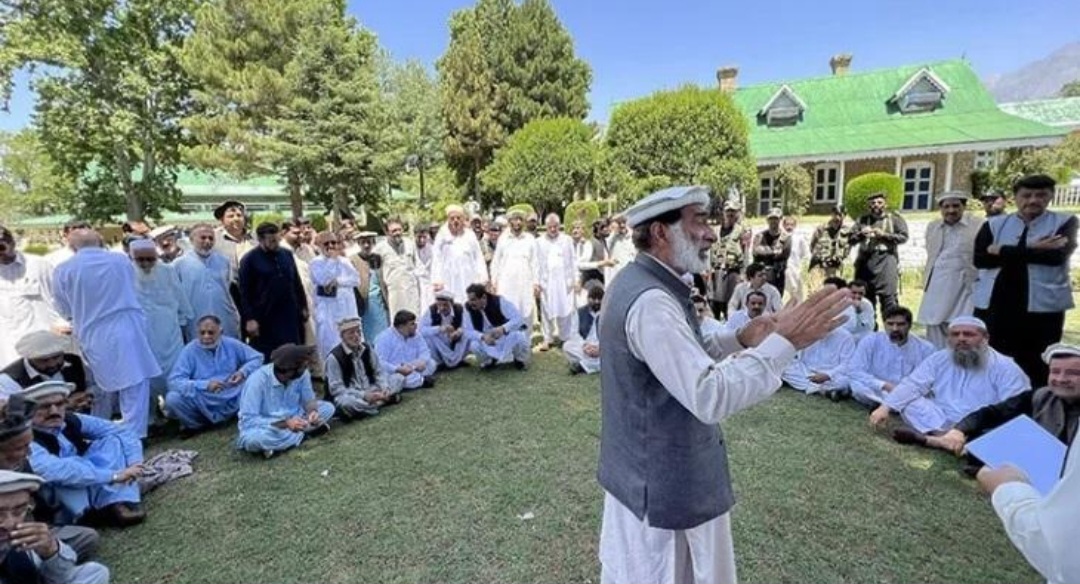
Rather than disregarding these traditional mechanisms, governments should seek to integrate them within the formal legal framework while ensuring full compliance with constitutional protections, human rights standards, and the rights of women and marginalized groups.
Recent developments provide encouraging examples of gradual progress. For instance, the decision of the Dispute Resolution Council (DRC) in South Waziristan to recognize the participation of female activist Razia Mehsud reflects a positive evolution toward greater inclusivity and alignment between traditional institutions and contemporary human rights principles.
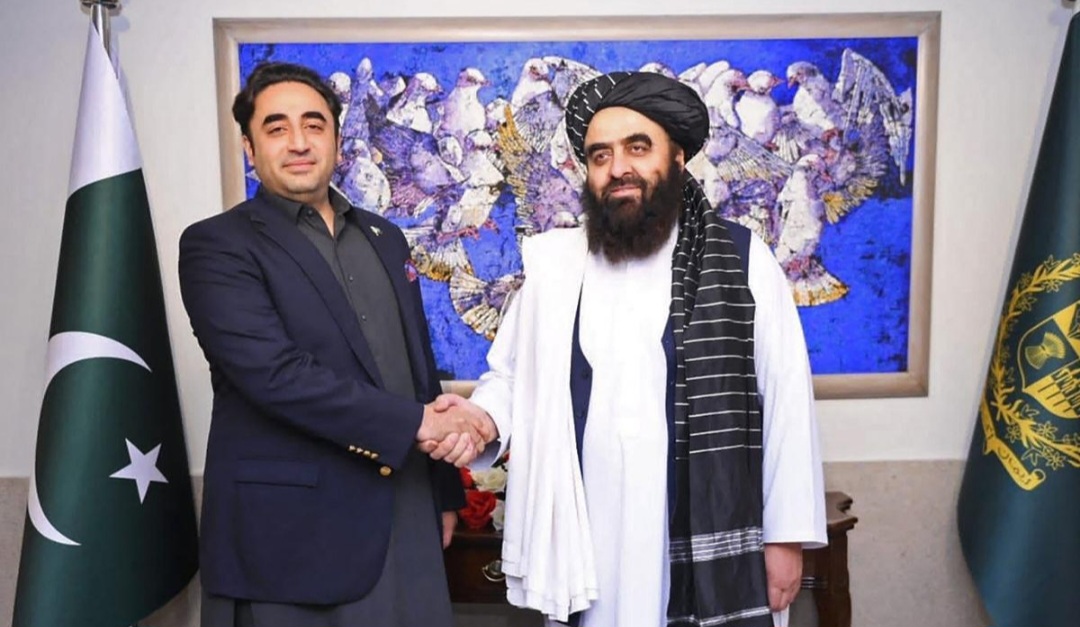
Looking ahead, strategic diplomacy should complement domestic security reforms. Afghanistan's current de facto authorities continue to seek greater international engagement and legitimacy. Pakistan, as an influential regional actor with established diplomatic relationships, is well positioned to encourage constructive regional dialogue.
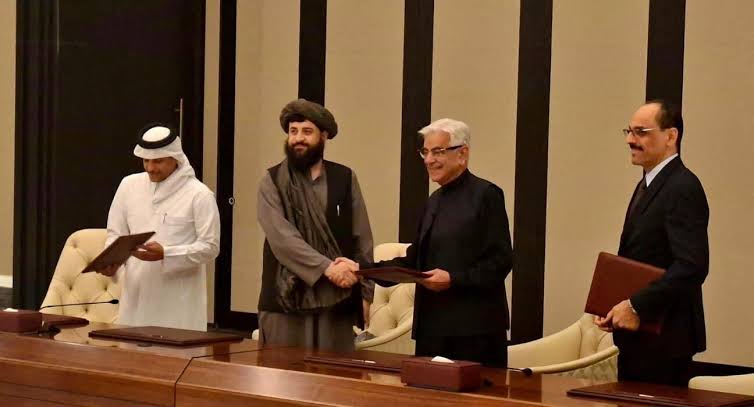
Any future cooperation, however, should be linked to credible and verifiable measures aimed at preventing terrorist organizations from using Afghan territory to threaten neighboring states, while respecting the sovereignty of both countries and supporting broader regional stability.
Ultimately, neither military operations nor diplomatic initiatives alone can eliminate the threat of cross-border terrorism. Durable peace will require sustained political commitment, institutional cooperation, economic integration, responsible governance, and the rejection of violent extremism in all its forms.
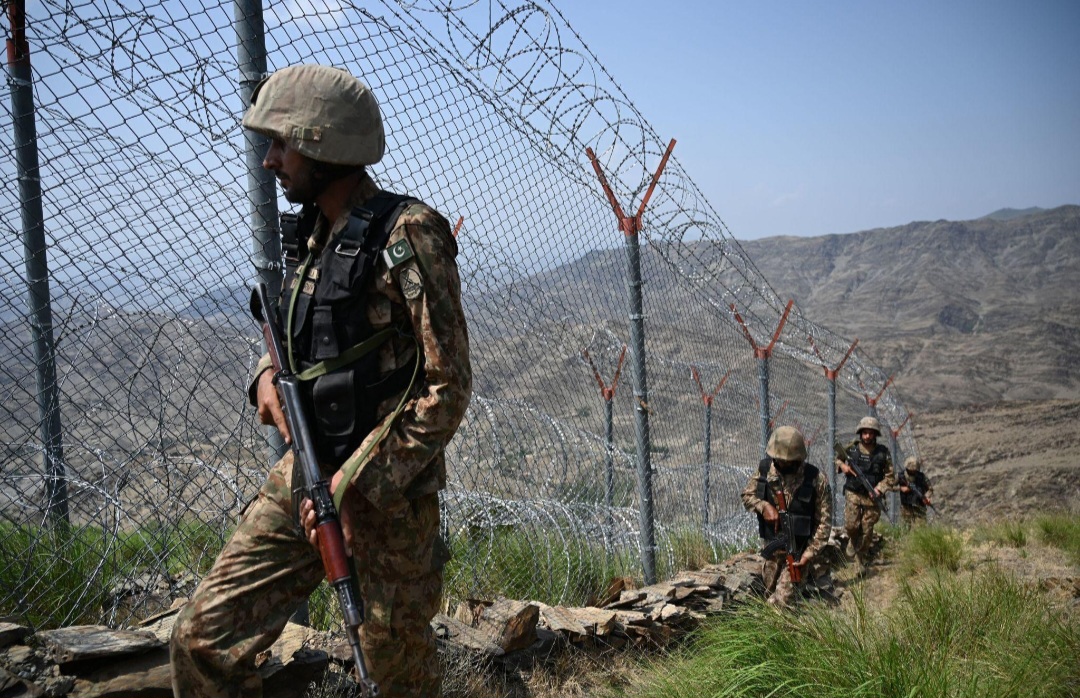
Pakistan and Afghanistan share not only a border but also centuries of common history, culture, and human interaction. Their future security and prosperity are therefore deeply interconnected.
In conclusion, Pakistan and Afghanistan must establish a long-term, pragmatic, and institutionalized diplomatic dialogue capable of addressing both traditional and emerging security challenges. Afghanistan should undertake practical measures to prevent militant groups from operating within its territory while pursuing greater regional cooperation.
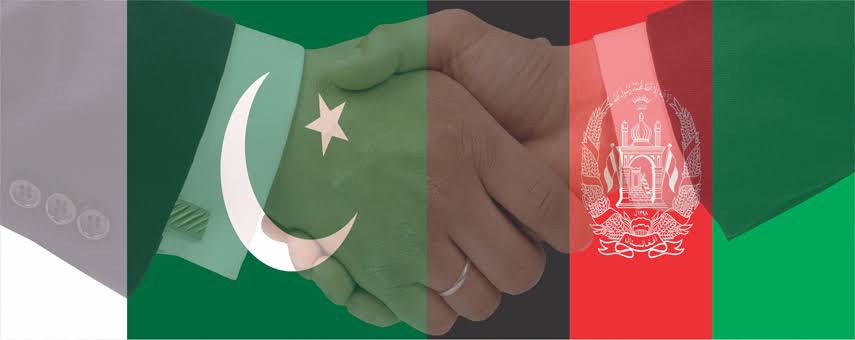
Pakistan, in turn, should combine effective border security with diplomacy, soft power, humanitarian engagement, and locally informed policymaking.Only through a comprehensive and cooperative strategy can both countries overcome the enduring challenge of cross-border terrorism and lay the foundation for lasting peace, stability, and regional prosperity.
.jpg)

Comments
No comments yet. Be the first 🙂