


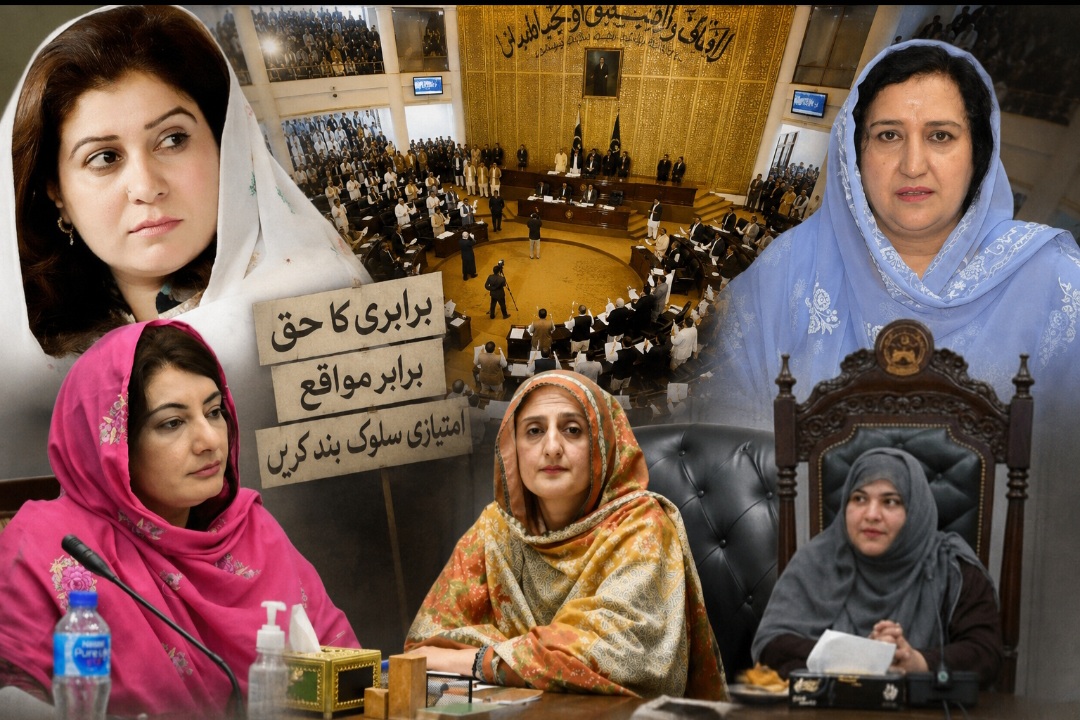
Women members of the Khyber Pakhtunkhwa Assembly have also repeatedly complained of discriminatory treatment and inappropriate behavior inside the House, despite their representation in the provincial legislature.
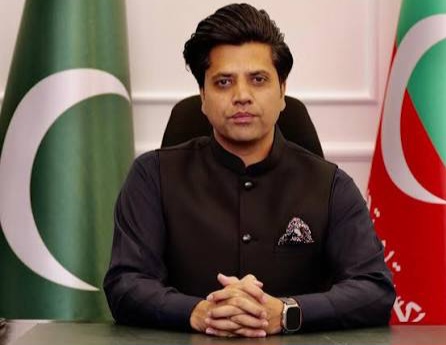
Women lawmakers have on several occasions been subjected to sarcastic remarks and derogatory labels over being elected on reserved seats. Provincial Information Minister Shafi Jan has repeatedly referred to women elected on reserved seats as “charity sisters” in his speeches. Such remarks give the impression that women lawmakers received their seats as an act of charity.
The most frequent complaints of sarcastic and inappropriate behavior in the KP Assembly have been made by Pakistan Muslim League-Nawaz (PML-N) lawmaker Sobia Shahid, who has said that some members used highly inappropriate remarks against her during Assembly proceedings.
Discriminatory attitudes and behavior towards women are common in society, but when women who play an important role in legislation for the people of the province face similar treatment inside the Assembly, it raises serious questions about the status of women’s political representation.
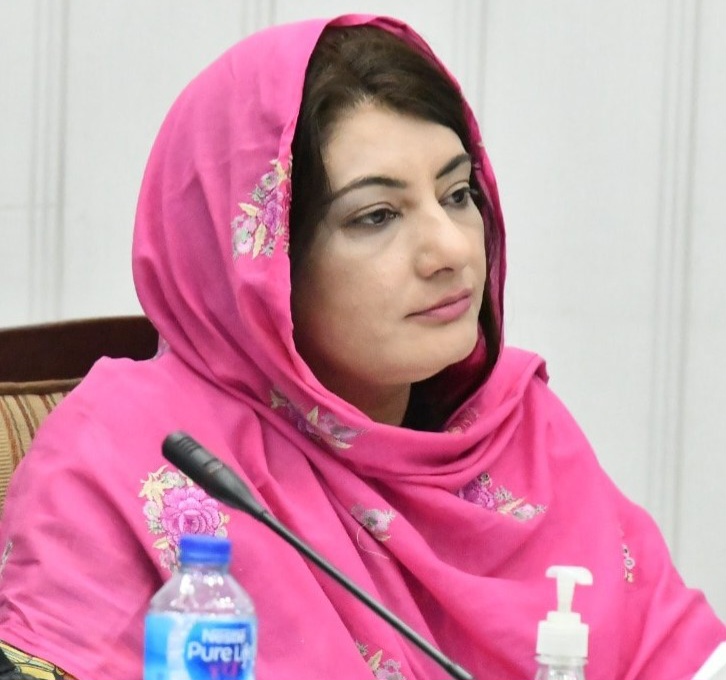
Recently, PML-N lawmaker Sobia Shahid was reportedly denied an opportunity to speak during an Assembly session and faced inappropriate behavior from male lawmakers. Following the incident, Deputy Speaker Suraiya Bibi imposed a two-week ban on Shahid. However, the ban was later withdrawn by KP Assembly Speaker Babar Saleem Swati.
The Khyber Pakhtunkhwa Assembly has a total of 145 members, including 27 women and four seats reserved for minorities. Among the women lawmakers, only one, Suraiya Bibi, reached the Assembly after directly contesting a general seat from Chitral. The remaining women became members through reserved seats allocated to political parties.
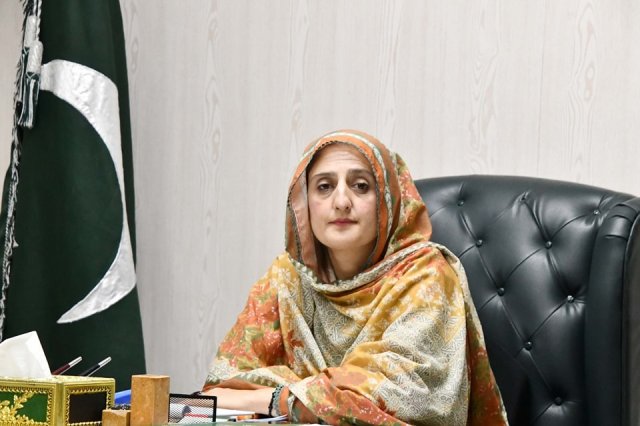
Women members of the KP Assembly continue to play a role in legislation and in raising public issues. However, some former and current women lawmakers say they face various forms of discrimination at the level of political parties even before entering the Assembly.
They say that even after being elected on reserved seats, women are not given equal opportunities compared with male lawmakers in decision-making, development funds, chairmanship of standing committees and other matters.
Former KP Assembly member Baseerat Shinwari, the first woman from the tribal districts to be elected to the provincial Assembly on a reserved seat for women, says discrimination against women begins with the electoral process itself.
Also Read : Women to Get Merit-Based EV Bikes as KP Pushes Green Transport Plan
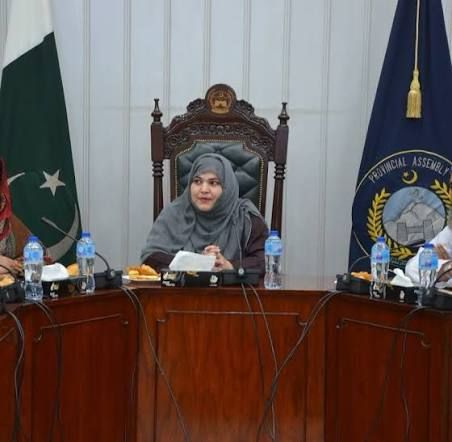
According to her, political parties sometimes award women tickets in constituencies where their chances of winning are extremely low, reducing women’s political representation to mere tokenism.
Baseerat Shinwari says that after entering the Assembly on a reserved seat, women also face taunts and inappropriate behavior. She says some male lawmakers tell women elected on reserved seats that they received their seats “on a free plate” and entered the Assembly through the votes of others.
Shinwari says she spent three years in the Assembly but did not receive even a single rupee in development funds from the government. Meanwhile, people in her area continued to demand development projects, including roads, streets, schools and hospitals. However, due to a lack of resources, she was unable to meet the demands of her constituents.
Women lawmakers say that because reserved-seat members do not represent a specific geographical constituency, they nevertheless have limited resources to respond to public demands.
Shinwari says that even when government women lawmakers receive development funds, male lawmakers often have greater influence in the relevant areas, making it difficult for women to use the funds according to their own priorities.
Pakistan Peoples Party (PPP) lawmaker Shazia Tahmas, who was elected to the KP Assembly on a reserved seat for women, also highlights the challenges faced by women lawmakers.
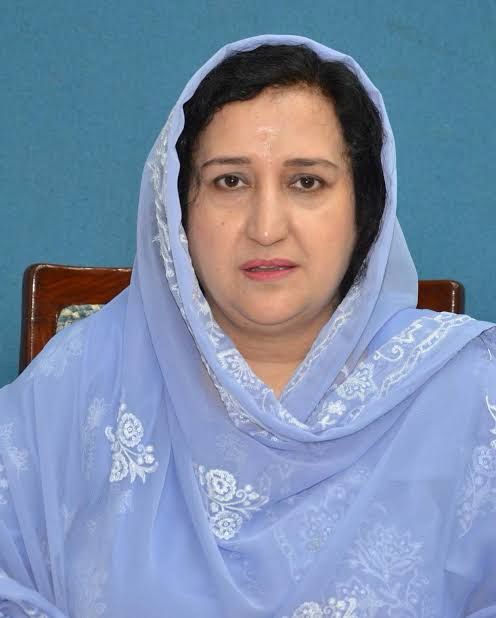
She says the attendance of women members plays an important role in Assembly proceedings, and if women lawmakers also stop attending sessions, it would sometimes become difficult to meet the quorum requirement.
According to Tahmas, women lawmakers regularly attend Assembly sessions and should therefore also be given appropriate opportunities to chair standing committees and take on other responsibilities. She says some standing committee meetings are also not being held regularly, affecting the legislative and oversight functions of the Assembly.
Tahmas says women lawmakers should not be limited to attending Assembly sessions. Women on both the government and opposition benches should be included in important decision-making processes and provided with development resources. She adds that women lawmakers also protested inside the Assembly during the budget session for their rights and equal opportunities.
Women lawmakers say discrimination is not limited to development funds; being heard inside the House and being given sufficient time to fully express their views are equally important.
Former Awami National Party (ANP) MPA Shagufta Malik says men and women lawmakers are equal in Parliament and no member should be considered inferior to another. She points out that women’s votes in Senate elections carry the same weight as those of male lawmakers, and therefore women should also be provided equal opportunities in other matters.
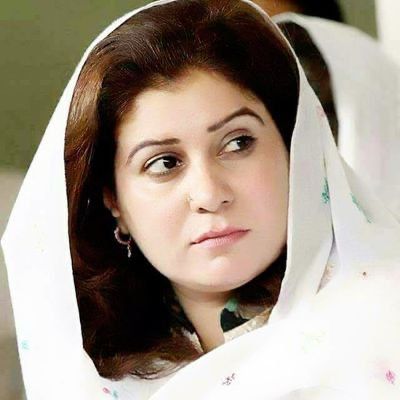
Shagufta Malik says women ask questions, participate in legislation and raise public issues in the House, but they sometimes face interruptions and obstacles. She believes political parties should include women more effectively in the decision-making process.
Former provincial lawmaker Shagufta Ejaz says political parties encourage women to participate actively in rallies and political gatherings, but during decision-making and government formation, women are not given the position they deserve.
Shagufta Malik says she served as a member of the KP Assembly in 2009 and 2018. She says she contributed to various development projects in the past and also served as chairperson of the Tourism and Youth Affairs Committee.
According to Malik, an incident in a recent Assembly session in which a woman lawmaker was prevented from speaking and subjected to inappropriate remarks also reflects a non-serious attitude towards women.
She says entering politics is already difficult for women, particularly in a province like Khyber Pakhtunkhwa, where women face social and political barriers. In such circumstances, it is extremely disappointing if women are still not taken seriously after reaching the Assembly.
Senior journalist and parliamentary affairs analyst Lehaz Ali, who has been covering parliamentary proceedings for the past two decades, says women lawmakers have at times been reduced to merely helping complete the quorum.
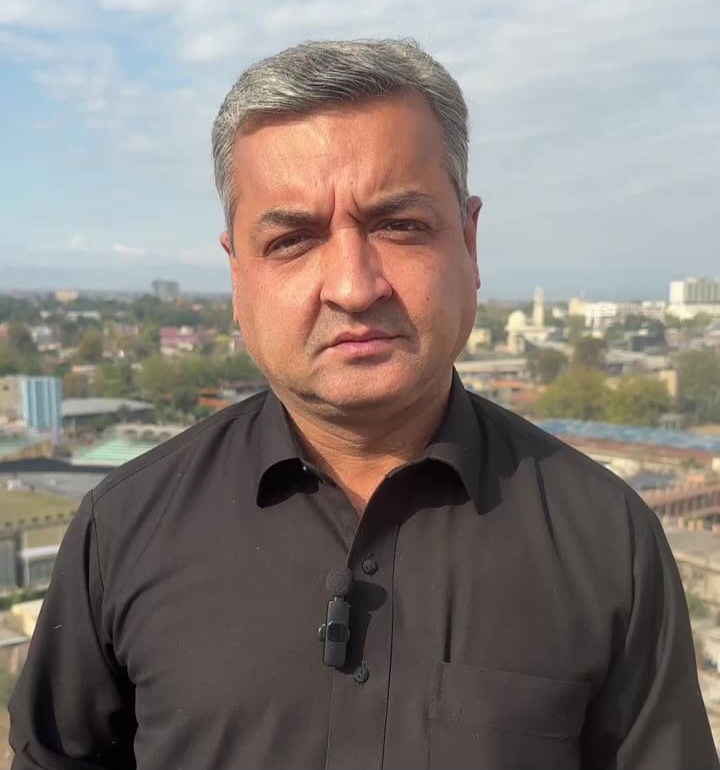
He says women members are sometimes taunted by male lawmakers inside the Assembly that they do not have constituencies and entered the House not through direct votes from the public but because of the votes of male lawmakers.
According to Lehaz Ali, Samar Bilour, who was elected to a general seat on an ANP ticket during the previous government, also faced different treatment from male lawmakers. He says former PPP lawmaker Nighat Orakzai had also protested in the Assembly against the treatment of women.
Lehaz Ali says the issue is not limited to opposition women lawmakers, as women on the government benches also face difficulties in certain matters. However, he believes women politicians also have a responsibility to actively seek party tickets on general seats and contest direct elections.
KP Minister for Local Government and Higher Education Meena Khan Afridi was also approached for his position on allegations of discriminatory treatment of women lawmakers. He rejected the impression, saying that women members speak the most in the Assembly and are provided opportunities to express their views.
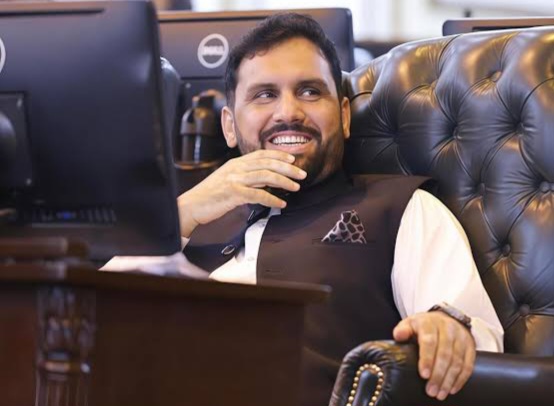
According to him, the government also involves women lawmakers in consultations regarding its initiatives.
Asked why women lawmakers are not provided development funds, the provincial minister said that even if separate funds are not allocated to a woman lawmaker, the government is carrying out development work in the relevant areas in the same way as in other constituencies.
He said his party believes in the principle of equality for women.
.jpg)

Comments
No comments yet. Be the first 🙂