


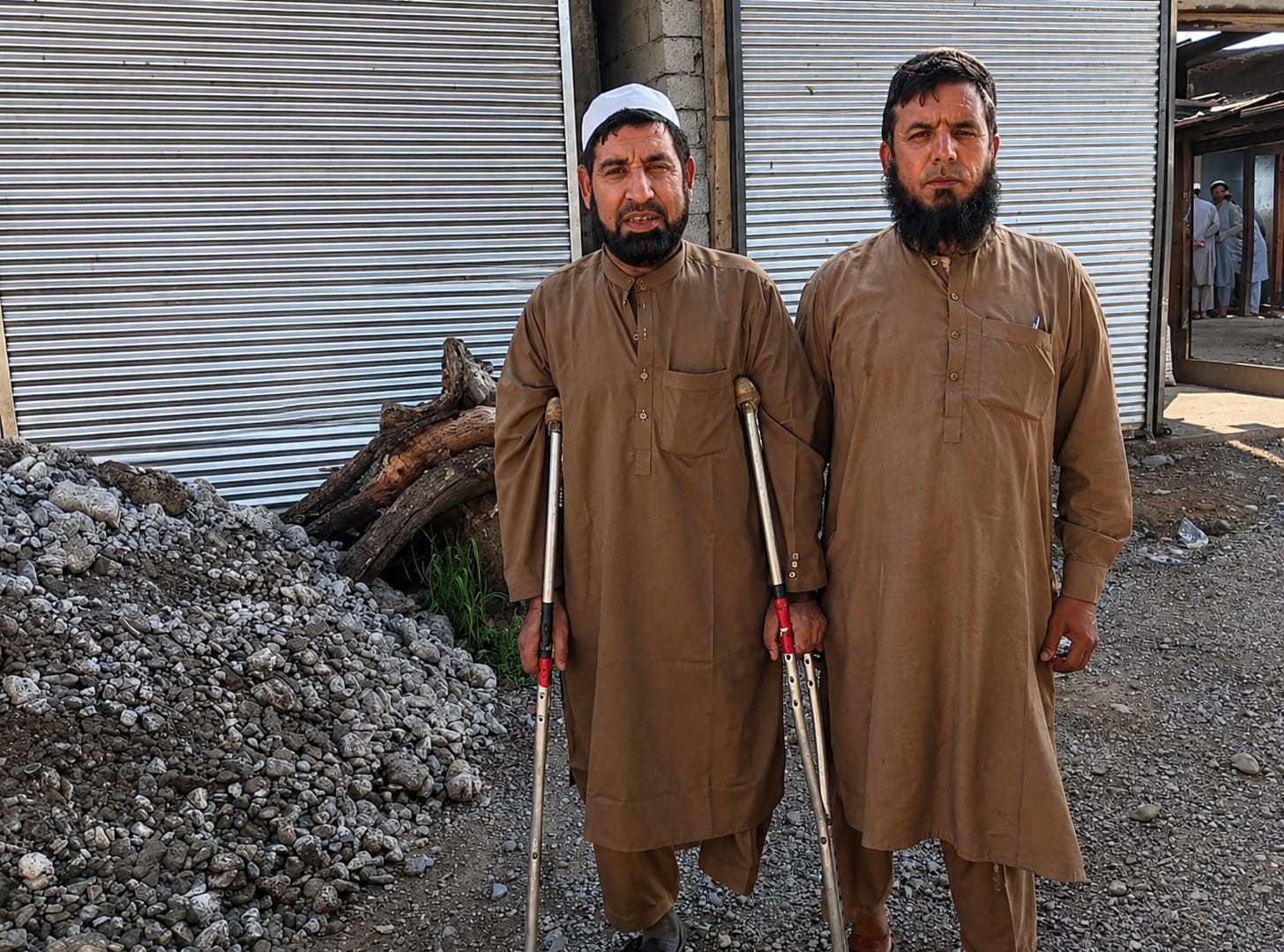
Following the deterioration of the security situation in Tirah Valley of Khyber district, a former tribal district of Khyber Pakhtunkhwa, displacement that began in November last year created serious difficulties for the local population. However, people living with physical or other disabilities faced the greatest challenges.
Despite the harsh winter, difficult terrain and limited resources, hundreds of people with disabilities left Tirah Valley along with their families and moved to Bara and other areas. Among them were women and children, who faced difficulties not only during the journey but also in finding accommodation, accessing medical treatment, completing registration and obtaining government assistance.
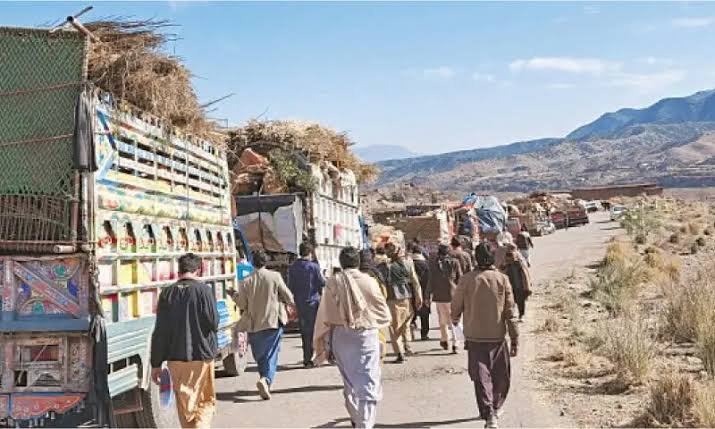
The affected people say they were already facing difficulties due to social attitudes and a lack of basic facilities before displacement, but these problems have worsened since they were forced to leave their homes.
Challenges Faced by People with Disabilities During Displacement:
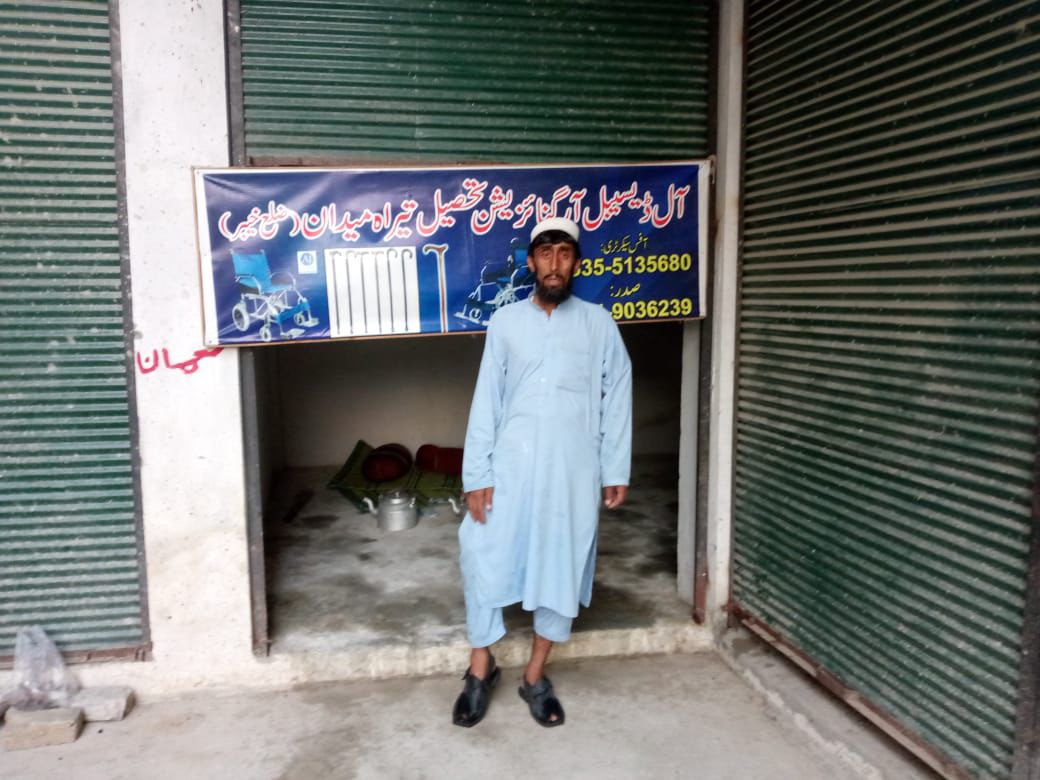
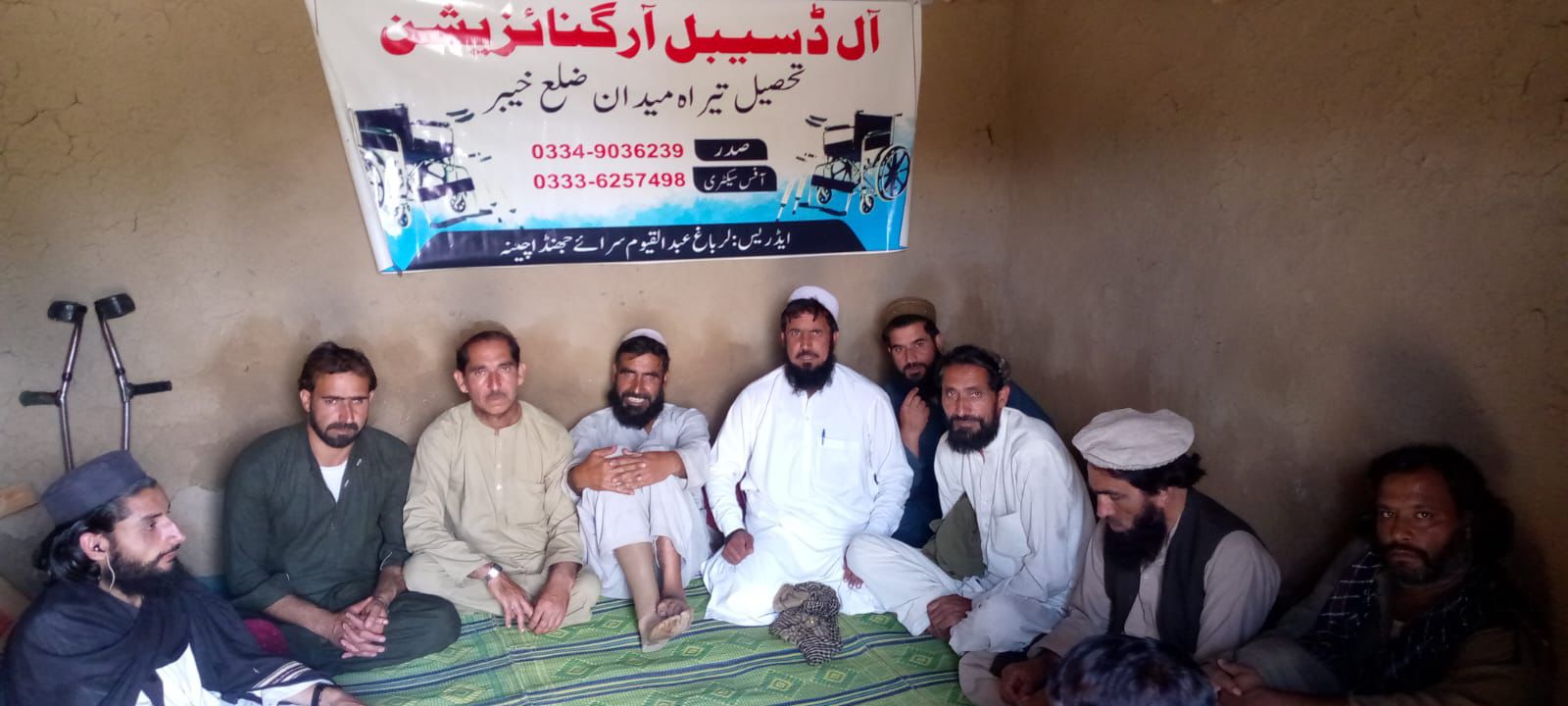
Khair Muhammad Afridi, president of a local organisation working for the rights of people with disabilities in Tirah Valley, is also among those who left the valley with his family and sought temporary shelter with relatives in Bara.
Khair Muhammad’s one leg was affected by the polio virus. According to him, severe cold, difficult routes and the lack of basic facilities made the journey extremely difficult for people with disabilities. He says they continue to face difficulties while living as displaced people.
Also Read : Former JUI Tehsil Nazim Among 3 Killed in Hangu Land Dispute
He said, “When we were leaving our homes, the severe cold and other difficulties led to the deaths of two girls with disabilities. This further highlighted how serious the situation was at the time.”
Khair Muhammad has completed his FA education. He had also worked as a teacher at a foundation-run school in Tirah Valley. However, after the project ended, he opened a shop in Maidan Bazaar and started earning a living. When the security situation in the area deteriorated, he too had to leave behind his home, business and normal life.
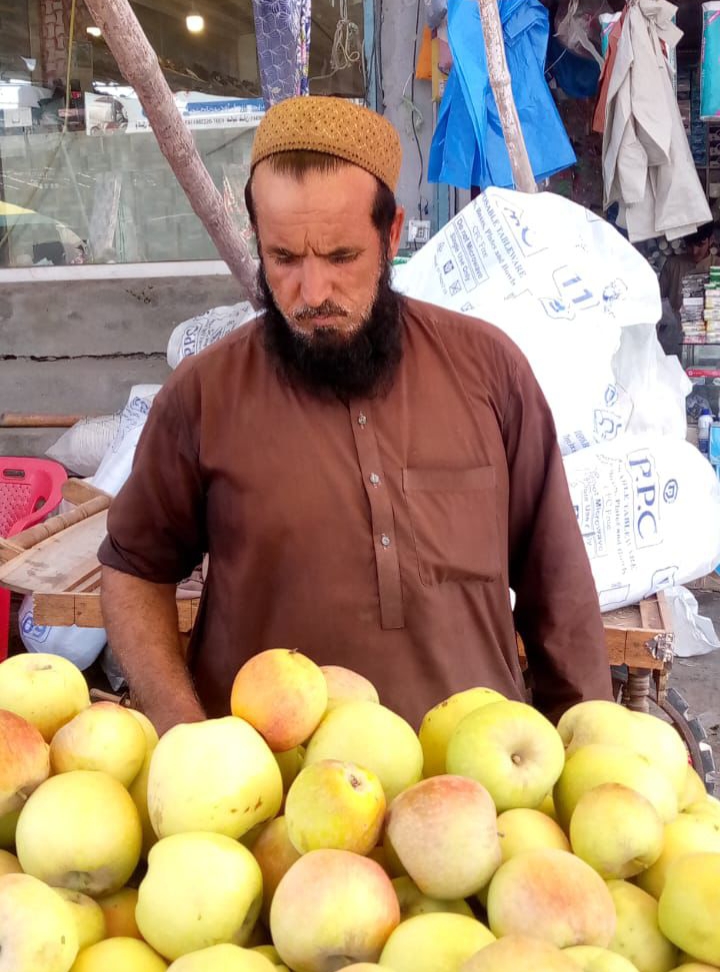
He is now living with relatives in Bara. He says he first lost his source of income and later managed to buy a pushcart with great difficulty, selling fruit to restart his livelihood. Despite this, he continues to face financial difficulties.
Registration Difficulties for People with Disabilities:
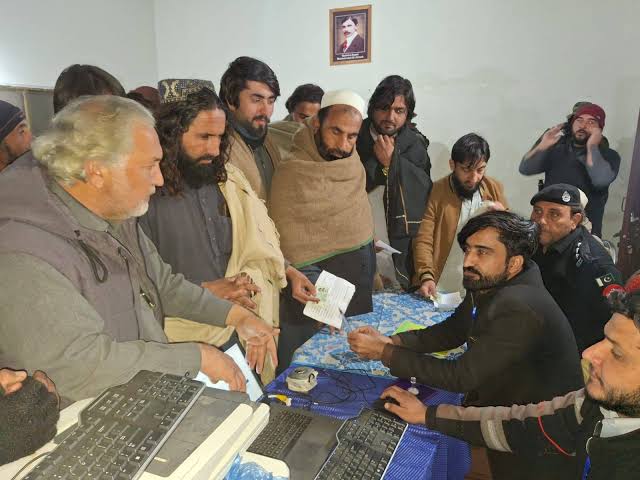
According to Khair Muhammad Afridi, there were no separate counters for people with disabilities at the registration centres established for displaced families. Their needs were also not taken into consideration while they waited in queues and during the registration process.
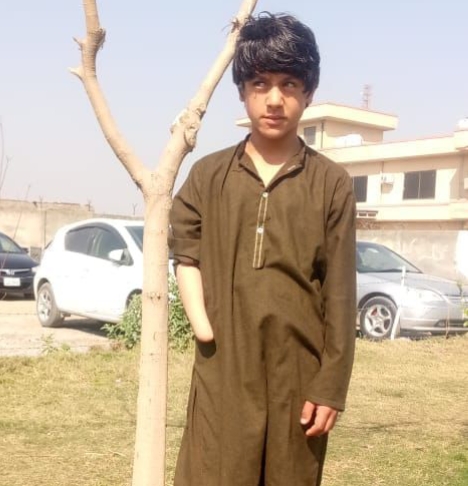
According to him, most people with disabilities did not have disability certificates issued by the Social Welfare Department. Differences between the permanent addresses mentioned on their national identity cards and their current places of residence also caused difficulties for some people during the registration process.
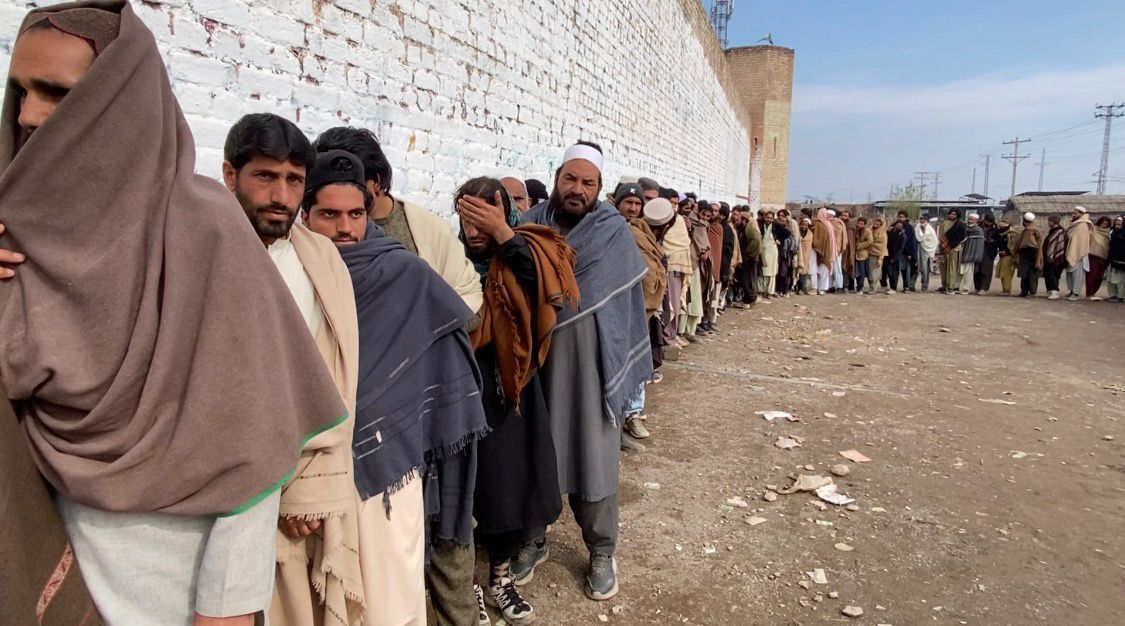
He said such individuals were also not provided with proper guidance, resulting in many people with disabilities being left out of the registration process and facing difficulties in accessing government assistance.
Unable to Register Despite Several Weeks Passing :
Saleem Khan (pseudonym), a displaced resident of Tirah Valley who is currently living in a rented house in a suburban area of Peshawar, said he walks with the help of crutches. He said he had visited the registration centre twice two months ago to register and seek financial assistance, but his registration could not be completed.

He said people with disabilities are also required to wait in queues alongside the general public for hours, which is physically extremely difficult for them.
Sixty-year-old Saleem Khan is among those who has now visited the registration centre for the fifth time. He had previously visited the centre four times but returned empty-handed.
He said sometimes he is asked to make changes to his national identity card, while on other occasions he is told that his age is an issue. He added that there is no separate arrangement for people with disabilities to help them avoid standing in long queues like the general public.
Data of More Than 400 People with Disabilities from Tirah Available :
According to Khair Muhammad Afridi, his organisation has data on more than 400 people with disabilities from Tirah Valley. However, he believes the actual number is much higher. The list includes women and children living with different types of disabilities.
Khair Muhammad said many people with disabilities need crutches, hearing aids, artificial legs and other assistive devices, but their needs have not received adequate attention since their displacement. He said some individuals received limited assistance from local journalists and philanthropists, but a large number are still waiting for basic facilities.
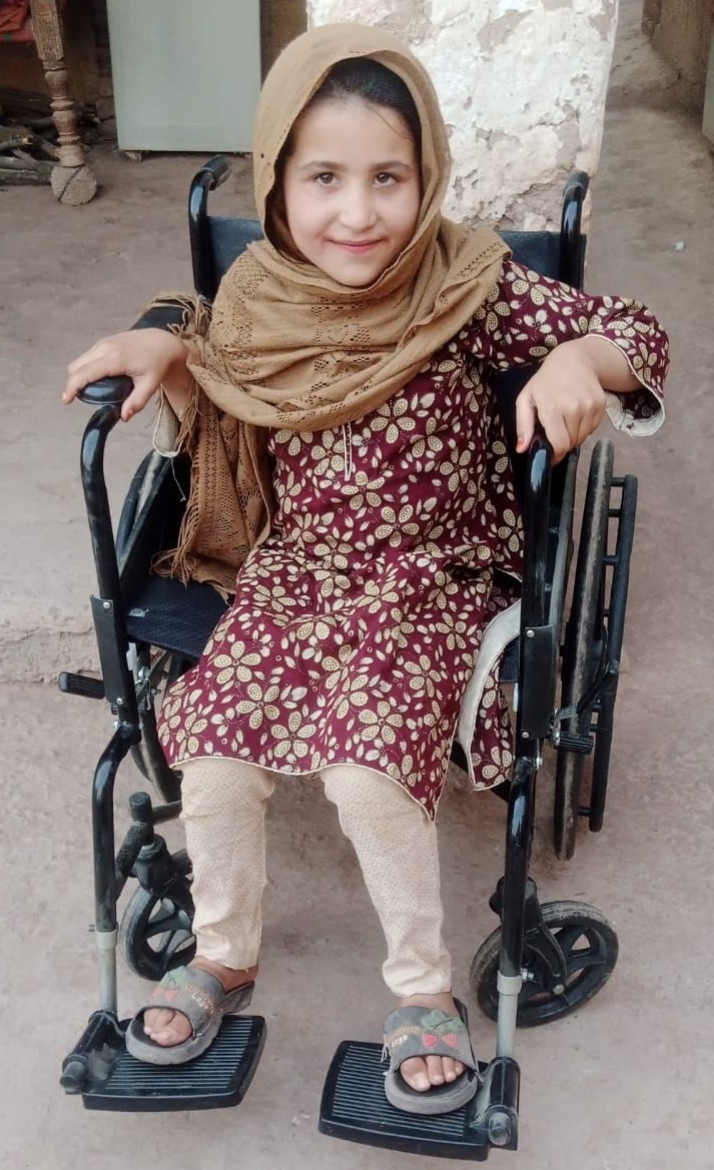
According to Khair Muhammad Afridi, many people with disabilities currently have no source of income. There are also women who know how to sew. He said providing them with sewing machines could help them earn an income and support their families.
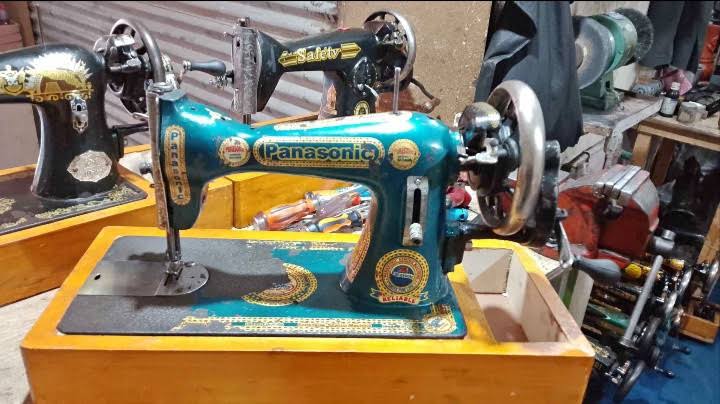
He himself is also facing financial difficulties. He said the government provided some assistance for rent and other expenses, but because they have remained displaced for a long period, the money has already been spent on food, essential items and daily expenses.
More Than 34,000 Families Registered :
According to information provided by the district administration, displacement from Tirah Valley began in late November last year due to severe insecurity in the area. The formal registration of displaced families began on January 6 this year at the government Higher Secondary School in Paindi Cheena, Upper Bara.
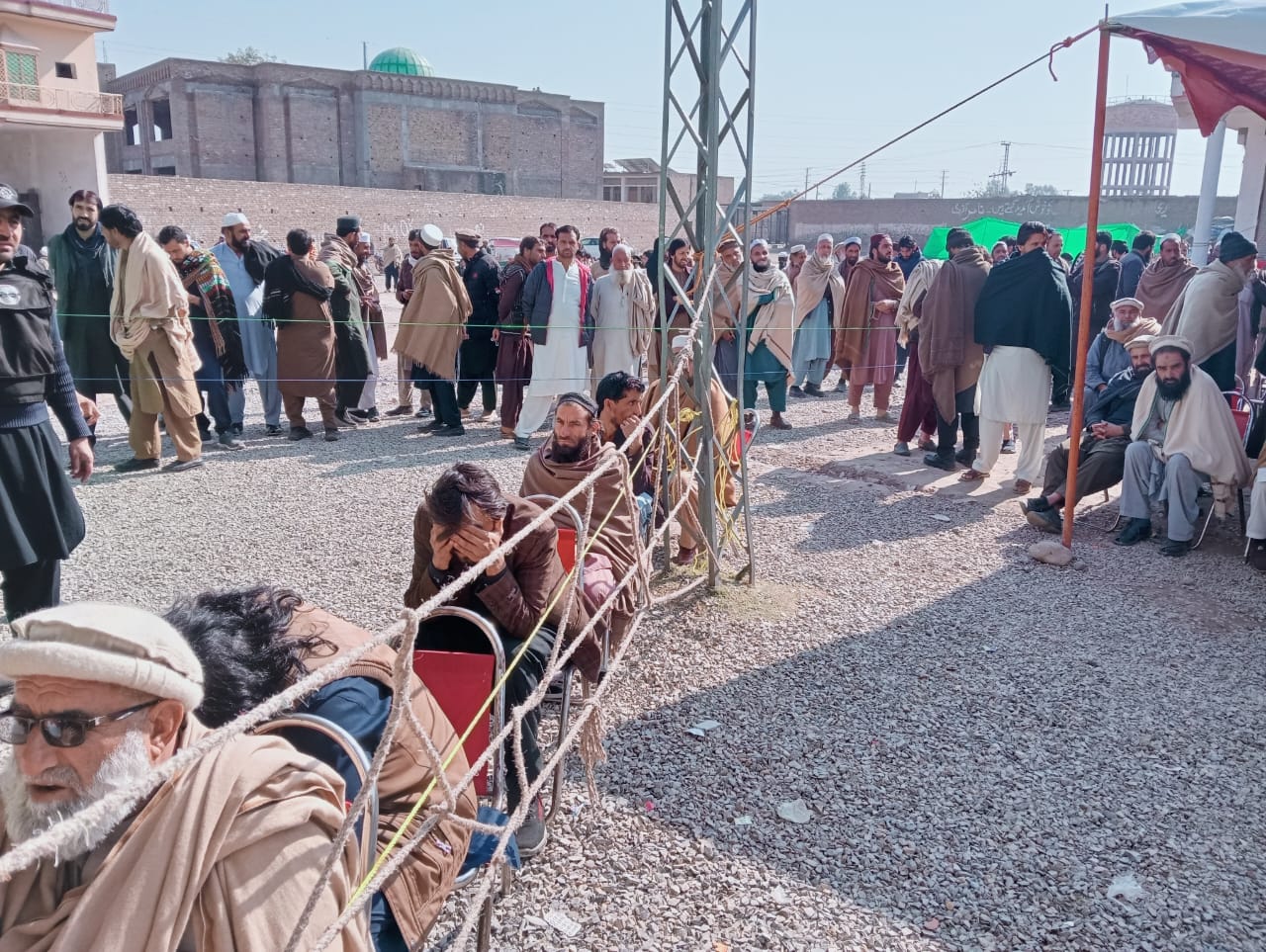
Later, due to various problems and overcrowding, five more registration centres were established near Bara Bazaar for the Qamber Khel, Shalobar Qamber Khel, Malik Din Khel, Akakhel, Adam Khel and Kamarkhel tribes.
Officials said more than 34,000 families have been registered at these centres. They were provided with transport fares, bank accounts and mobile SIM cards.
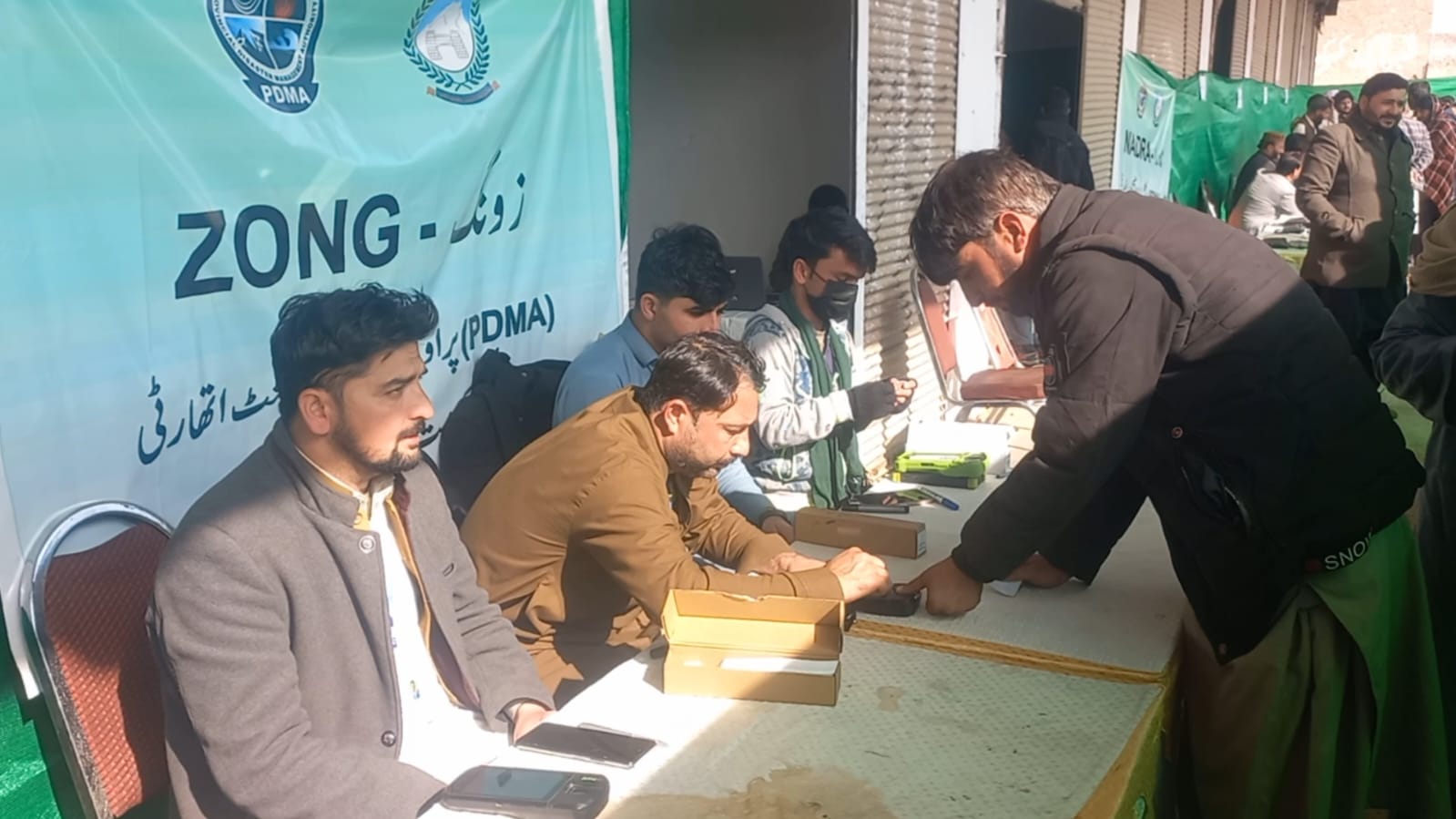
According to officials, verification of more than 19,000 families has so far been completed. In addition to transport fares, these families have received Rs240,000 through mobile SIMs from the Provincial Disaster Management Authority (PDMA), including two monthly instalments of Rs35,000 each. The process is still ongoing.
Data, Government Assistance and Facilities for People with Disabilities :
According to the Social Welfare Department, a total of 47,000 people with disabilities are registered across the merged districts, with the highest number belonging to Khyber district, at around 15,000.
The Khyber Social Welfare Department said disability certificates had been issued to around 350 people with disabilities who were displaced from Tirah Valley to Bara and other areas.
The department said a 25-day camp was also set up at Dogra Hospital in Bara to facilitate these individuals, while a helpline has been established to address their complaints.
According to the Social Welfare Department, applications have also been received from people with disabilities from Tirah Valley for crutches, hearing aids and other essential assistive devices. These items will be distributed among the applicants after approval.
.jpeg)
.jpg)
.jpg)
.jpeg)
.jpg)

Comments
No comments yet. Be the first 🙂