


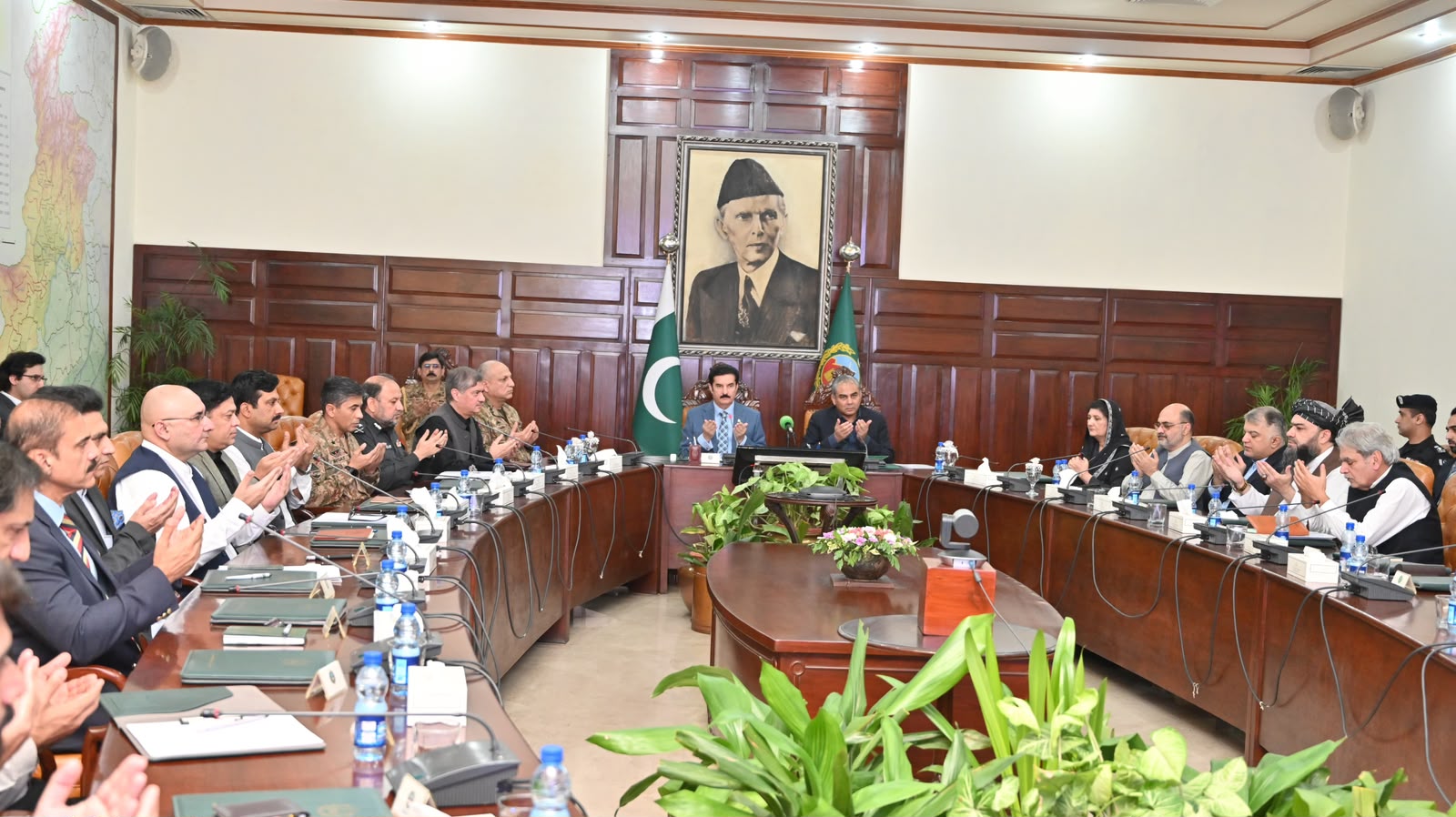
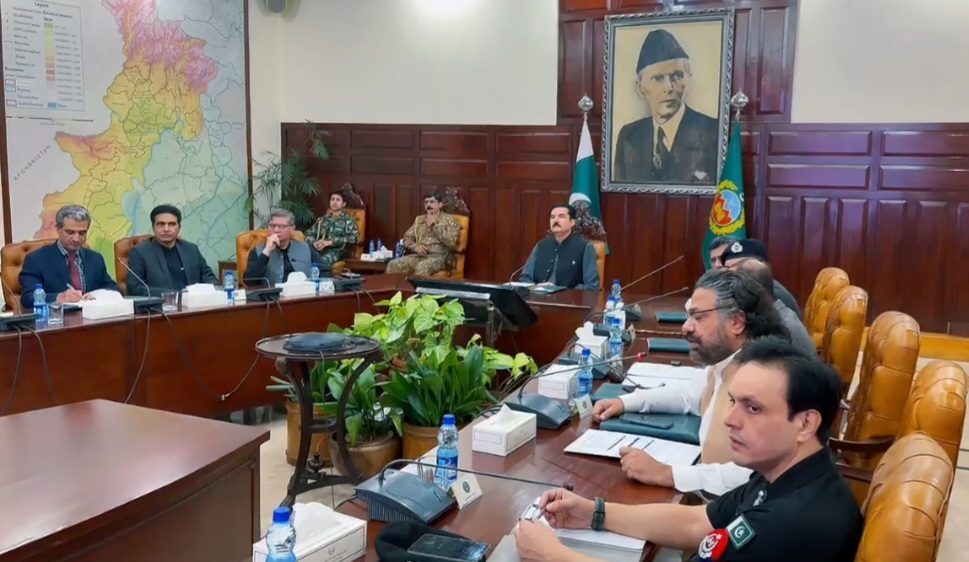
A meeting of the Provincial Apex Committee was held at Governor House in Peshawar under the chairmanship of Khyber Pakhtunkhwa Governor Faisal Karim Kundi, where key decisions were taken to eliminate terrorism, establish lasting peace, and enhance the capabilities of the police and the Counter-Terrorism Department (CTD).
The meeting decided to provide the police and CTD with all necessary resources, including modern equipment, vehicles, armoured vehicles, effective weapons and the required manpower. The forum also directed the relevant authorities to continue intelligence-based operations against terrorism and utilise available resources to improve the law and order situation.
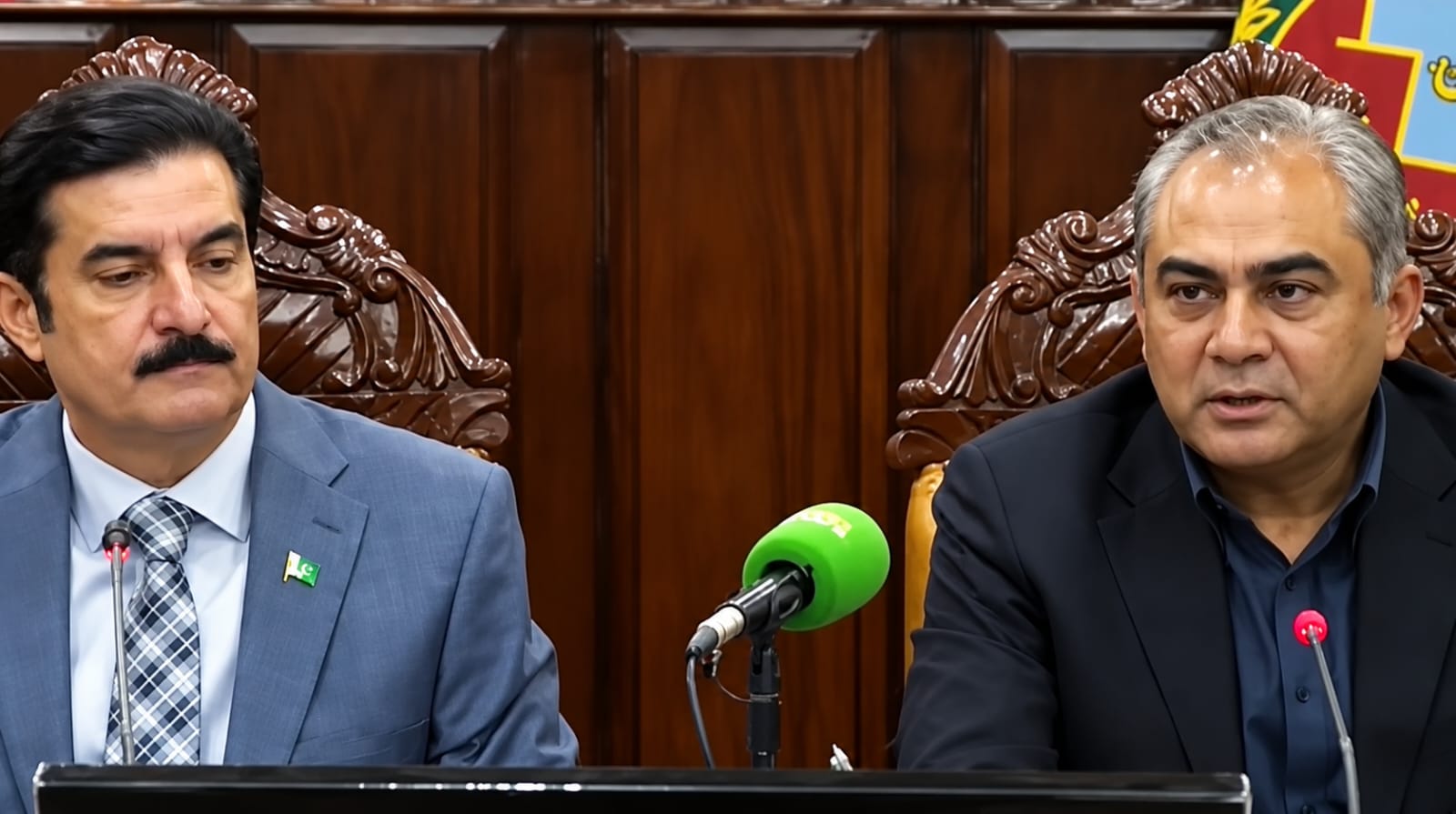
Federal Interior Minister Mohsin Naqvi, members of the Advisory Council, the Peshawar Corps Commander, the chief secretary, the inspector general of police and other senior civil and military officials attended the meeting.
At the outset, tribute was paid to personnel who sacrificed their lives in maintaining peace and fighting terrorism. Fateha was also offered for the departed souls.
The meeting reviewed the overall security situation in the province in detail, along with measures being taken to completely eliminate terrorism and establish lasting peace. The forum directed the relevant institutions to take effective and decisive measures through mutual coordination to achieve these objectives.
Participants reaffirmed that eliminating terrorism and maintaining law and order in the province were the shared responsibility and top priority of all state institutions, and that no compromise would be made on these objectives.
Also Read : Can a united front turn the tide against terrorism in KP?
The meeting also stressed the need to address the longstanding issues faced by the people of Khyber Pakhtunkhwa. It was decided that special attention would be given to education, healthcare, improving the quality of life in cities, and providing basic facilities in underdeveloped and affected areas.
According to the forum, these issues are directly linked to public safety and lasting peace, but these aspects have been neglected in the past.
The meeting agreed to continue joint efforts to promote the province’s social and economic development and improve the living standards of its people. It was also decided to address public grievances, provide basic facilities and ensure that government services reach people at their doorsteps.
The forum emphasised that public suggestions, needs and local priorities would be incorporated into policymaking and practical measures.
Participants also reaffirmed their commitment to ensuring that all relevant institutions continue to work together through mutual cooperation and a joint strategy to achieve the goals of peace, stability and development in the province.
.jpg)
1.jpg)
Comments
No comments yet. Be the first 🙂