


By Nisha Arif
During the ongoing admission campaign in government schools across Khyber Pakhtunkhwa, enrollment rates in several districts have remained lower than expected. Parents, teachers and local residents have cited various reasons for the decline.
The Education Department, on the one hand, maintains that the admission campaign is still underway and that it would be premature to declare it a failure. On the other hand, parents say that the semester system, the non-availability of free textbooks, discontinuation of stipends and changes to the academic calendar have discouraged them from sending their children to government schools.
According to official data, the enrollment target for new admissions in government schools was set at 1,161,203 students. However, only 422,899 children have been enrolled so far, accounting for 36% of the target.
In comparison, private schools have performed better. Their target for new admissions was set at 398,587 students, but 421,999 new students have already been enrolled, meaning private schools have exceeded their target.
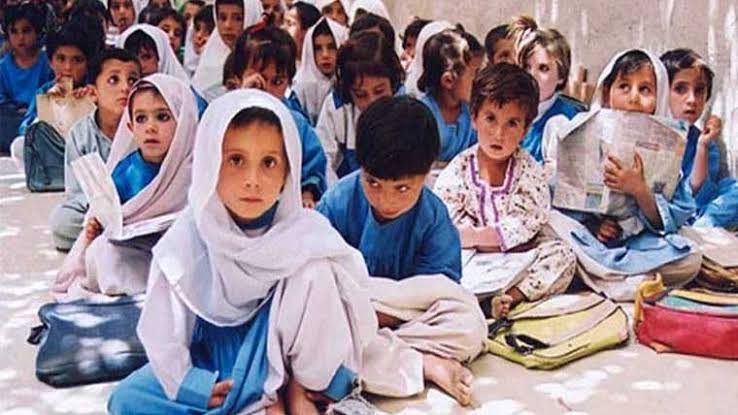
Admission Campaign Still Underway, Calling It a Failure Is Premature:
Speaking about the admission campaign, Shagufta, a teacher at a government girls' middle school in Peshawar, said it was not appropriate to declare the campaign a failure at this stage because admissions from Grade 1 to Grade 10 in government schools continue throughout the year.
According to her, after examinations and the announcement of results were completed in May, teaching staff remained present in schools throughout June. During this period, teachers visited homes, contacted parents, enrolled new students and made efforts to bring as many children as possible into government schools.
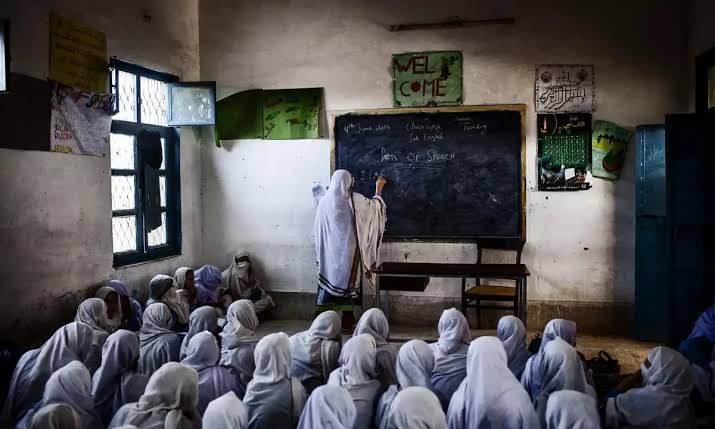
She said the Education Department had also strengthened its monitoring system to make the admission campaign more effective. Teachers have been instructed to contact parents in their communities even after school hours, while the Cluster Monitoring System is being used to continuously monitor enrollment progress and teachers' performance.
Semester System Affecting Government School Enrollment:
However, some teachers also acknowledge that the semester system introduced last year has emerged as one of the major reasons for the decline in admissions this year.
Under the system, the academic session in government schools began several months later than in private schools. In private schools, examinations were completed by the end of February or the beginning of March, after which the new academic session began.
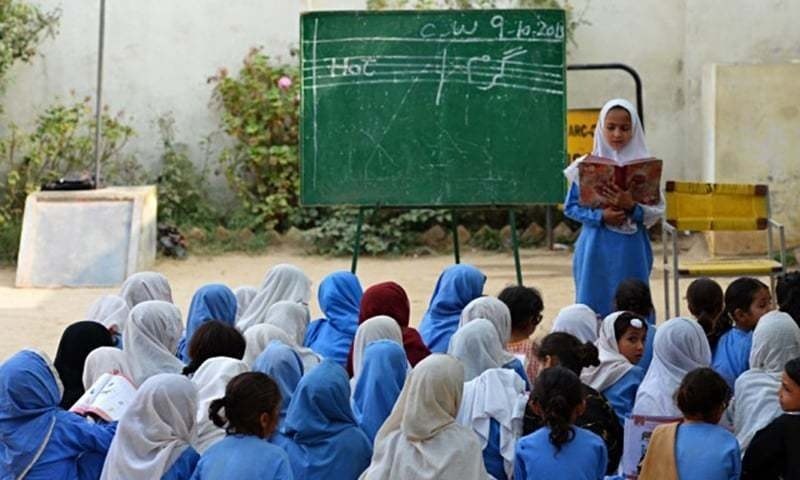
Academic Calendar Gap Between Government and Private Schools:
Last year, the Education Department introduced a new academic system comprising two semesters in government schools. The first semester runs from September to December 31, while the second semester begins in January and continues until May 31.
Parents say they could not afford to risk keeping their children at home for three to six months, so they chose to keep their children enrolled in private schools.
Also Read : It Is Time to Read Our Children's Emotions Before We Read Their Report Cards
Difference in Academic Years Between Government and Private Schools:
Tasneem, a resident of Peshawar whose three daughters study at a government school, said that after the examinations in May, she travelled to her hometown in Dir before Eid-ul-Azha.
Due to the summer holidays, she has not yet been able to return, which has delayed her daughters' enrollment for the new academic year. According to her, if the academic calendars of government and private schools were aligned, this delay in enrollment might not have occurred.
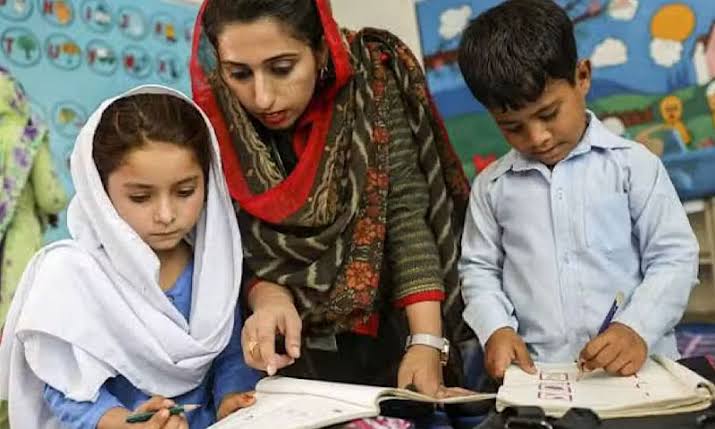
Similarly, Kausar, who wanted to transfer her daughter from a private school to a government school, said she changed her decision after learning that the new academic session in government schools would begin considerably later than in private institutions.
“I did not want my daughter to lose several months of her education, so despite the financial difficulties, I had to enroll her back in a private school,” she said.
Lack of Free Textbooks Also Affecting Enrollment:
Meanwhile, several parents have also identified the non-availability of free textbooks as a major reason for the decline in enrollment.
They say that complete sets of textbooks have not been provided for the past two to three years, while the books that are distributed are often old, worn out and incomplete, seriously affecting children's education.
According to parents, new textbooks are also not readily available in the market, leaving them with little choice but to enroll their children in private schools, where books and educational activities are provided on time.
Poor Families Affected by Lack of Textbooks and Stipends:
Amjad, a resident of Naguman in Peshawar, said that a considerable number of girls used to enroll in the government school in his village every year, but enrollment has declined significantly this year.
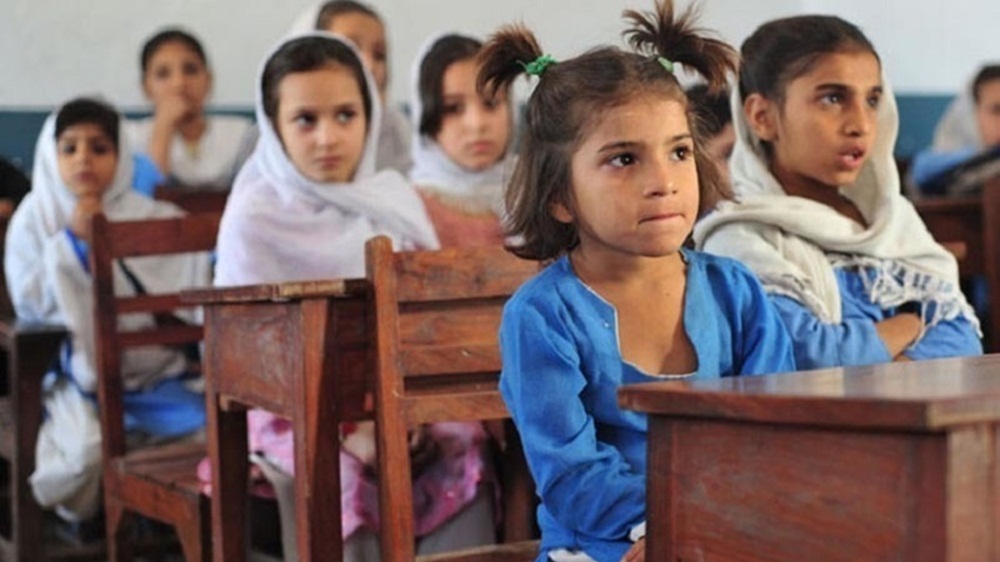
According to him, the biggest reason is the lack of free textbooks. Several parents have enrolled their daughters in schools in neighboring villages, while many girls have been forced to stay at home because of financial difficulties.
He said the discontinuation of stipends for female students had also reduced the appeal of government schools for low-income families.
The current enrollment figures in government schools are raising questions about the pace of the admission campaign, while the reasons cited by parents and teachers point to fundamental issues related to the academic calendar, availability of textbooks and financial assistance.
The Education Department says the admission campaign is still underway, and the final situation will only become clear after the campaign is completed.


.jpeg)
Comments
No comments yet. Be the first 🙂