


By Raham Khan
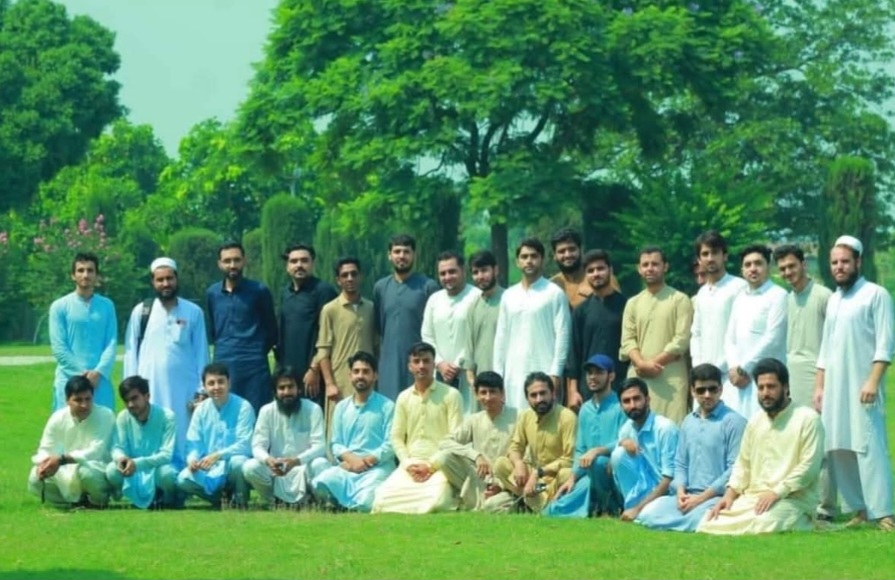
For 26-year-old Ruaf Jan, earning admission to the University of Peshawar was the result of years of determination, academic merit, and personal sacrifice. As an Afghan refugee born and raised in Pakistan, he enrolled in the university using his Proof of Registration (PoR) card, the same identity document accepted during his admission process. Today, after completing his education, he says the document that once allowed him to pursue higher studies is no longer accepted for the attestation of his academic degrees.
"I am very worried about my future," Ruaf Jan told Tribal News Network (TNN). “I reached this stage of education after facing many hardships and secured admission on merit using my PoR card. Now I cannot attest my BS and MS degrees with the same document through which I was admitted.”
According to Ruaf, his application for degree attestation was rejected by the Higher Education Commission (HEC), which required him to submit a valid passport and visa. He said the Ministry of Foreign Affairs (MoFA) also requires the same documents for attestation. "I applied for an Afghan visa in September last year and submitted all the required documents, but I have still not received it," he said. “Without a valid passport and visa, I cannot complete the attestation process.”
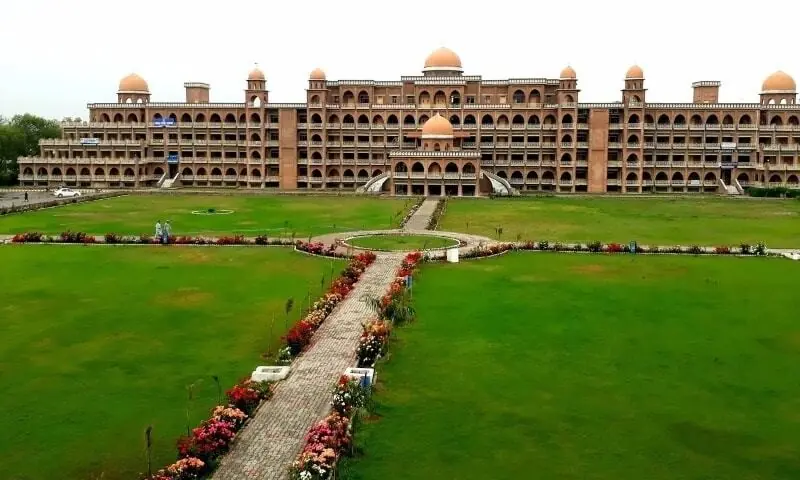
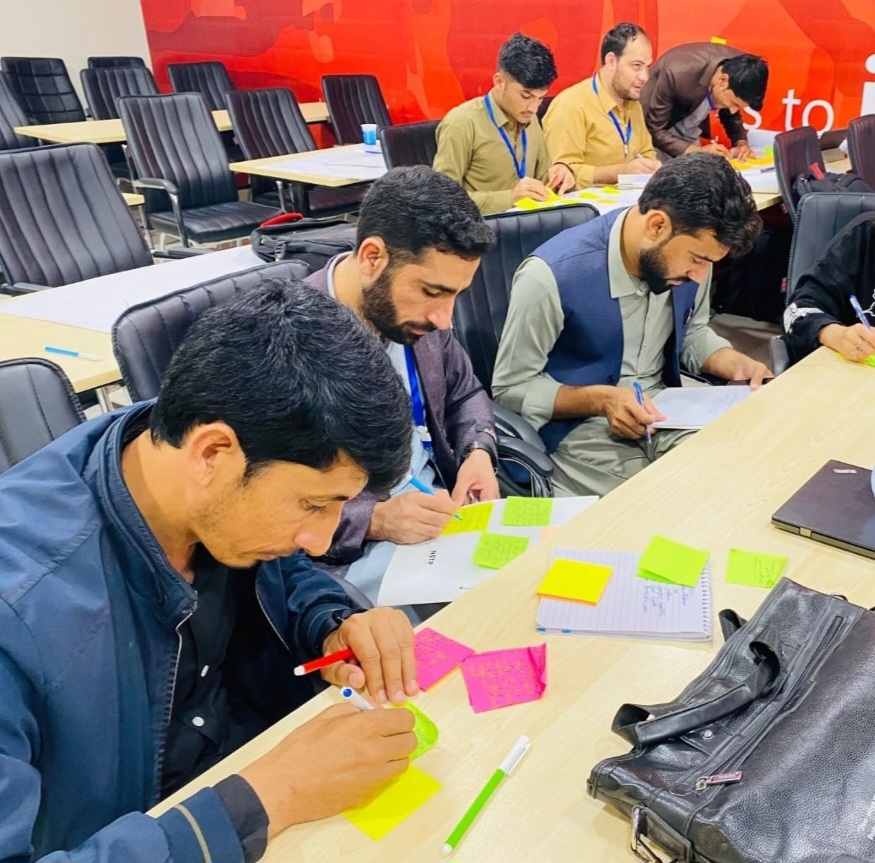
For refugee graduates like Ruaf, document attestation is not only an administrative requirement but also a crucial step for employment, further education, and the recognition of academic qualifications. Ruaf explained that the financial burden of completing the entire attestation process has also become a major challenge. "To complete the process, students have to get documents attested from matriculation up to university level through different educational boards and the Afghan Consulate," he said. “The overall cost can exceed Rs 50,000, which is beyond the reach of many refugee students.”
He added that students returning to Afghanistan without properly attested educational documents may face difficulties in having their qualifications recognized. "If we return without attested documents, our education may not be accepted there," he said. “Years of hard work could go to waste.”
Ruaf appealed to the Government of Pakistan to allow Afghan refugee graduates to attest their educational documents using PoR cards, arguing that they had been admitted to educational institutions under the same legal status. "It was already difficult for refugee students to complete university education in Pakistan," he said. “Now thousands of graduates are facing another obstacle. We request the government to allow degree attestation through PoR cards because this is a question of our future and our educational journey.”
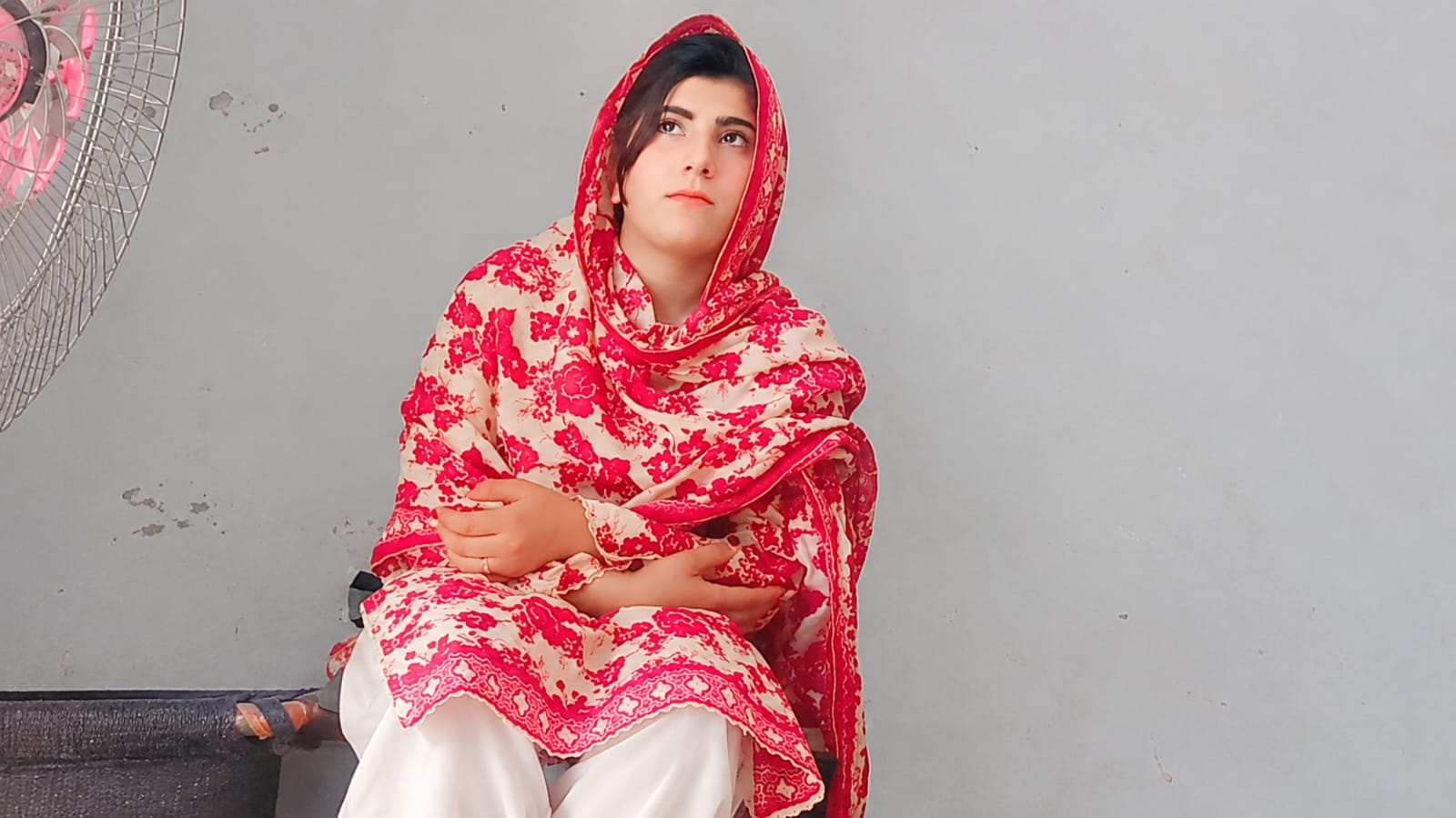
Among those facing similar difficulties is 24-year-old Muqadas Ahmadzai, who recently graduated from the Department of Computer Science at Abasyn University, Peshawar. Speaking to TNN, Muqadas said pursuing higher education as an Afghan refugee woman required years of commitment and determination. "For an Afghan female, it is very difficult to reach university," she said. “I was born and raised in Pakistan and completed my education here after many struggles.”
She said her family is planning to return to Afghanistan following recent government policies, but her educational documents remain unattested. "I also took admission using my PoR card and completed my BS degree," she explained. “Now, when I want to get my degree attested through HEC, I am asked to provide a valid passport and visa. Obtaining these documents is extremely difficult.”
According to Muqadas, the uncertainty surrounding document attestation has placed many refugee graduates in a difficult position. "If I go to Afghanistan without attested documents, all my dreams and my educational journey will be wasted," she said.
The issue affects not only individual graduates but also many Afghan refugee students who completed their education in Pakistan after gaining admission with PoR cards issued under Pakistan's refugee registration system.
According to the students interviewed by TNN, thousands of Afghan graduates have been waiting since September 2025 for a policy that would once again allow educational documents to be attested using PoR cards. They say the current requirements have left many unable to pursue employment opportunities, higher studies, or relocate with officially recognized academic credentials.
The concerns have also emerged against the backdrop of Pakistan's Illegal Foreigners Repatriation Plan (IFRP) announced in 2023, under which many Afghan families have either returned or are preparing to return to Afghanistan. Graduates interviewed by TNN said that while they completed their education legally using documents accepted by educational institutions, they are now facing new requirements at the attestation stage.
Responding to the issue, an HEC representative told TNN that the policy regarding the attestation of Afghan refugee students' educational documents changed after September 2025. According to the official, Afghan refugee graduates can no longer apply for degree attestation using Proof of Registration (PoR) cards. Instead, applicants are required to submit their applications online using a valid passport and visa. The representative further stated that many applications submitted by Afghan refugee graduates using PoR cards have been rejected because they no longer meet the current attestation requirements.
For graduates such as Ruaf Jan and Muqadas Ahmadzai, however, the issue remains unresolved. They say they completed their education under one set of admission requirements but now face different documentation requirements at the final stage of validating their academic qualifications.
As thousands of Afghan refugee graduates continue to wait for clarity on the policy, many say their academic credentials—and the opportunities attached to them—remain in limbo until a solution is found for the attestation of degrees obtained through Pakistani universities.
.jpg)

.jpeg)
.jpeg)
2 Comments
psychologist
Yes exactly that's right, a lot of Afghan refugee students face this issue.