


.jpeg)
Climate change is no longer a distant environmental concern—it is an unfolding global emergency. Rising temperatures, devastating floods, prolonged droughts, melting glaciers, and biodiversity loss are affecting millions of people every year. According to the Intergovernmental Panel on Climate Change (IPCC), human activities, particularly the burning of fossil fuels and deforestation, are the primary drivers of global warming.
While the consequences are worldwide, countries like Pakistan are paying a disproportionately high price despite contributing less than one percent of global greenhouse gas emissions.
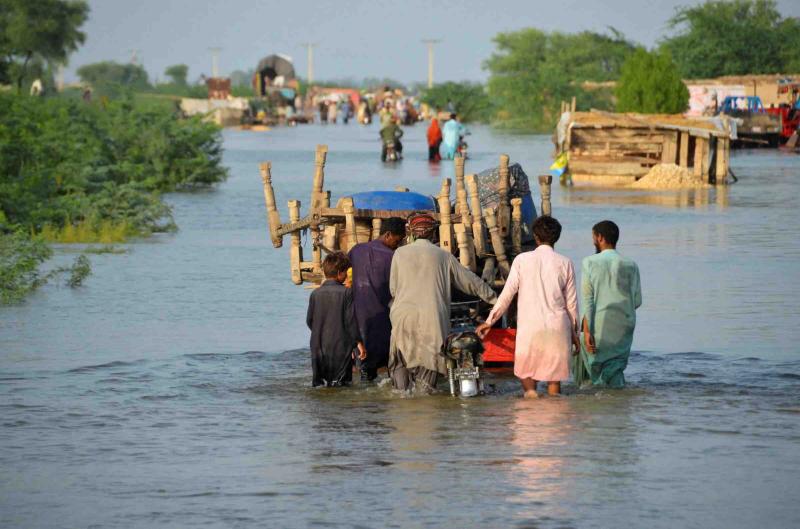
Pakistan has become one of the world's most climate-vulnerable nations. The catastrophic floods of 2022, which affected more than 33 million people and caused economic losses estimated at over US$30 billion, demonstrated the country's growing exposure to extreme weather events.
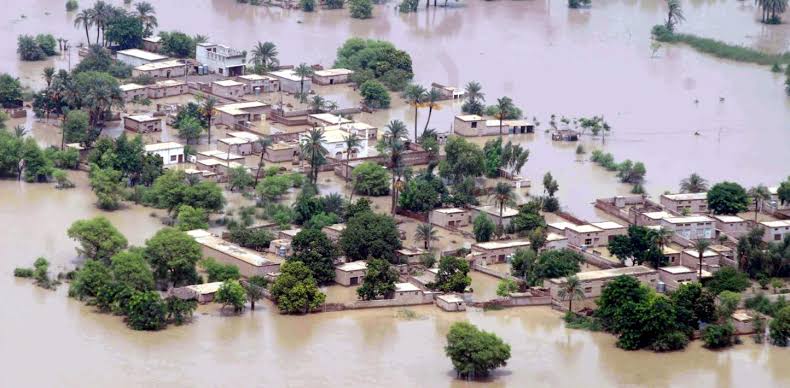
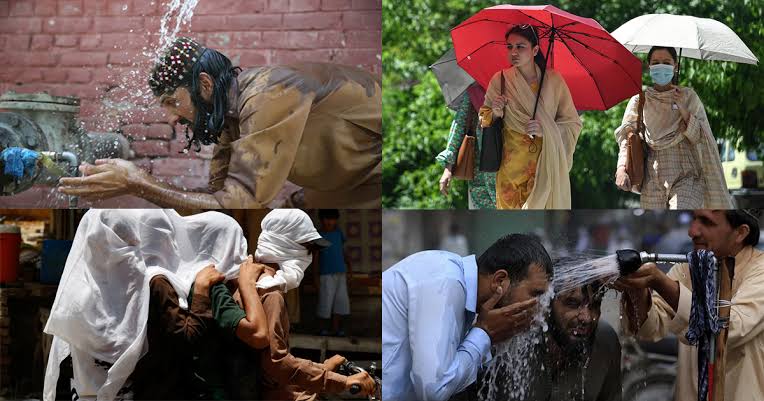
More recently, recurrent monsoon flooding, cloudbursts in Khyber Pakhtunkhwa and Gilgit-Baltistan, and heatwaves have reinforced the urgent need for climate adaptation and disaster preparedness.
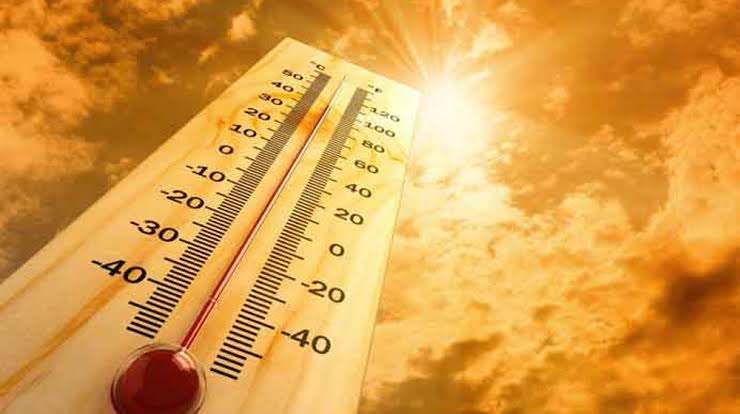
Scientists warn that global temperatures have already risen by approximately 1.3–1.5°C above pre-industrial levels, bringing the world dangerously close to the threshold set under the Paris Agreement. Rising temperatures accelerate glacier melt, increase sea levels, intensify rainfall, and disrupt agricultural production. For Pakistan, where agriculture remains a major pillar of the economy, these changes threaten food security, livelihoods, and long-term economic stability.
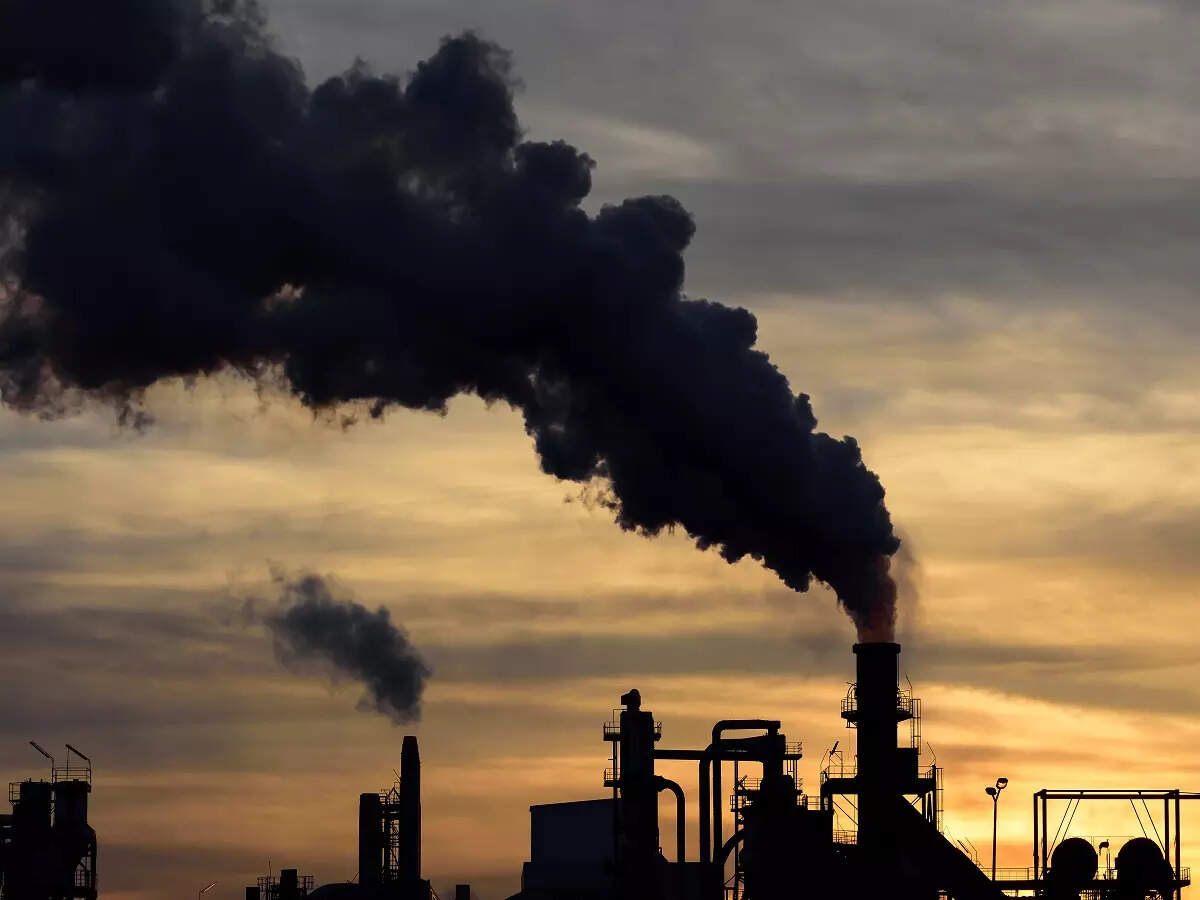
The causes of climate change are well established. Fossil fuel combustion releases greenhouse gases such as carbon dioxide, trapping heat in the atmosphere.
Deforestation further compounds the problem by reducing the Earth's capacity to absorb carbon emissions.
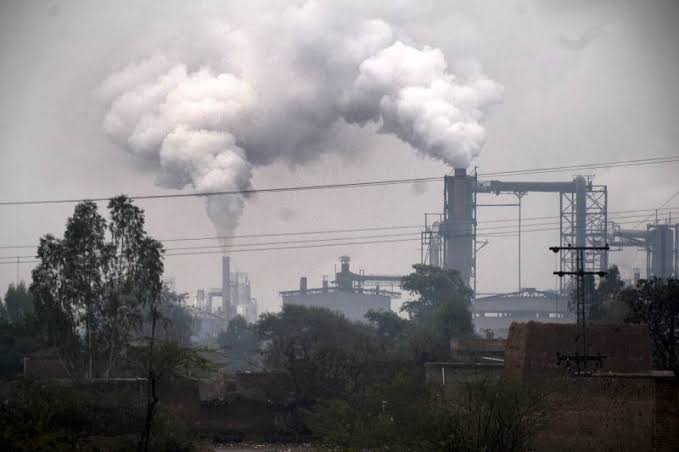
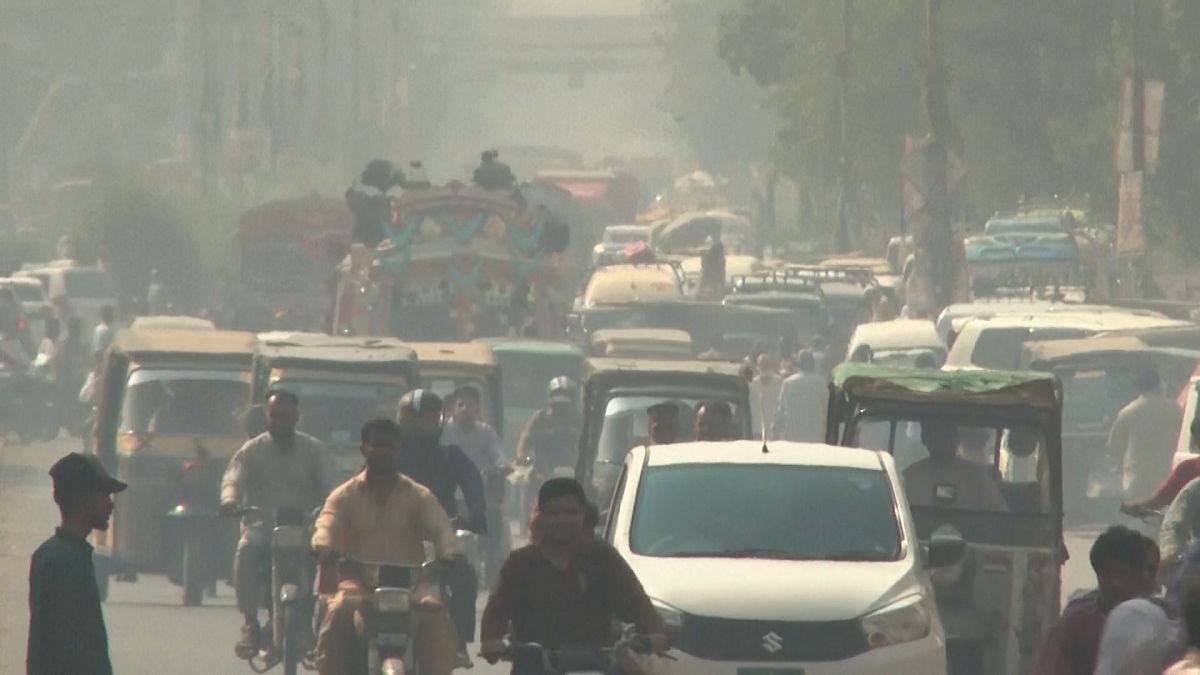
Pakistan's forest cover remains significantly below international recommendations, making afforestation and ecosystem restoration essential components of national climate policy. Similarly, emissions from transport, industry, and outdated technologies continue to add pressure on an already fragile environment.
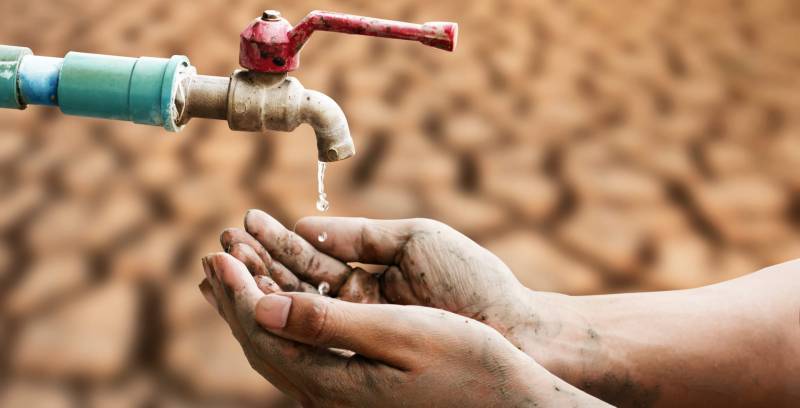
Beyond environmental destruction, climate change is rapidly becoming a security challenge. Water scarcity, displacement, infrastructure damage, and competition over natural resources are increasingly viewed as potential sources of future instability.
Climate-related disasters also impose enormous financial burdens on developing economies, diverting resources from education, healthcare, and economic development.
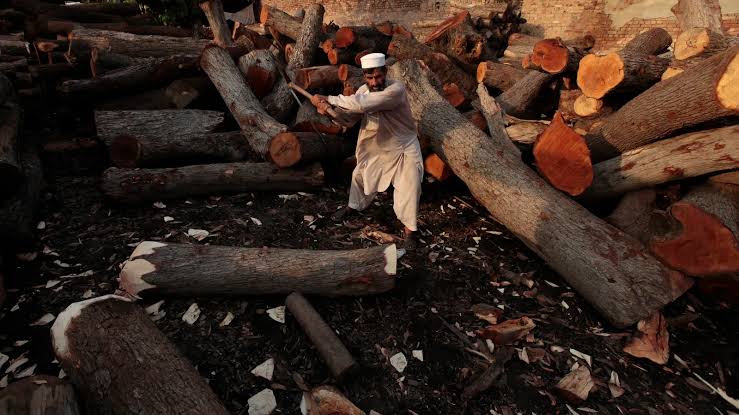
Addressing the crisis requires both domestic reforms and stronger international cooperation. Pakistan must accelerate investment in renewable energy, modernize urban drainage systems, strictly regulate construction in flood-prone areas, expand forest cover, and strengthen early warning systems for extreme weather. Public awareness campaigns, scientific research, and climate-resilient infrastructure should become national priorities.
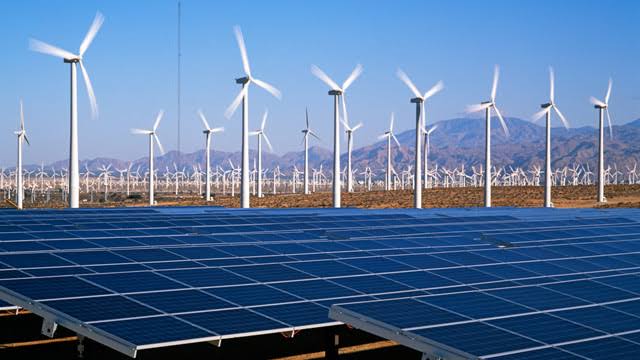
At the global level, climate justice must remain central to international negotiations. Developing countries that contribute little to global emissions should receive greater financial and technological support to adapt to climate change. Wealthier nations, responsible for the majority of historical emissions, have a greater responsibility to reduce greenhouse gases and fulfill their climate finance commitments under international agreements.
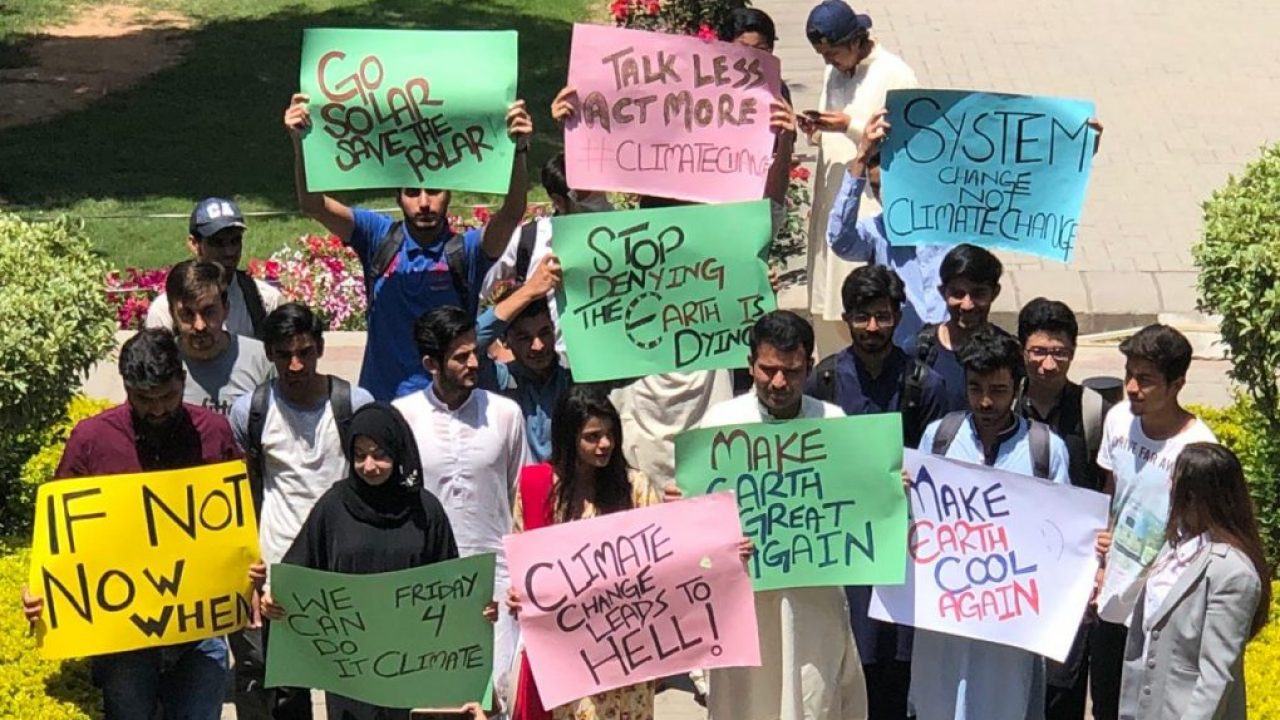
Climate change represents one of the defining challenges of the twenty-first century. Pakistan's experience illustrates how vulnerable nations are bearing the heaviest consequences of a crisis they did little to create. The choice before policymakers is clear: invest today in sustainable development, environmental protection, and climate resilience—or face increasingly severe humanitarian and economic disasters in the decades ahead. The time for decisive climate action is now.
.jpeg)
.png)
1.jpeg)


Comments
No comments yet. Be the first 🙂