


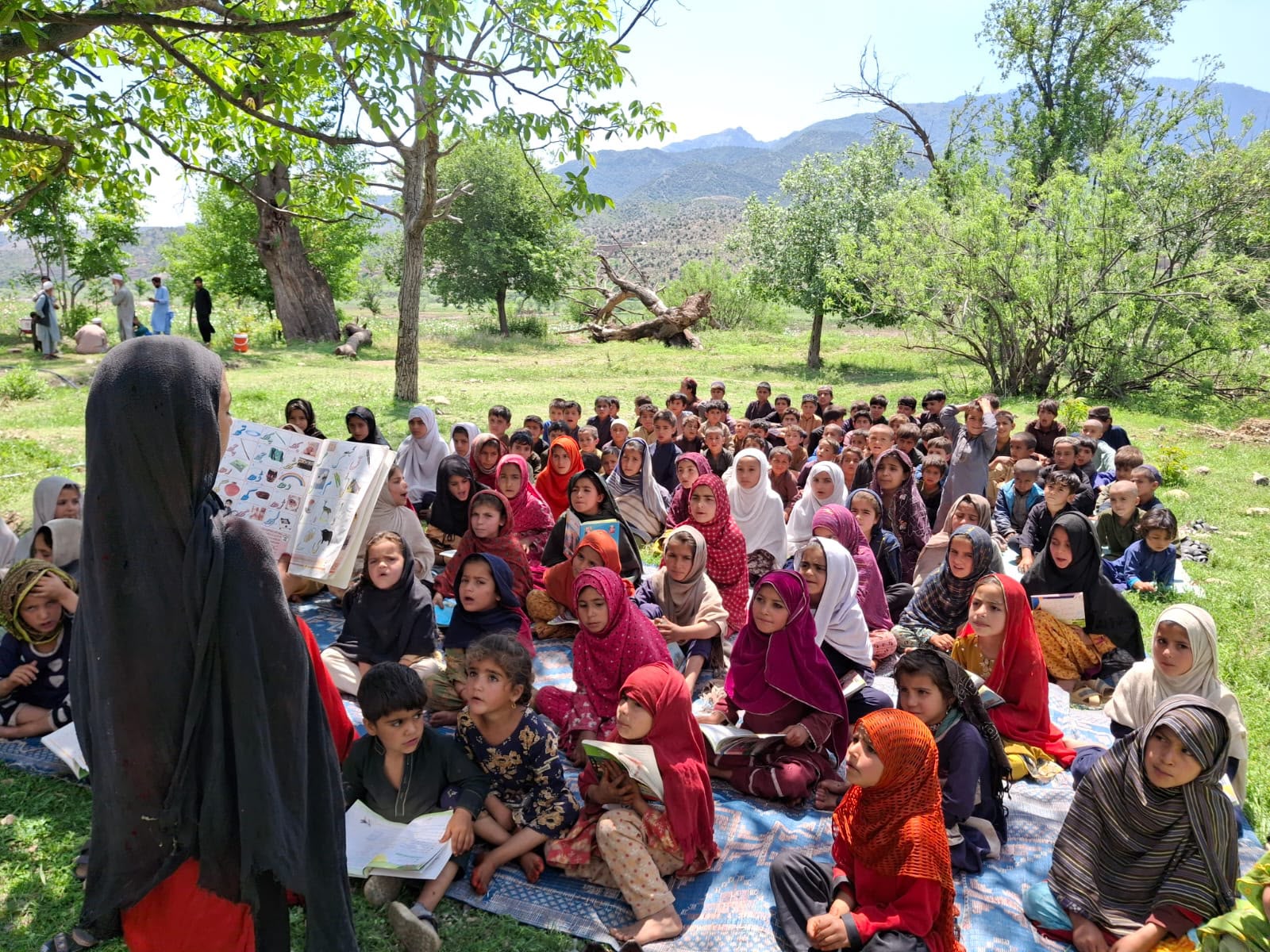
The "Literacy for All in FATA" project, launched in 2016 to provide education to out-of-school children in the former tribal districts, has once again run into financial and administrative difficulties.
A total of 269 male and female teachers associated with the project have not received their salaries for nearly three years, while the educational future of more than 18,000 students enrolled in 191 operational Community-Based Education (CBE) centres remains uncertain.
Meanwhile, the Khyber Pakhtunkhwa Elementary and Secondary Education Department says efforts to shift the project to the current budget are being expedited. If all procedural requirements are completed on time, teachers may receive their outstanding salaries by mid-August 2026.
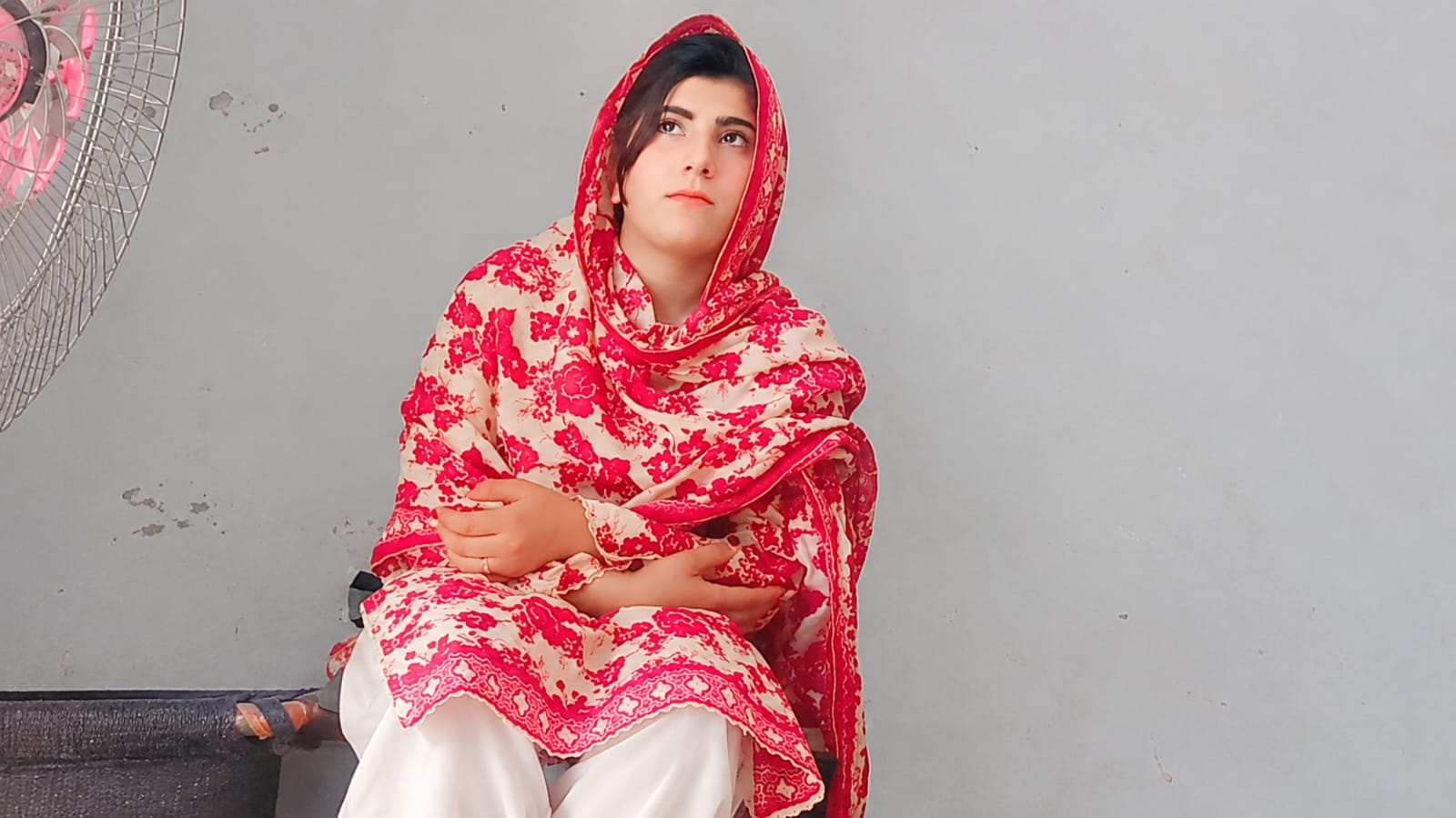
Speaking to Tribal News Network (TNN), Zehra Bibi (pseudonym), a teacher from Parachinar in Kurram district, said she has been serving at a Community-Based Education Centre for the past eight years, where around 70 girls are currently enrolled. She said several students who completed their education at the centre have gone on to higher educational institutions, but teachers have not been paid for nearly three years.
She said she travels daily by taxi from Parachinar city to a remote village where the centre is located, paying transportation costs out of her own pocket. The suspension of salaries, she added, has caused severe financial hardship.
According to her, multiple complaints were submitted to the Chief Minister's Complaint Cell, but no effective response was received. She urged the government to release the pending salaries immediately to ease the difficulties faced by teachers.
Hafsa Begum (pseudonym), a teacher serving in Utman Khel tehsil of Bajaur district, told TNN that her salary has remained unpaid for the past 34 months. She recalled that when the project was launched in 2016, many parents in the area were reluctant to send their daughters to school.
Teachers formed women's committees and went door to door to raise awareness among parents about the importance of girls' education, resulting in a significant increase in enrolment.
According to Hafsa Begum, many girls who graduated from these centres are now achieving remarkable academic success. She said one student, Sabeela, secured first position in her first-year examinations, while Saira Naimat Jan is continuing her education after earning outstanding marks in Grade 10.
She said teachers kept the light of education alive in some of the country's most underdeveloped areas despite limited resources, but the prolonged suspension of salaries has pushed hundreds of teachers into serious financial hardship.
Also Read : Peshawar High Court Rejects Temporary Stay Pleas of Two Former Afghan Generals
According to sources in the Merged Areas Education Foundation (MEAF), the "Literacy for All in FATA" project was launched in 2016 to provide basic education to children living in remote and underserved areas where no public or private schools were available.
Before the 25th Constitutional Amendment, the project was funded under the FATA Annual Development Programme (ADP). After the merger of the tribal districts, it continued under the supervision of the Khyber Pakhtunkhwa Elementary and Secondary Education Department through the Merged Areas Education Foundation (MEAF).
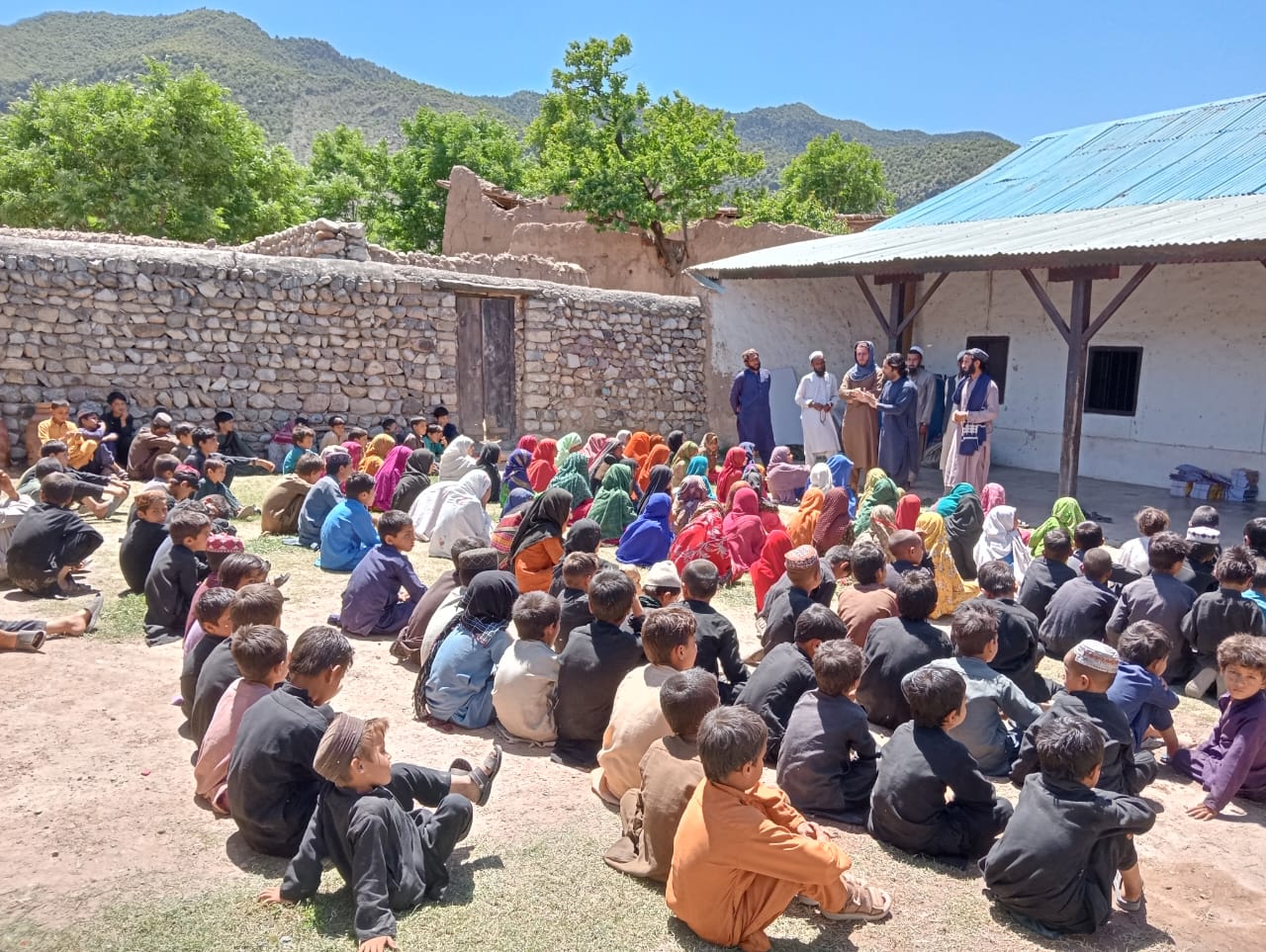
According to official figures, a total of 209 Community-Based Education (CBE) centres were established across the former tribal districts and sub-divisions, of which 191 are currently operational, while 18 have been closed for various reasons. These centres are located in Khyber, Bajaur, Mohmand, Kurram, Orakzai, North and South Waziristan, as well as Hasan Khel, Dara Adam Khel, Wazir Bannu, Bettani Lakki, Jandola, and Darazinda.
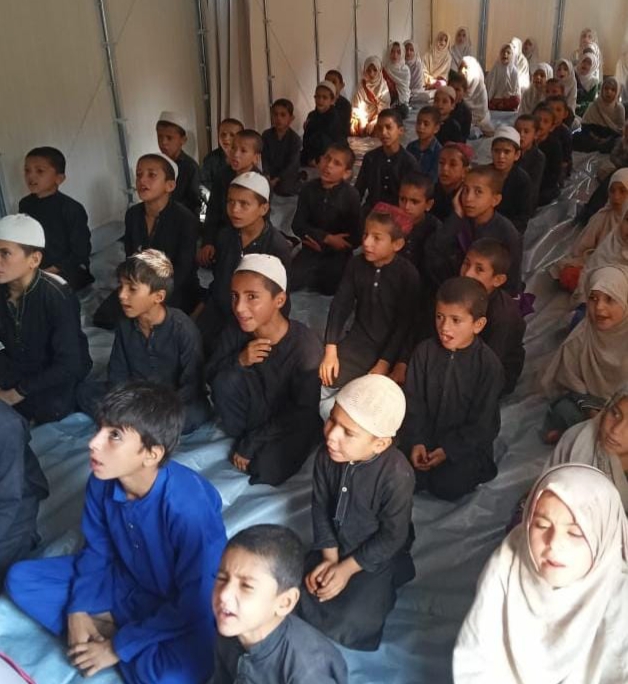
Under the project, 269 teachers and seven literacy supervisors are currently serving, the majority of whom are women. According to sources, the centres are providing education to more than 18,000 students, with girls making up the larger share of enrolment.
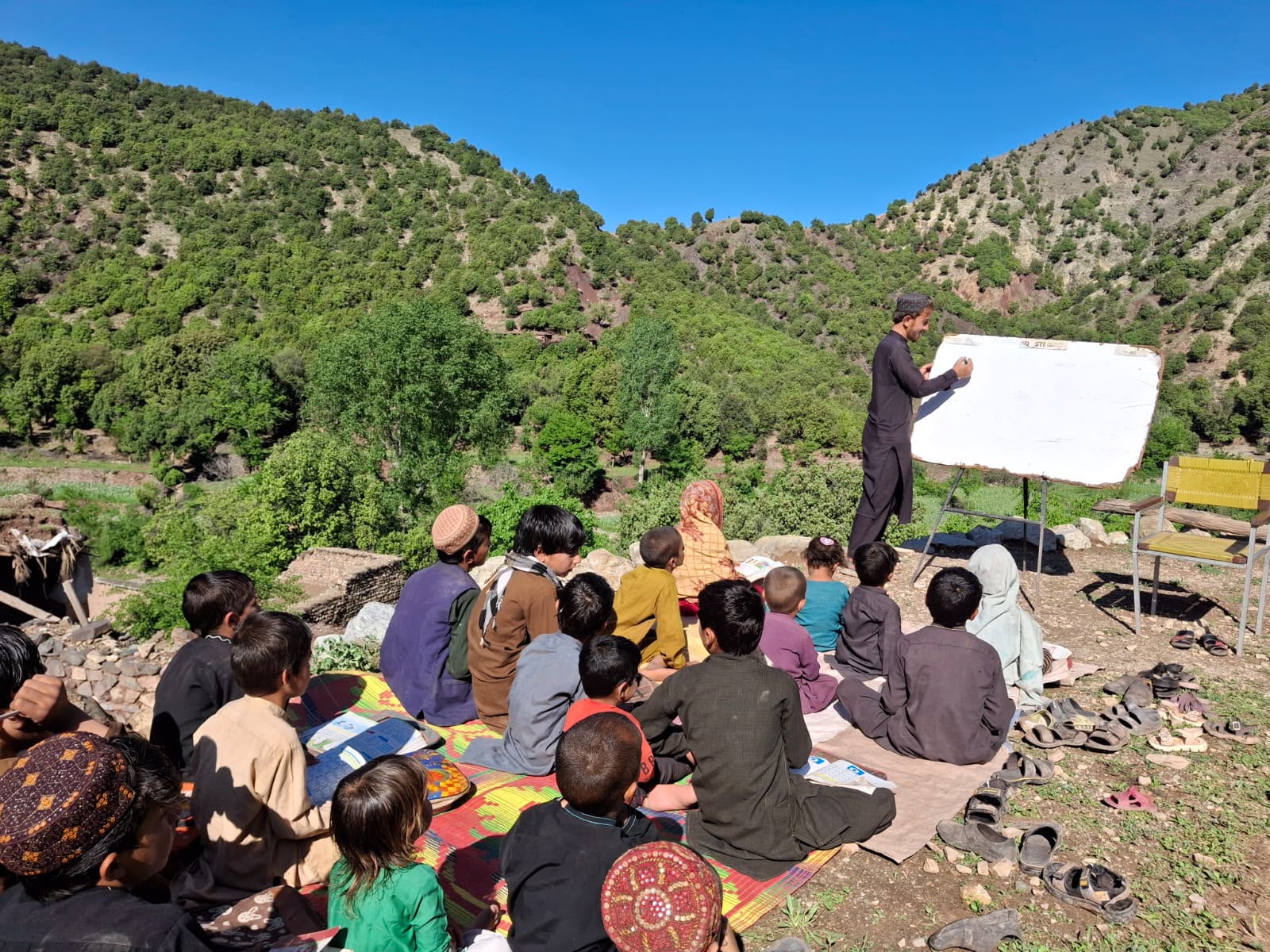
Most of the centres operate from houses or hujras provided free of cost by local communities, significantly reducing the government's operational expenses.
According to the Merged Areas Education Foundation (MEAF), the Khyber Pakhtunkhwa Education Department's own data shows that more than 1.2 million children in the merged tribal districts remain out of school. In such circumstances, Community-Based Education centres offer a cost-effective solution for providing basic education to these children.
The foundation further said that, just as community schools in the settled districts receive government and donor funding, this successful model in the former tribal districts should also be integrated into the regular government education system on a permanent basis.
Meanwhile, Zain Shah, Chief Planning Officer of the Khyber Pakhtunkhwa Elementary and Secondary Education Department, told Tribal News Network (TNN) that the government is accelerating efforts to shift the "Literacy for All in FATA" project to the current budget so it can continue on a permanent basis.
He said the project had previously failed to become part of the current budget because the Merged Areas Education Foundation (MEAF) had not submitted a formal proposal. However, after consultations with the Managing Director of MEAF, a revised PC-I has now been submitted to the Education Department.
According to Zain Shah, the updated PC-I will be sent to the Planning and Development Department on Monday so it can be placed before the Provincial Development Working Party (PDWP) for approval. He said the government's priority is to release all outstanding salaries of the project's teachers in a single payment, and if all administrative and financial procedures are completed on schedule, the dues could be paid by mid-August 2026.
He added that if the Merged Areas Education Foundation submits a comprehensive proposal to expand the project to additional areas, the government will also consider extending its scope. He said education and health remain among the government's top priorities, and all available resources are being utilised to provide quality education to children in the merged districts.
Teachers serving in the tribal districts and members of the local community say the project has become a beacon of hope for thousands of children who had remained deprived of education for years.
They have urged the government to permanently shift the project to the current budget, immediately release all outstanding salaries, and establish more Community-Based Education centres in remote areas to ensure that efforts to promote education in the former tribal districts continue uninterrupted.
.jpg)

.jpeg)
.jpeg)
Comments
No comments yet. Be the first 🙂