


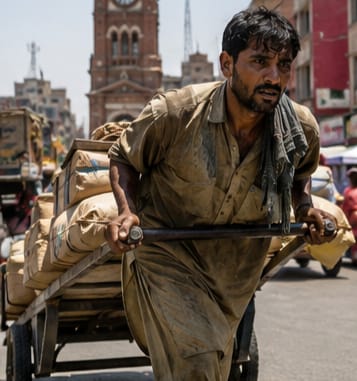
The streets around Peshawar's historic Clock Tower were already bustling, even though the morning had barely begun. The heat was already intense. Amid the constant noise of traffic, dust-filled air, and scorching sunshine, 44-year-old Ashraf Khan pushed his handcart through the crowded streets, drenched in sweat as he searched for work.
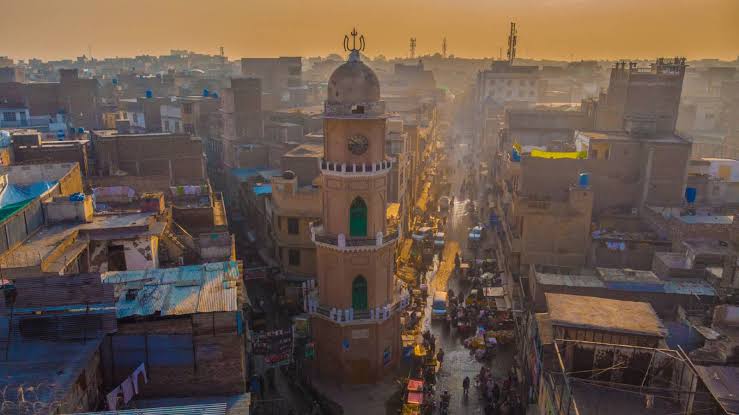
Sometimes he carries goods for shopkeepers, sometimes luggage for travelers, and at other times loads for traders. With every trip, his breathing becomes heavier, yet he never stops because he knows that if his cart does not move today, there may be no meal cooking at home by evening.
This is not just the story of one worker in Peshawar; it reflects the daily struggle of millions of labourers around the world who are caught between earning a livelihood and surviving in the face of worsening climate change.
Over the past few years, the world has experienced unprecedented heatwaves that have shattered temperature records spanning decades. Several European countries have faced devastating consequences, including extreme heat, wildfires, water shortages, and thousands of deaths linked to climate change.
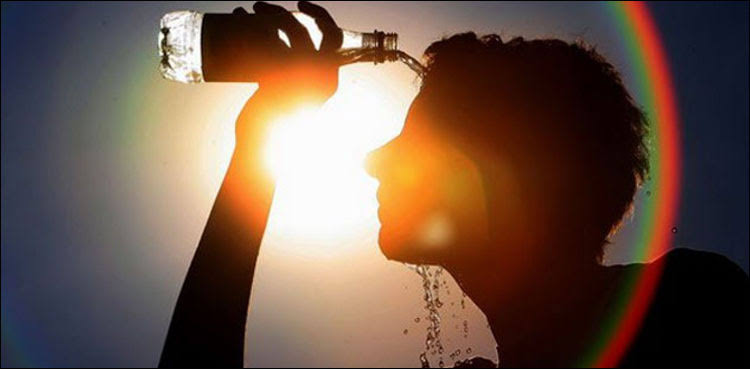
Governments in many countries have been forced to advise people to stay indoors, revise working hours, and declare heat emergencies. Experts continue to warn that if climate change continues at its current pace, extreme heat will increasingly become the new normal.
Pakistan is also among the countries experiencing the growing impacts of climate change. Rising temperatures and longer heatwaves are becoming more common, but the greatest burden falls on people whose livelihoods depend on working outdoors.
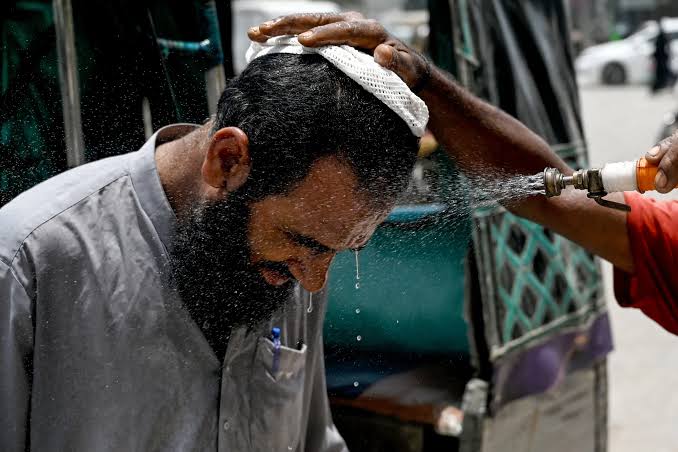
Construction workers, handcart pullers, street vendors, sanitation workers, traffic police officers, and delivery riders are compelled to work under the blazing sun every day, putting their health at risk to earn a living. For them, taking even a single day off is not simply an opportunity to rest—it can mean being unable to provide food, groceries, and other necessities for their families.
While statistics help explain the scale of extreme heat, its true impact is best understood through the lives of those who endure it every day.
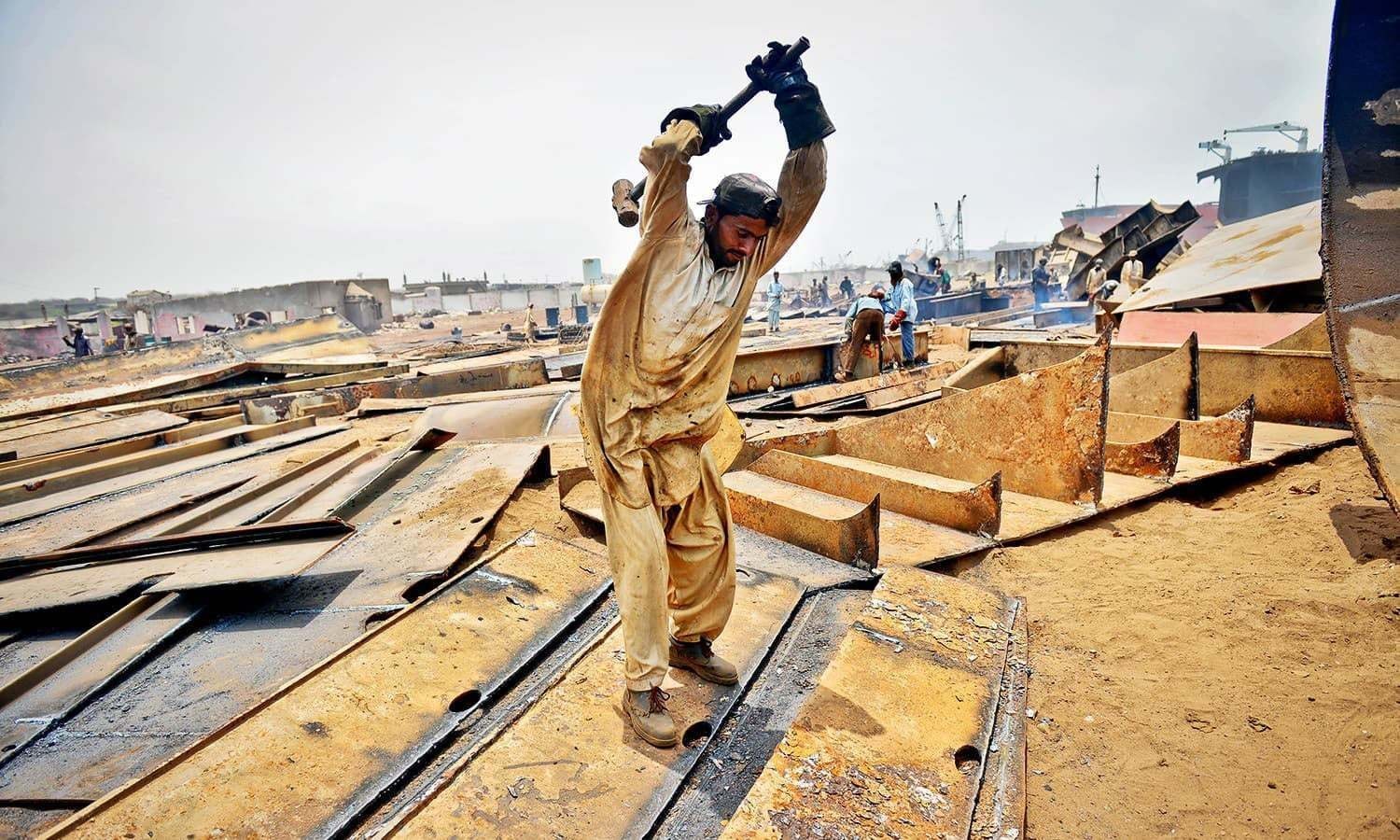
One of them is 44-year-old Ashraf Khan from Peshawar. He has been transporting goods on a handcart for the past 24 years and now spends most of his time working around the city's historic Clock Tower.
Ashraf says his day begins early in the morning and often lasts eight to ten hours, although work is not available consistently every day. During periods of intense heat or heavy rain, fewer people venture outside, resulting in fewer opportunities for daily labour.
Despite working all day, he says he earns only between PKR 1,000 and 1,500, and even this income has declined as temperatures have continued to rise.
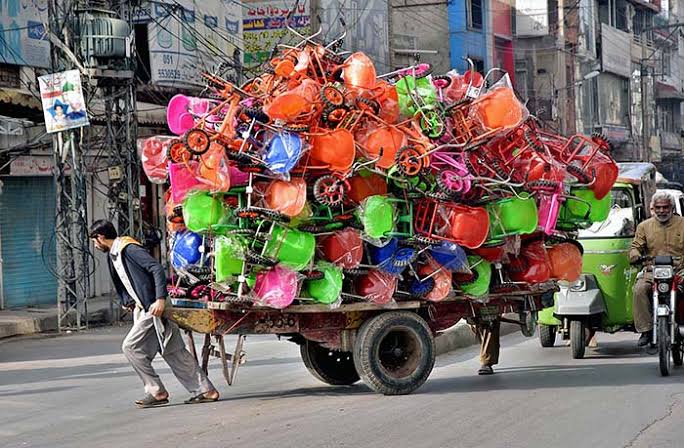
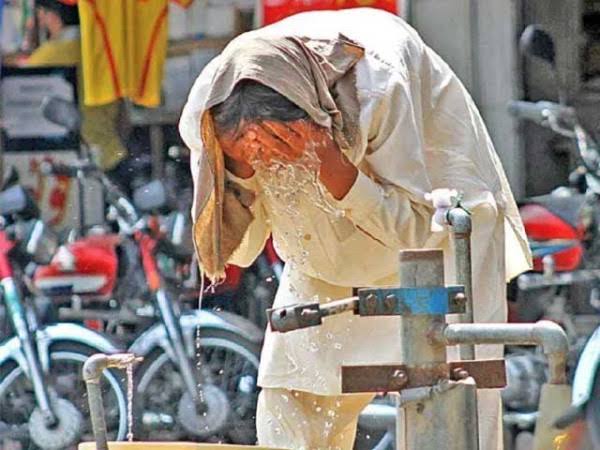
According to him, the heat not only affects his livelihood but also drains his physical strength. On several occasions, he has suffered dizziness, severe dehydration, and extreme weakness while working, forcing him to rest under the shade of a nearby shop. Only after drinking water is he able to resume pushing his handcart.
Recalling an incident from the last week of June, Ashraf says the extreme heat left him seriously ill. He began vomiting repeatedly, and one of his colleagues rushed him to Lady Reading Hospital in Peshawar.
Also Read : 'We are ready to return, but we need time': Afghan refugees call for a dignified exit
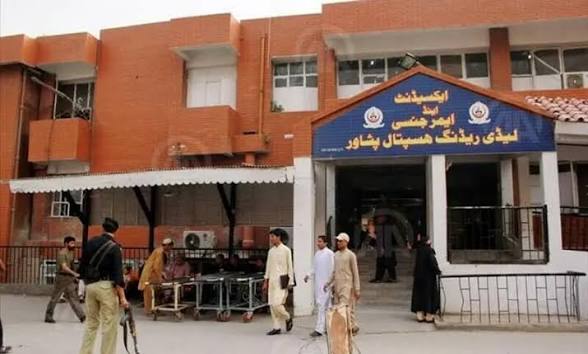
Doctors treated him, advised him to rest, and instructed him to drink plenty of water. However, he was able to stay home for only one day before returning to work because he had no other choice.
"If I don't work, who will provide for my children?" he says. “I can endure illness, but I cannot afford unemployment.”
Ashraf urges the government to provide clean drinking water, shaded rest areas, emergency medical assistance, and fair wages for labourers so they can earn a living without risking their lives in extreme heat. He says the current wages are no longer enough to support a family amid rising inflation.
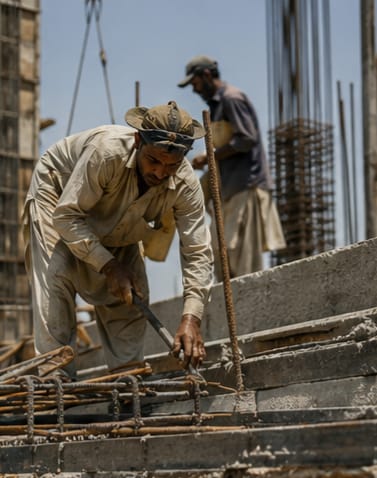
Construction workers face similar challenges every day, spending long hours under the open sky while working with scorching steel bars and heated concrete.
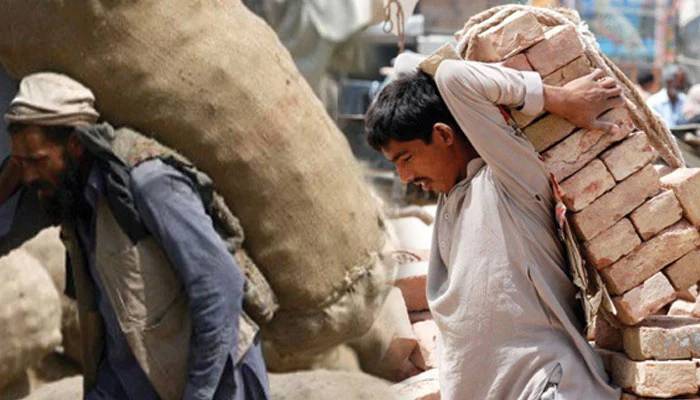
Forty-nine-year-old Sardar Ali from Mardan has worked in the construction sector for many years. He says working in extreme heat becomes more difficult with each passing year.
According to him, severe headaches, dizziness, dehydration, unusual fatigue, sunburn, and difficulty breathing have become routine during the hottest hours of the day. There have been many occasions when he felt his body had no strength left to continue, but the need to earn a daily wage forced him back to work.
Sardar Ali says that most construction sites provide only limited drinking water, while shaded rest areas, first aid, oral rehydration salts (ORS), cold water, and other protective facilities are generally unavailable. If workers are fortunate enough to find some shade on their own, they rest briefly; otherwise, they remain exposed to the sun.
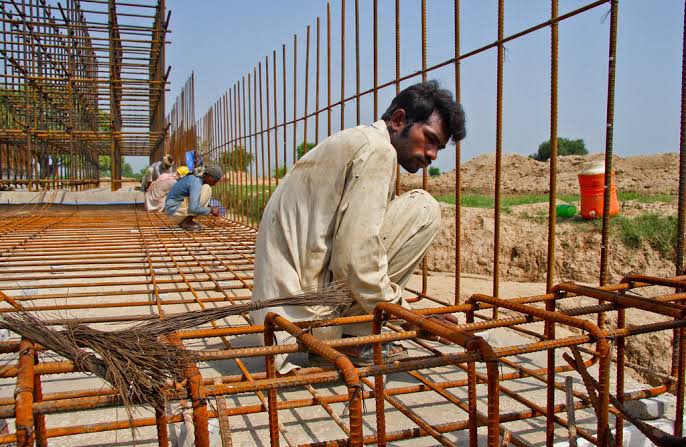
Since his income depends entirely on daily wages, stopping work because of extreme heat immediately affects his household budget. Even taking a single day off makes it difficult to pay for groceries, electricity bills, and other essential expenses. As a result, many labourers continue working despite the risks to their health.
Sardar Ali believes the government and relevant authorities should revise working hours during periods of extreme heat. He suggests construction work should be carried out from 6:00 a.m. to 11:00 a.m. and again from 4:00 p.m. to 7:00 p.m., while work should be suspended between 11:00 a.m. and 4:00 p.m., when temperatures reach their highest levels.
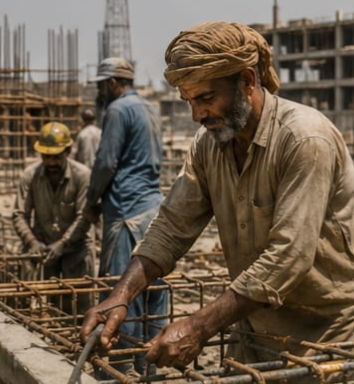
He demands that every construction site be required to provide cold drinking water, oral rehydration salts (ORS), first-aid facilities, shaded tents, and at least a 15-minute rest break every two hours.
The challenges faced by workers during extreme heat are not limited to their personal experiences. Medical experts also warn that the situation could worsen significantly if timely protective measures are not implemented.
Dr. Muhammad Waseem, a medical specialist from Mardan, says that rising temperatures do not only cause physical exhaustion but also affect the body's vital organs. According to him, labourers who work outdoors are among the most vulnerable because they spend long hours under direct sunlight.
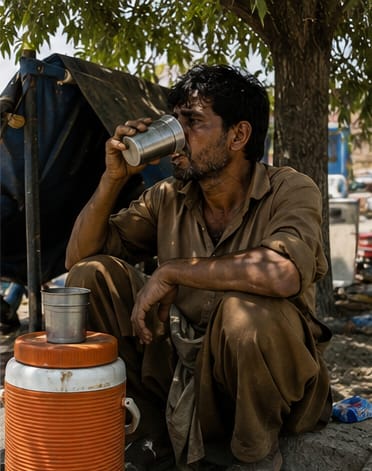
He explains that workers exposed to extreme heat commonly suffer from heat exhaustion, heatstroke, severe dehydration, sunburn, muscle cramps, dizziness, fainting, and extreme fatigue. Prolonged exposure to the sun can raise the body's temperature to dangerous levels, potentially damaging the heart, kidneys, and brain.
Dr. Waseem describes heatstroke as the most dangerous heat-related condition, occurring when the body loses its ability to regulate its temperature. Patients may experience confusion, a rapid pulse, unconsciousness, and severe weakness. Without immediate medical treatment, the condition can become life-threatening.
He says hospitals receive numerous patients during the summer who require urgent treatment for heat-related illnesses or severe dehydration.
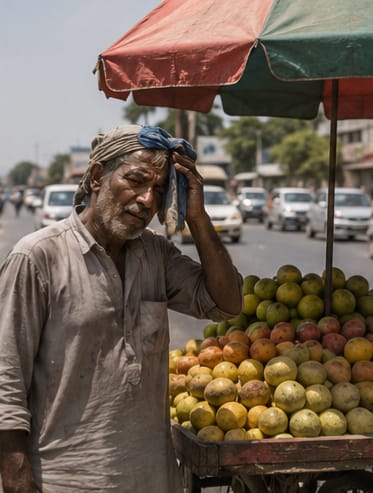
As first aid, he recommends moving the affected person immediately to a shaded or cool place, cooling the body, providing water or ORS, and taking the patient to hospital without delay if their condition does not improve.
Dr. Waseem advises workers to drink water or ORS regularly, wear light-coloured cotton clothing, cover their heads with a cap or cloth, take breaks whenever possible, and stop working immediately if they experience dizziness, nausea, or weakness.
He also urges the government to ensure the availability of clean drinking water, shaded rest areas, first-aid facilities, and other basic heat-protection measures at workplaces.
Meanwhile, Dr. Fayyaz Amin, a lecturer in Environmental Sciences at the University of Swat and a PhD scholar, explains that a heatwave occurs when temperatures remain consistently above normal, nights fail to cool down significantly, and hot winds continue to blow.
He says the impacts of heatwaves extend beyond humans, affecting plants, animals, and entire ecosystems. However, the most severe effects are felt by older people, children, pregnant women, and workers who spend long hours outdoors.
According to Dr. Amin, handcart pullers, construction workers, street vendors, traffic police officers, and other labourers work for hours under direct sunlight, exposing not only their skin but also vital organs—including the stomach, heart, and kidneys—to heat-related damage. Prolonged exposure also contributes to mental stress, fatigue, and reduced productivity.
He adds that several factors are contributing to the increasing intensity of heatwaves in Pakistan, including rising global temperatures, continued greenhouse gas emissions, deforestation, increased plastic use, industrial pollution, and emissions from motor vehicles.
"In the past, periods of intense heat were often followed by rainfall," he says. “However, changes in weather patterns have made this much less common. The shortage of trees, particularly in the plains, has further increased temperatures and intensified heatwaves.”
Dr. Amin says that if the government wants to protect workers, it should establish shaded tents at workplaces, ensure access to clean and cold drinking water, provide regular rest breaks, set up heatwave help desks, and establish dedicated heatwave treatment centres in hospitals.
He also stresses that changing working hours for construction and other outdoor jobs during periods of extreme heat is essential to protect workers' lives.
While experts continue to advocate preventive measures and stronger public policies, labour rights organisations argue that these recommendations must now be translated into concrete action.
Syed Waqar Ali Shah, General Secretary of the United Municipal Workers Union (Registered), City Metropolitan and All TMAs Peshawar, says that dehydration and heatstroke are the greatest risks faced by workers during extreme heat. Unfortunately, labour protection laws for workers in the informal sector are still poorly enforced.
According to him, many private-sector labourers work the standard eight-hour day under the government's labour framework but are still denied fair wages, allowances, pensions, and other basic employment rights. He says the exploitation of workers remains a serious issue at many workplaces.
He says that in government institutions, workers assigned additional duties during occasions such as Muharram, Eid Milad-un-Nabi (PBUH), Christmas, and Easter are provided meals or food allowances. Similarly, certain field activities are suspended during emergencies such as heavy rainfall. However, such facilities are not available everywhere.
According to Syed Waqar Ali Shah, his organisation remains in continuous contact with the government to push for effective heat protection laws for workers in Khyber Pakhtunkhwa.
He says the union aims to establish permanent shaded shelters for workers in different cities and workplaces, ensure the availability of clean and cold drinking water, provide first-aid facilities at every worksite, and effectively enforce a policy suspending outdoor work between 12:00 p.m. and 3:00 p.m. during periods of extreme heat.
He further says that the union is also urging the government to introduce a heat allowance for workers, provide all labourers with health cards and insurance coverage, and conduct regular inspections of private workplaces to ensure that workers' fundamental rights are protected.
"Our continuous effort is to ensure that workers receive relief as soon as possible," he says. “We also want their wages to be increased and their working hours revised so that they can enjoy greater protection in the future.”
Experts warn that the impacts of climate change are likely to intensify in the coming years. However, they believe that timely planning, effective legislation, and appropriate safety measures can significantly reduce these risks.
As temperatures continue to rise, it is not only the weather that changes. The lives, health, and livelihoods of millions of workers are also put to the test.
If safe working environments, access to clean drinking water, shade, medical facilities, and improved working hours are not ensured for these workers today, they will continue to bear the heaviest cost of climate change—even though they are not responsible for causing the crisis, they are the ones carrying its greatest burden.
.jpeg)
.png)
1.jpeg)
Comments
No comments yet. Be the first 🙂