



Whenever news breaks anywhere in the world, a journalist often has to put their life, freedom and professional safety at risk to bring it to the public. However, journalism today faces challenges beyond the dangers encountered in the field. In an ever-changing media landscape, journalists’ job security and professional future have also become major concerns.
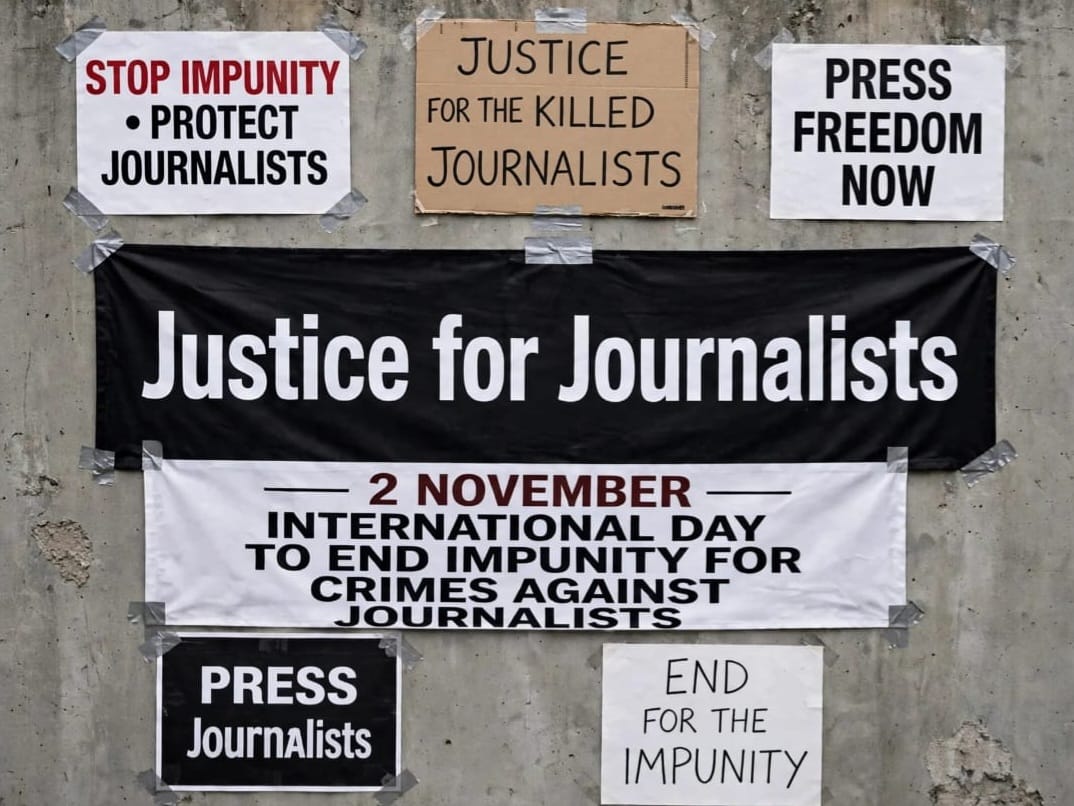
November 2 is observed worldwide as the International Day to End Impunity for Crimes Against Journalists. The United Nations General Assembly declared this day in 2013. The date was chosen in memory of two French journalists who were killed in Mali on November 2, 2013.

According to UNESCO, more than 1,600 journalists were killed worldwide between 2006 and 2025, while nearly six out of every seven cases remain judicially unresolved. During 2024 and 2025 alone, 189 journalists lost their lives in violent incidents.
Journalists in Pakistan also face challenges such as killings, threats, harassment, unpaid salaries and job losses.
According to the International Federation of Journalists’ 2025-26 report, three journalists were killed in Pakistan between May 2025 and April 2026 because of their work. The report also highlights widespread job cuts and delays in salary payments across media organisations.
However, another major challenge facing journalism is the rapidly changing digital media landscape. It has not only transformed the ways news is produced and delivered but has also raised questions about journalists’ employment, professional identity and the importance of journalism education.
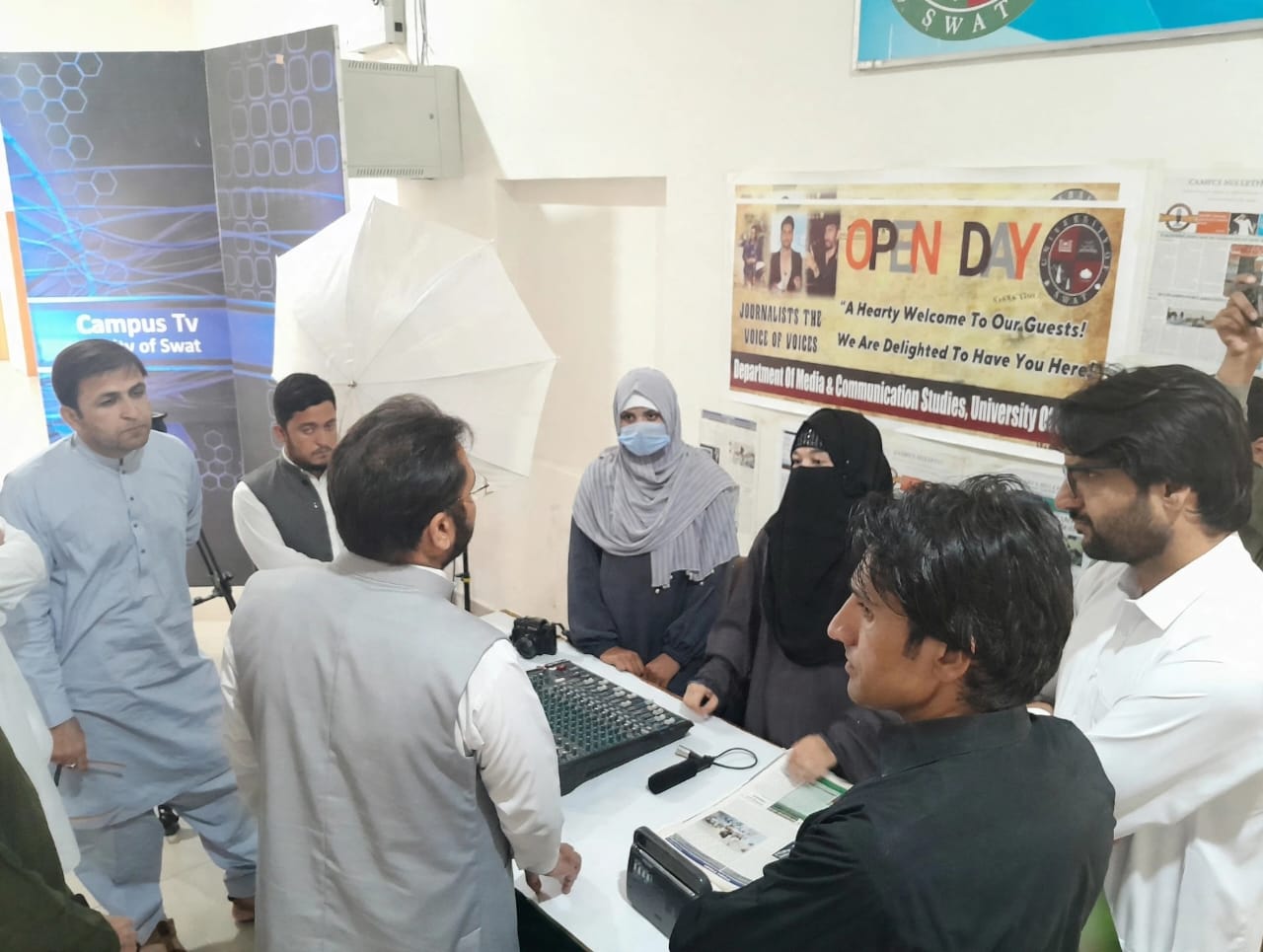
These questions also came under discussion recently at the admission desk of the University of Swat, where a conversation began between professors and a group of students during the admission process for journalism programmes.
Also Read : Between Love and Guilt: The Untold Stories of Mothers with Postpartum Depression
The discussion centred on a key question: When information is now widely available on social media and the internet, and anyone can record a video on their mobile phone and share it with the public, why is there still a need to pursue a degree in journalism?
Examples were also given of several well-known journalists who have been working in senior positions for the past 20 to 25 years without holding formal journalism degrees. This raised another question: Will journalism degrees remain relevant in the future, or will the very existence of journalism departments at universities come under threat?
This debate reflects the wider crisis facing journalism and those associated with the profession today. Senior journalist Mohib Khan, who belongs to Quetta, Balochistan, has closely witnessed the transition from traditional to digital media.
According to Mohib Khan, digital media has made journalistic processes easier and faster. Previously, journalists would return to their offices after reporting and covering an event, prepare a news draft and then have it edited, a process that took considerable time.

Now, journalists can prepare news stories while staying in their respective areas and immediately share them with the public through digital platforms. He says that traditional media had limitations in terms of the time and space available for news coverage. Television reports, for instance, had to be completed within just 90 seconds, whereas digital media does not impose similar restrictions on the length or space of content.
However, he believes this convenience has also created a major problem. Today, anyone can record a video, use artificial intelligence (AI) to write a few lines and publish the content on social media, presenting themselves as a journalist.
At times, even media organisations publish such unverified information on their platforms. There have also been instances where old news stories were presented as current events.
According to Mohib Khan, this trend has affected the professional identity and employment opportunities of journalists. Some media organisations have started giving preference to content available on social media instead of asking experienced journalists about their reporting. As a result, the hard work and professional abilities of these journalists are being overlooked.
He says one reason behind this situation is that some traditional media journalists have failed to adapt to new digital practices, while others disagree with the one-sided reporting trend prevalent on digital platforms.
According to him, traditional journalism placed importance on obtaining the views of all relevant parties and ensuring balanced reporting. However, digital platforms frequently publish stories that do not include the version of the other side.
Mohib Khan believes that mainstream traditional media may face even greater difficulties over the next two years. He says the digital era has also made things more challenging for newcomers entering journalism.
Everyone is presenting themselves as a journalist, and some media organisations do not even verify whether an individual holds a journalism degree or possesses relevant professional skills. In such circumstances, ordinary individuals get opportunities, while young graduates with journalism degrees and professional expertise, who understand the nature of news and journalistic principles, are overlooked.
He believes Pakistani media organisations should not consider social media popularity the only measure of competence. Instead, they should provide employment opportunities to young people with formal journalism education based on their skills, research abilities and sources.
This situation is not limited to experienced journalists. Young people pursuing journalism degrees are also uncertain about their professional futures.
Maleeha Mushtaq, a student at the Department of Journalism and Mass Communication at the University of Peshawar, believes it has become essential to understand the difference between an ordinary social media user and a professional journalist.
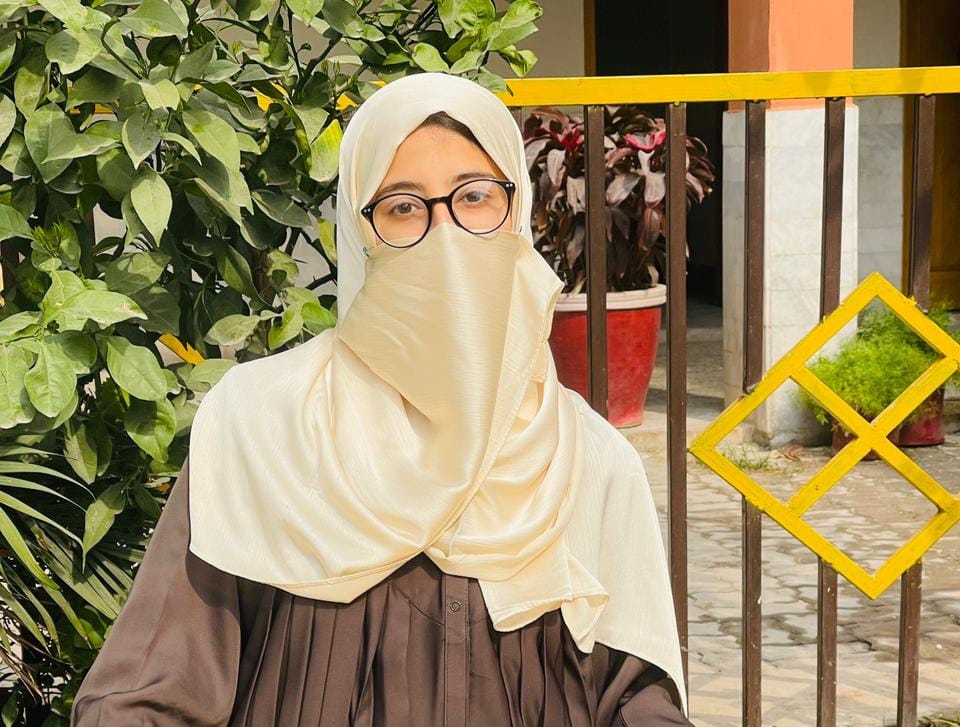
She says ordinary users often present their personal opinions or observations as information and sometimes share news without proper research or verification.
According to Maleeha, professional journalists investigate and verify information before publishing a story, obtain the views of different parties and present facts to the public. She believes that not everyone on social media can be called a journalist, as journalism has its own principles and responsibilities.
Regarding employment opportunities, Maleeha says digital media has shifted many traditional jobs online, saving time and resources while also creating new employment opportunities. However, this transition has created difficulties for people associated with certain traditional occupations, particularly those involved in newspaper distribution and sales.
As a student, she has not yet made a final decision about her future professional career.
On the other hand, Hala Noor, a fifth-semester student at the University of Peshawar, believes that professional journalists will not lose their importance despite the growth of digital media. Instead, their responsibilities will increase.
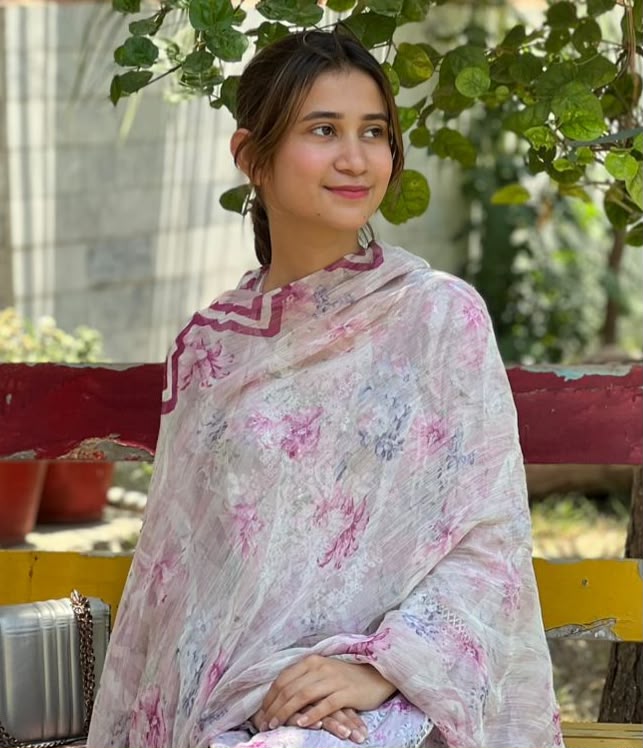
According to her, recording a video on a mobile phone and uploading it to social media does not constitute journalism. A journalist is also responsible for examining all aspects of a story, verifying information and obtaining the views of the relevant parties.
Hala Noor says a journalism degree and practical skills complement each other.
University education provides a foundation in journalistic principles, research and ethics, while skills such as video editing, digital reporting, camera work and social media management have become essential for working in modern media.
She believes that in the future, only those young people who combine their academic qualifications with an understanding of modern technological requirements will be able to succeed in journalism.
Meanwhile, Ghufranullah, a journalism graduate and gold medalist from the University of Swat, who has worked as a reporter for Roz News, UrduPoint, Shumal News and GGS News, believes that artificial intelligence and digital platforms will not eliminate the importance of journalism education. Instead, they will change its nature.
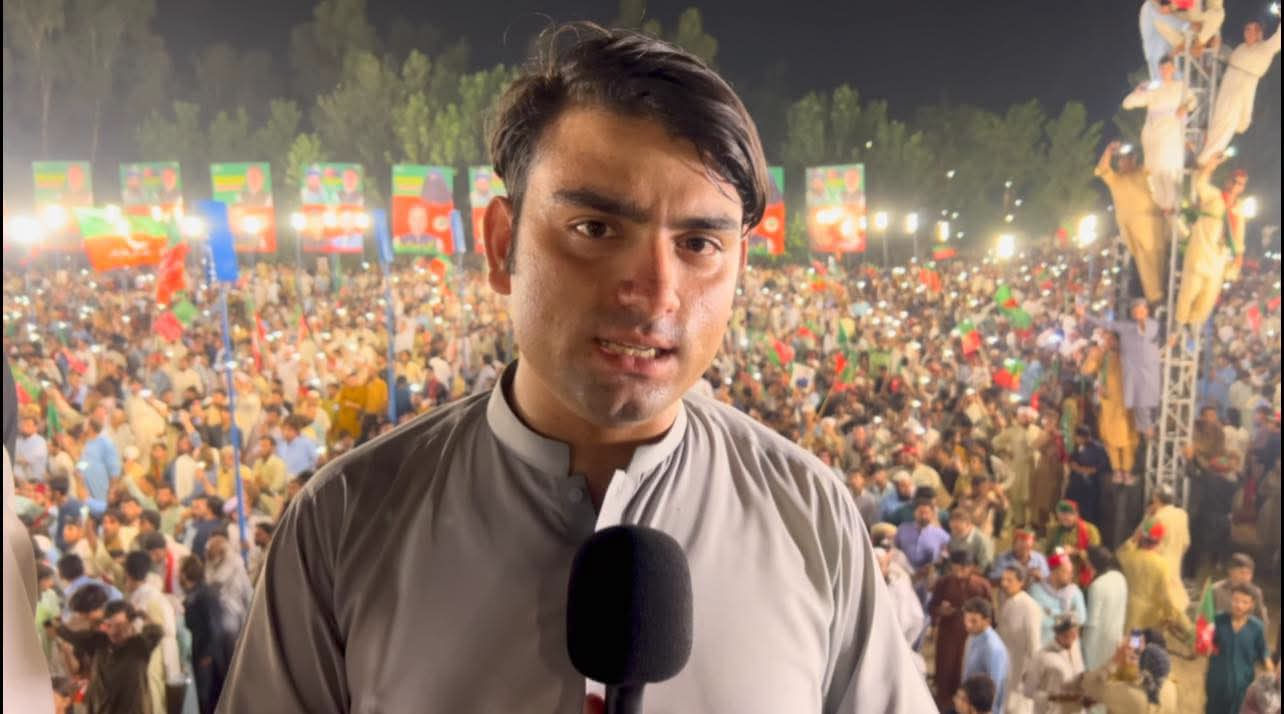
He says that modern media-related subjects are being taught at the University of Swat. However, students need better access to modern equipment, media laboratories, practical reporting opportunities and internships at media organisations.
According to Ghufranullah, journalism students should not rely solely on their degrees but should also develop skills such as mobile journalism, video editing, camera work, social media management and digital content production. He believes the future belongs to journalists who can combine the fundamental principles of journalism with modern technology.
However, the reasons behind job losses in journalism cannot be attributed solely to digital media. Economic difficulties faced by media organisations, rising operational costs and declining revenues are also major factors contributing to the crisis.
Mahmood Iqbal, editor of the Peshawar-based daily Pakhtunkhwa Bulletin, who was previously associated with the English-language daily Dawn, says the primary reasons behind journalists losing their jobs include the overall economic crisis, rising operational expenses of publishing organisations and administrative weaknesses.
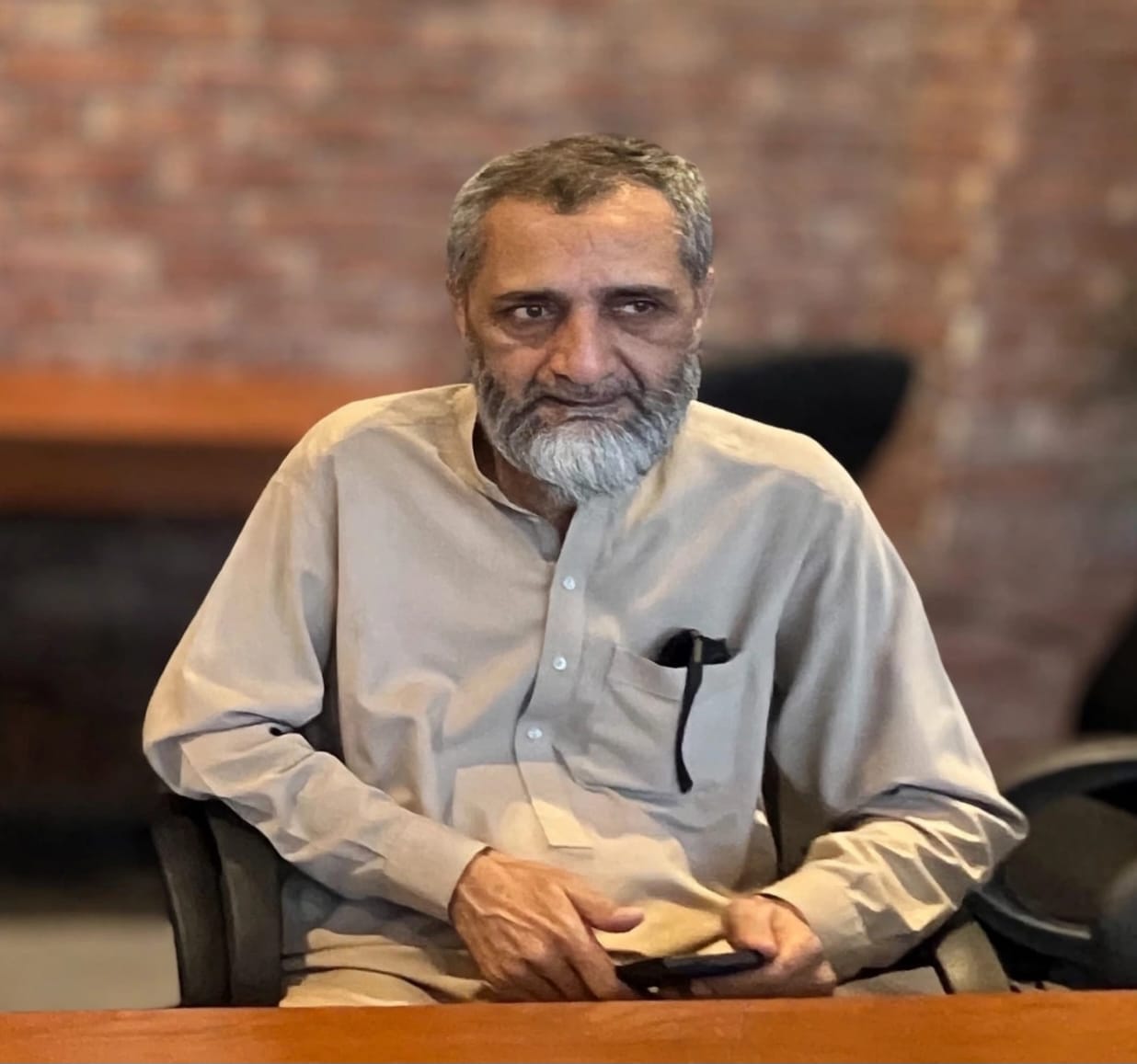
He says digital media has certainly affected the business models, revenues and audience habits of newspapers and television channels, but it is not the only reason behind job cuts.
The country's overall economic difficulties and poor financial planning by media organisations also play a significant role in this situation.
According to Mahmood Iqbal, media organisations should not fear the digital transformation but should view it as an opportunity, explore new sources of revenue and ensure job security for journalists.
Speaking about the importance of a journalism degree, he says formal education provides a foundation in journalistic ethics, professional responsibility, research, news verification and accurate analysis.
However, a degree alone is not enough. Practical experience and modern digital skills are also essential for becoming a successful journalist.
Mahmood Iqbal says newsrooms and publishing organisations need trained reporters, editors, investigative journalists and fact-checkers more than ever, as the rapid spread of information through digital media has also increased the risk of misinformation.
Ordinary digital content creators can produce material, but ensuring research, verification, impartiality and adherence to journalistic ethics is the responsibility of trained journalists.
He believes universities should also modernise their journalism departments instead of shutting them down. Universities in Peshawar and Swat need to expand practical training in digital journalism, investigative reporting, fact-checking and multimedia reporting, while also creating more internship opportunities at media organisations.
A clear example of the job losses affecting the media industry can also be found in the International Federation of Journalists' 2025-26 report on Pakistan.

According to the report, at least 37 employees of the digital media organisation Nukta were laid off in November 2025, while the closure of DawnNews.tv resulted in the loss of 12 jobs. During the same period, reports also emerged that employees had resigned from Samaa TV following a 30 per cent salary cut.
Employees of News One TV also faced layoffs.
These figures highlight the real employment pressures facing journalists and media workers in Pakistan. On one hand, the business model of traditional media is changing, while on the other, digital media organisations are also struggling with financial difficulties.
In this situation, journalists with experience, education and professional skills may be among the worst affected, as they continue to face a lack of employment opportunities.
The question now is: If young people with journalism degrees cannot find jobs in media organisations, experienced journalists are overlooked in the name of digital transformation, and social media popularity is given preference over professional competence, how will quality journalism survive in the future?
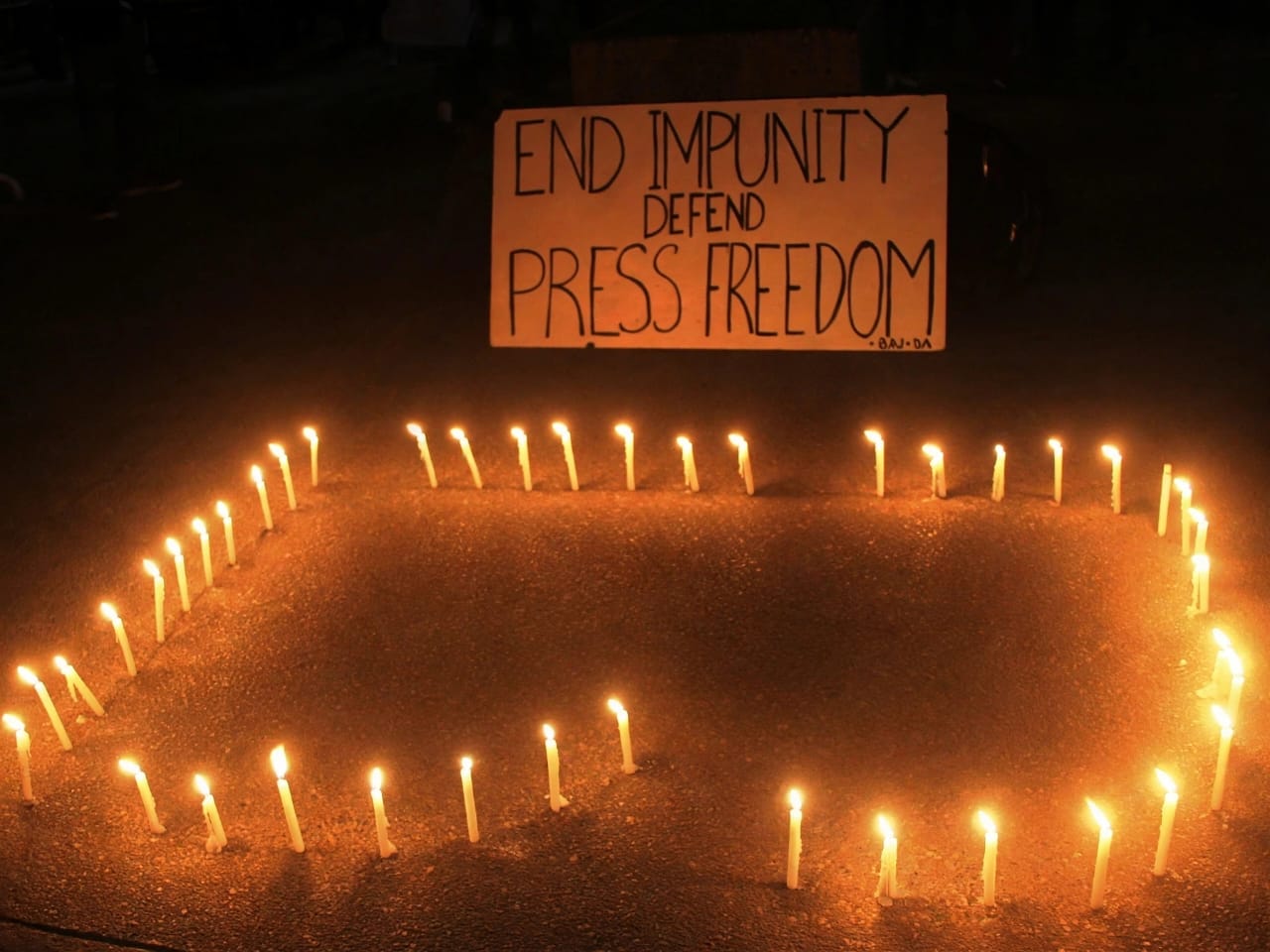
Pakistan's media organisations should recognise the importance of formal journalism education, provide young graduates with opportunities to demonstrate their abilities and bring them into the profession through practical training, internships and regular employment.
Similarly, experienced journalists should not be overlooked during the digital transition. Instead, they should be given opportunities to adapt to new industry requirements.
This is because journalism is not simply about recording videos on a mobile phone, writing a few sentences and publishing news on social media.
Behind it lies a broader responsibility involving research, years of hard work, maintaining contacts with sources, verifying facts and remaining accountable to the public.
Technology may change, and the ways of delivering news may evolve. However, if journalists' employment, education and professional identity are not protected, the future of responsible journalism will remain a major question.


Comments
No comments yet. Be the first 🙂