


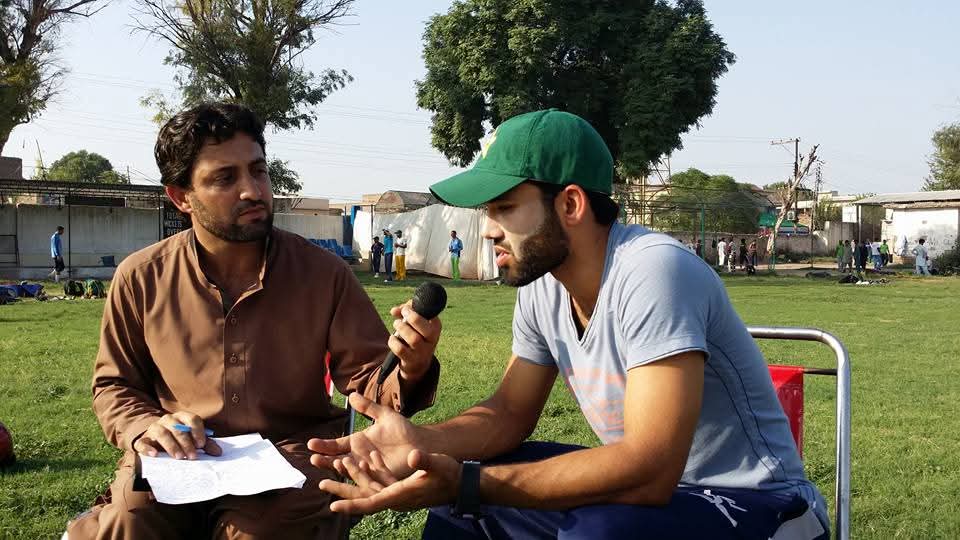
Anwar Shah, a former reporter for Daily Nai Baat and Neo News from the former tribal district of Kurram, says daily threats from anonymous social media accounts made his life unbearable. As a result, Shah left Pakistan in 2022 and sought asylum in Germany, where he still resides.
Shah says he was pursuing journalism in Pakistan out of passion, but problems would reach his doorstep almost every day. This created difficulties not only for him but also for his family.
Social Media Threats: A New Challenge for Journalists
Journalists in the tribal districts face not only security threats on the ground but also a growing number of threats, character assassination campaigns, trolling and online harassment on social media. These threats have forced some journalists to stop working or even leave the country.
According to journalists’ organisations and media-monitoring groups, digital platforms have increasingly become a tool to pressure journalists and discourage critical reporting.
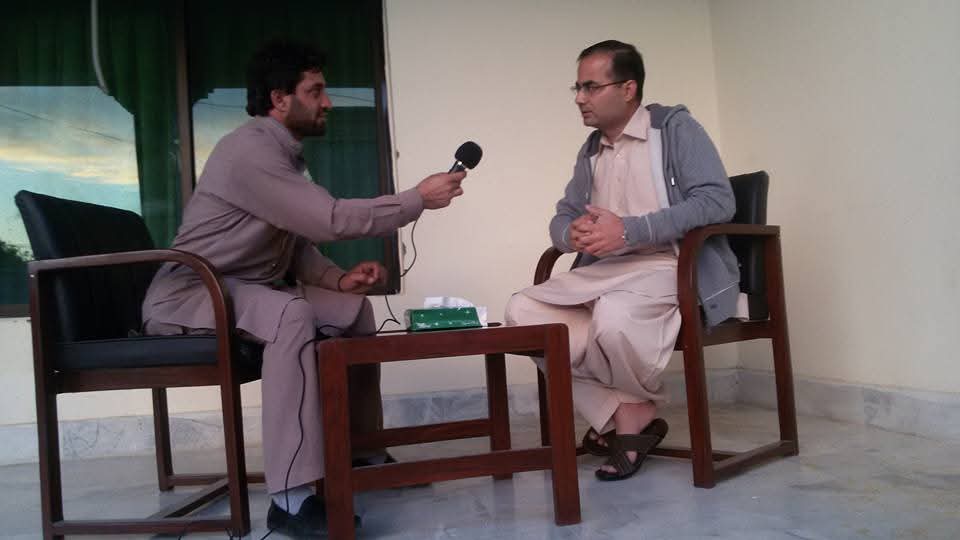
Shah says he received several death threats from militants and influential individuals in the area. On one occasion, his home was also attacked at night, although his family escaped without any loss of life.
Online Harassment and Direct Threats:
According to the Pakistan Press Foundation’s (PPF) 2025 report, threats faced by journalists are no longer limited to physical attacks. Cases of online harassment and threats are also being reported consistently. The report states that 15 cases of online harassment and five cases of direct threats against journalists were documented during 2024.
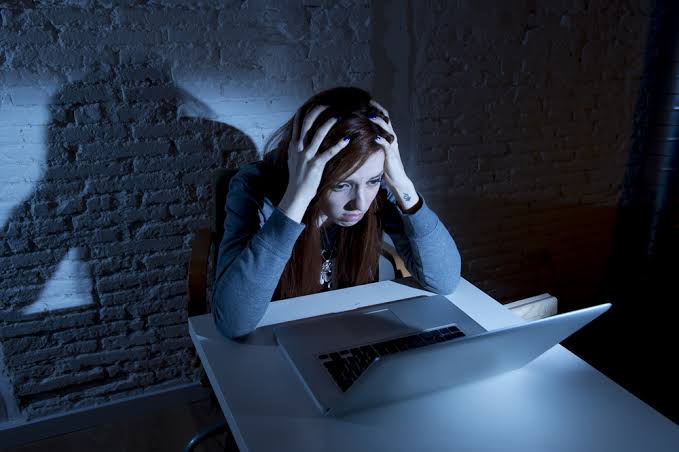
Freedom Network, an organisation working on media safety, highlighted in its threat analysis report last year that digital threats, trolling, hate campaigns and character assassination on social media have become new tactics used to prevent journalists from carrying out critical reporting.
Independent reporter Nabi Jan Orakzai, who belongs to Kurram district, has also faced online trolling and death threats. He says that in 2020, he provided analysis to an international organisation about a banned militant group. Following this, he was targeted through social media, and later received death threats through his family.
Nabi Jan says he had discussed the security situation in the area, after which he began receiving threats to kill him and force him to quit journalism. He informed the press club and fellow journalists about concerns for his safety and continued working cautiously for a year.
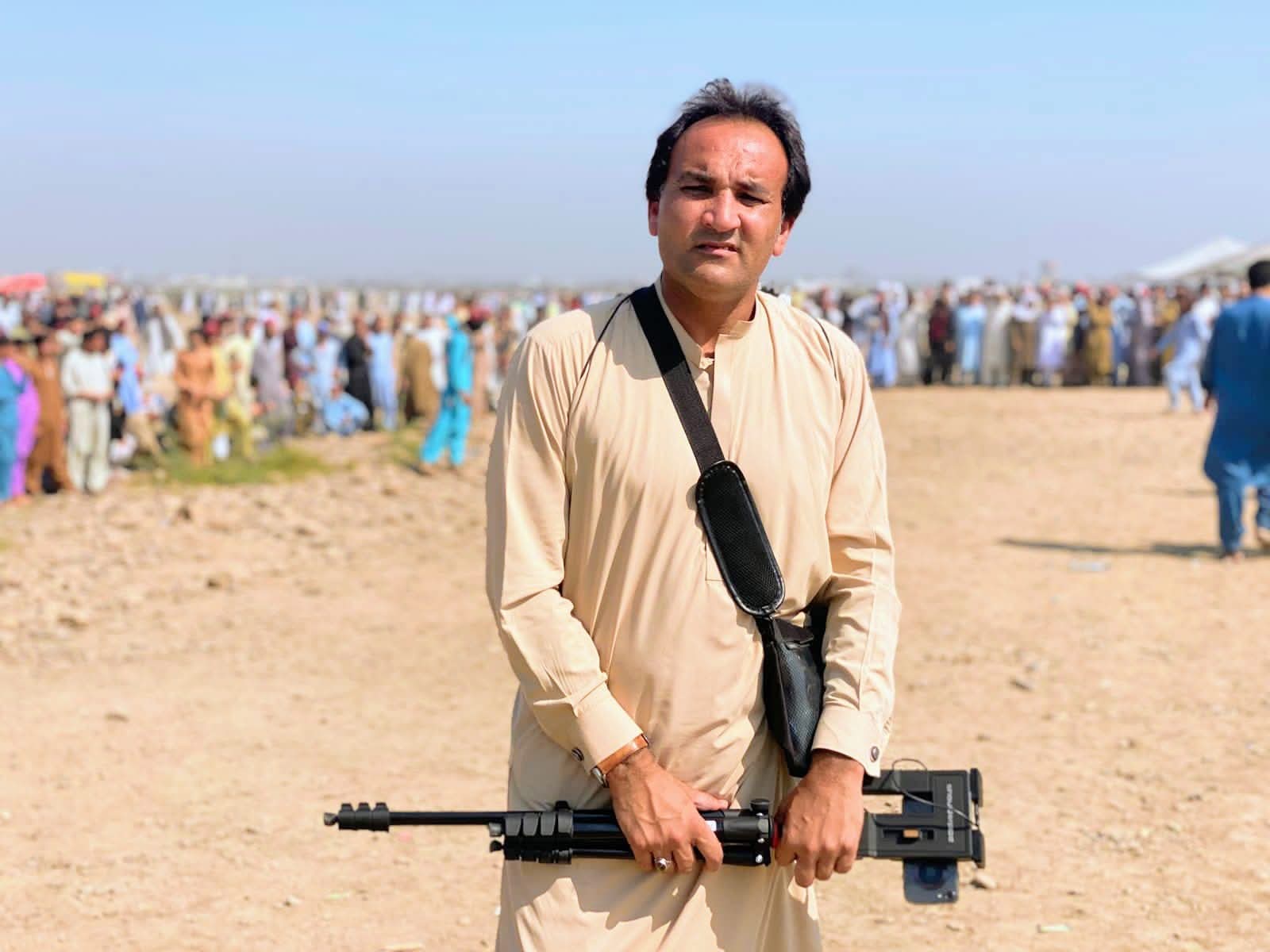
Nabi Jan says that if he had reported the incident to the police or cybercrime authorities at the time, the perpetrator might have been punished and the issue could have been resolved. However, due to tribal traditions and existing rivalries, the matter could have created further problems for his survival. Therefore, it was resolved through elders and a local jirga through mutual understanding.
How Journalists Become Targets After Reporting:
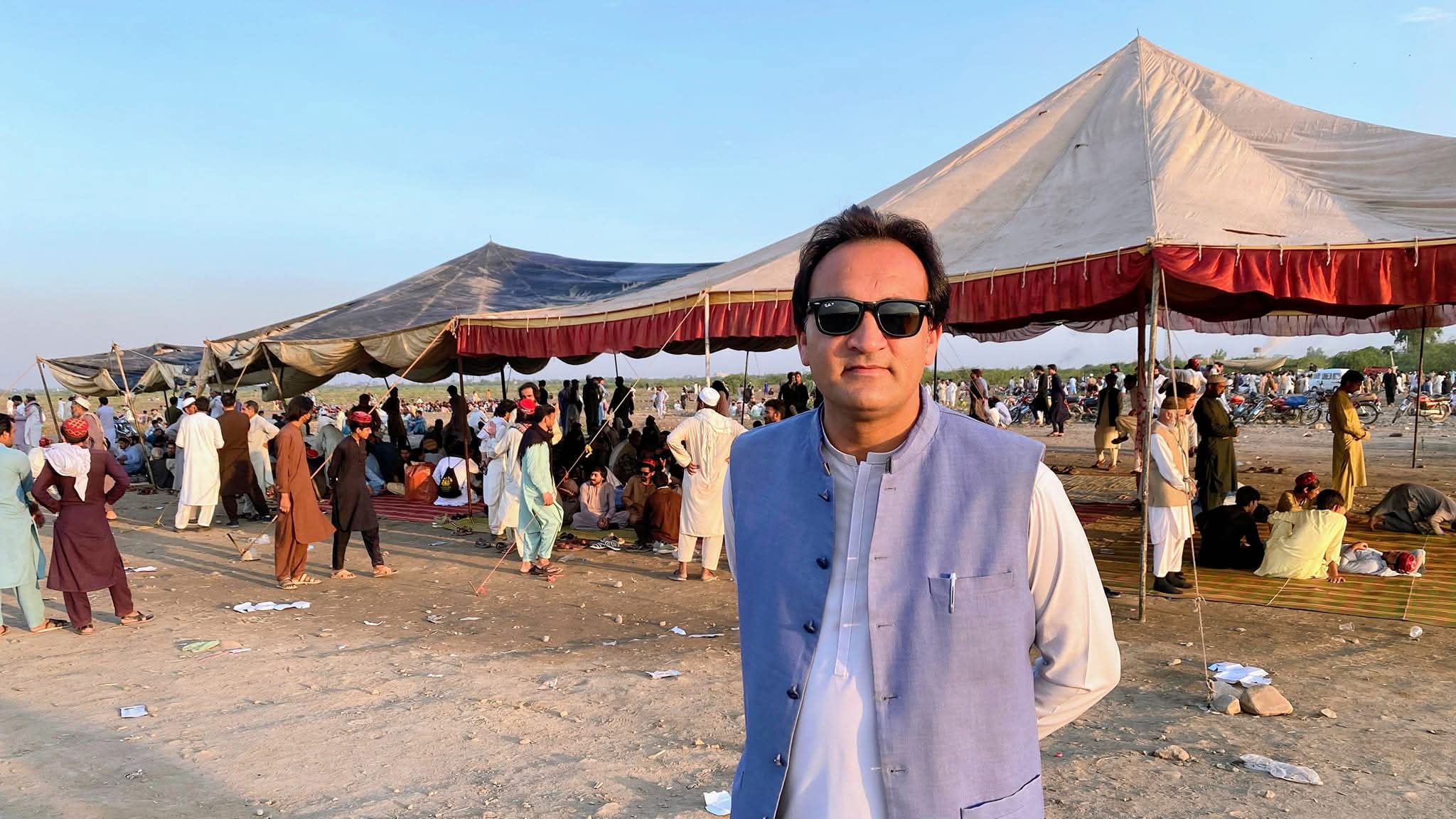
Muhammad Jameel, coordinator of the Tribal Union of Journalists and a journalist representing journalists from the tribal districts, says organised social media campaigns are launched against tribal journalists when they report on unrest, government performance, development projects or influential local groups.
He says some political and influential circles in the tribal districts use social media teams to target journalists and run trolling campaigns against them.
Rasool Dawar belongs to the former tribal district of North Waziristan and is a special correspondent for Geo News in Peshawar, where he reports on crime and terrorism-related incidents.
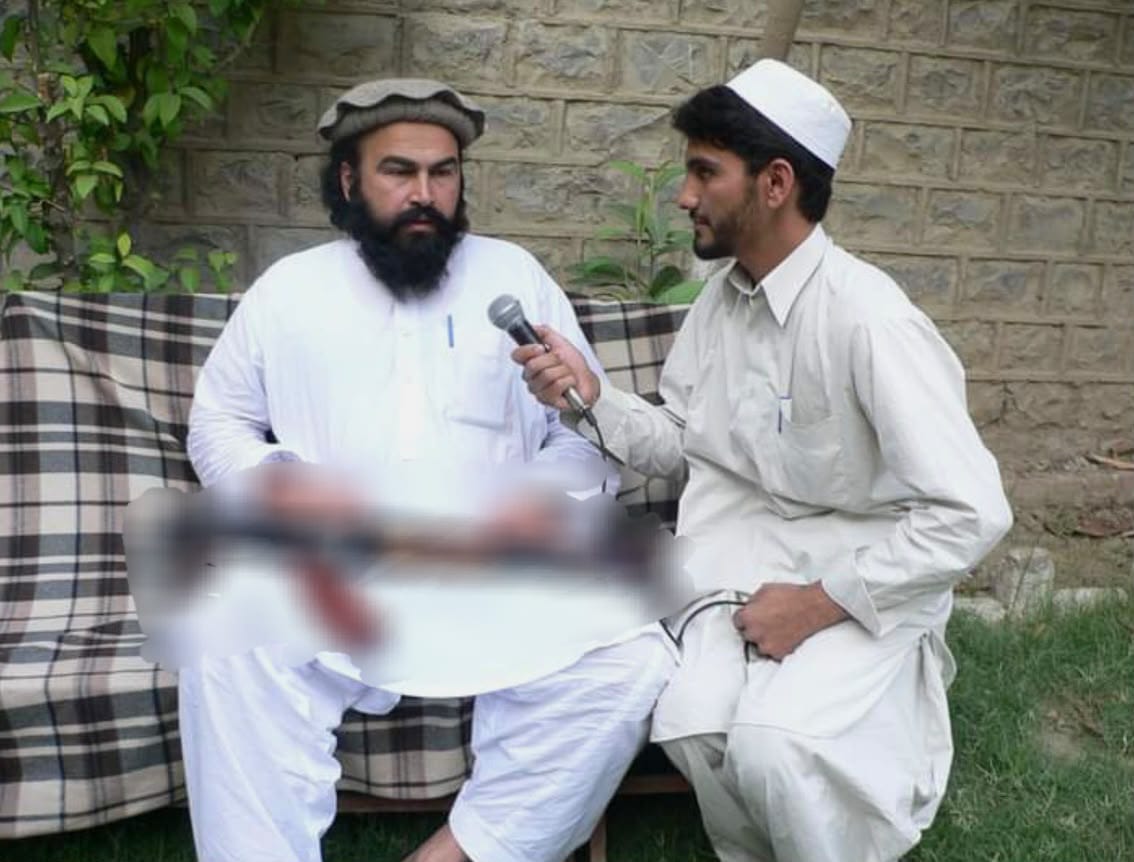
Dawar also received a threat on social media from a provincial minister in 2023, following which he registered a case with the Federal Investigation Agency (FIA).
Dawar says he had reported that Iqbal Wazir, a member of the provincial assembly elected from his constituency in North Waziristan, had behaved inappropriately with staff at a government office. Following the report, Dawar says he received death threats through social media and phone calls from the provincial minister and his supporters.
Also Read : Who Owns the Hearts of Tamasha 5 Viewers? The Pashtun Contestants Making Waves
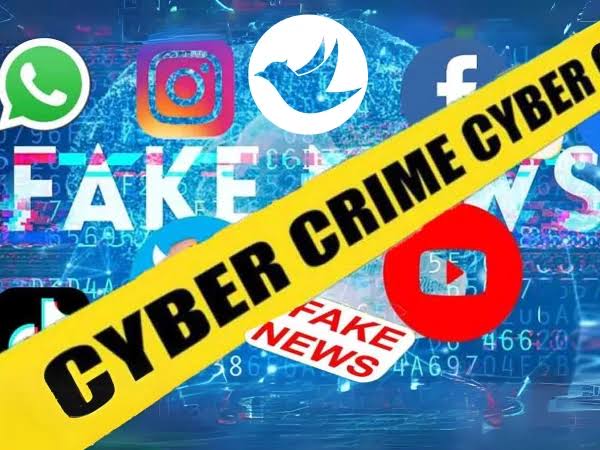
After that, he filed a complaint against Iqbal Wazir with the FIA’s Cyber Crime Wing and also informed journalists’ organisations about concerns regarding his safety. Rasool Dawar says that the threats stopped afterward, but the perpetrator was not punished.
Rising Cases of Online Harassment: What Do the Numbers Say?
The Digital Rights Foundation provides free assistance and guidance to people across Pakistan regarding cybercrime. People who face online harassment can file complaints with the organisation and receive free support.

According to the Digital Rights Foundation’s report for the current year, more than 23,000 people have reported cases of online harassment over the past nine years. Last year, 3,012 cases were registered, along with follow-ups of 884 older cases.
According to the report, the highest number of cases included 295 from Punjab, 340 from Sindh, 137 from Khyber Pakhtunkhwa, 165 from Islamabad, 93 from Balochistan, 19 from Kashmir and eight from Gilgit-Baltistan, while 83 people did not disclose their identities.
The Digital Rights Foundation’s latest report states that so far in 2026, 88 journalists have reported cases of online harassment, including 47 women and 41 men. In addition, six media practitioners—three women and three men—and 46 social media activists have also filed complaints.
According to the report, six cases remain unresolved, while 27 cases were rejected due to lack of evidence or other reasons. The remaining 101 cases have been resolved.
Tribal Journalism: From Old Threats to Digital Challenges
According to the Committee to Protect Journalists (CPJ), an international organisation that monitors press freedom, various methods are used in Pakistan to threaten and intimidate journalists and force them into self-censorship. These include direct threats as well as online pressure.
The risks faced by journalists in the tribal areas are not new. According to a 2012 study titled Reporting from the Frontlines, published by Journalism Pakistan, more than 50% of journalists in FATA had reported facing different types of threats, while 33% had received threats of attacks while performing their duties. All respondents identified militant groups as the biggest threat.
According to the Pakistan Press Foundation’s 2026 report, at least 233 incidents involving violence, threats, legal action and other restrictions against journalists were recorded across Pakistan between January 2025 and April 2026. The report said online harassment, cyber threats and misinformation spread through artificial intelligence (AI) have also emerged as new threats to journalists.
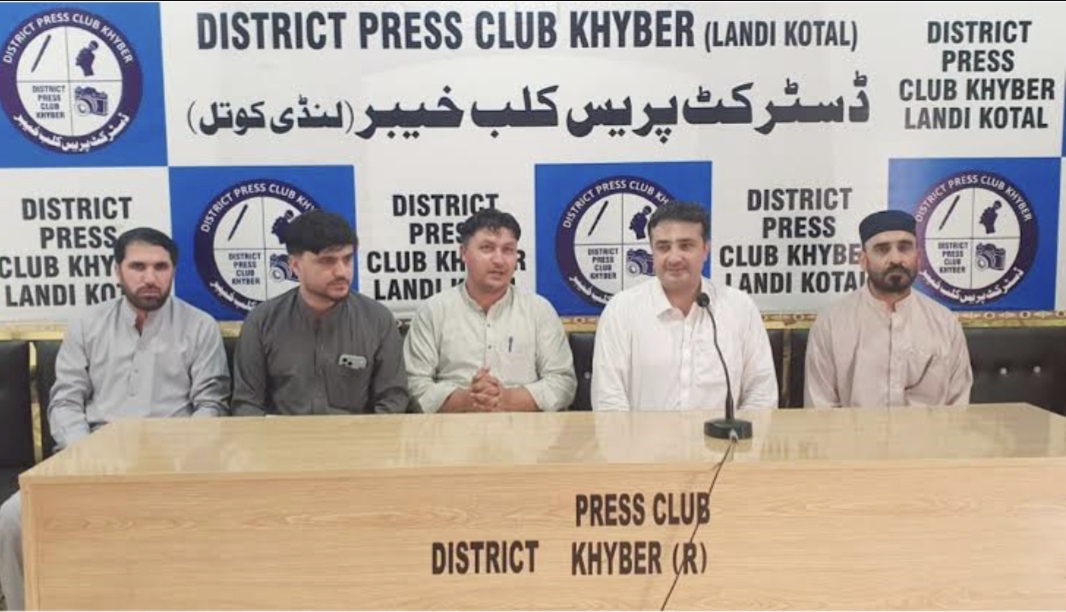
According to documents from the Tribal Union of Journalists, there are 10 press clubs and more than 3,400 journalists working in the tribal districts. Among them are women journalists from South Waziristan, Bajaur and Khyber district, including one from Landi Kotal.
Razai Mehsud, a female journalist from South Waziristan who works as a freelancer for various media organisations, says female journalists are extremely rare in tribal areas because of a lack of education and strict social traditions.
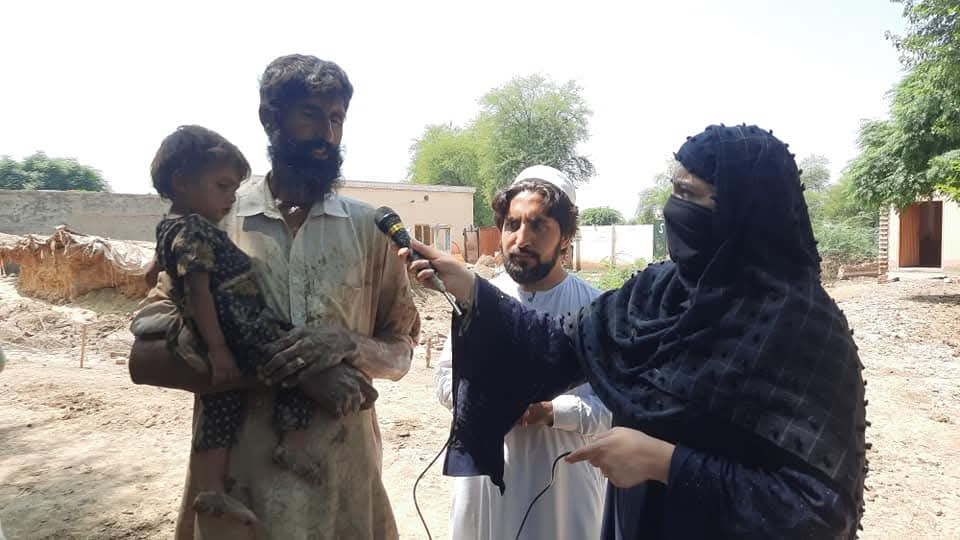
She says that, on the other hand, women journalists face trolling, intimidation and threats on social media, making it difficult for women to work freely in the field of journalism.
Journalists in the tribal districts say they face harassment in one form or another on a daily basis, but many such incidents are not reported.
Senior journalist Sajid Koki Khel from Khyber district says that resolving issues through jirgas has become common practice in tribal areas, while people are often unfamiliar with legal procedures and courts. As a result, threats and other problems faced by journalists are also resolved through jirgas, meaning that such cases are not officially recorded at the national level.
Senior journalist Izharullah, who reports from Khyber Pakhtunkhwa for Independent Urdu, says threats on social media are often intended to frighten journalists and prevent them from reporting on sensitive issues.
He says journalists are increasingly facing hate messages, threats and personal attacks on social media, affecting both their professional and personal lives.
Legal Protection and Demands of Journalists’ Organisations:
Legal expert Advocate Shwana Shah says that although social media has many benefits, it has also created numerous problems. One of the biggest issues is the spread of misinformation and the ease with which someone’s personal life can be accessed and used to harass them.
She said the issue has become increasingly serious and that preventing it requires not only legal action but also greater public awareness.
Senior Peshawar High Court lawyer Advocate Ali Gohar says Pakistan has laws dealing with online harassment.
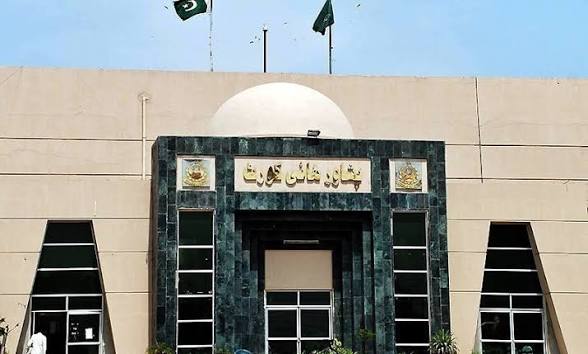
He says that if someone harasses another person on social media without their permission or engages in such conduct online, they may face up to five years in prison and a fine of Rs500,000 under the PECA Act. He added that the Pakistan Penal Code also provides strict punishments for such offences, under which action can be taken against the accused.
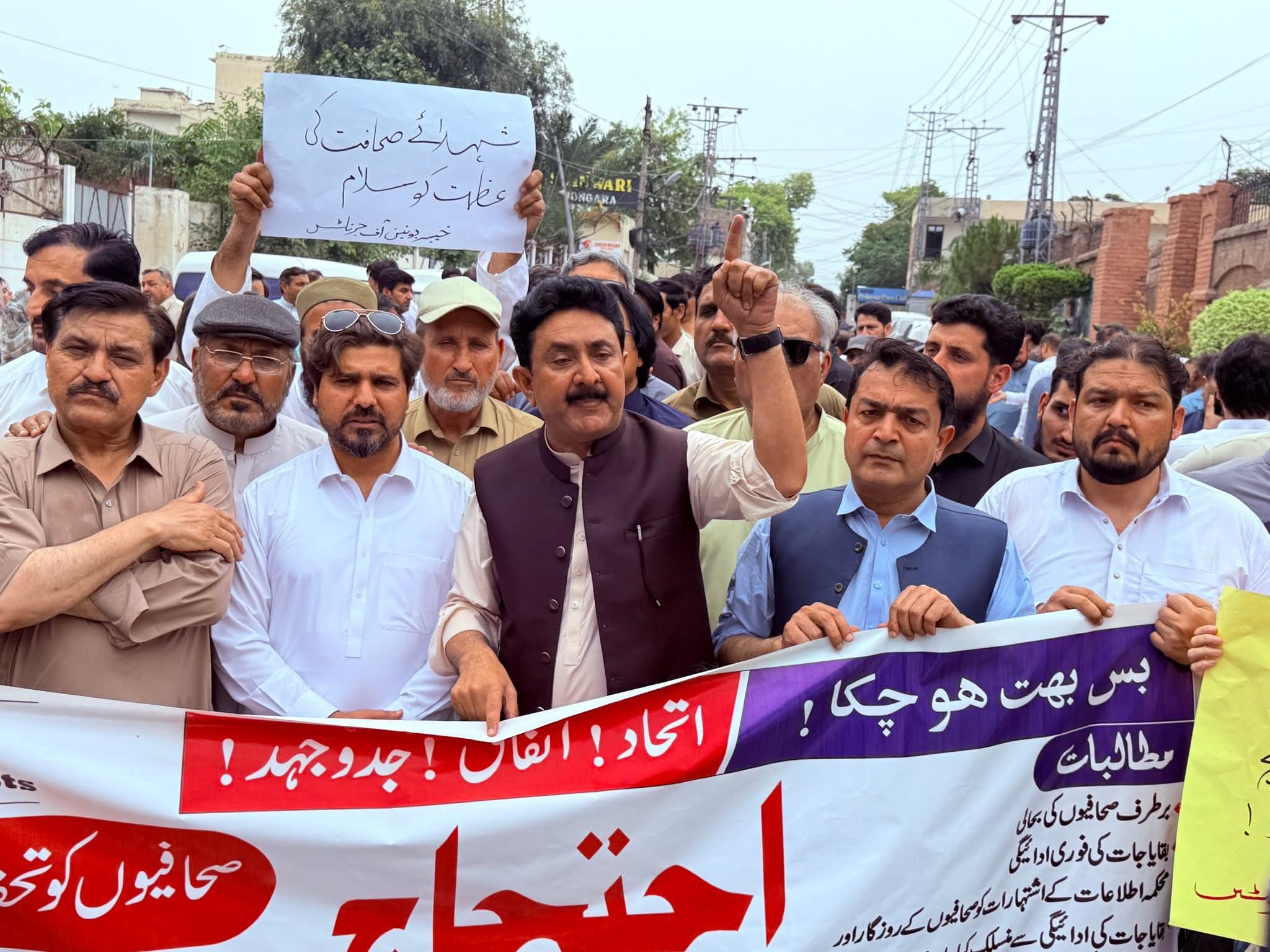
Khyber Union of Journalists President Kashifuddin says journalists’ organisations have also held protests across the country against threats and harassment of journalists on social media.
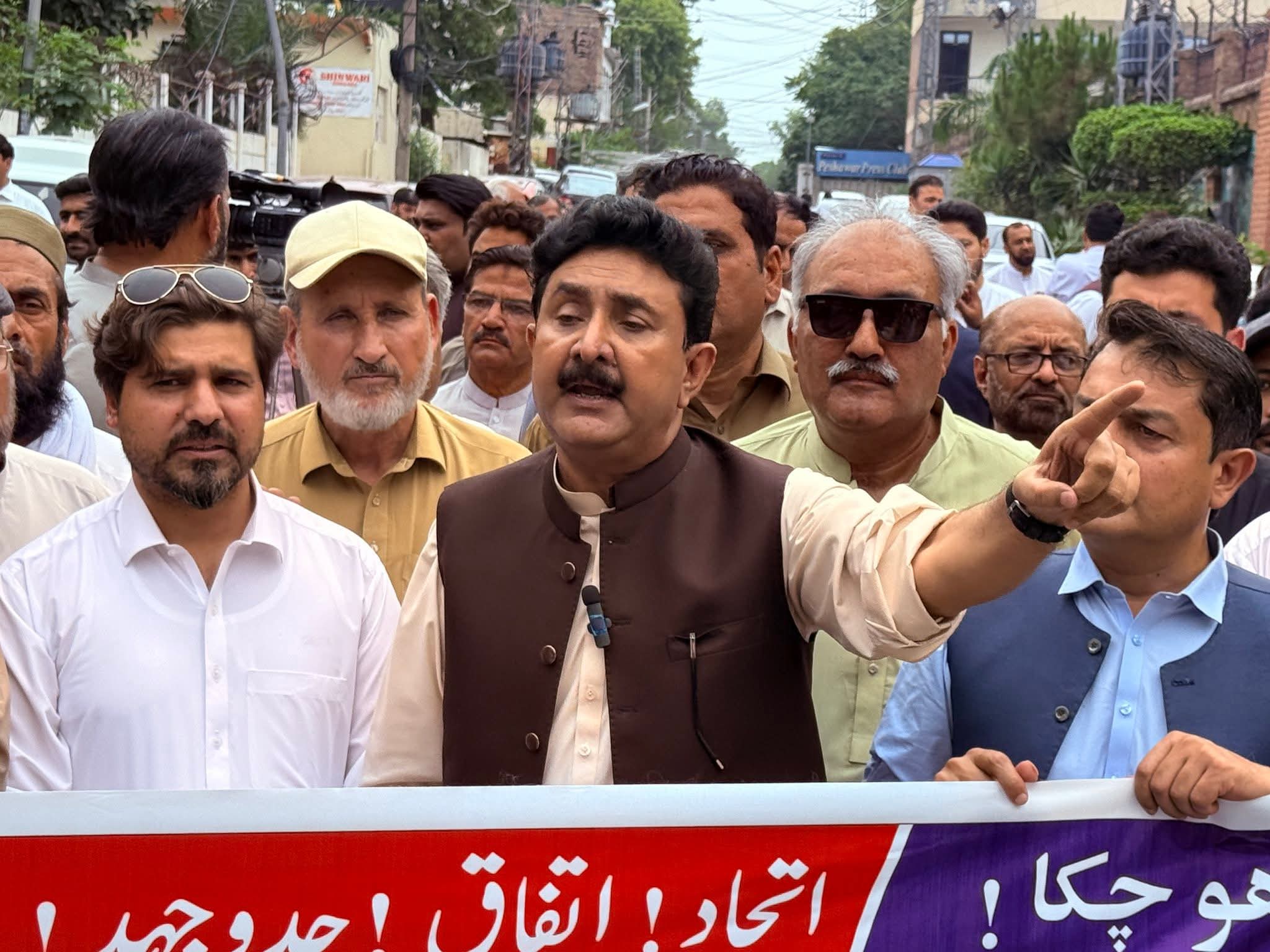
He says the organisations have demanded that the federal and provincial governments ensure effective investigations into online threats and harassment, introduce digital safety mechanisms for journalists, and ensure the protection of press freedom across the country, including in the tribal districts.
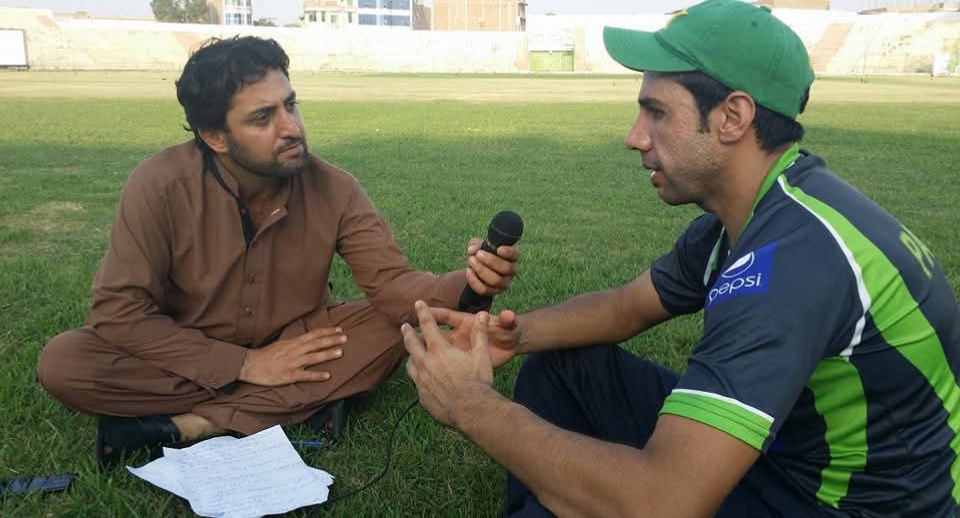
Anwar Shah Orakzai, who is currently living in Germany, continues to highlight issues from his native area through the media.
He works for a private company in Germany to earn a living, while also writing blogs for Pakistani media about issues in Kurram district. He also promotes news and publishes vlogs on social media news channels created under his name.
Shah says he has also obtained a degree in journalism and cannot remain silent when he sees the problems facing his area. Therefore, even while living away from Pakistan, he continues to remain involved in journalism to some extent.
Shah says that even now, some of his reports prompt militants and people using anonymous social media accounts to post abusive comments and threats. His family members in Pakistan are also approached with complaints about his work.
However, he says he has now become accustomed to these threats and negative comments.

.jpeg)
Comments
No comments yet. Be the first 🙂