


By Waheedullah
Pakistan’s repatriation and possible deportation of Afghan nationals have left thousands of Afghan families facing uncertainty about their future.
Among them are students for whom leaving Pakistan would mean more than simply leaving a country—it could mean abandoning years of hard work and leaving their education incomplete.
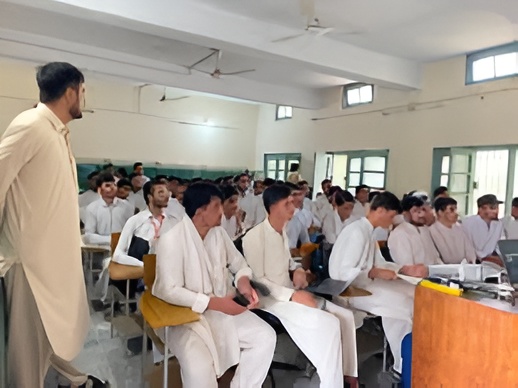
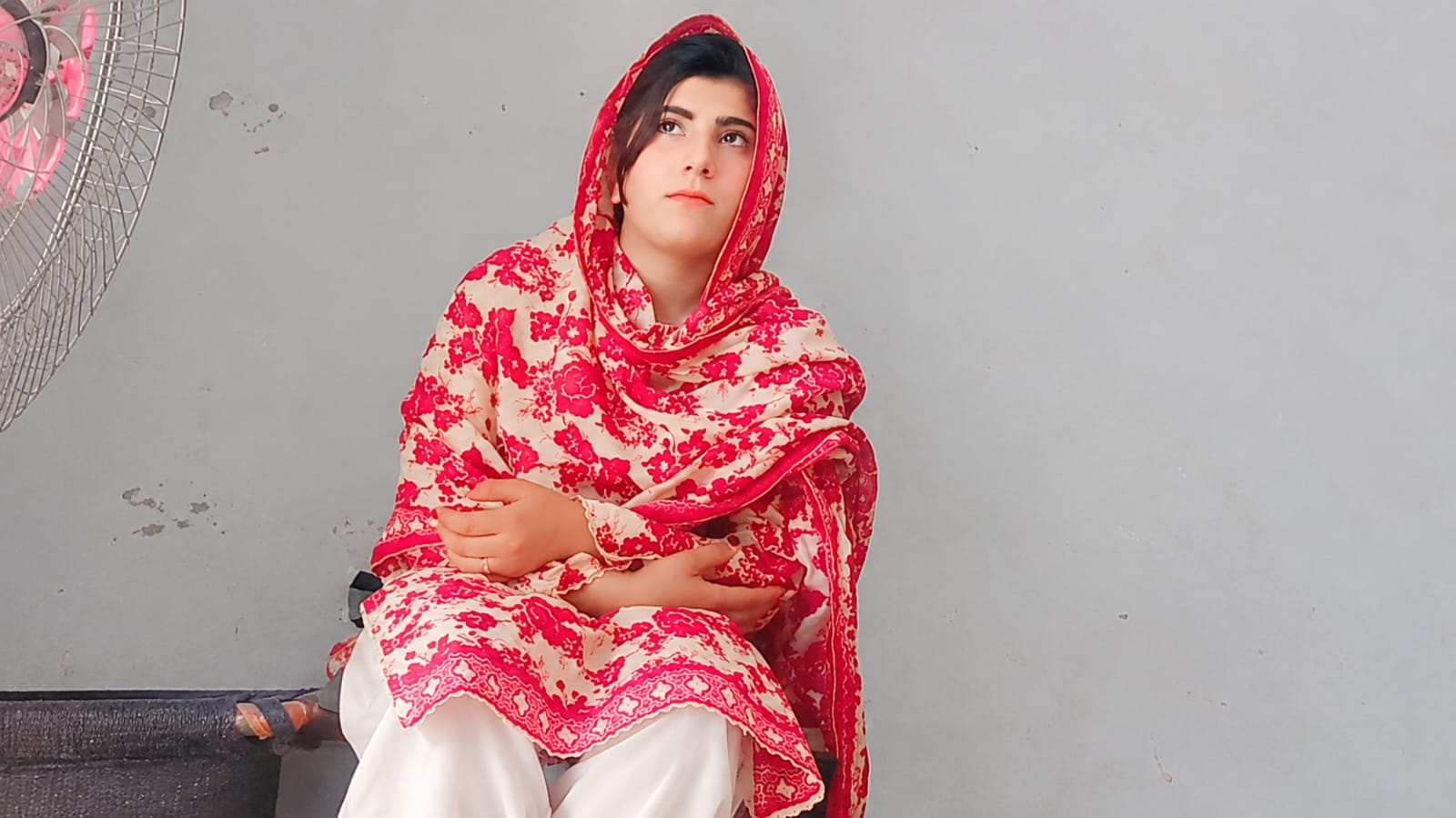
Zohaib, an Afghan student studying in Peshawar, is one of the young people worried about his educational future. A fifth-semester student of Health Technology at Islamia University Peshawar, Zohaib says university education is not merely a degree for him, but a hope for a better future.
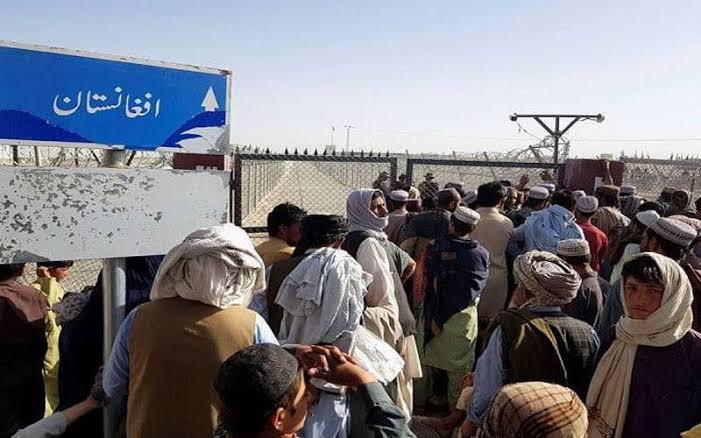
Zohaib worked hard for years to continue his education and has now reached an important stage in completing his degree. However, the ongoing repatriation process involving Afghan nationals in Pakistan has created serious concerns about his future.
Also Read : Tirah’s remote areas get administrative attention as DC Khyber visits
According to Zohaib, the repatriation process has left him and his family under constant mental stress. He says that, under the current circumstances, even moving around freely feels difficult, while there is always a fear of being harassed by police or being forced to leave Pakistan.
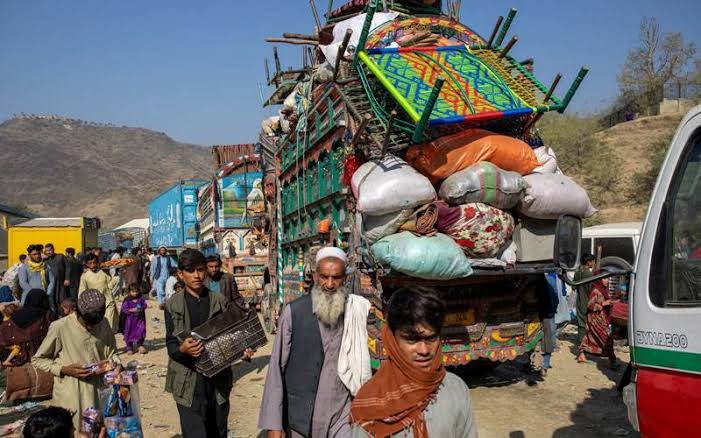
However, Zohaib’s biggest concern is that his education could be left incomplete. Having reached the fifth semester, he does not want years of hard work to go to waste because of a decision beyond his control.
He says that the field he has chosen, Health Technology, is not available in Afghanistan. Therefore, if he is forced to leave Pakistan and return to Afghanistan, continuing his current education would be extremely difficult.
According to Zohaib, leaving his education incomplete could also affect his career and future plans. On the one hand, he wants to complete his degree; on the other, he fears that if he is not allowed to remain in Pakistan, he may suddenly have to abandon his studies and return to Afghanistan.
Zohaib’s family is also deeply concerned about his education and the possibility of his return. It is difficult for them to know whether Zohaib will be able to complete his degree or whether he could be forced to leave Pakistan for Afghanistan at any time.
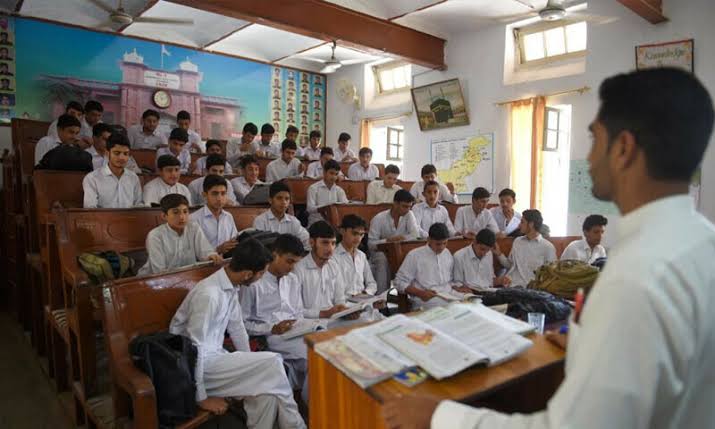
A question repeatedly crosses Zohaib’s mind: if he has to leave Pakistan after the fifth semester, where and how will he complete his education? He says Afghan students should at least be given an opportunity to complete their studies.
For him, the opportunity to continue his education is not simply about obtaining a degree. It is connected to years of hard work, his dreams for the future, and his hope of becoming independent. Zohaib wants the situation to return to normal so that he can complete his education and is not forced to leave his dreams unfinished.
During Pakistan’s ongoing repatriation of foreigners staying illegally in the country, the difficulties faced by students like Zohaib highlight an important humanitarian and educational dimension of the issue. While the state continues its actions against illegal residency, many Afghan students who have been studying in Pakistani educational institutions for years remain concerned about the security of their educational future.
.jpg)

.jpeg)
.jpeg)
Comments
No comments yet. Be the first 🙂