


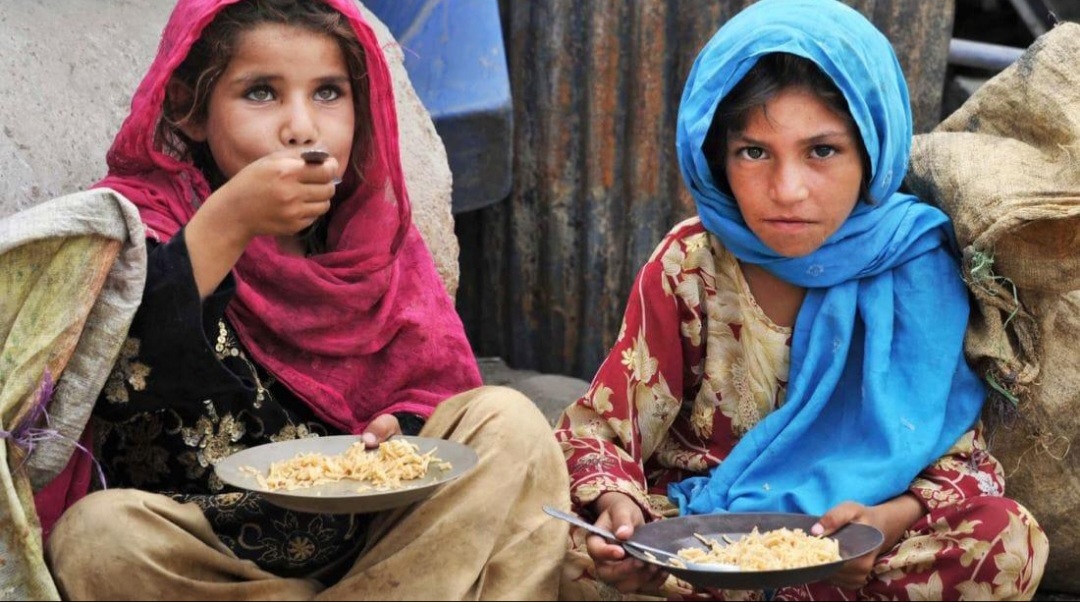
World Food Day is observed every year on October 16 to highlight the importance of ensuring access to safe, healthy, balanced and nutritious food for everyone.
The day also conveys the message that food is not just essential for satisfying hunger but is also necessary for living a healthy life. However, the question remains: Does everyone around the world, particularly in Pakistan, have access to food that meets their basic nutritional needs?
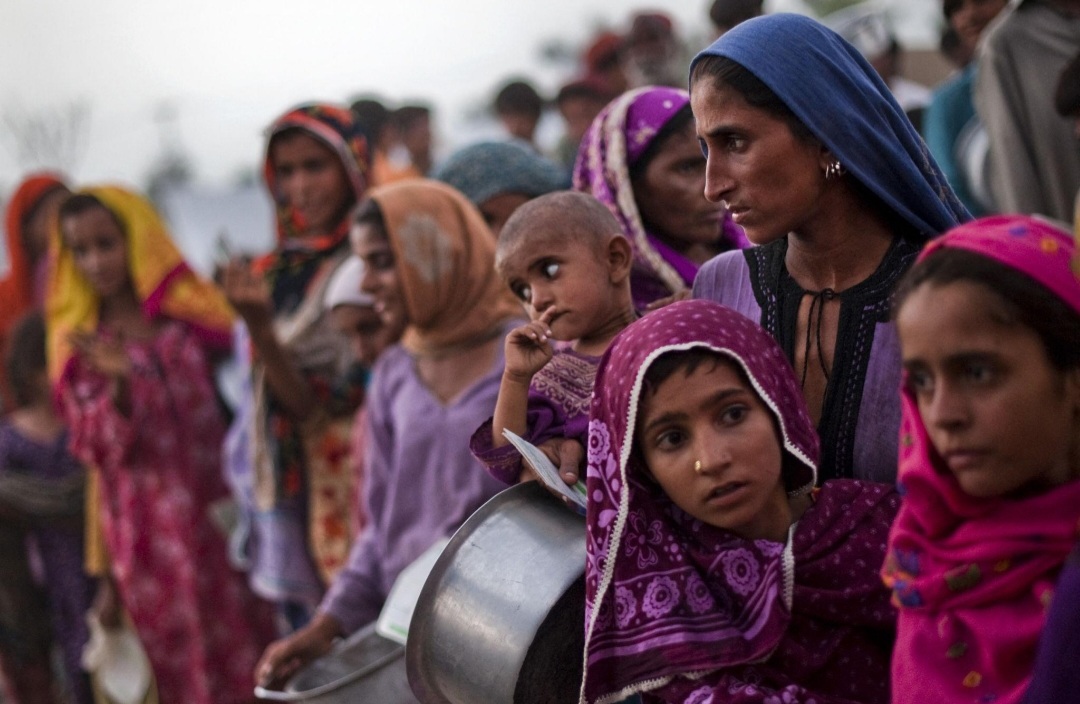
According to the United Nations, more than 700 million people worldwide still face hunger. World Food Day provides an opportunity to highlight the challenges faced by these people, understand the importance of food and remind the world of the need to take steps to eliminate hunger.
In Pakistan, inflation and poverty are making it increasingly difficult for ordinary citizens to access healthy and balanced food.
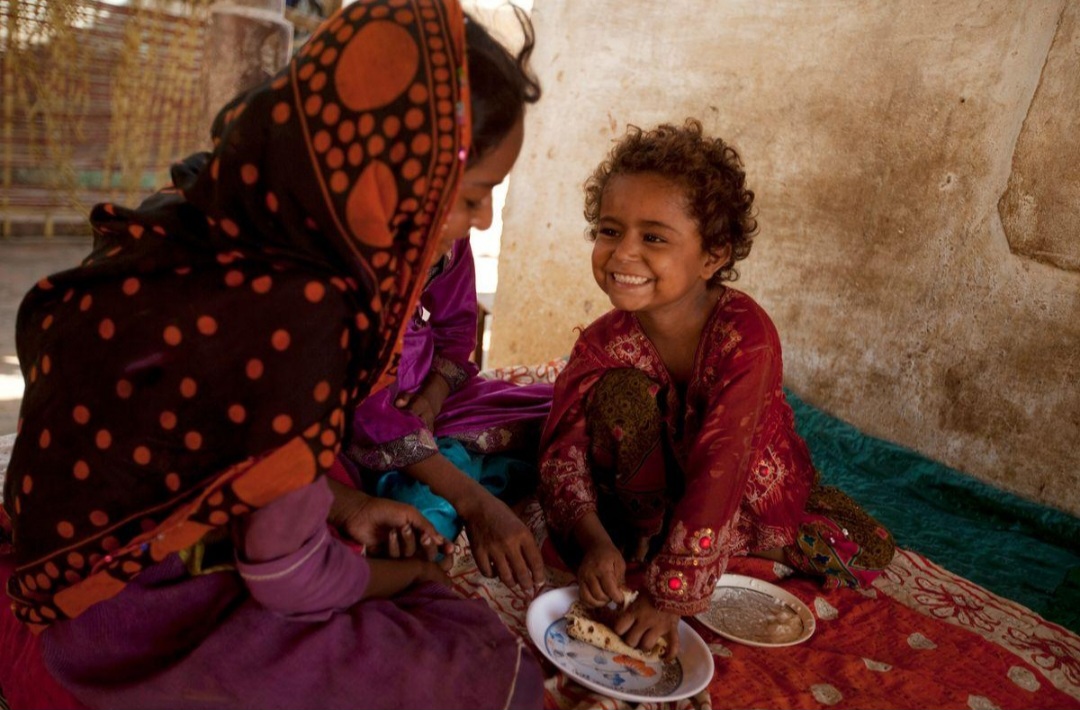
Families with limited incomes often have to compromise on food quality, affecting their health and quality of life.
Inflation and access to food:
The Pakistan Bureau of Statistics (PBS) is the government agency responsible for monitoring inflation and changes in prices across the country. According to the provided data, the inflation rate in Pakistan stands at 10.30 per cent, while an average household spends approximately 37 to 40 per cent of its income on food. In this situation, the impact of inflation is not limited to household budgets; it also affects people's dietary quality and health.
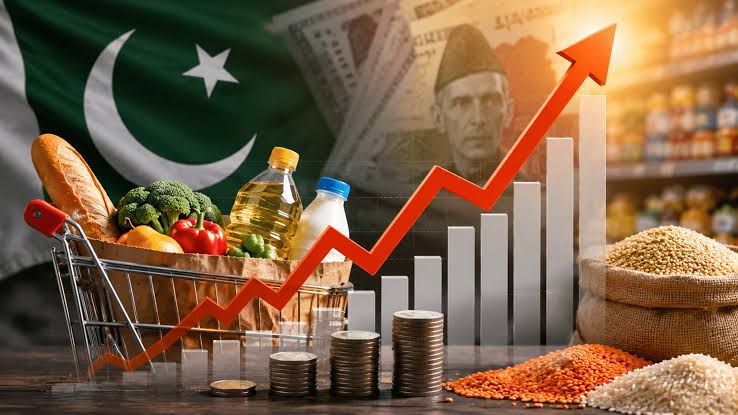
When the prices of essential items such as flour, pulses, vegetables, fruits, milk and meat rise, it becomes difficult for low-income families to include all these items in their daily diets. As a result, they increasingly rely on relatively cheaper food items or are forced to reduce the quantity of food they consume. In this way, inflation affects both the food available on the tables of low-income households and their nutritional needs.
It is important to understand the difference between filling one's stomach and meeting the body's nutritional requirements. Bread and tea may temporarily satisfy hunger, but they do not provide the body with adequate amounts of all essential proteins, vitamins and minerals.
A prolonged lack of a balanced diet can affect children's physical and mental development, while also having negative effects on adults' health. Therefore, inflation is not merely an economic issue; it is also linked to public health and food security.
Nutritional situation in Pakistan:
The National Nutrition Survey provides important information about the nutritional status of different groups in Pakistan, including children and women. The government of Pakistan, UNICEF and other relevant organisations use its findings to understand nutritional challenges and plan measures to address them.
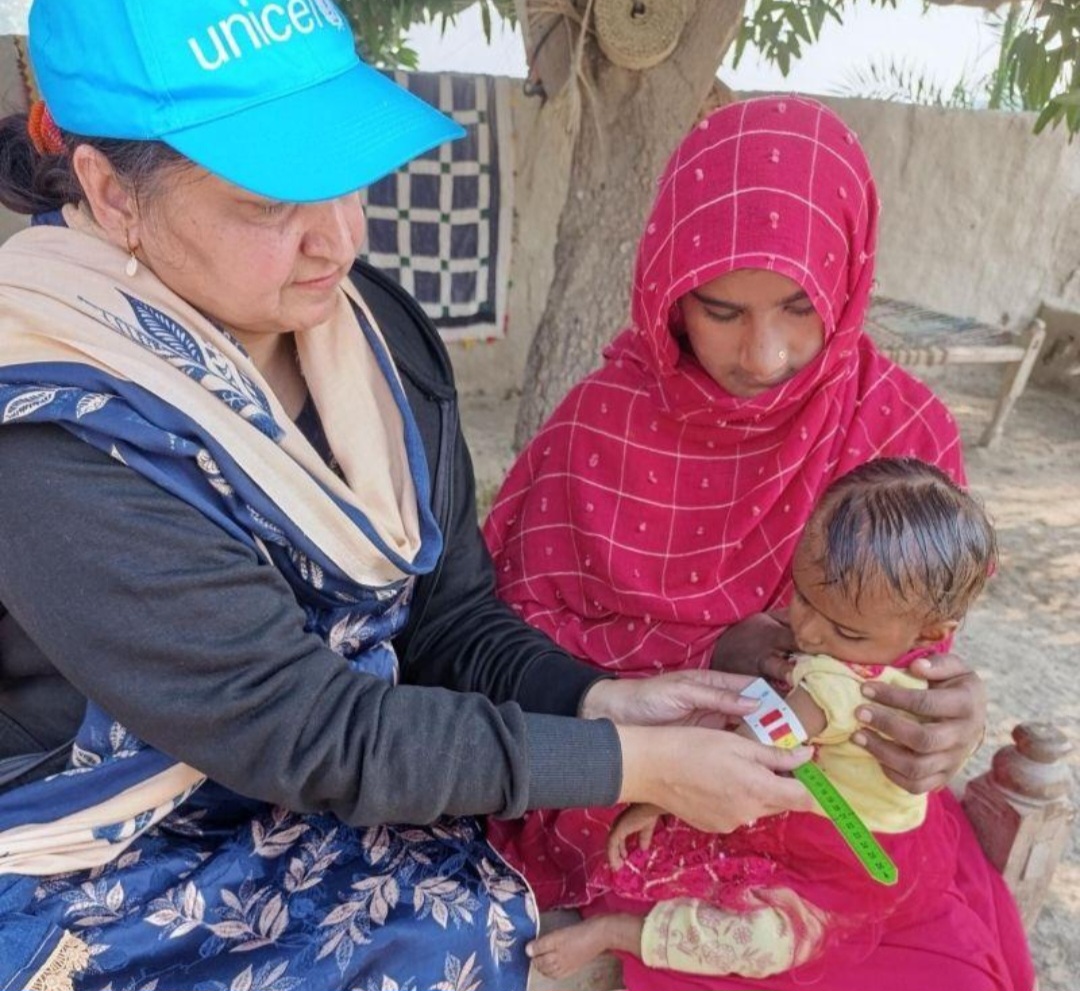
For the survey, data was collected from 115,600 households across the country's four provinces, Gilgit-Baltistan and Azad Jammu and Kashmir, with the support of the government of Pakistan, UNICEF and the World Health Organization (WHO). It included information about children under five years of age and women aged 15 to 49.
According to the survey, 40.2 per cent of children under five were stunted, meaning their height was not increasing adequately for their age. One of the major causes of this condition is prolonged inadequate nutrition.
Malnutrition can affect children's mental development as well as their physical growth. In other words, approximately four out of every 10 children in Pakistan were affected by this problem.
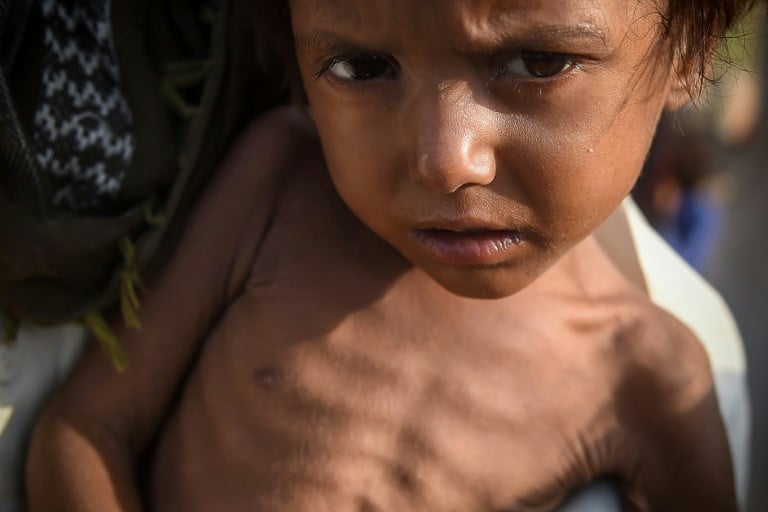
Similarly, 17.7 per cent of children were wasted, meaning their weight was too low for their height, while 28.9 per cent were underweight for their age.
On the other hand, 9.5 per cent of children were overweight or obese. These figures show that nutritional problems are not limited to a lack of food; an unbalanced and unhealthy diet can also be harmful to children's health.
Regarding women's nutrition, the survey found that nearly half of women aged 15 to 49 suffered from anaemia, while 79.7 per cent had vitamin D deficiency. Furthermore, 27 per cent of women were found to have vitamin A deficiency, which can affect eyesight and immunity.
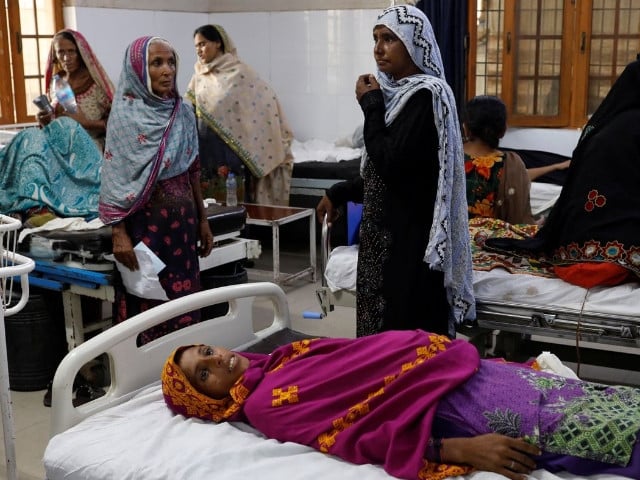
These findings highlight the need to pay special attention to the nutrition of children and women. If children do not receive adequate nutrition during their early years, their physical and mental development can be affected. Similarly, nutritional deficiencies among women can affect not only their own health but also their ability to care for their families.
Food insecurity and growing challenges:
The United Nations World Food Programme (WFP) works to eliminate hunger worldwide and provide food to people in need. The Integrated Food Security Phase Classification (IPC) is a global scale used to assess the severity of food insecurity by examining food availability and people's ability to meet their nutritional needs in different areas.
According to the 2025–26 food insecurity classification report, 9.2 million people across 51 districts of Pakistan, including areas of Khyber Pakhtunkhwa, Balochistan and Sindh, are facing severe food insecurity.
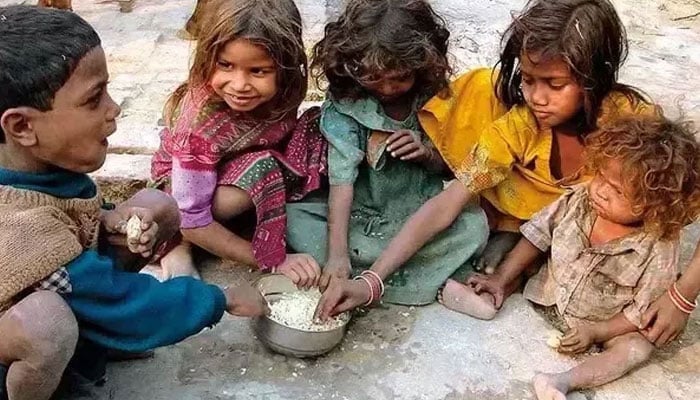
Of these, 2.2 million people are experiencing emergency-level food insecurity, where meeting basic food needs has become extremely difficult. According to the report, 2.7 million children under the age of five are suffering from severe malnutrition.
Inflation is among the major causes of this situation. As food prices rise, it becomes difficult for low-income families to afford nutritious items such as pulses, meat and milk.
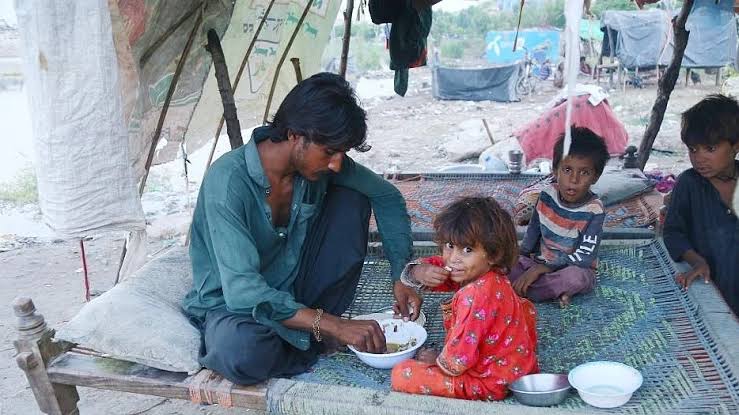
For daily-wage workers, managing household rent, electricity and gas bills, children's education, medical treatment and food expenses on a limited income is not easy. Sometimes, even after working an entire day, they struggle to meet their families' nutritional needs.
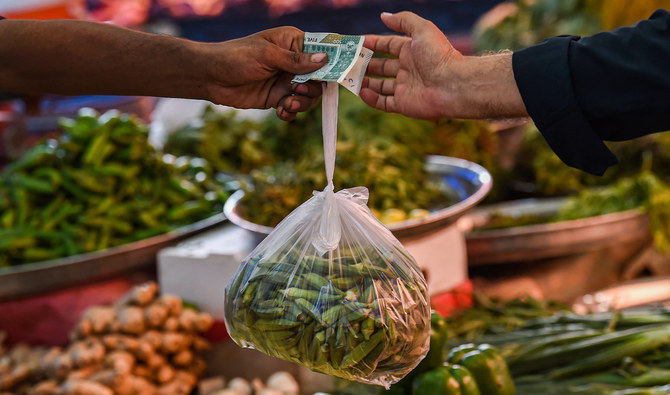
In such circumstances, some families begin to rely more heavily on relatively inexpensive items such as bread, rice, sugar and sweetened tea. While these foods may temporarily satisfy hunger, they do not provide the body with adequate amounts of essential nutrients.
On the other hand, regularly consuming foods that are high in calories but low in nutritional value can lead to weight gain and other health problems.
This makes it clear that the availability of food in the market does not necessarily mean that everyone can afford to buy it. Ensuring food security requires not only access to food but also sufficient income for people to meet their own and their families' basic nutritional needs.
Food waste and our responsibilities:
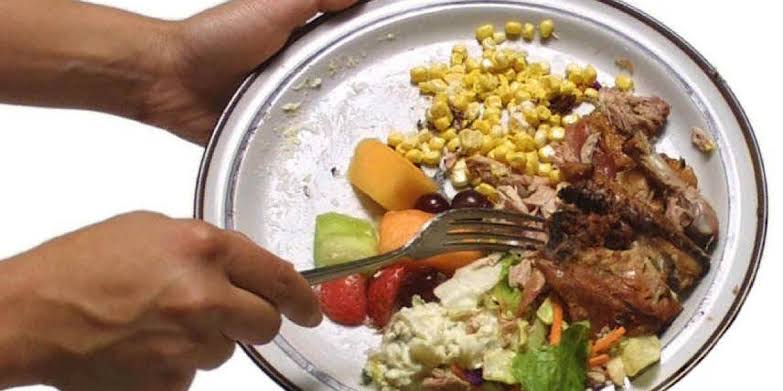
While millions of people around the world face hunger and malnutrition, thousands of tonnes of food are wasted every day. According to the United Nations, approximately one-third of the food produced worldwide is wasted.
In our homes, at wedding ceremonies and in hotels, more food than necessary is often prepared and eventually thrown away instead of being consumed. This wastes not only food but also the water, energy, labour and money used to produce and prepare it.

We can reduce this waste in our daily lives by putting only as much food on our plates as we can eat, storing leftovers properly and distributing surplus food that is safe to consume to people in need.
It is also important to choose simple, healthy meals over fast food and to recognise the value of food. If we have more food than we need, we should try to feed someone who is hungry rather than throwing it away.
The need for government action to ensure food security:
Ending hunger and malnutrition is not possible through individual efforts alone. The government should take effective measures to control inflation, make essential food items affordable for ordinary citizens, provide relief to low-income families and improve the nutritional status of children and women.
Attention must also be given to delivering assistance to families in need and raising public awareness about healthy food.
World Food Day reminds us that food is a basic human necessity. We should avoid wasting it unnecessarily and help people facing hunger to the best of our abilities.
Let us pledge to value food and work towards building a society where no one is deprived of nutritious food because of poverty or inflation. Ending hunger is not the responsibility of any one individual; it is a collective responsibility that we all share.
Note: This article reflects the personal opinion of the author, which does not necessarily represent the views of the organisation.

.jpeg)
.jpg)
.jpg)
.jpeg)
Comments
No comments yet. Be the first 🙂