


By Raham Khan
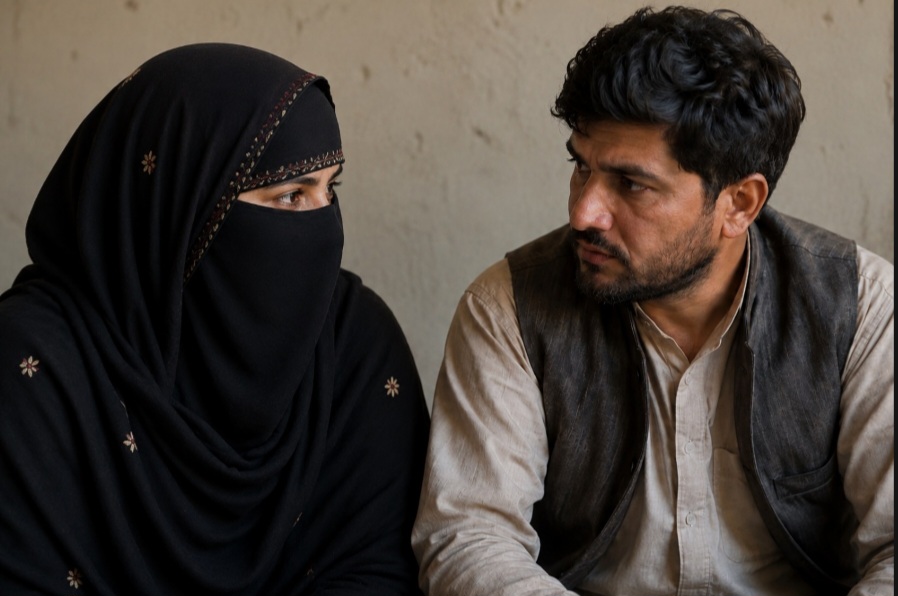
A Pakistani woman who married an Afghan refugee 12 years ago says she wants to accompany her husband to Afghanistan, but documentation and travel difficulties have left her uncertain about how she can leave Pakistan with him and their three undocumented children.
For 32-year-old Zainab, the prospect of her Afghan husband, Said Alam, leaving Pakistan is not simply about repatriation. It is about whether she and their three children can remain with him.
Zainab, a Pakistani citizen and housewife, said she married Said Alam in a love marriage 12 years ago despite the difficulties surrounding their relationship. Now, as her husband faces repatriation, she says she has made up her mind to accompany him.
“I will go with my husband in every condition,” Zainab told TNN, explaining that she does not want her family to be separated.
Said Alam is an Afghan refugee holding a Proof of Registration (PoR) card. His family has made arrangements to return to Afghanistan and plans to leave within the next 10 days, according to Zainab.
But while Said Alam has a route available as an Afghan refugee, Zainab says she has been unable to find a clear and practical way to travel with him.
Zainab holds a Pakistani CNIC and a valid passport. She has also been trying to obtain a visa from the Afghan embassy, but the process has not yet resolved the family's situation.
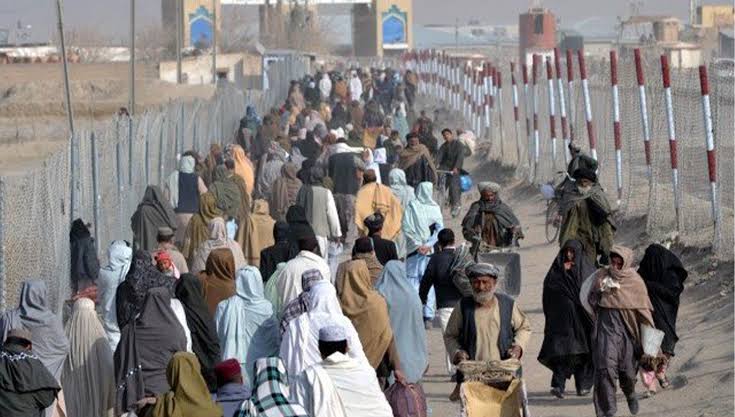
Her biggest concern is what could happen if she travels through the Torkham border crossing.
Also Read : Three Bodies, One Village in Mourning: Bajaur Family’s Tragic Loss
Zainab fears that if she crosses the border and undergoes biometric verification, her Pakistani CNIC and those of her Pakistani family members could potentially be blocked. She says this possibility has made the decision even more difficult because her Pakistani identity documents are essential to her and her family.
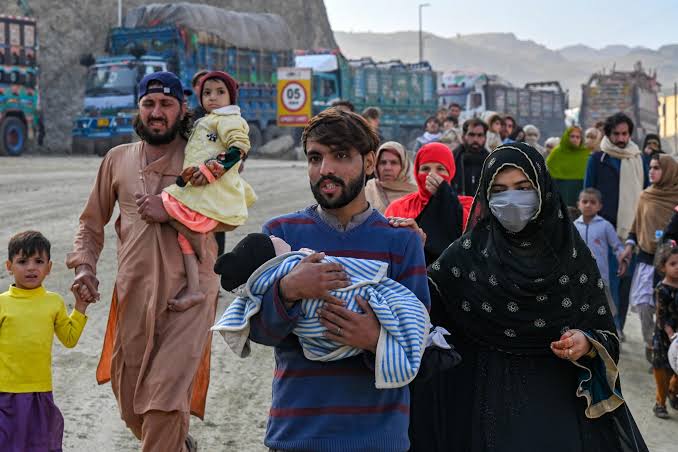
For Zainab, travelling by air is another option, but she says the cost would be difficult for the family. More importantly, her three children currently have no travel documents, making it difficult for them to accompany their parents.
This has left the family facing a situation in which the parents want to remain together, but the documentation requirements create uncertainty over whether they can travel together.
“I want to go with my husband at any cost,” Zainab said, adding that she wants her children to accompany her and their father.
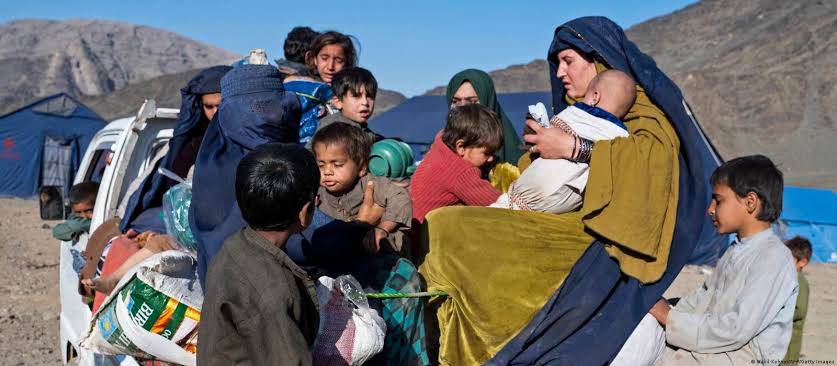
The family’s situation highlights a broader issue faced by Pakistani women married to Afghan men during the repatriation process. While the Afghan spouse may have a route to return, the Pakistani spouse and children can face different documentation and travel requirements.
Nasruddin Ullah, an advocate at the Peshawar High Court, told TNN that he has encountered multiple cases involving Pakistani women married to Afghan men.
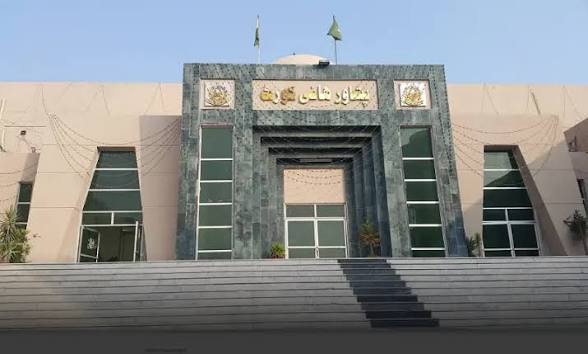
He said such women may have different options depending on their documentation.
“A Pakistani woman married to an Afghan person can go to Afghanistan in three different ways,” Ullah said.
According to him, one option is travelling through the Torkham route. However, he said women with Pakistani identity documents may have concerns about biometric verification and the possible consequences for their CNICs.
A second option, he said, is air travel for those who have a passport and valid Afghan visa.
“The third possibility is that a policy can be introduced allowing these Pakistani married women to go with their husbands through the Torkham route with a valid passport and visa,” Ullah said.
He said his experience involved multiple cases of this nature and that the Peshawar High Court had also granted temporary relief in some husband-and-wife cases and issued PoR cards in certain cases.
Ullah said the government should expedite the matter and introduce a clear policy to facilitate families in such situations.
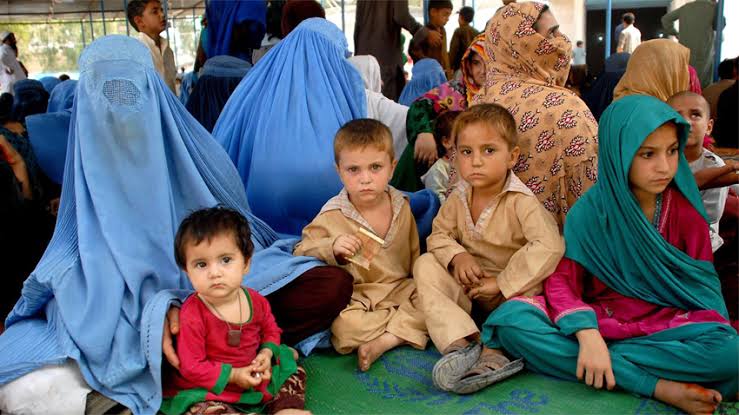
The issue has also reached the Peshawar High Court in other repatriation-related cases. According to the information available to TNN, the court has provided temporary relief in some cases while not granting similar relief in another petition involving two former Afghan government officials.
However, Zainab's situation remains distinct because she is a Pakistani citizen married to an Afghan refugee, while her three children currently have no travel documents.
Her dilemma therefore goes beyond the question of whether her husband will return to Afghanistan. It is also about whether she can legally and practically accompany him, and whether her children can cross the border with their parents.
For Zainab, the next few days will determine what happens to a family that has lived together for 12 years.
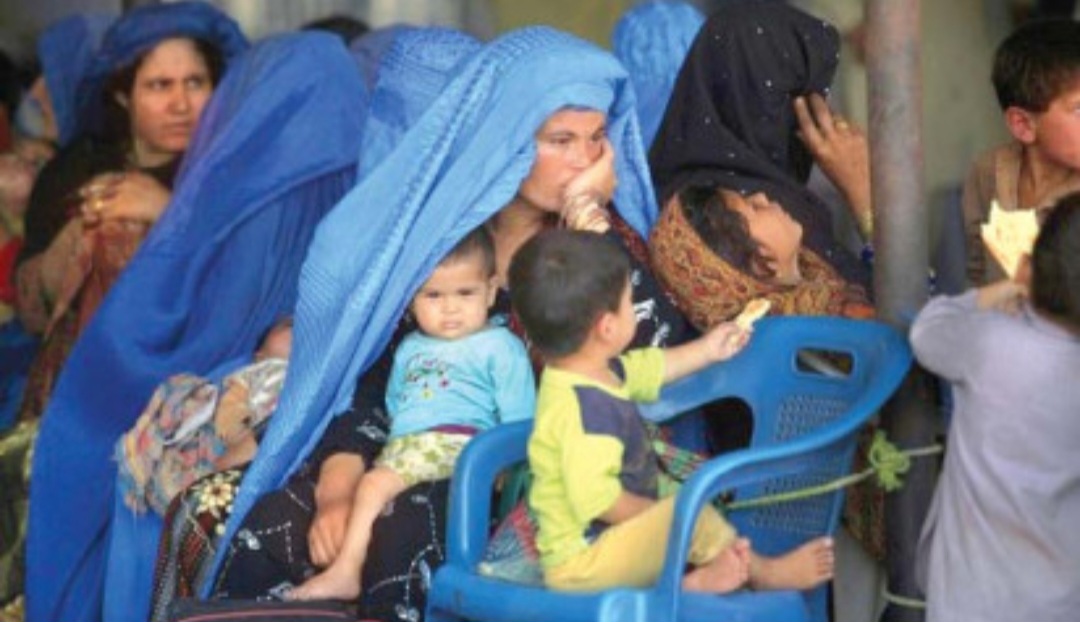
Said Alam's family is preparing to leave within the next 10 days, she said. Zainab says she wants to go with her husband, but so far, she has not found a clear route that would allow all four of them—herself and their three children—to travel with him.
Her case raises a question that extends beyond one family: when an Afghan husband and Pakistani wife decide to remain together, how can documentation and repatriation procedures accommodate families whose members hold different nationalities?
For now, Zainab is waiting for a solution that would allow her family to cross the border together.
.jpeg)

Comments
No comments yet. Be the first 🙂