


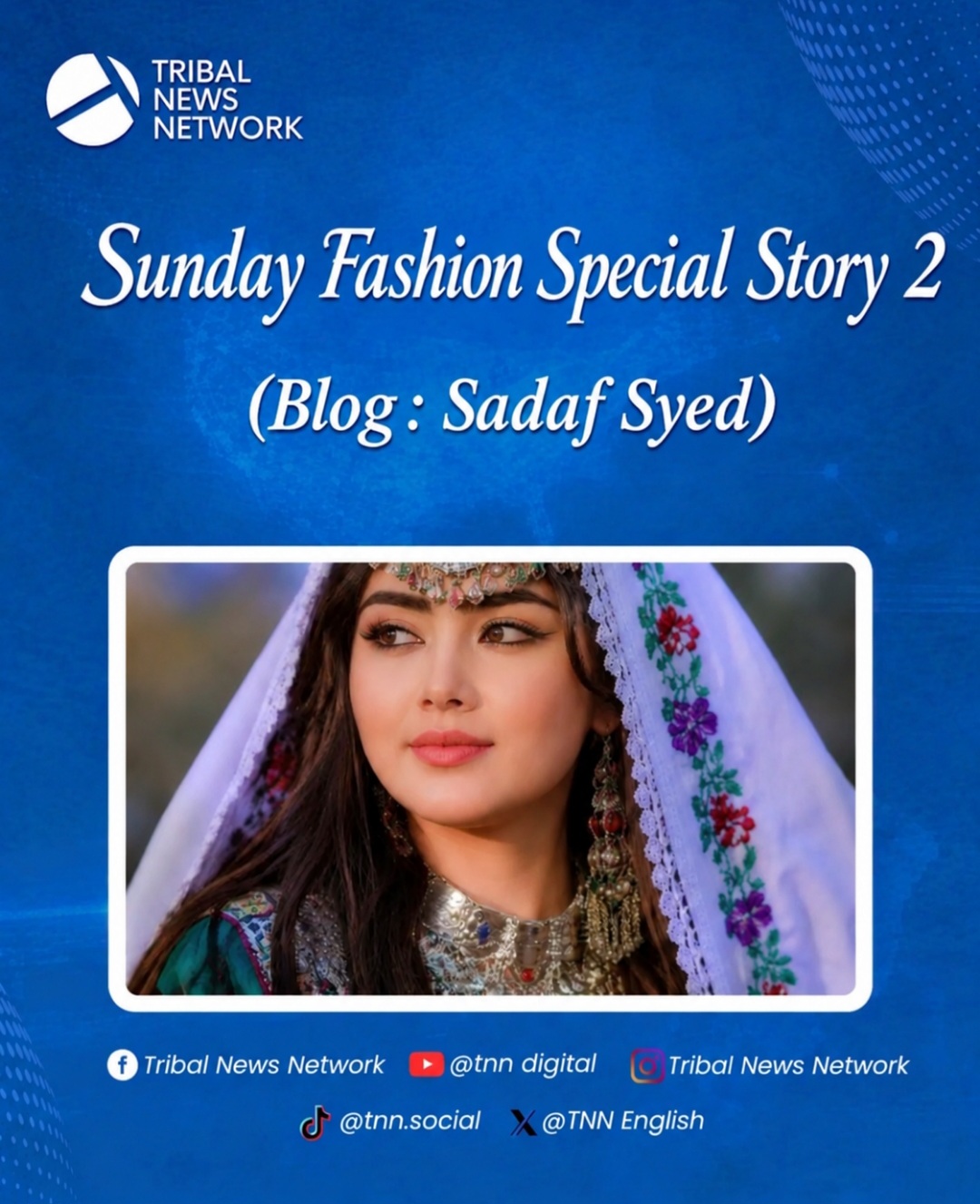
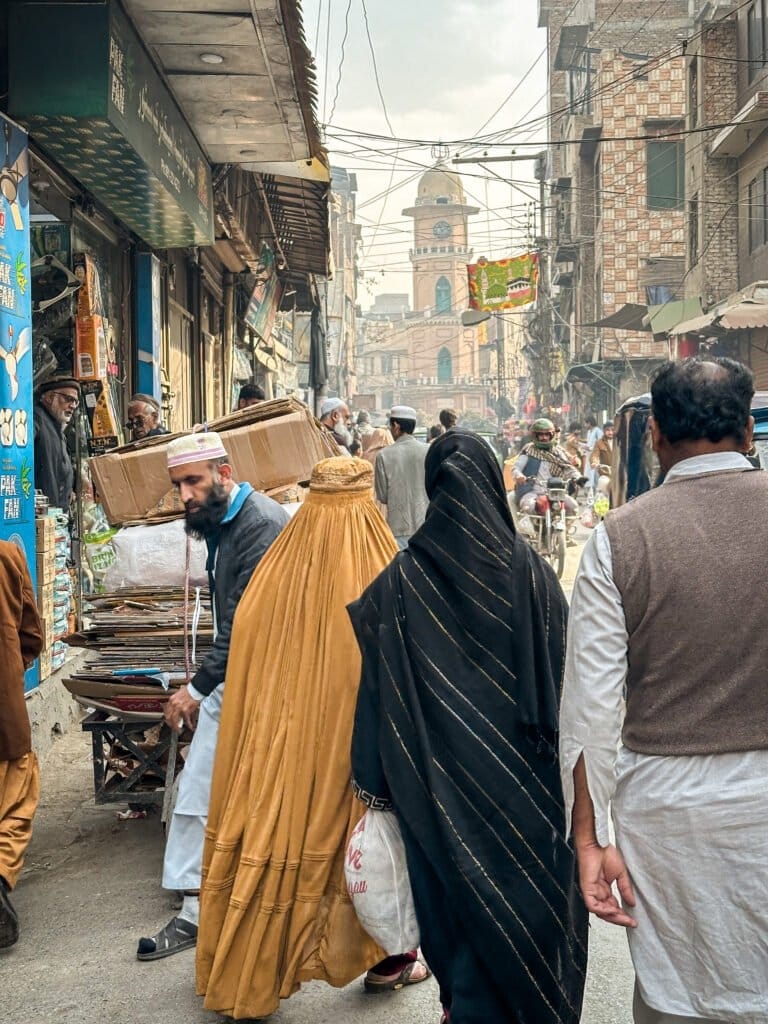
Walking through the streets of Peshawar, one of the first things that reflects the city’s culture is the traditional clothing worn by its people. Loose-fitting shalwar kameez, waistcoats, Peshawari caps and traditional sandals are not merely garments but symbols of an identity passed down from one generation to another. Here, clothing represents a person’s region, traditions and cultural roots.
The history of this traditional attire spans several centuries. In 1808, British envoy Mountstuart Elphinstone arrived at the court of Kabul’s King Shah Shuja. Upon his return, he wrote his famous book, An Account of the Kingdom of Caubul, which is considered one of the earliest detailed accounts of Afghan tribal culture. Describing men's clothing in the western regions, he mentioned loose, dark-coloured cotton trousers, open shirts, small caps, half-boots and large cloaks made of sheepskin.
This clothing reflected simplicity, comfort and the demands of the local climate. Although its styles have evolved over the past two centuries, its basic traditions have remained intact. In a 2024 research paper, Kiran Nazir and Muhammad Ali Dinakhel of the University of Peshawar pointed out that despite its historical significance, Elphinstone’s book was influenced by colonial-era biases and should therefore be read critically.
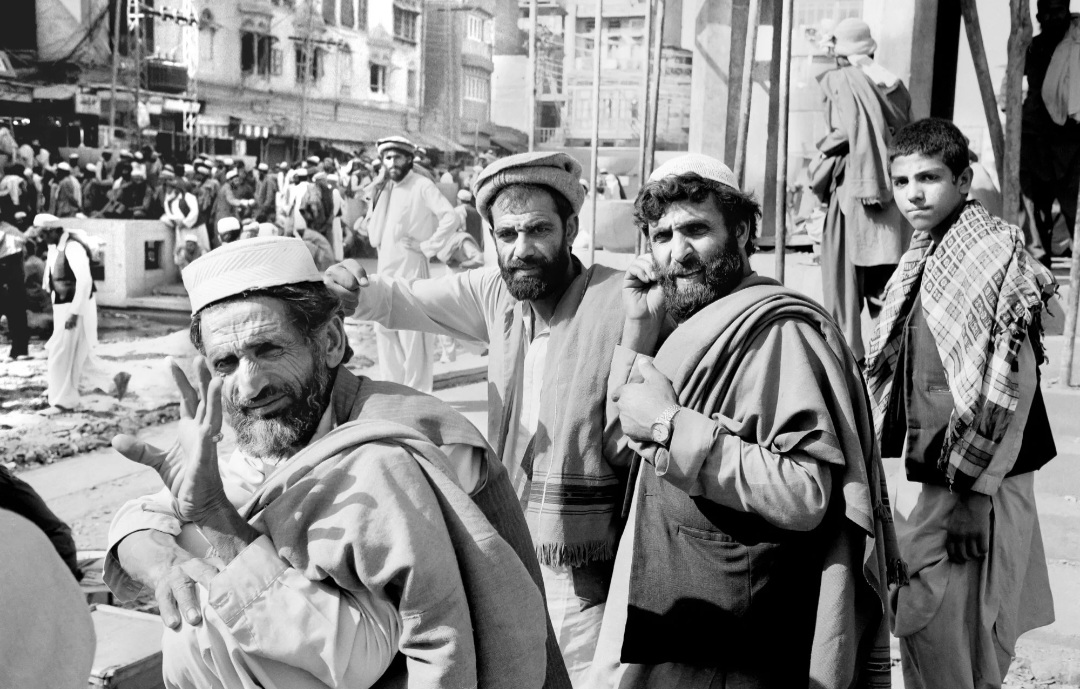
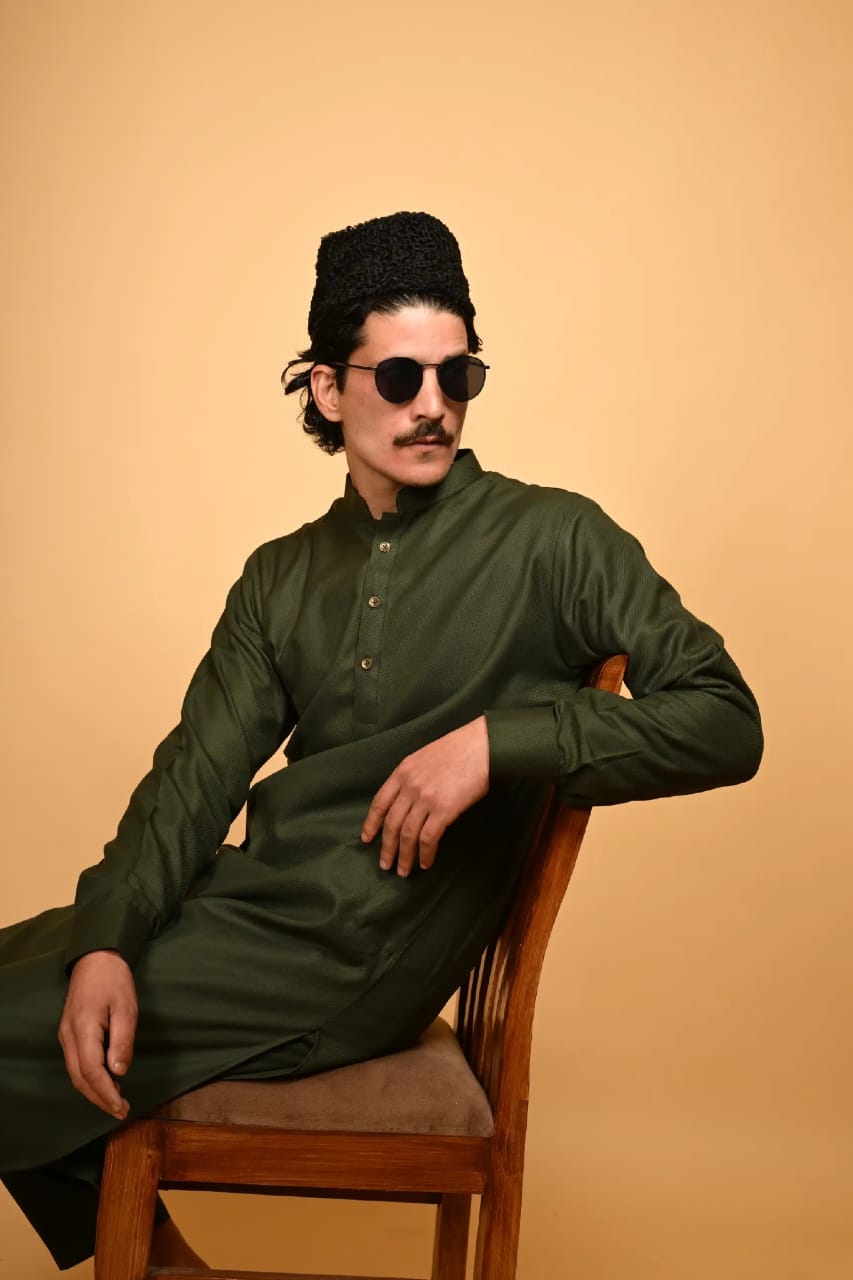
Traditional men's clothing in Khyber Pakhtunkhwa features shirts with either an open front or a closed neckline, paired with loose trousers that extend to the ankles. These are commonly worn with waistcoats, Peshawari caps and traditional sandals. Elderly men can also be seen wearing turbans made from traditional Peshawari patka or lungi fabric, while the distinctive upright shamla is considered a symbol of honour and respect. Tribal elders and chiefs also have a tradition of wearing the Karakul cap.
During winter, men wear choghas, or traditional cloaks. The Kabuli pashm chogha, made from fine wool of the dumba sheep found in Peshawar and Kabul, is particularly famous for its warmth and elegance. In some families, these cloaks are treasured possessions passed down through generations.
The Peshawari chappal is another prominent symbol of this culture, with its history closely linked to Peshawar's Namak Mandi area. Local craftsmen traditionally made these sandals using leather and rubber from old tyres, along with other locally available materials. Known among Pashtuns as spali, the footwear is popular among everyone, from ordinary citizens to politicians. Imran Khan's signature 'Kaptaan Chappal' also brought it renewed attention.
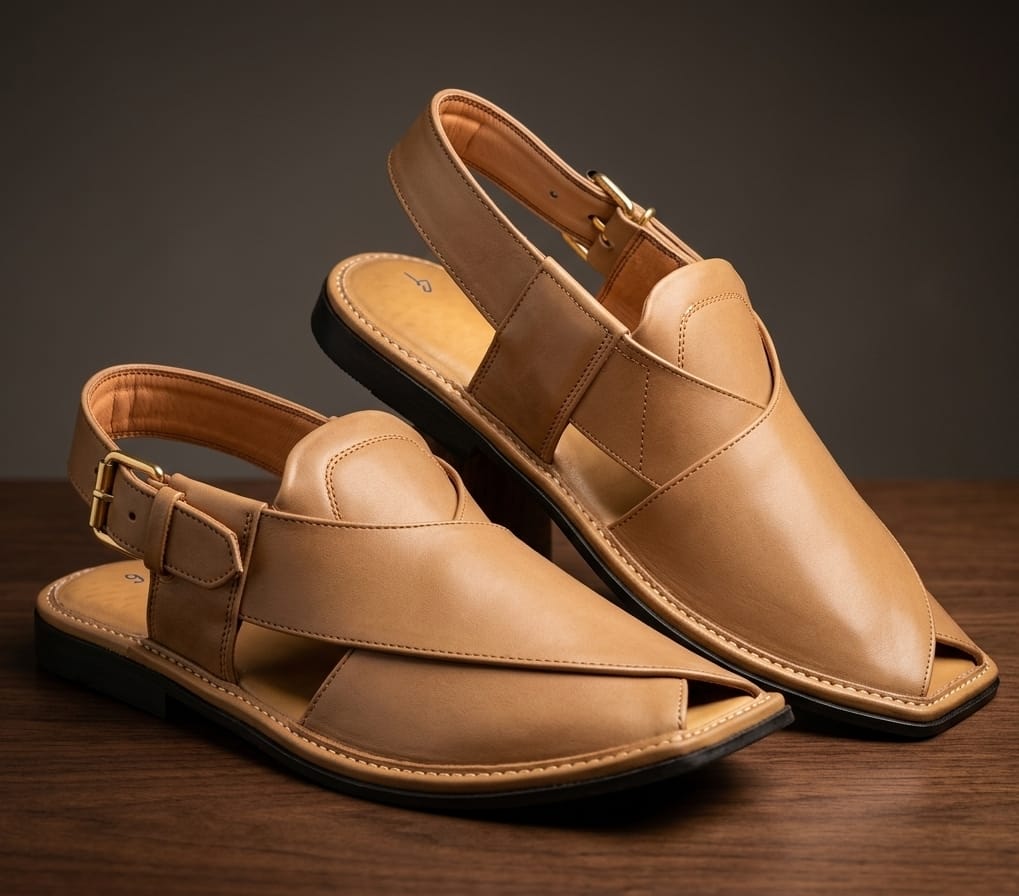
In 2014, British designer Paul Smith faced a debate on social media over cultural design imitation after a similar-looking shoe was reportedly sold for £300. This brought a traditional footwear design created by local craftsmen into the spotlight of international fashion.
This tradition is not limited to older generations. Young people also prefer shalwar kameez, waistcoats, Peshawari chappals and traditional caps on occasions such as Eid and weddings. On social media, the younger generation is introducing Pashtun culture through photographs and videos showcasing traditional clothing. The same cultural influences can be seen in children's clothing. Boys wear small shalwar kameez, waistcoats, sandals and Peshawari caps, while girls wear embroidered frocks or shalwar kameez paired with bangles and colourful ribbons. In this way, children become familiar with their cultural attire and traditions from an early age.
Traditional Pashtun women's clothing also has its own distinct identity. It generally consists of a long shirt or a flared frock paired with loose, colourful trousers known as partoog. A shawl or dupatta is worn over the head, while a traditional belt or sash called a patka is tied around the waist.
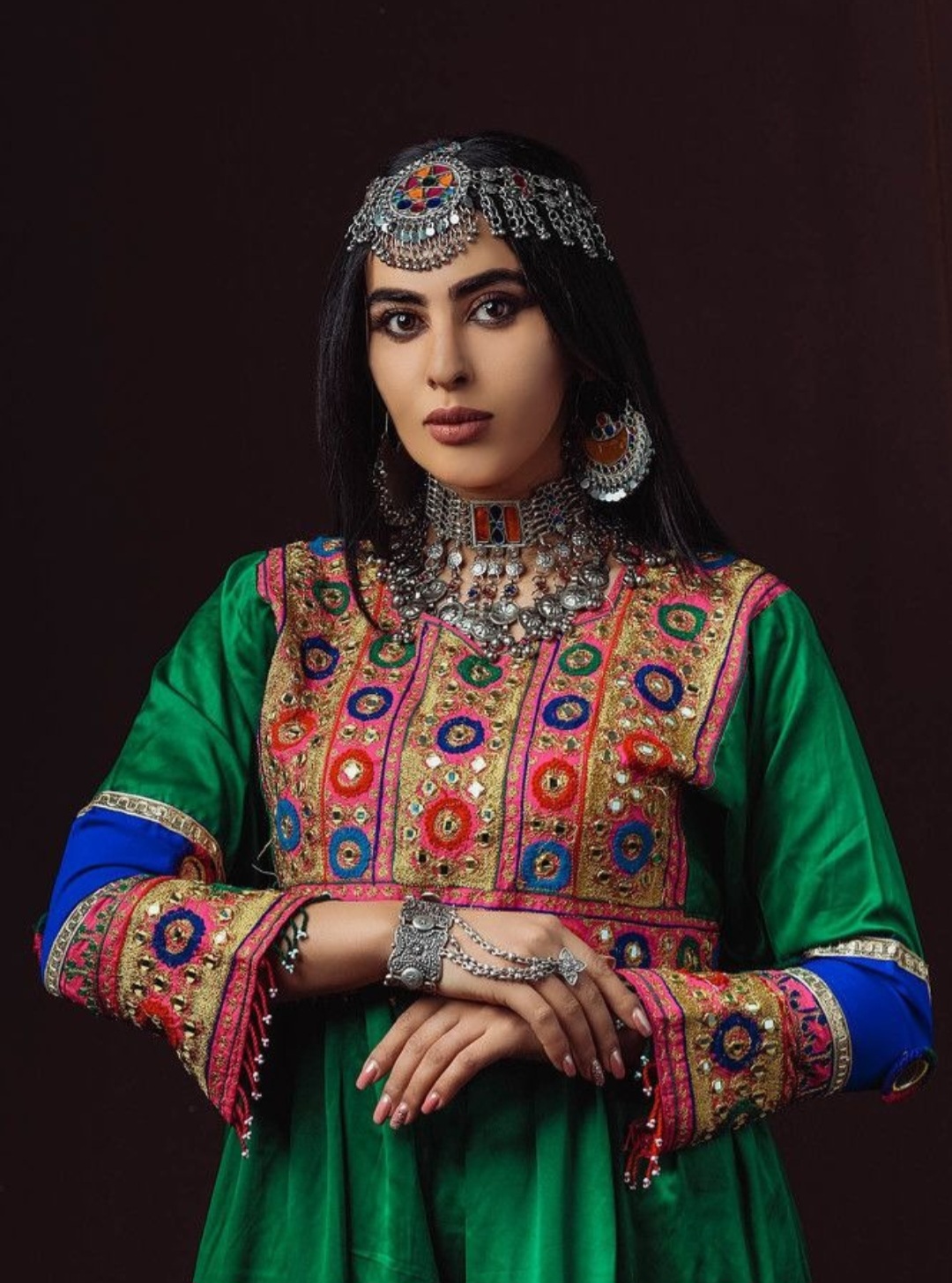
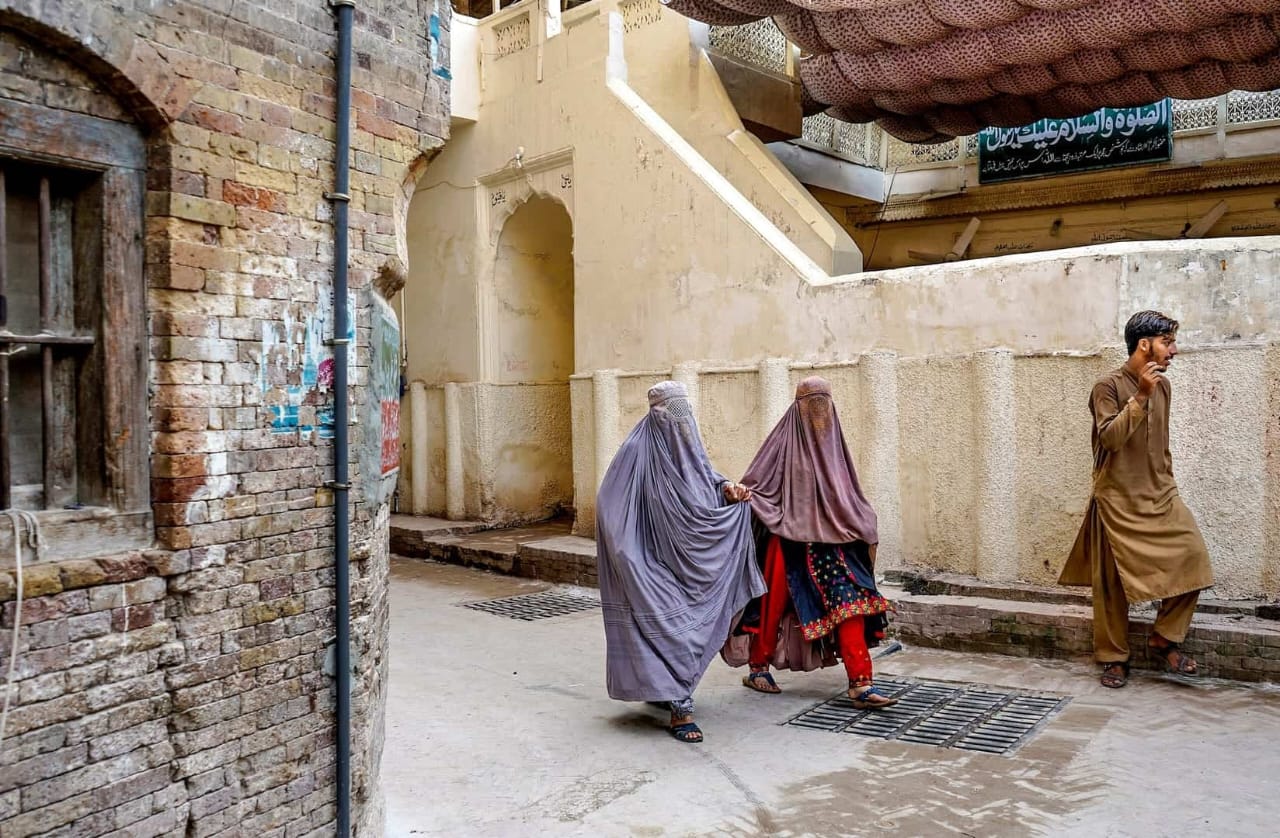
The sleeves of the frock usually extend below the elbows or reach the wrists, while the neckline, shoulders and sleeves are decorated with intricate beadwork and hand embroidery. In some areas, women also wear a shawl or burqa with this attire. The colourful, embroidered three-layered dresses worn by nomadic Kochi women also have a distinctive cultural identity.
Today, women in Peshawar generally wear simple shalwar kameez with a shawl or dupatta in their daily lives, while warm shawls are preferred during winter. On occasions such as Eid and weddings, embroidered long frocks, colourful partoog and traditional jewellery once again become prominent. Young women are also embracing traditional embroidery through modern designs and colour combinations, keeping old craftsmanship alive in contemporary styles.
Also Read : Not every child dreams of becoming a doctor or engineer
Silver jewellery also holds special significance in women's traditional attire. Necklaces decorated with colourful stones, bangles, rings, large earrings, head ornaments and nose rings are among the traditional accessories. The use of colourful beads is also common. These ornaments are more than decorative items; they are considered valuable family heirlooms. In many families, rings, nose rings and shawls belonging to grandmothers are passed down from mothers to daughters, particularly as cherished family keepsakes on wedding occasions.
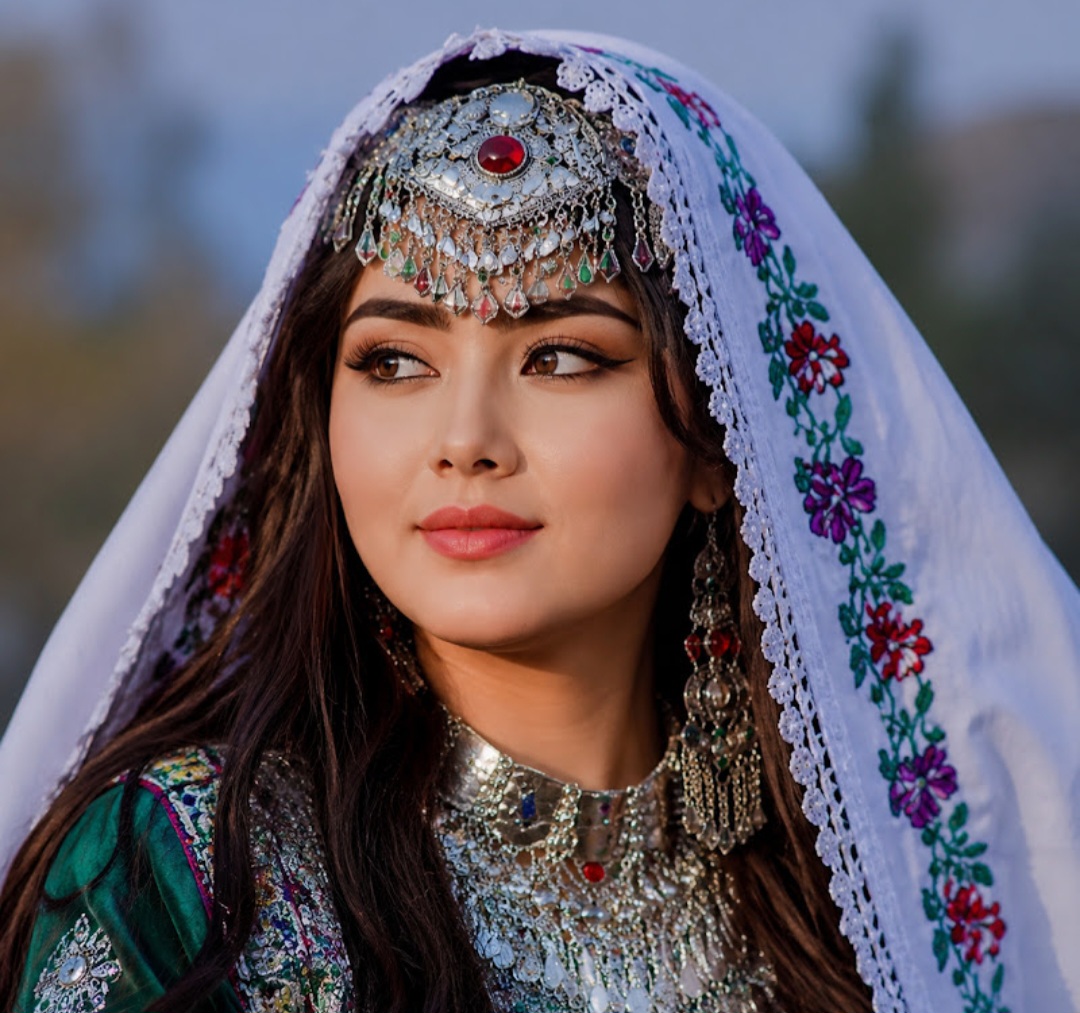
An important aspect of traditional clothing and embroidery is the practice of domestic craftsmanship. In many households, women sew clothes for their daughters, sons and other family members themselves. The process of stitching and embroidery often begins several weeks before Eid. Outfits for different family members are made from the same piece of fabric, while dupattas and necklines are decorated with hand-embroidered floral patterns and intricate designs.
In her book Afghanistan Embroidery, Sheila Paine explores the traditional craftsmanship of different tribes and regions through more than 30 embroidery patterns. Her work highlights how embroidery serves as a distinct cultural identity for each region. This household effort not only helps reduce expenses but also provides a means of transferring traditional skills from one generation to the next.
Clothing is not merely connected to one's outward appearance; it is also linked to collective identity. Norwegian anthropologist Fredrik Barth, in his well-known paper Pathan Identity and Its Maintenance, explained that Pashtun identity is sustained not only through ancestry but also through adherence to traditions, social values and customary practices. Clothing is one of the most visible expressions of these traditions.
Modern psychology has also explored the impact of clothing on human behaviour. In a 2012 study published in a psychology journal, researchers Hajo Adam and Adam Galinsky, in their paper Enclothed Cognition, explained that the symbolic meaning associated with clothing, along with the act of wearing it, can influence a person's attention and thinking. In their experiment, participants who wore a white coat believing it belonged to a doctor demonstrated improved attention. However, the same effect was not observed when the coat was described as a painter's coat. Similarly, in 2015, Michael Slepian and his colleagues examined the relationship between formal clothing and abstract thinking.
However, research in this field is still ongoing, and studies have not produced consistent results. No particular outfit, cap, sandal or piece of jewellery can, by itself, make someone successful. Nevertheless, a connection with one's cultural identity and pride in one's traditions can contribute to personal confidence.
The real challenge is passing these traditions on to the younger generation. If young people begin to consider their culture outdated and ignore it, traditional clothing, local craftsmanship and skills such as hand embroidery may gradually lose their significance. Peshawari chappals, women's embroidery, silver jewellery and the traditional cloaks worn by elders are not merely reminders of the past; they are an integral part of a living culture.
The traditions of Peshawar remind us that the true beauty of clothing lies not in its price or brand, but in the history, craftsmanship and identity it carries.
Comments
No comments yet. Be the first 🙂