


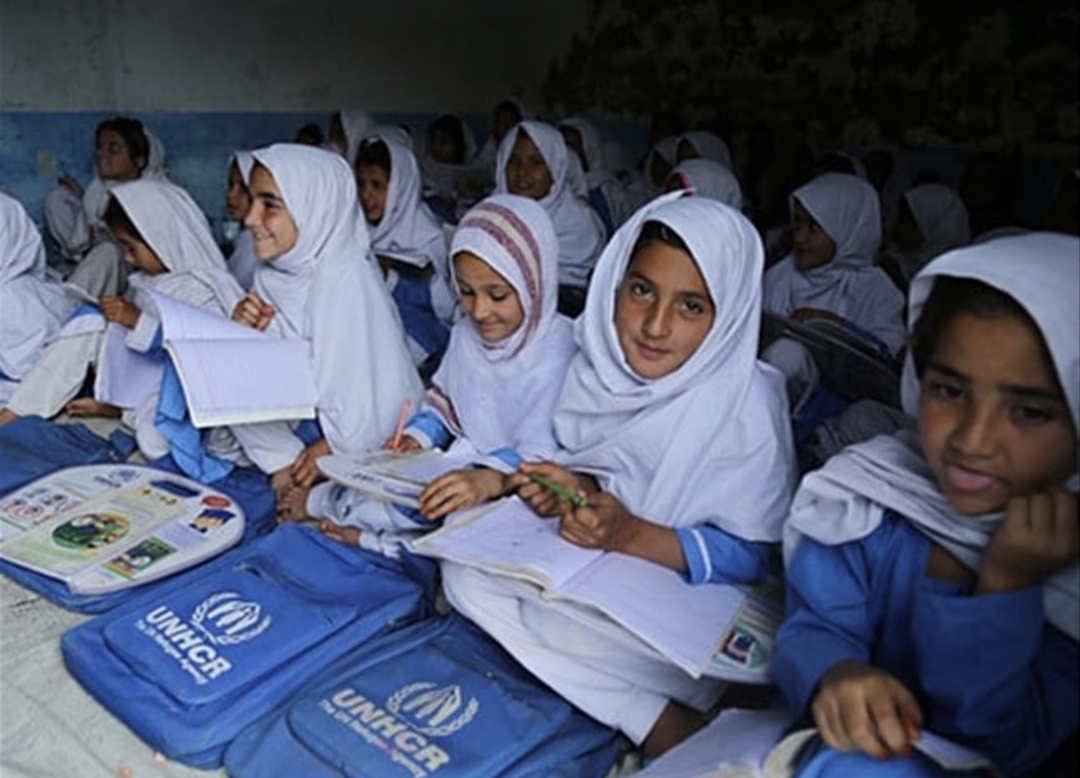
For the past three days, Pakistani teachers have been holding a sit-in outside the office of the United Nations refugee agency in Peshawar.
These are teachers who spent many years teaching the children of Afghan refugees in the same schools. They are demanding that the issue of their employment be resolved, that they be given an opportunity to teach Pakistani children in the same schools, that new contracts be offered to them, or that some alternative arrangement be made to help them find employment again.
The return of Afghan refugees from Pakistan is an issue with many dimensions. On one hand, there are Afghan families who are returning to their country after spending many years in Pakistan. On the other hand, attention should also be given to the people whose livelihoods were connected to institutions and services supporting these refugees.
Among them are a large number of Pakistani teachers who spent years teaching the children of Afghan refugees.
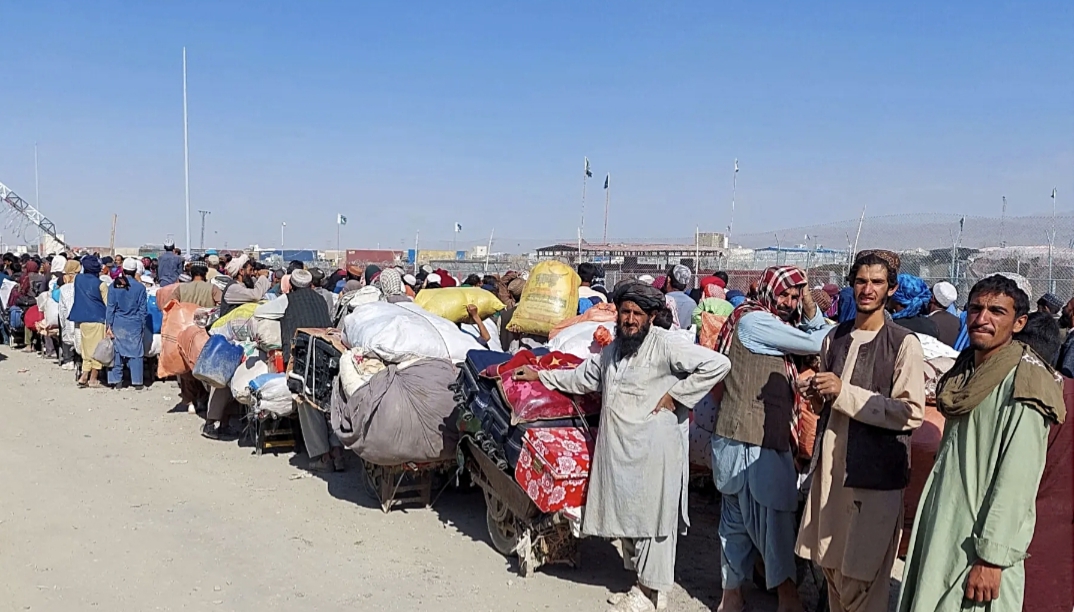
Some teachers worked for 10 years, some for 20 years, while others served in these schools for as many as 30 years. Now, as Afghan families return, these teachers are facing a major question: Where do we go now?
Unemployment After 30 Years of Service:
This is not simply a question of one job; it is a question of an entire household. Consider someone who has been doing the same job for 30 years. They are older now, their children have grown up, and they have household expenses, children's education, electricity and gas bills, and everyday needs to meet. It is not difficult to understand how difficult it can be for such a person to suddenly lose their source of income.
A person may have devoted their entire professional life to an institution and then suddenly be told that there is no longer any work or job available. This can be extremely difficult for anyone, especially at an age when finding new employment is not easy.
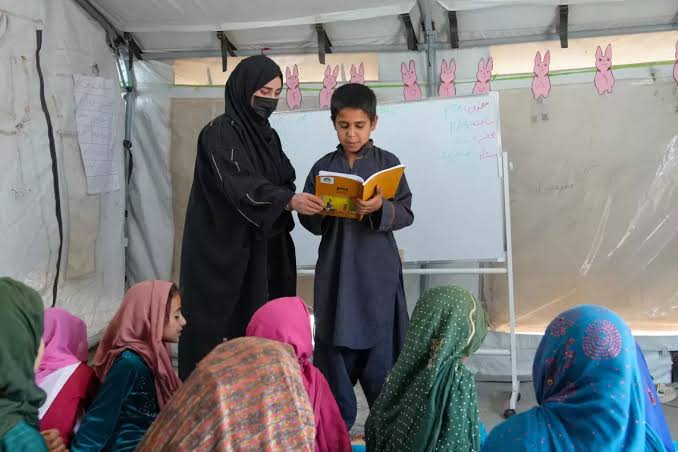
A young person may be able to learn a new skill or look for work in another institution, but for a teacher who has spent a major part of their life working within a particular educational system, finding a new position suddenly is not easy.
Also Read : HPV Vaccine: Between Parents’ Fears and the Fight Against Cervical Cancer
That is why the protest by these Pakistani teachers cannot simply be dismissed as an employment issue.
When a Teacher Loses a Job, an Entire Family Is Affected:
When a teacher loses their job, it is not only one person who becomes unemployed; an entire family is affected. Their salary may have been used to run the household, pay their children's school fees, buy medicines for parents, purchase groceries, save for a daughter's marriage, or continue a son's education.
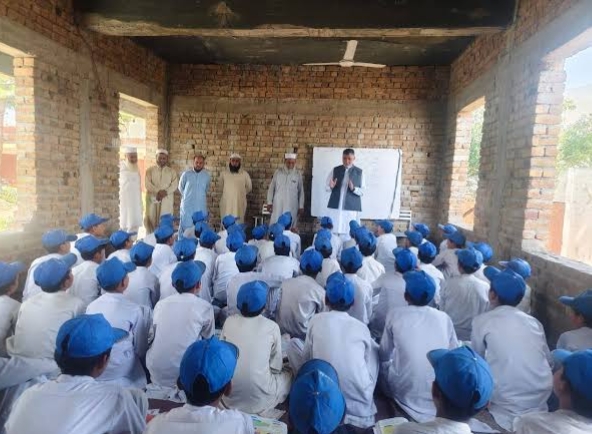
Now, if that source of income suddenly disappears, even the next day can become uncertain for such a family. Therefore, the concerns of these teachers need to be viewed not merely as a protest or a set of demands, but as a human issue.
Institutional Policies Matter, but So Does the Future of Local People:
It is also a reality that institutions working for refugees operate under their own policies, budgets and programmes. After the return of Afghan refugees, the closure or restructuring of some of these programmes may be part of an administrative process.
But the question is: What will happen to the local people who remained part of these programmes for years?
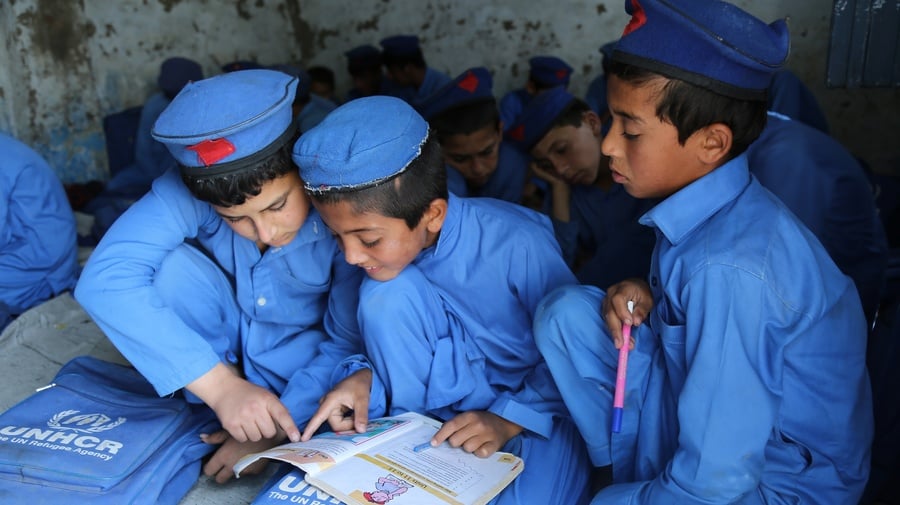
Should a teacher be overlooked simply because the children they taught have now returned to Afghanistan? Perhaps a solution can be found by considering the needs of both sides.
Why Not Give These Teachers an Opportunity to Teach Pakistani Children?
One possible solution could be to establish community schools for Pakistani children in areas where these schools already exist. If the buildings are available, the teachers are available, and there is a need for education among local children, then why completely shut down the system instead of using it for a new purpose?
The same teachers could be given an opportunity to continue their services by teaching Pakistani children. This could help address two issues at the same time: providing educational opportunities to local children and preventing experienced teachers from suddenly losing their livelihoods.
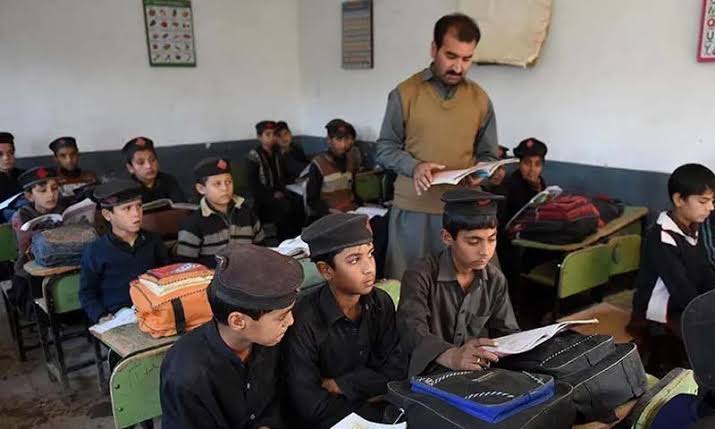
The return of Afghan refugees may mark the end of one chapter, but it does not necessarily have to mean the end of the careers of the Pakistani teachers who served them for decades.
These teachers already have teaching experience. They understand the classroom environment. They have experience teaching children, communicating with parents, and managing school systems. What is needed is simply to find a way to integrate them into a new system.
The Government Can Also Play a Role in Restoring Their Employment:
The responsibility should not rest solely on institutions working for refugees. The federal and provincial governments can also play a role in addressing this issue.
If a teacher has spent 10, 20 or 30 years teaching, that experience should not go to waste. The government can develop a special policy for such teachers.
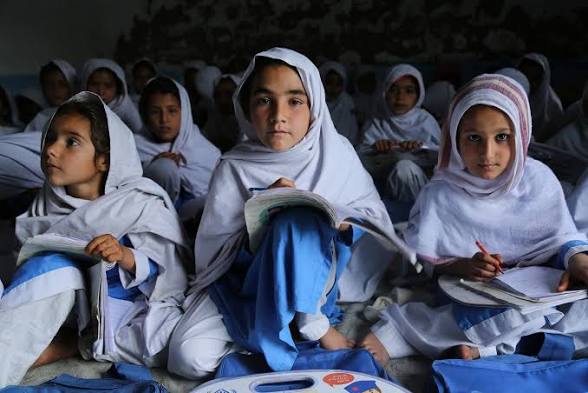
They could be given priority for vacant positions in government schools, or at least the recruitment process could be made easier by taking their experience into account. If permanent employment is not immediately possible, they could also be accommodated in schools on a temporary or contractual basis.
Experienced Teachers Need to Be Brought Back to the Classroom:
This is not about blaming any particular institution. The real need is to find a solution that takes everyone's circumstances into account. The budgets and regulations of institutions working for refugees are important, but so are the years of service provided by these teachers.
If institutions do not have the authority to offer them permanent employment, they could at least consider transitional financial assistance, appropriate compensation, employment in other institutions, or other pathways to help them return to work.
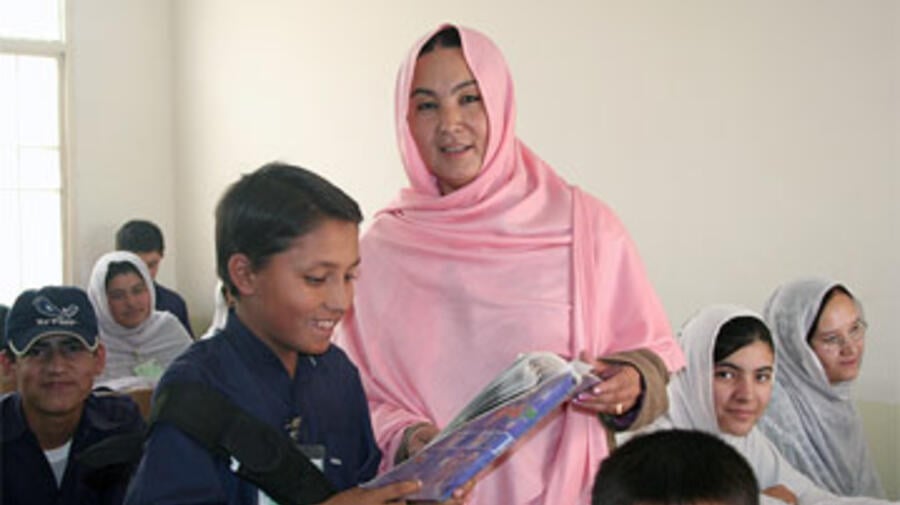
The government, relevant institutions and people associated with the education sector can work together to find a solution that prevents experienced teachers from ending up on the streets and helps them return to the classroom.
Ultimately, these people are not simply asking for jobs. They are asking for a way to protect their families' future. These Pakistani teachers, who spent years educating Afghan children, now find themselves at a point where they need support. It would be unfair to simply forget their years of service as though their employment had merely come to an end.
Instead of leaving the hands that spent years educating children to unemployment, efforts should be made to reconnect them with books, classrooms and blackboards.
Note: This article reflects the personal views of the author, which do not necessarily represent the views of the organisation.

.jpg)
Comments
No comments yet. Be the first 🙂