


By Danyal Masood
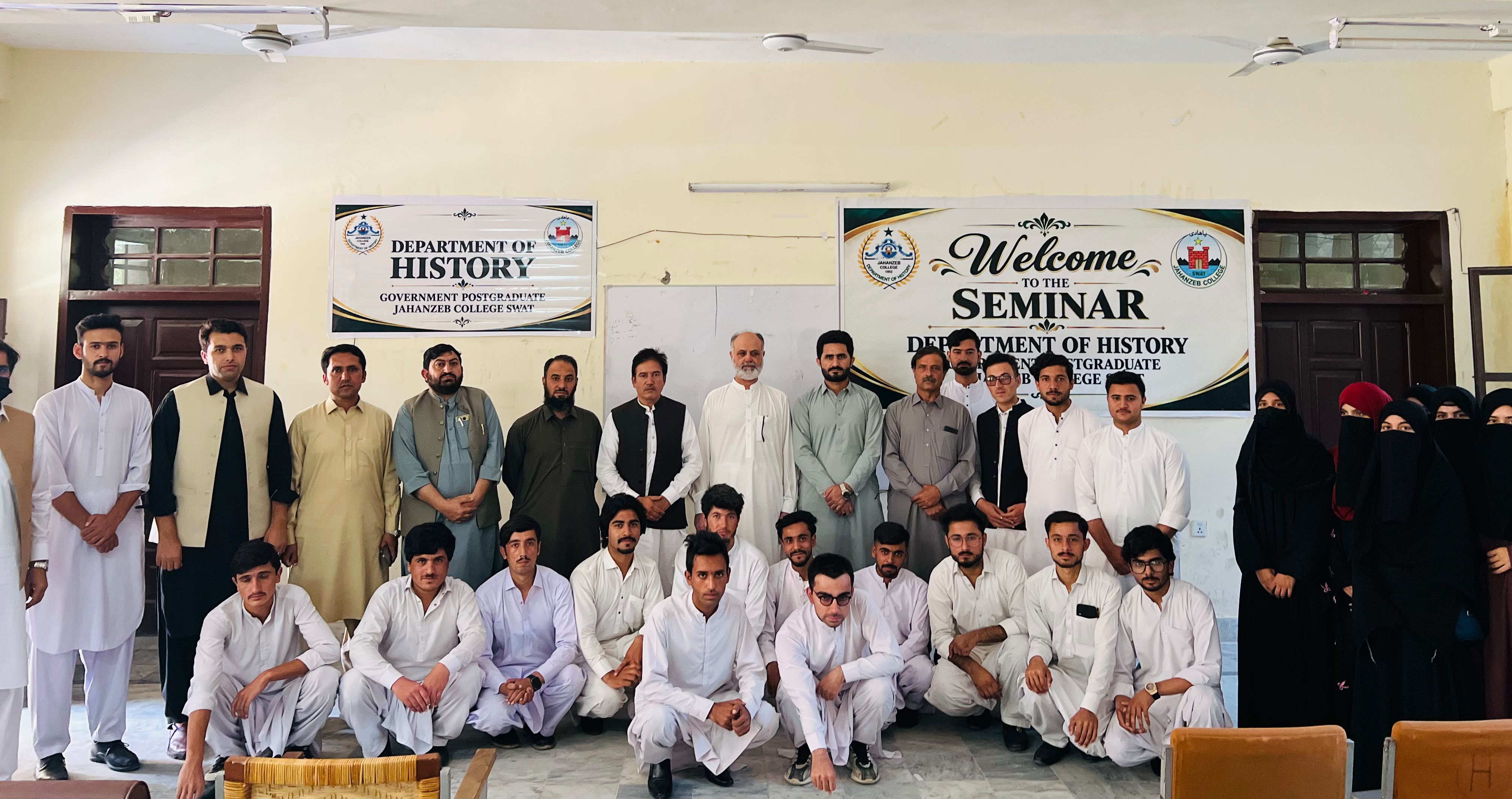
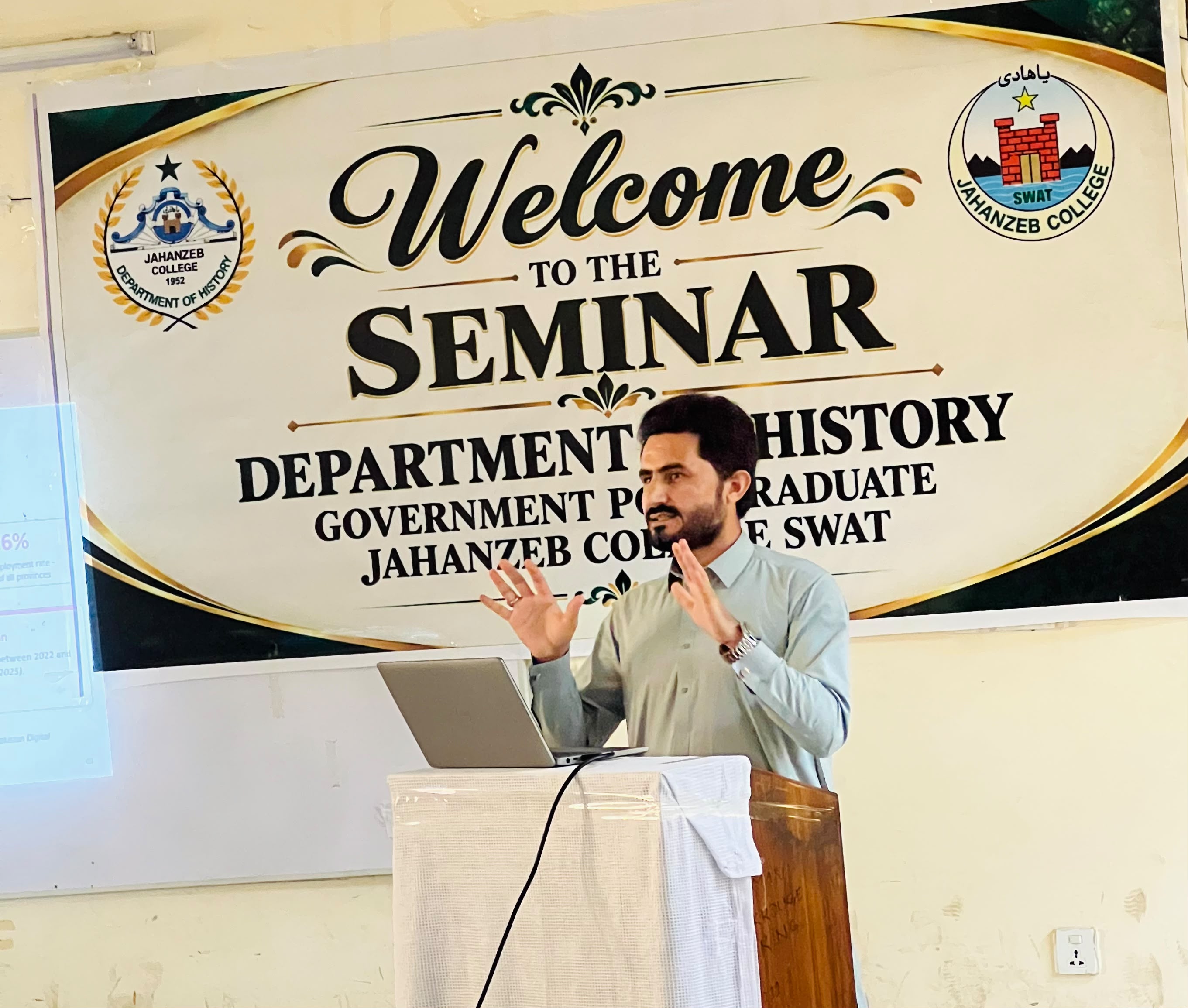
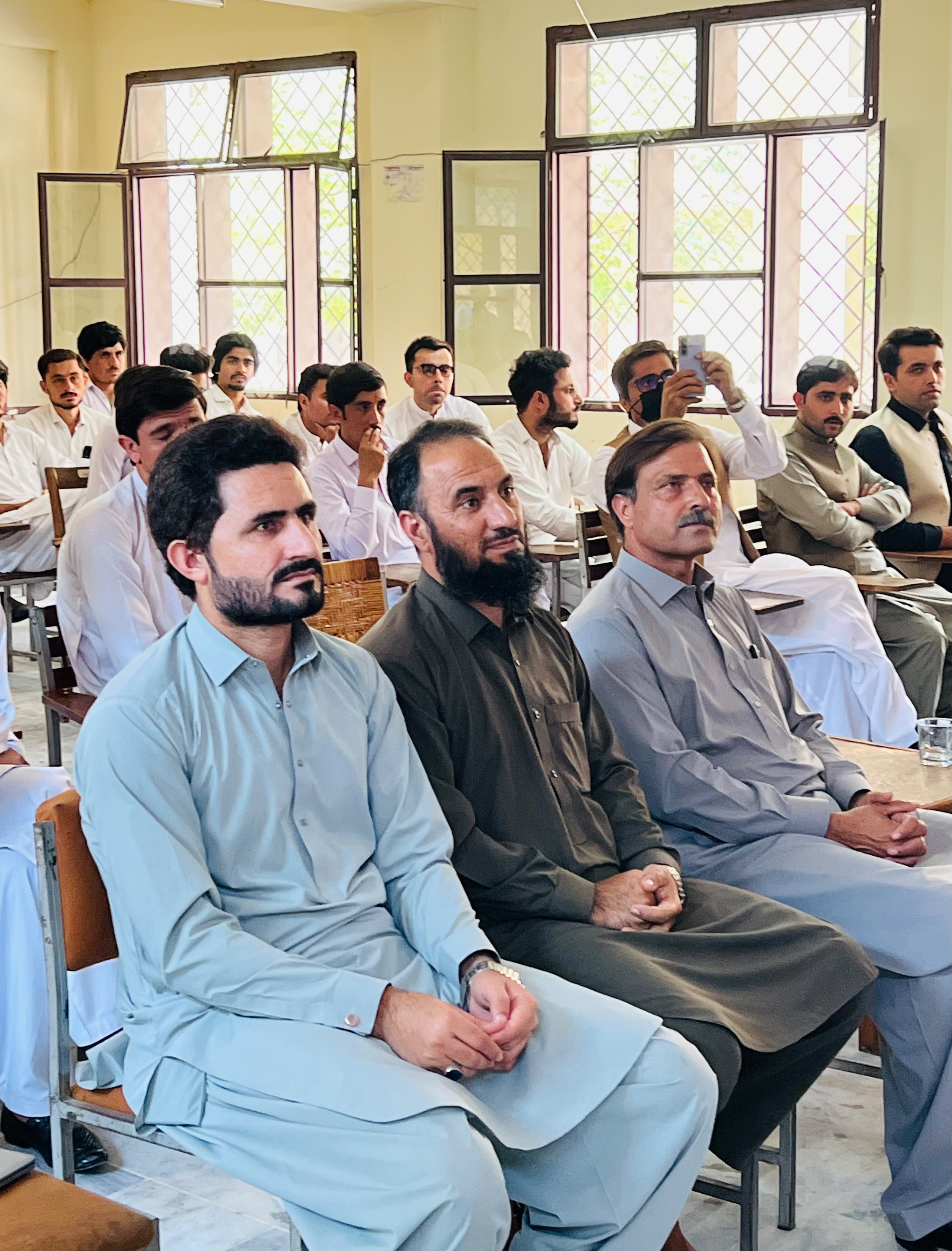
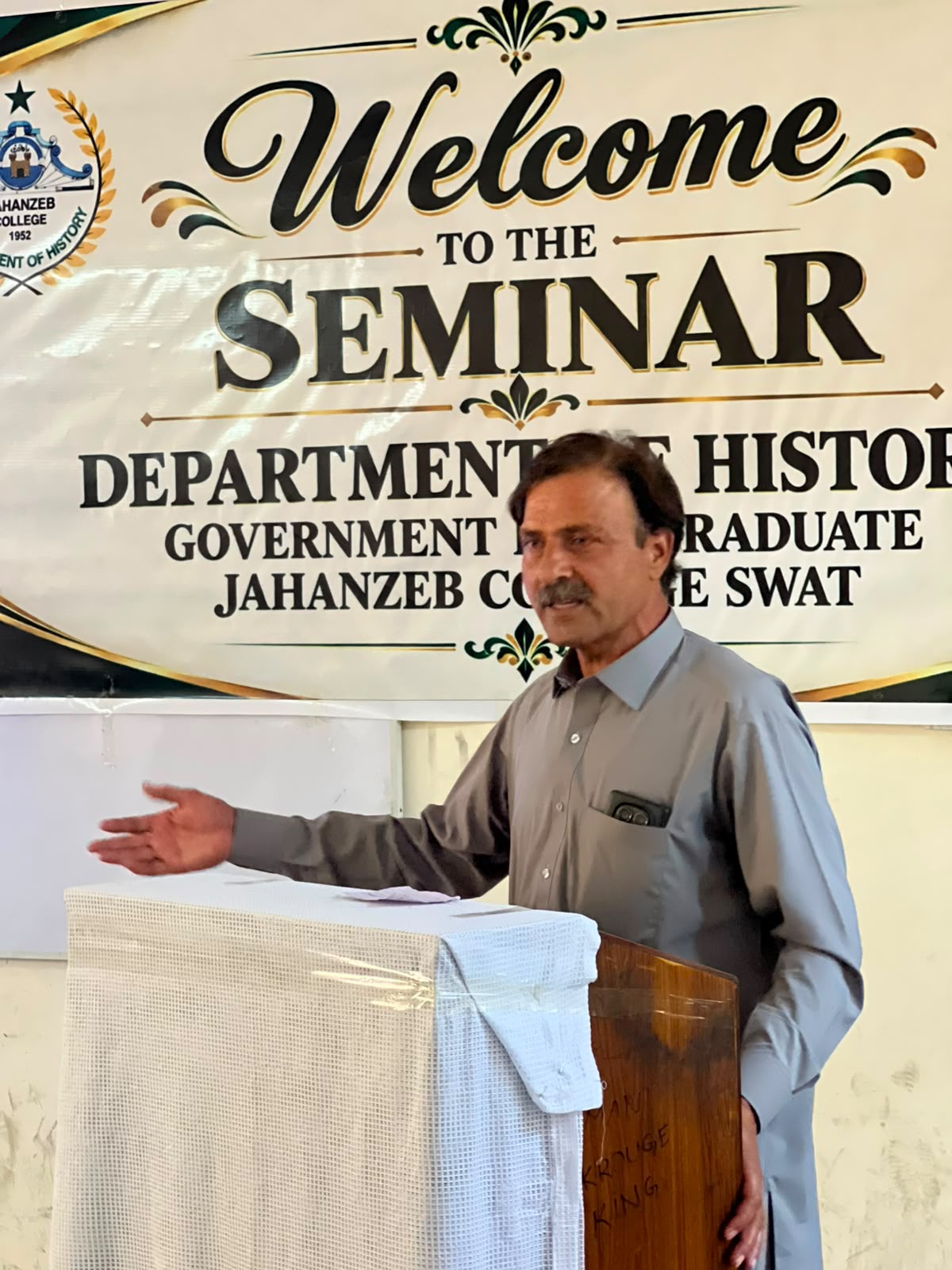
A seminar titled “After Graduation: What Next?” was held on Saturday, 19 September 2026, from 10:00 AM to 1:00 PM at the Department of History, Government Postgraduate Jahanzeb College, Saidu Sharif, Swat, Khyber Pakhtunkhwa. The guest speaker for the event was Dr. Kefayat Ullah, Child Protection Case Officer, Swat.
“After Graduation, What Next? Unemployment, Uncertainty, and Aspirations Among Pakistani Graduates”, examining how unemployed university graduates in Khyber Pakhtunkhwa (KP), Pakistan, navigate the prolonged and uncertain transition from higher education to employment, and how this experience reshapes their aspirations for the future.
Speaker stressed on qualitative interviews with 28 graduates, the seminar identifies three interconnected processes: a precarious present, blocked transitions, and aspirational futures, and argues that structural immobility in the domestic labour market can generate aspirational mobility, particularly in the form of international migration.
Higher education is widely regarded as a pathway to employment, social mobility, and economic independence. Pakistan currently has 278 universities (HEC, 2026) producing an estimated 8 lac (800,000) graduates every year (Habib, 2026), yet employment creation has not kept pace with this expansion. National Labour Force Survey data cited in the paper show that Pakistan's overall unemployment rate reached 7.1% in 2024–25 (PBS, 2025), while Khyber Pakhtunkhwa recorded the country's highest provincial rate at 9.6%.
Unemployment is especially pronounced among graduates in the early stages of their careers: Gallup Pakistan's analysis of the same Labour Force Survey data shows a 24.8% unemployment rate among graduates aged 25–29, rising sharply to 45.2% among women in this age group compared with 14.9% among men. Against this backdrop, an estimated 2.4 million Pakistanis moved abroad between 2022 and 2024 (Ansari, 2025), underscoring the growing role of migration as a response to constrained domestic opportunities.
These figures point to a central paradox that motivates the study: higher educational attainment does not reliably translate into secure employment, particularly for women and for graduates of certain disciplines.
The seminar highlights this paradox within the broader concept of “waithood,” a prolonged period in which young people are unable to achieve socially expected markers of adulthood such as stable employment, independent living, and marriage, and asks how graduates respond to this waiting period, rather than assuming it produces only passivity.
How do unemployed university graduates in KP, Pakistan, experience prolonged transition from higher education to employment, and how do these experiences shape their future aspirations and strategies?
The study adopted an exploratory, interpretivist qualitative design. Twenty-eight unemployed university graduates (16 men and 12 women), aged 22–35 and holding at least 16 years of education across diverse disciplines, were purposively sampled from Khyber Pakhtunkhwa. Data were collected through semi-structured, in-depth interviews lasting approximately 35-70 minutes, conducted in person and by phone, and analysed using Braun and Clarke's six-phase reflexive thematic analysis. Confidentiality was maintained through pseudonyms and removal of identifying details.
Participants described unemployment as directly affecting their ability to meet basic needs food, clothing, accommodation, and healthcare often forcing dependence on family, friends, or charitable support. This dependency was experienced not only as material hardship but as a loss of dignity, self-worth, and independent decision-making, even among graduates who continued to receive household support.
Graduates described a labour market with very few relevant vacancies, intense competition, and pronounced disciplinary inequalities; graduates in History, Sociology, and similar disciplines reported particularly limited public-sector recruitment. Weak institutional support, including the absence of financial assistance, structured internships, and transition programmes, compounded these constraints. Even where opportunities existed, low wages and, in some cases, exploitative unpaid internships meant
Rather than remaining passive, graduates actively constructed alternative futures through multiple, often simultaneous strategies: continued pursuit of government employment (valued for stability and social identity), entrepreneurship (frequently adopted after prolonged, exhausting job searches), further education abroad, and international migration. Migration was rarely an immediate first preference; it typically emerged as a conditional “horizon of hope” once domestic pathways came to be seen as unreliable.
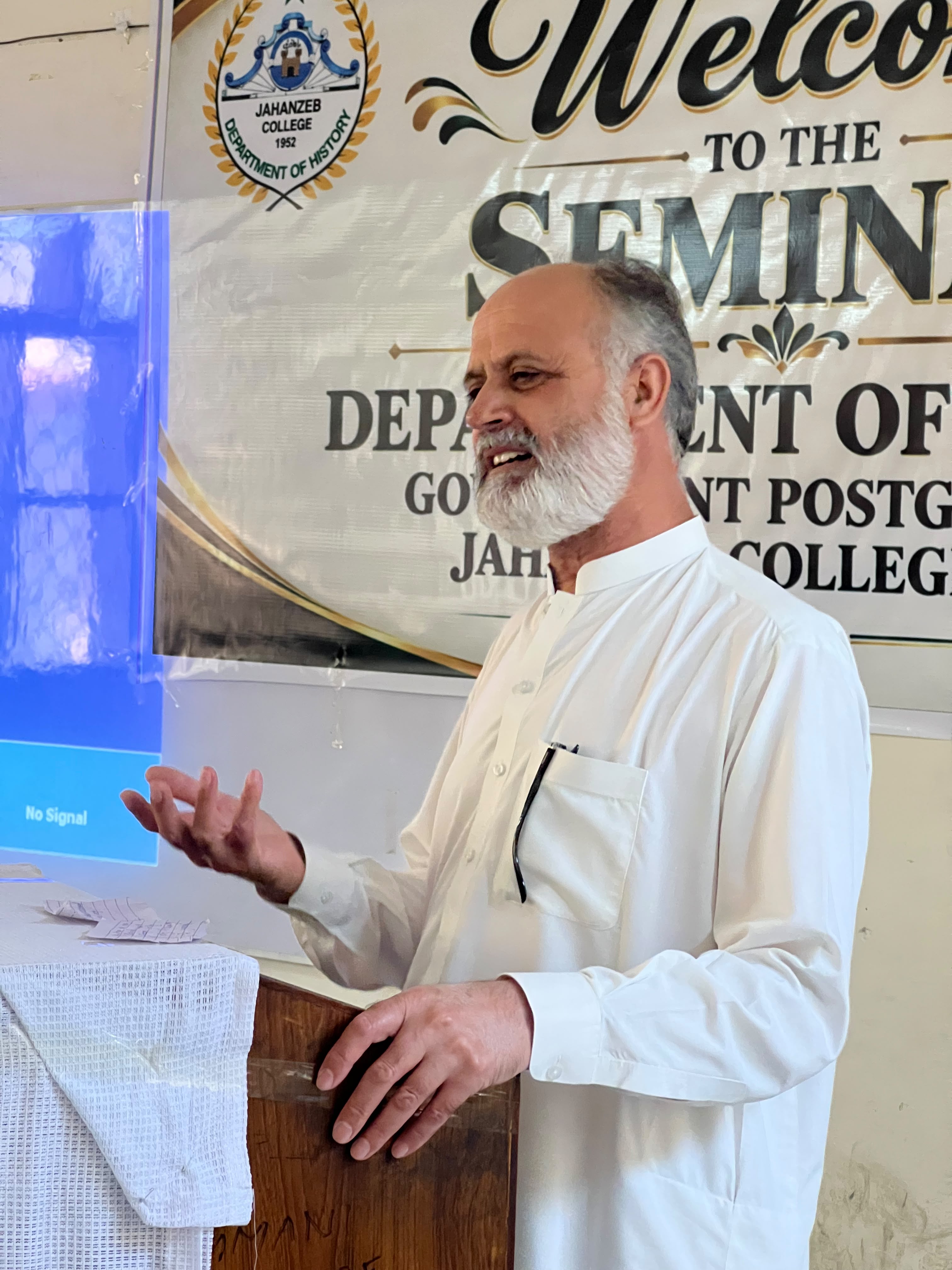
The seminar guest speaker emphasized that the experience of unemployment was clearly gendered. Male graduates linked unemployment to breadwinning expectations and threatened masculine roles, while female graduates, sometimes shielded from absolute material deprivation by household support, experienced unemployment primarily as a constraint on autonomy and independence.
The study extends Human Capital Theory by showing that the value of a degree is mediated by labour-market structure: education alone does not guarantee secure employment where institutional opportunities are scarce. It also extends waithood scholarship by linking temporal immobility (prolonged waiting) to geographical aspiration: the longer domestic transitions remain blocked, the more graduates incorporate international mobility into their future planning.
The paper's central theoretical proposition is that structural immobility can generate aspirational mobility: when local pathways to security and adulthood are blocked, graduates increasingly imagine migration as an alternative route to dignity, independence, and upward mobility.
The seminar concludes that graduate unemployment in Pakistan should be understood as a multidimensional condition of precarious transition affecting material security, autonomy, family relationships, and perceptions of the future rather than simply an absence of work. Waiting does not equate to passivity; graduates continuously revise their strategies in response to structural constraints.
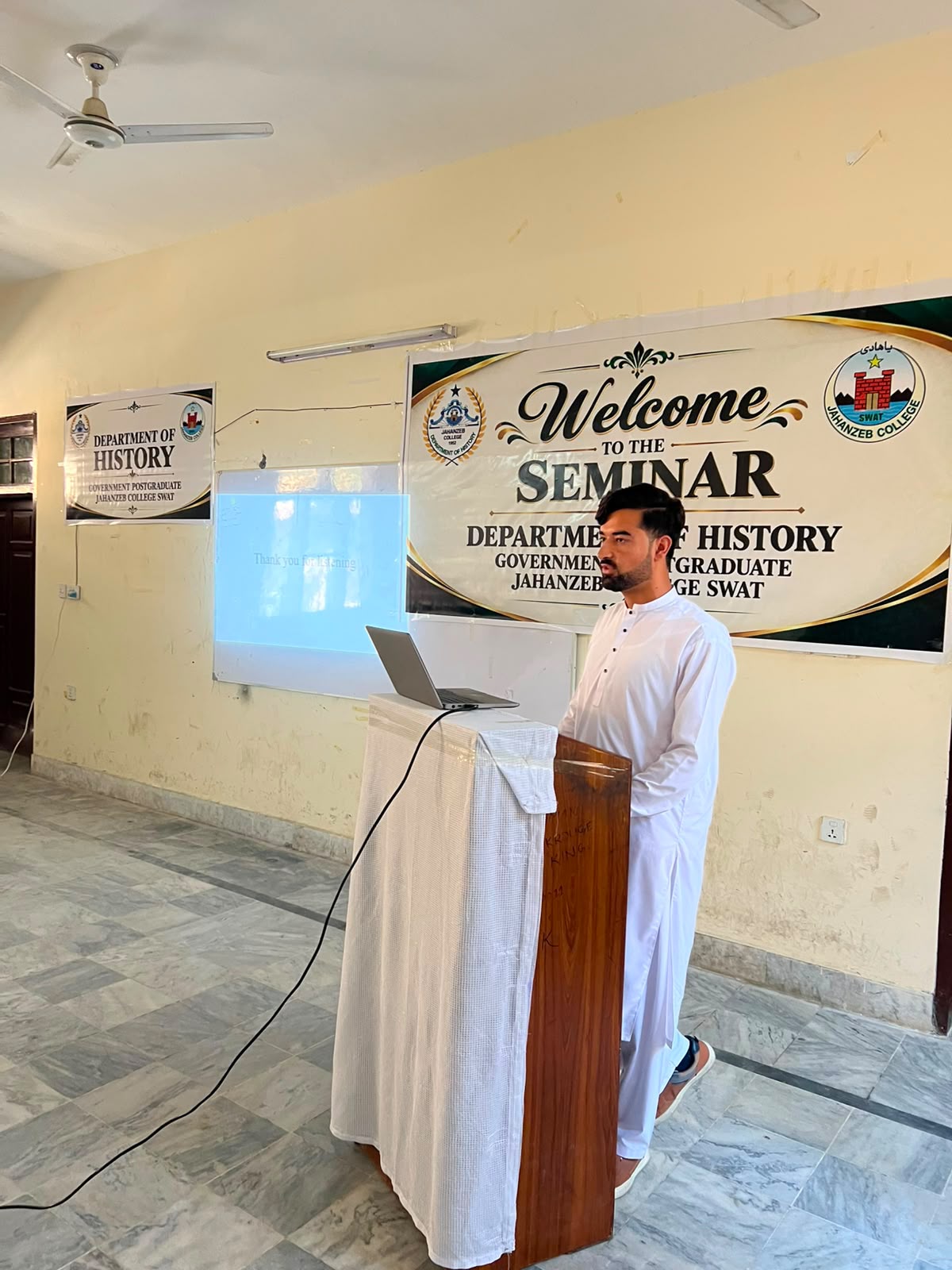
The seminar recommends: paid graduate internship and work-transition programmes, particularly for disciplines and regions with limited absorption; stronger university career-transition services and employer partnerships; gender-sensitive measures to expand women's economic participation and autonomy; employment policies that prioritise decent wages and job security rather than job creation alone; and safe, regular international migration pathways that address the structural conditions pushing graduates to consider migration in the first place.
The seminar also highlights that many graduates of social science face disproportionately limited public-sector recruitment made it particularly relevant to the seminar audience, prompting discussion of how the department might respond through curriculum design, career advising, and alumni engagement to the labour-market challenges facing its own graduates.

Comments
No comments yet. Be the first 🙂