


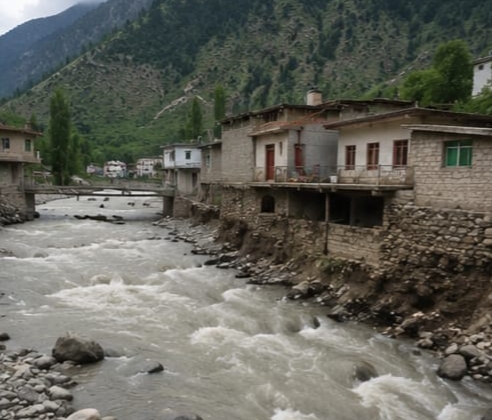
In Swat’s Bartana area, rain is no longer just a change in weather for one family. Whenever clouds gather in the sky, they are reminded of the devastation of 2022, when floods swept away their home.
Muhammad Huzaifa’s family previously lived along a natural stream, where their home, land, livelihood and daily necessities were all closely connected. But the floods forced them to reconsider the idea that a home is simply a place where land is available. Instead, it must also be located somewhere where the risk is relatively lower.
The Huzaifa family now lives in a rented house in a relatively elevated area. While looking for a place to build a new home, their first priority is a location away from water and on higher ground. Raised foundations, strong walls and proper drainage for rainwater are no longer additional construction measures for them but basic necessities.
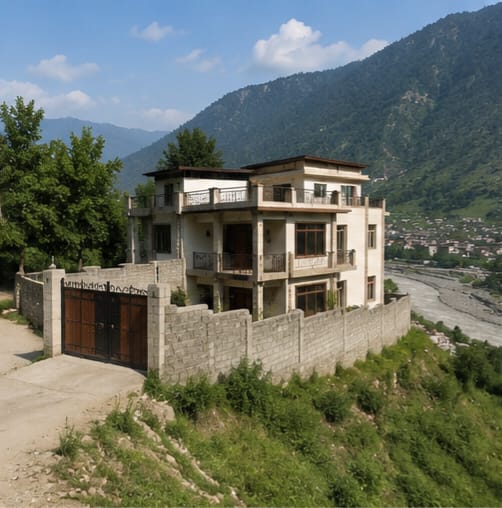
This change is not limited to one family. Experiences of changing weather patterns, heavy rainfall, floods and soil erosion in Swat have prompted some residents to reconsider both the location and construction methods of their homes.
After rainfall, when water flows down from the mountains, families living near rivers and streams first worry about where the water will go. Some clear drainage channels around their homes, while others inspect roofs and foundations. Some families, after experiencing floods in the past, have moved away from watercourses and settled in relatively higher areas. In this way, changing weather has turned the concept of a home in Swat into not just a matter of shelter, but also one of safety.
Looking at older homes in Swat, houses made of mud and wood were once common. These homes were built according to the local climate and available resources, keeping them relatively cool in summer and warm in winter. Over time, the population increased, construction styles changed, and concrete houses made of cement, blocks and steel became more common. People also increasingly settled near fields, roads, rivers and streams because these areas offered easier access to land, transportation and business opportunities.
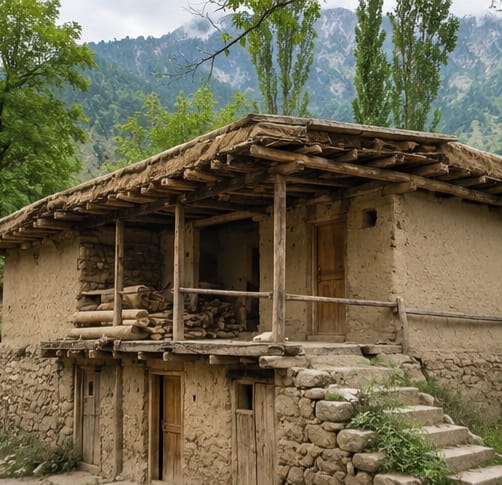
Seventy-year-old Akhtar Jahan, from the Kharyari area of Swat, has witnessed these changes in housing throughout her life. She says mud-and-wood houses were once more common and felt relatively cooler, but untimely rainfall often damaged mud houses. Today, concrete houses are widespread. According to her, changes in weather have also influenced house designs, with people increasingly preferring larger windows and better-ventilated homes.
Also Read : No More Office Visits: KP to Issue Land Fard Through NADRA Centres
According to Akhtar Jahan, changes have also been made to her own home to protect it from rain and heat. A layer of mud has been placed on the roof, the walls are thick, and drainage has been arranged around the house to prevent rainwater from entering. For her, the most important consideration when building a house today is safety, which requires a strong foundation, a suitable location and protection from extreme weather.
Official data on the broader climate risks behind these individual experiences also highlights the importance of these changes. According to records from the Provincial Disaster Management Authority, 1,731 households in Swat were affected by the 2022 floods. The figures show that the risk of flooding cannot be separated from decisions about housing and construction in Swat. According to local residents and government officials, most of the affected families were those living close to the river.
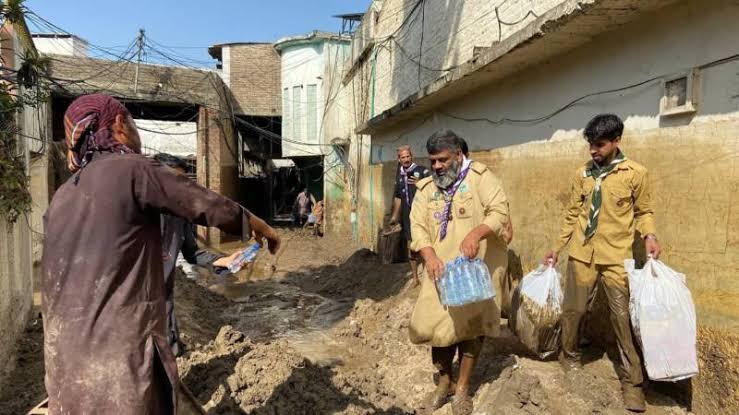
Alongside flooding, rising temperatures are also influencing housing designs, particularly in relatively densely populated urban areas such as Mingora. To cope with increasingly intense weather, some residents are paying greater attention to ventilation and ways of controlling indoor temperatures when designing their homes. While open and well-ventilated houses remain popular, some areas are also seeing a trend toward more enclosed homes, where people prioritize protecting themselves from heat and other external weather conditions.
People involved in construction are also noticing these changes. Muhammad Nazir, a mason from Qambar in Swat, says mud-and-wood houses were once more common, while the use of cement, blocks and steel has now increased. According to him, after the 2022 floods, people building houses have started giving greater importance to maintaining distance from rivers and streams, raising the height of homes and ensuring proper drainage of rainwater.
Muhammad Nazir says that the intensity of heat in Mingora is also leading to changes in house designs. Some people are giving greater importance to larger windows, ventilation and thick walls, while some homes are also being equipped with insulation to protect against heat and cold. He says the structure of roofs and the drainage of rainwater are also taken into consideration during construction.
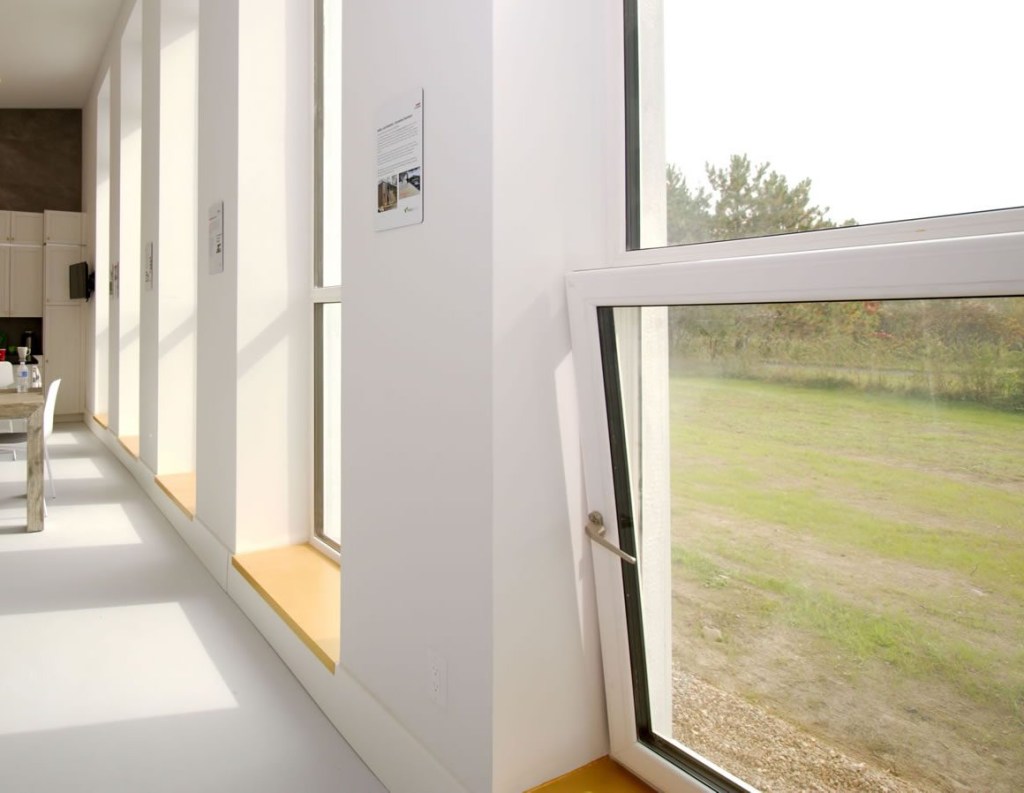
However, according to architects, simply changing construction materials is not enough to build homes that are resilient to climate-related risks. The location of the house, the strength of its foundation and the route through which water will drain are all decisions that need to be considered before construction begins.
On the other hand, according to Swat-based architect Engineer Rashid Ahmad Khan, if a river, stream or natural waterway passes through an area, the risk of flooding must be taken into account when constructing buildings there. He says the foundation and floor level of a house should be designed according to the local risks. He also emphasizes that natural ventilation, open spaces and trees are important for protecting homes from rising temperatures.
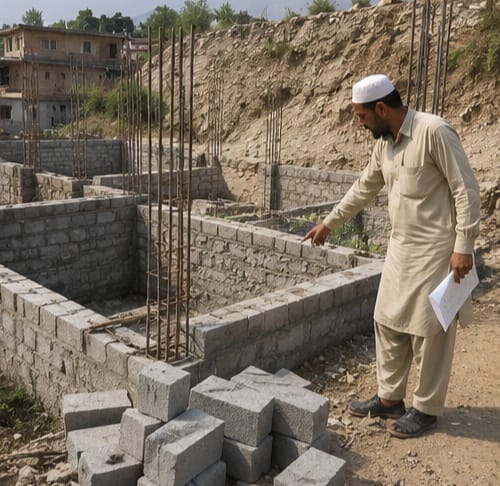
Engineer Rashid Ahmad Khan says thick walls and insulation can help create a relatively comfortable indoor environment. However, the overall design of the house and its proper implementation remain the most important factors. According to him, a suitable location, an appropriate architectural design and a strong structure can collectively make a house safer against climate-related hazards. Rashid Khan says it is essential to keep homes at a safe distance from water bodies and design them according to the local climate so that the structure remains balanced and secure.
Dr Fayyaz Amin, a lecturer in the Department of Environmental Sciences at the University of Swat and a PhD scholar, says changes in weather patterns have been observed in Swat over the past several years. Temperatures are rising during summers, rainfall patterns are changing, and risks such as intense rainfall over short periods, floods and landslides in mountainous areas are increasing. Changes have also been observed in the duration and amount of snowfall during winters.
According to Dr Fayyaz Amin, these changing weather patterns are now influencing people’s decisions about where to live. Following the 2022 floods, some families have moved from areas near rivers and streams to relatively higher and safer locations. In mountainous areas, people are also increasingly considering the terrain and risk of landslides when selecting locations for their homes.
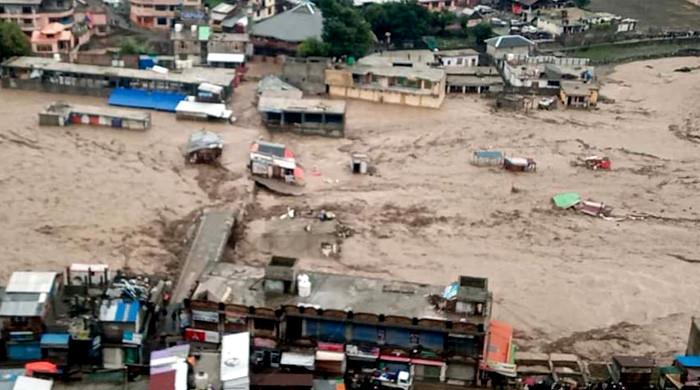
Fayyaz Amin says that in the future, simply considering construction materials when building a house will not be enough. Distance from rivers and streams, the elevation of the land, natural waterways, drainage systems and the risk of landslides will also need to be taken into account. With rising temperatures, proper ventilation, shade, trees and measures to protect homes from heat are also becoming increasingly important. These measures represent efforts at the local level to adapt to changing climatic conditions.
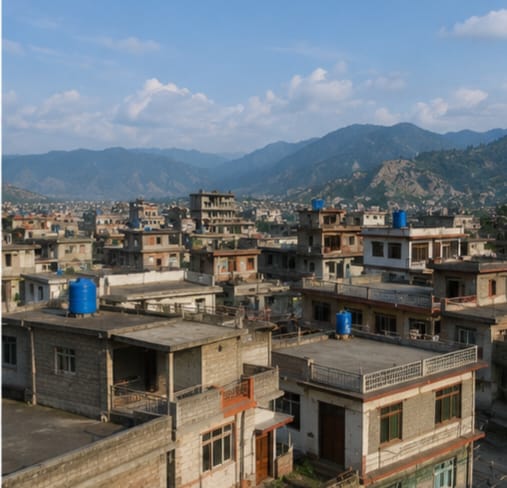
The decisions being made by people in Swat are not the result of any single plan but rather a process of learning from their own experiences. Some changed the location of their homes after floods, others improved drainage systems around their existing houses, while some strengthened their walls or introduced better ventilation and shade. These small changes are part of a larger process in which people in Swat are adapting their homes to changing weather conditions.
It is important to remember that climate change has increased the risks faced by the people of Swat, but the ways of living with those risks are also changing. The decision to build a house is no longer based solely on where land is available. Increasingly, people are asking how safe the location is, where rainwater will flow, how the house will be protected from heat, and how much protection the home will be able to provide its residents in the seasons ahead.




Comments
No comments yet. Be the first 🙂