


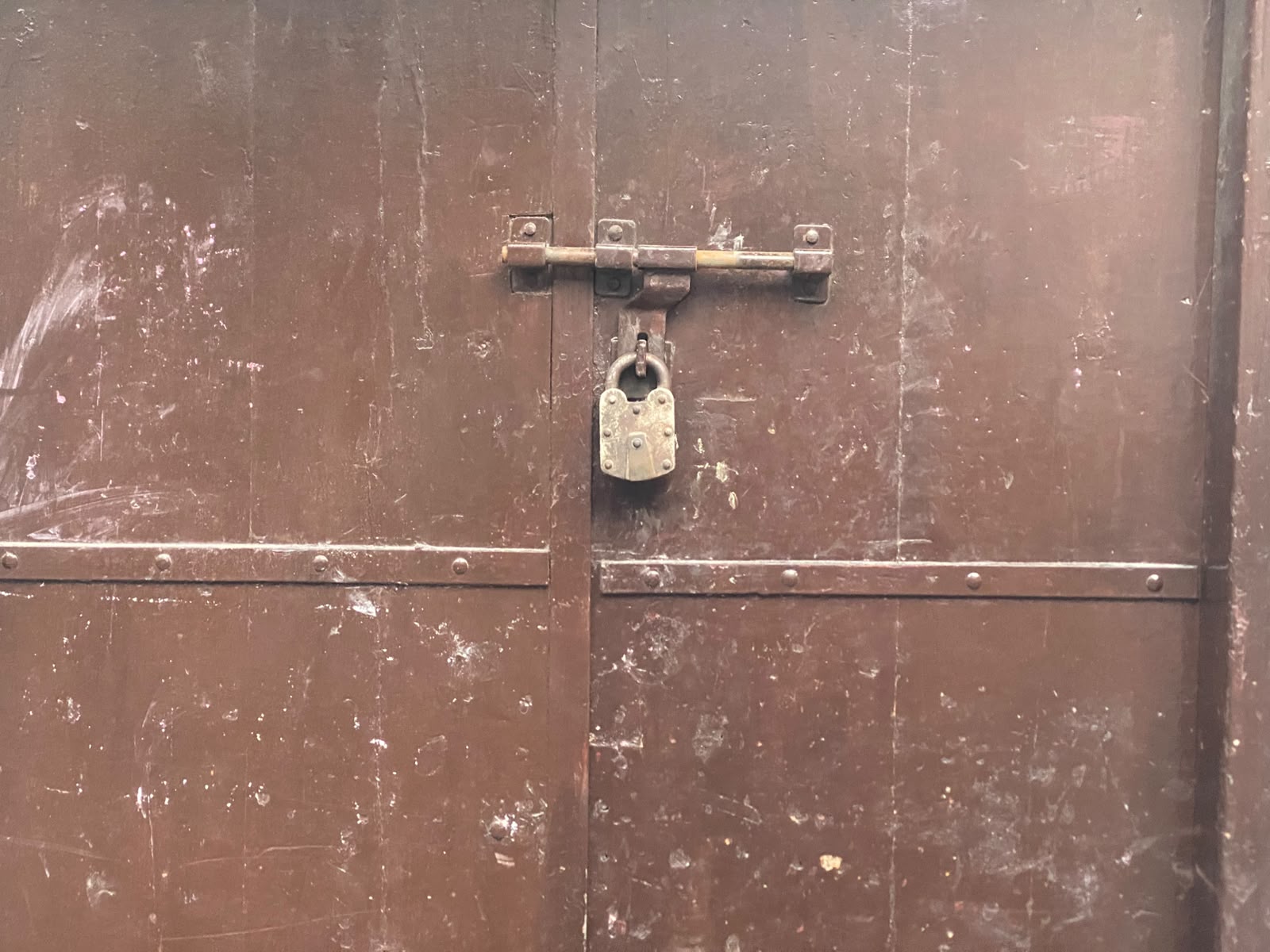
A Government Girls Primary School in Kala Manji Wala, a village on the outskirts of Lakki Marwat district in Khyber Pakhtunkhwa, has remained closed for the past three to four years. Despite having a school building, girls are deprived of the opportunity to receive education in their own village. Some students are forced to attend schools in neighbouring villages, while others have dropped out due to long distances and other difficulties.
According to Abdul Manaf, an elder of the village, several girls, including his own daughter, who received their primary education from this school in the past, are now studying at the FSc and BS levels. Their achievements show that girls from rural areas can also succeed when provided with proper educational facilities. However, the current generation is being denied the same opportunity in their own village.
The importance of a separate educational institution for girls is even greater in the local community, where strict observance of purdah (veil) is a common social practice.
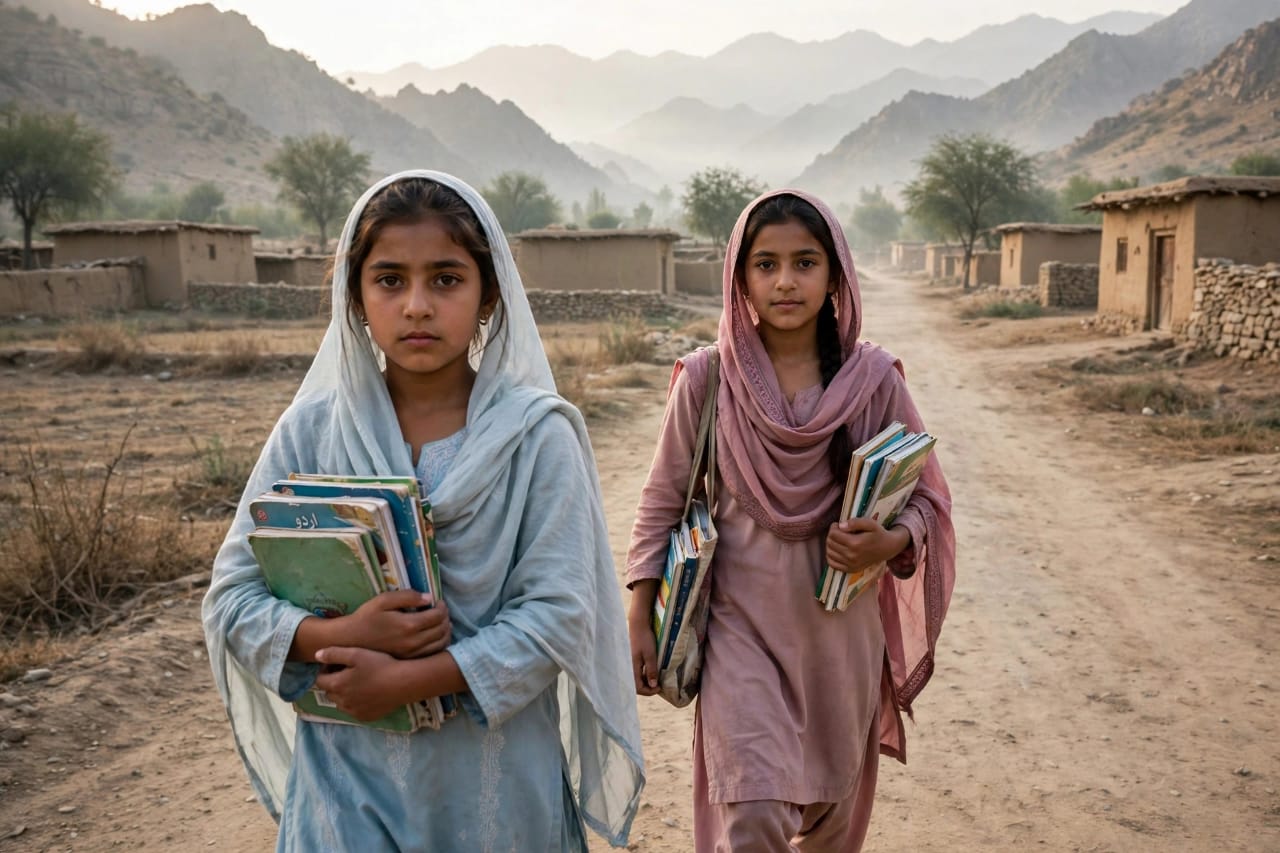
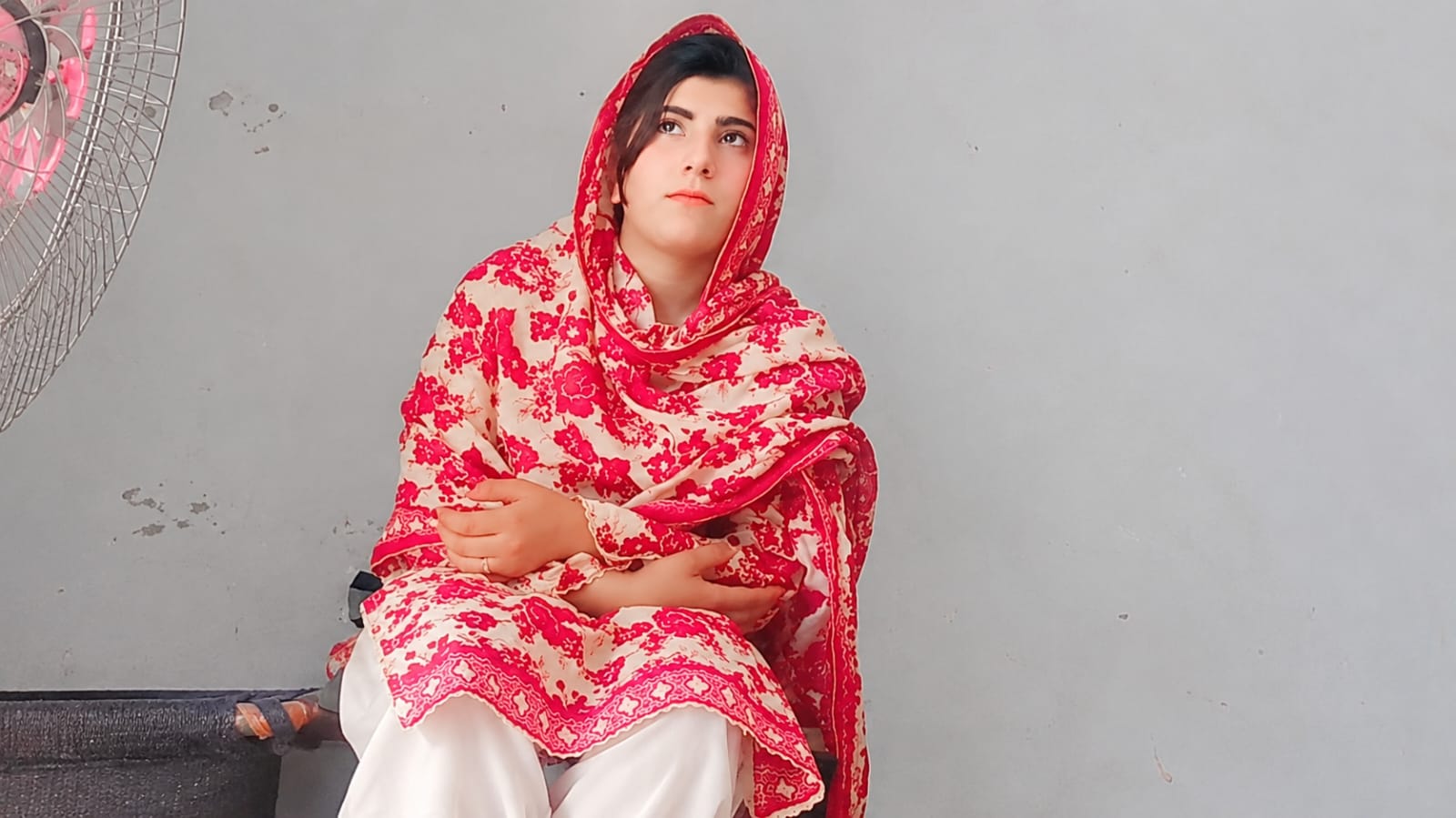
Zunaira, a fifth-grade student, is currently forced to attend a boys' school due to the closure of the girls' school. However, she feels uncomfortable and embarrassed studying there. Her mother encourages her to continue her education despite the difficulties. Eman, a fourth-grade student, is also compelled to study at a boys' school because the girls' school remains closed.
Over the past three years, Khyber Pakhtunkhwa has been governed by the Pakistan Tehreek-e-Insaf (PTI), with Ali Amin Gandapur and later Sohail Afridi serving as chief ministers. During this period, education was repeatedly declared a government priority, yet the girls' primary school in Kala Manji Wala remained closed.
The school is located just one furlong from the Kurram Bridge Toll Plaza on the Peshawar-Karachi Indus Highway. Chief Minister Sohail Afridi's long march also passed along this highway. The village girls watched it with hope, expecting that someone might raise the issue of their closed school, but their hopes remained unfulfilled.
The school is located approximately six kilometres from Gandi Chowk towards Peshawar along the Indus Highway, just 200 metres to the right of the main road. Its closure, despite being so close to a major highway, raises serious questions.
It is claimed that millions of rupees were spent on constructing the school building. However, official figures regarding its construction cost and annual expenses are not available. The main question is why educational activities have not resumed despite the availability of a school building.
Also Read : FIA arrests man wanted in eight visa fraud cases
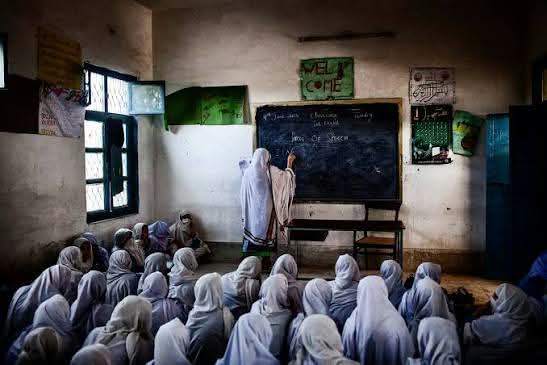
Speaking on the matter, Female Sub-Divisional Education Officer (SDEO) Sadiqa Bibi said the school was merged with another institution due to low student enrolment, as only 20 girls were studying there.
She said the Education Department held several meetings with local residents and proposed transferring girls currently studying at the boys' school to the girls' school. However, the proposal could not be implemented.
Sadiqa Bibi said that after the school's merger, relevant data was also submitted to facilitate its reopening. Local residents were also asked through the school watchman to make efforts at their own level, but the community showed little interest.
According to her, reopening the school required the consent of the local community, which is why the matter remains pending.
More surprisingly, female teachers from the same village are teaching girls in other villages, while students in their own area remain deprived of a girls' school. Resuming classes at the local school could provide girls with access to education closer to home and allow female teachers from the village to serve their own community.
According to the Education Department, community consent is necessary for the school's reopening. However, girls in the village are eager to study in their own area. In this situation, the Education Department and local residents need to sit together, review student enrolment, teacher availability and the possibility of reopening the school, and find a practical solution.
The school in Kala Manji Wala is not merely a closed building; it represents the educational future of girls who want to study in their own village.
The question now is how soon the deadlock between the Education Department and the local community will end, and when Zunaira, Eman and other girls will finally get the opportunity to study at their village's own girls' school.

Comments
No comments yet. Be the first 🙂