


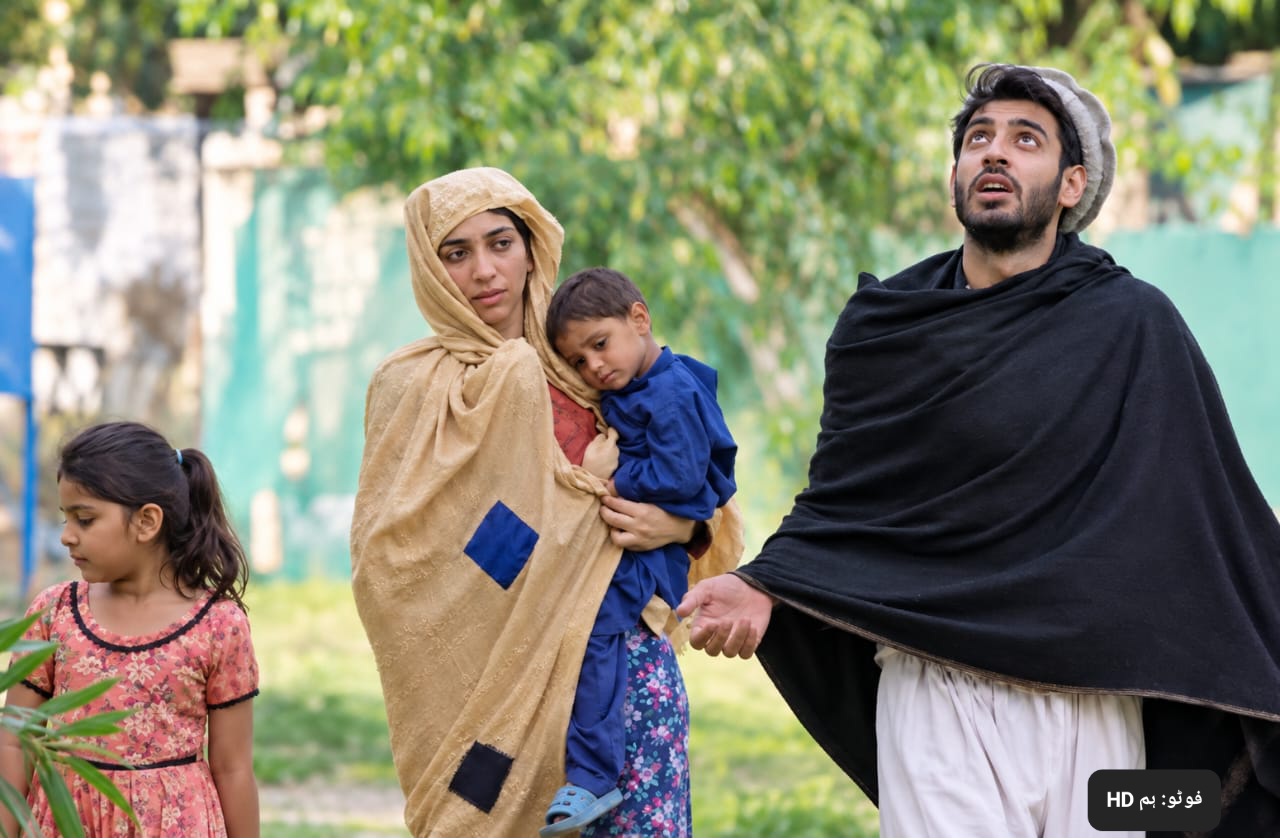
The Hum TV drama Aap Ki Izzat explores themes including infidelity, married life, trust between spouses, growing distance in relationships, and changing attitudes toward love. Written by renowned writer Umera Ahmed and directed by Saif Hassan, the drama features Urwa Hocane, Ahsan Khan, Saif Ali Khan, Sania Saeed and other actors in various roles. Urwa Hocane plays Beena, Ahsan Khan plays Tabish, while Saif Ali Khan portrays Behram Khan.
With the introduction of a Pashtun character, the discussion surrounding the drama has shifted from marital relationships to Pashtun identity and its representation. Saif Ali Khan’s character, Behram Khan, is portrayed as a Pashtun vegetable seller who develops a close relationship with Beena, a woman older than him. The story also shows that Behram’s interest in Beena is driven by his desire to obtain her wealth.
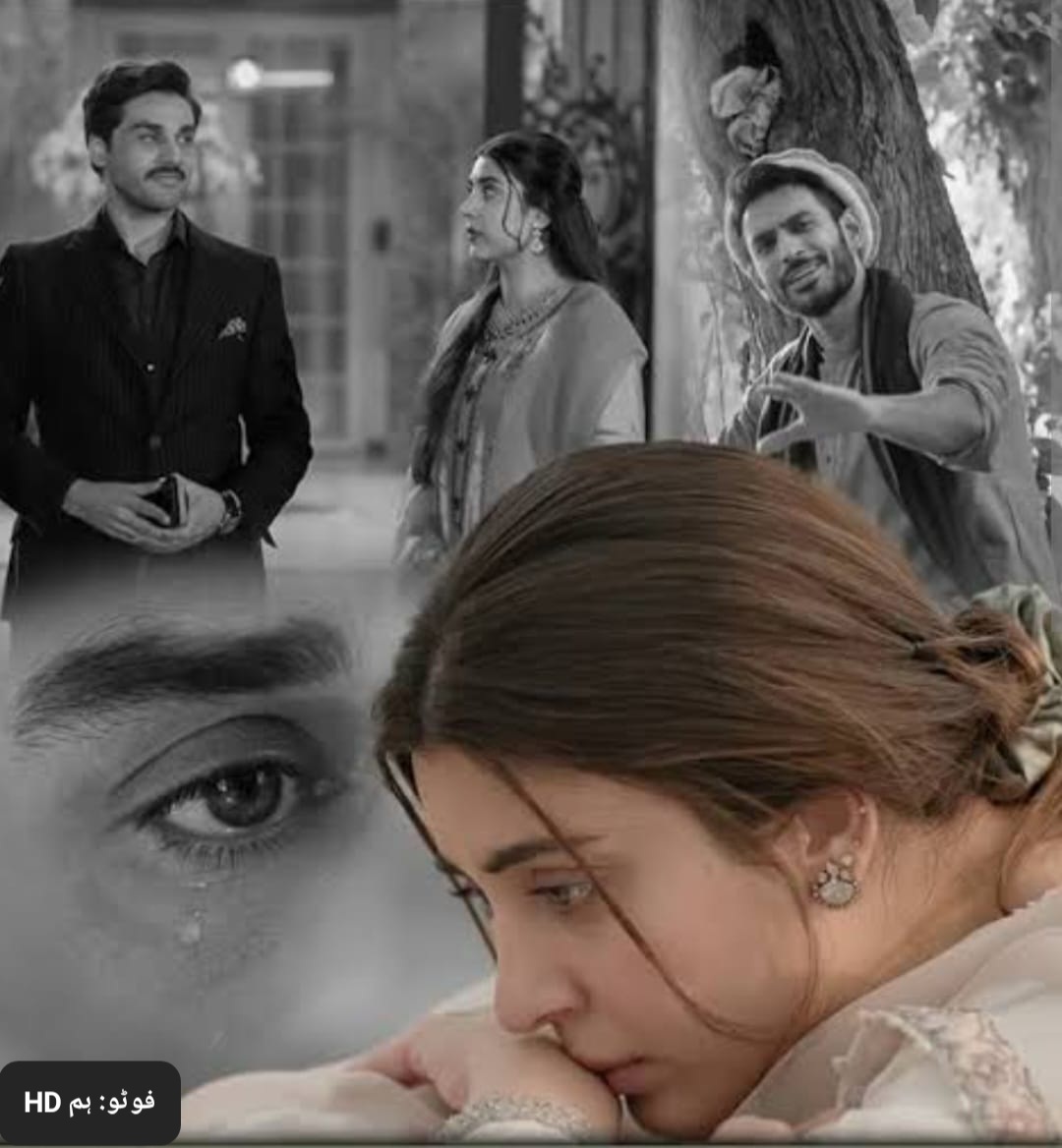
The portrayal of Pashtun identity, clothing and certain behaviours through this character has drawn questions from viewers. Critics argue that depicting a Pashtun man as a vegetable seller who is greedy and attempts to establish a relationship with a woman several years older than him, while also presenting his clothing and appearance in a particular manner, does not reflect the realities of Pashtun society and creates an impression of insulting the entire community.
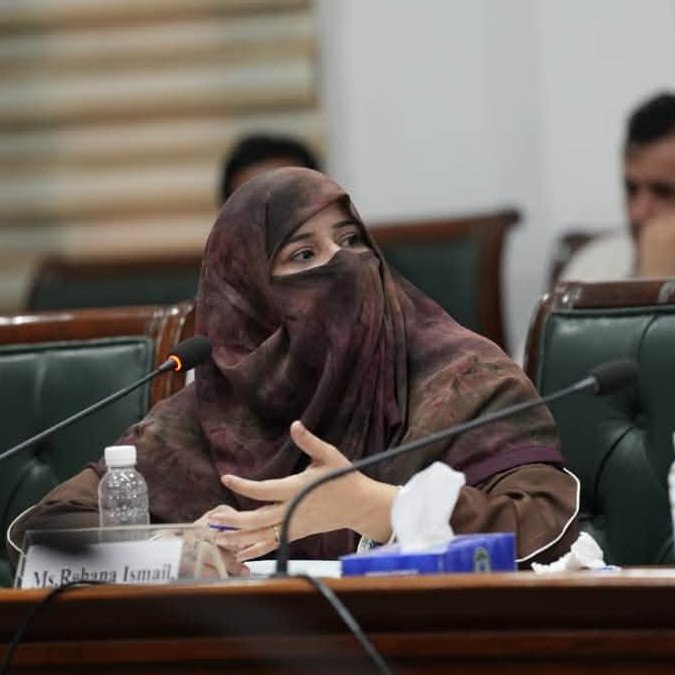
The issue also reached the Khyber Pakhtunkhwa Assembly, where Jamiat Ulema-e-Islam (F) lawmaker Rehana Ismail moved a resolution against Aap Ki Izzat. The resolution stated that the drama portrays a Pashtun character as a greedy vegetable seller with immoral behaviour. It called on the Pakistan Electronic Media Regulatory Authority (PEMRA) to review the matter and take action if a violation of its code of conduct was established.
The resolution was unanimously passed by the Khyber Pakhtunkhwa Assembly on September 21, 2026. It also raised concerns over the portrayal of Pashtun characters in national media through limited social professions and negative characteristics, arguing that such representation creates a particular perception of Pashtun society.
Maryam, who is from Swat, is also dissatisfied with the portrayal of the Pashtun character in the drama. She says Saif Ali Khan is shown wearing a vest, shalwar and shawl in a manner that does not represent Pashtun culture, while Behram Khan’s wife is shown wearing a burqa in an unfamiliar style, with pieces of cloth attached in different places.
She also objects to the portrayal of Behram Khan as attempting to establish a relationship with an older woman out of greed for wealth, as well as the scene in which his wife apologises to Beena’s husband, Tabish. According to Maryam, men in Pashtun society respect women and family honour holds significant importance.
Maryam says every society has both good and bad people, but when a negative character is associated with a specific ethnic identity, viewers may perceive that character as a representation of the entire community. She believes dramas should therefore portray Pashtun culture and social realities accurately.
On the other hand, renowned actress and television host Shazma Haleem does not see the debate as being limited to Aap Ki Izzat. According to her, Pashtun characters have repeatedly been confined to limited and negative roles in various dramas, such as kidnappers, drivers, watchmen or similar characters.
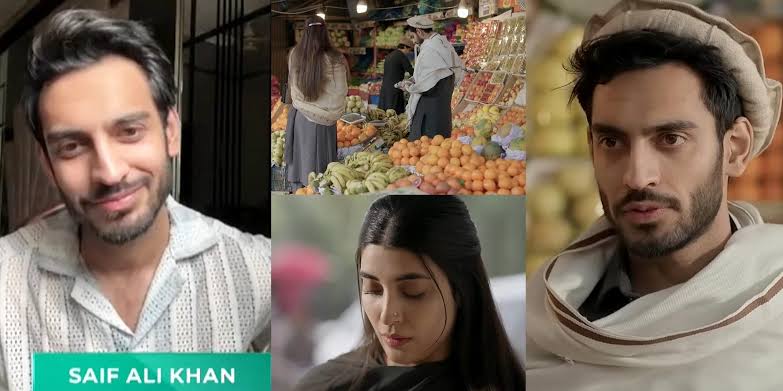
Shazma Haleem says Pashtun society is not limited to such characters, and countless men and women have made a name for themselves through their abilities in Pakistan and around the world. She says the portrayal of Pashtun women in dramas has also often differed from their realities.
She says some dramas show Pashtun women sitting in men's jirgas, whereas women are respected in Pashtun society. According to her, when a jirga of men is taking place, women are informed about it and even avoid passing through the area. Shazma Haleem says dramas often ignore this social reality and present a different image of Pashtun women.
Giving examples of Pashtun women, Shazma Haleem mentions Malala Yousafzai, Nigar Johar and other Pashtun women who have established their identities at national and international levels. She says many Pashtun women, while observing purdah, are also making their mark in their respective fields, but dramas often show limited roles instead of highlighting their achievements and true identities.
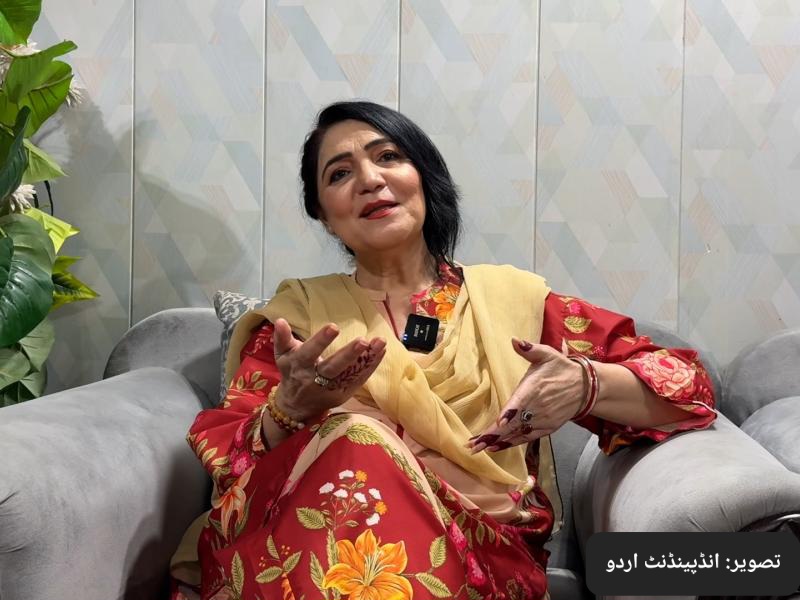
She says there are countless Pashtun men and women who have served at national and international levels, but drama makers overlook these achievements and the true identity of Pashtuns. According to her, Pashtuns are not defined by a particular dress, profession or negative character; rather, they are a society whose people have demonstrated their abilities in various fields.
Also Read : Silent Hands, Loud Voices: The Language That Speaks Without Sound
“We are one nation, but we have a thousand identities.”
Questioning Pashtun society, Shazma Haleem says that if Pashtuns do not represent their own culture and identity, how can they expect others to represent them accurately? She says there are financially well-off people among Pashtuns as well, but they do not have a strong medium of communication of their own through which they can present their culture and identity.
She further says that different governments have come to power in Khyber Pakhtunkhwa, but no effective medium of communication has been created to present Pashtuns’ own stories and culture. Shazma Haleem says Khyber Channel is also owned by a Punjabi, raising the question of why Pashtuns have not been able to establish their own medium of communication to represent their culture and values. According to her, this is also a question for the Khyber Pakhtunkhwa government: why can it not establish a strong medium to highlight Pashtun culture and identity, and why do Pashtuns not have their own channel?
She also discusses the responsibility of actors, saying that an actor should think before accepting a role about what impression it could create about society or a particular community. Shazma Haleem says that when she considers accepting a role herself, she keeps her social reality in mind and reads the script carefully. If she feels that a dialogue or character could hurt people, she discusses it with the writer and tries to have it changed.
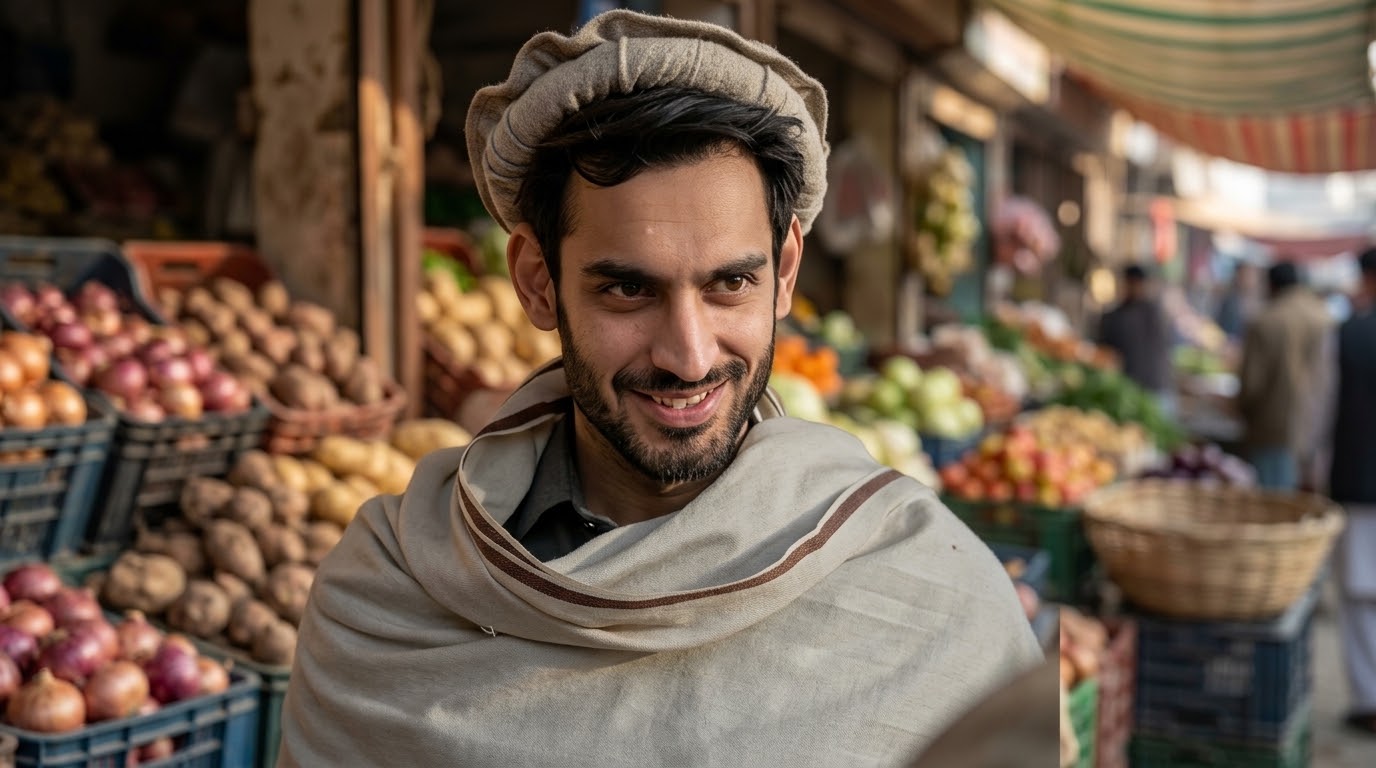
Advising actor Saif Ali Khan, she says he should consider his good background and the fame given to him by God when choosing roles and should select characters that create a positive impression on society. According to her, a good actor should avoid roles that could result in the humiliation of a particular community.
Senior journalist Islam Gul Afridi views the issue of Pashtun representation in the broader context of how different communities are represented in the media. He says it is inappropriate to humiliate any community in films, theatre or dramas. Journalist Islam Gul Afridi says the issue is not limited to Aap Ki Izzat, as some dramas broadcast in the past have also portrayed Pashtuns in limited and negative roles. According to him, every community has both good and bad people, but it is inappropriate to portray an entire community in the same manner.
He says that when an issue involving a political party or politician emerges, action is taken at the state level, but when it comes to the humiliation of an ethnic community, the same kind of response is not seen, whether the community is Pashtun, Baloch, Sindhi or Punjabi.
According to Islam Gul Afridi, Rehana Ismail’s resolution is an attempt to bring the issue to the forefront. However, he says it is also necessary to take the matter forward in practical terms and bring it before PEMRA. He says he has spoken to relevant PEMRA officials, who told him that no complaint had so far been received regarding the matter.
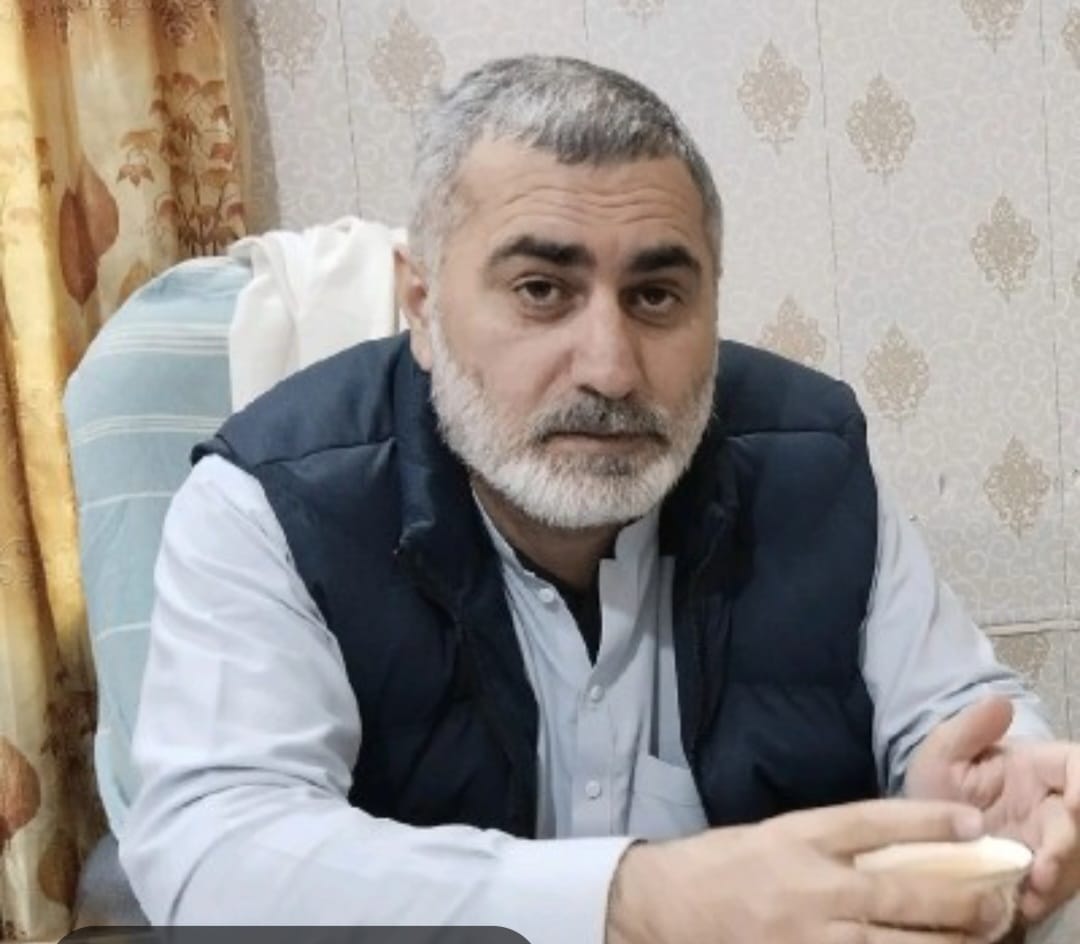
Islam Gul Afridi says Pashtuns must also accept their own responsibility when it comes to the issue of representation. He says Pashtun writers should work more on their culture and society, Pashtun actors should come forward, and their industry should be strengthened. According to him, if Pashtuns do not present their own stories, characters and culture, how can creators who do not closely know Pashtun society present a complete picture of it?
On the other hand, renowned Pashto poet, researcher and critic Dr Abasin Yousafzai also does not see the question of Pashtun representation as being limited to a single drama. According to him, when a person meets someone from another community, they also see an image of that person’s community in them.
Dr Abasin Yousafzai says it is unfair to connect an individual’s character with an entire community because every society has both good and bad people. However, he says this does not mean that a community should be humiliated or that the negative actions of one individual should be associated with an entire community.
He says that in his area, there has never been a situation where people from Punjab, Sindh or Balochistan were collectively portrayed as inferior in dramas or gatherings. However, he says dramas produced in Punjab have for a long time confined Pashtuns to a few limited roles, such as truck drivers and watchmen.
According to Dr Abasin Yousafzai, the real image of Pashtuns, their society, culture and achievements in different fields are not reflected in these characters. In his view, the problem is not limited to writers; it also concerns the media, where such negative characters are repeatedly portrayed.
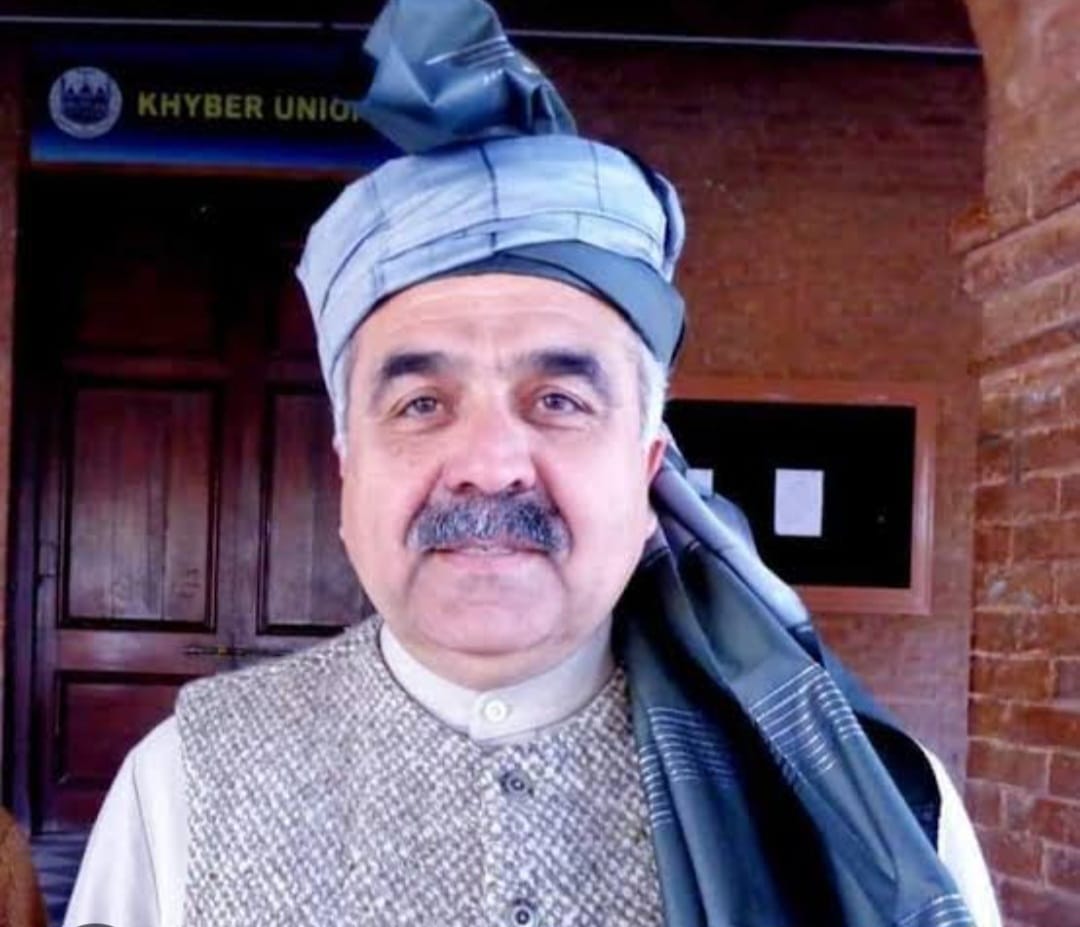
Dr Abasin Yousafzai speaks about the responsibility of a writer, saying that the very meaning of a writer is someone who connects people, brings them closer and reduces distances. According to him, if someone’s pen creates hatred between communities and becomes a means of humiliating a particular community, it goes against the fundamental role of a writer. He says those who create hatred between communities do not deserve to be called writers and are enemies of the country.
The question, therefore, is not simply how Behram Khan’s character was written in Aap Ki Izzat, but also how broadly Pashtun identity is represented in Pakistani dramas. Looking beyond the script and at Saif Ali Khan’s popularity, his appearance in the fourth season of Tamasha brought him to the attention of fans not only in Pakistan but also in India, Dubai and Afghanistan.
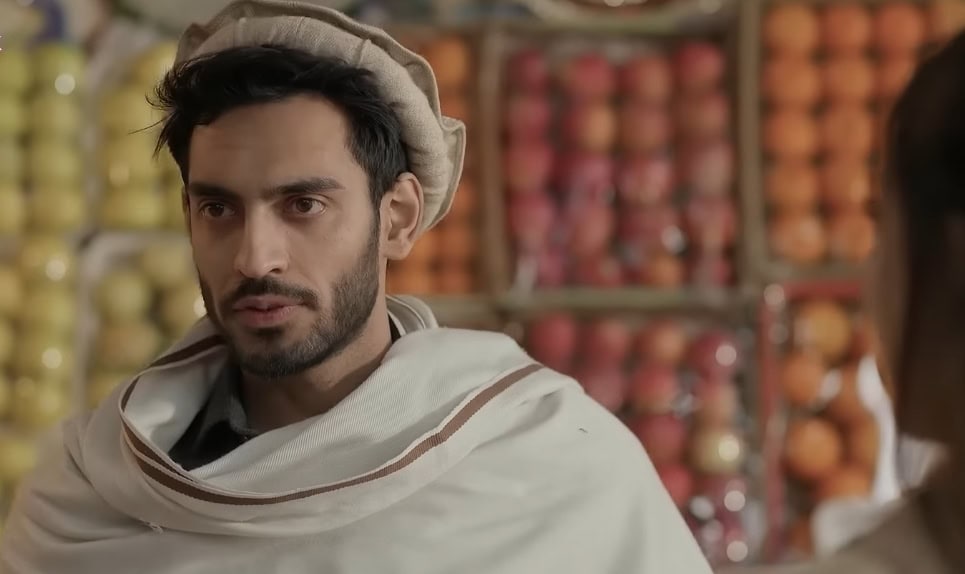
This aspect makes the debate more significant, as it raises questions about the impact on the representation of Pashtuns when a popular Pashtun actor is given a negative Pashtun character in a story.
Looking beyond the script, there are at least five or six cricketers in Pakistan’s national cricket setup at a given time who have Pashtun backgrounds. Pashtun men and women have also made significant contributions and established themselves in journalism, politics, education, medicine, the arts, sports and other fields.
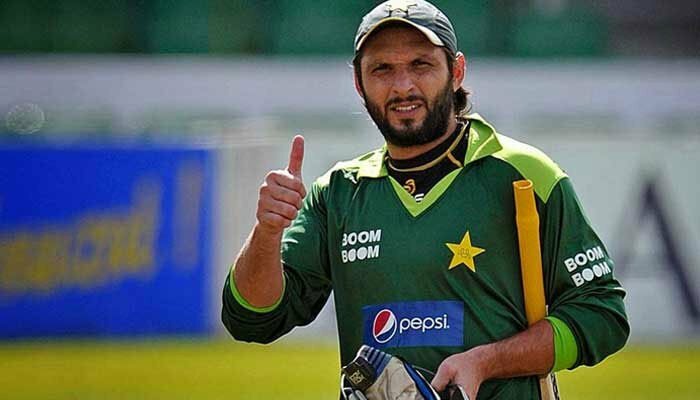
Malala Yousafzai is internationally known as a Pashtun woman who has advocated for education, while Nigar Johar has reached a senior position in the Pakistan Army. Similarly, Pashtun artists, journalists, doctors, teachers, athletes and men and women from various other fields have established their identities both within Pakistan and abroad.
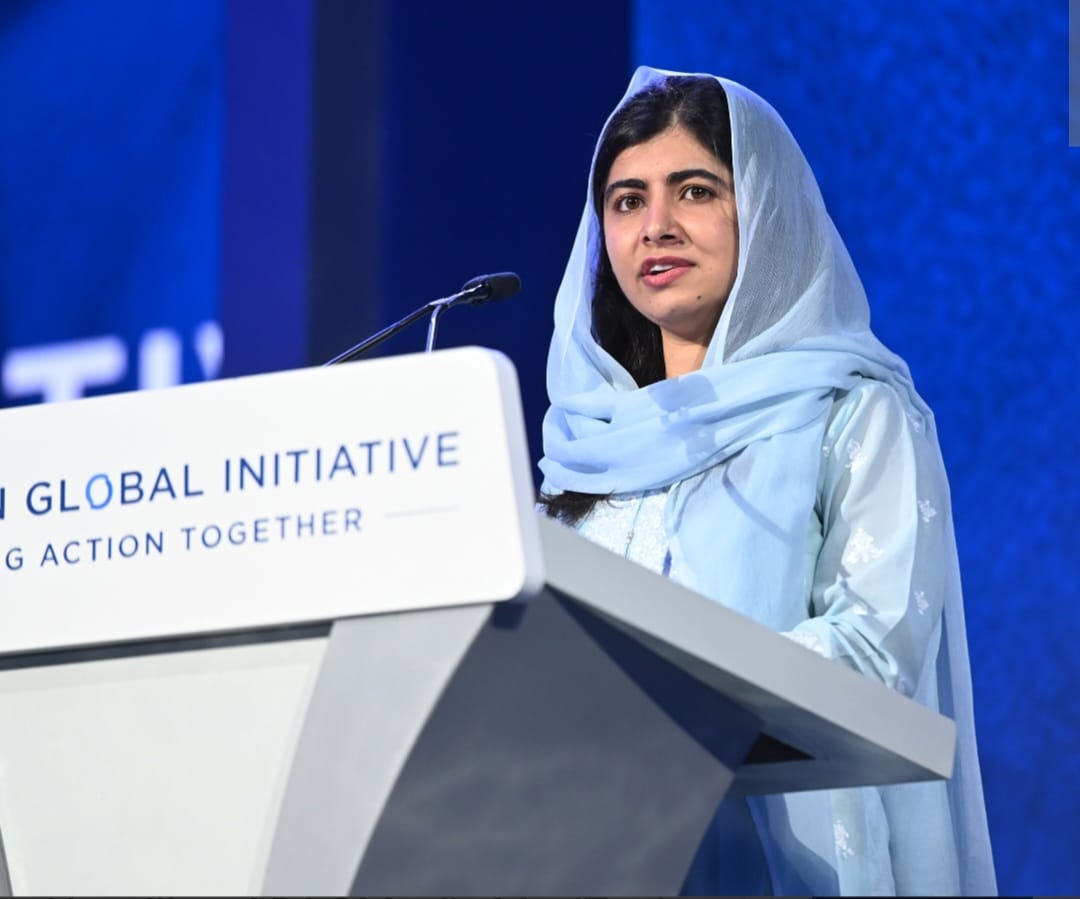
Against this broad and diverse reality, when Pashtun characters repeatedly appear on screen limited to roles such as vegetable sellers, drivers, watchmen or other negative characters, the discussion goes beyond a single character and raises questions about the overall approach to representation.
Perhaps that is why the central question arising from Aap Ki Izzat is not whether a particular character was good or bad, but whether, when a community is portrayed on screen, its broader reality is also represented. A character’s story may end, but the image of a community created through that character can remain in a viewer’s mind for much longer.
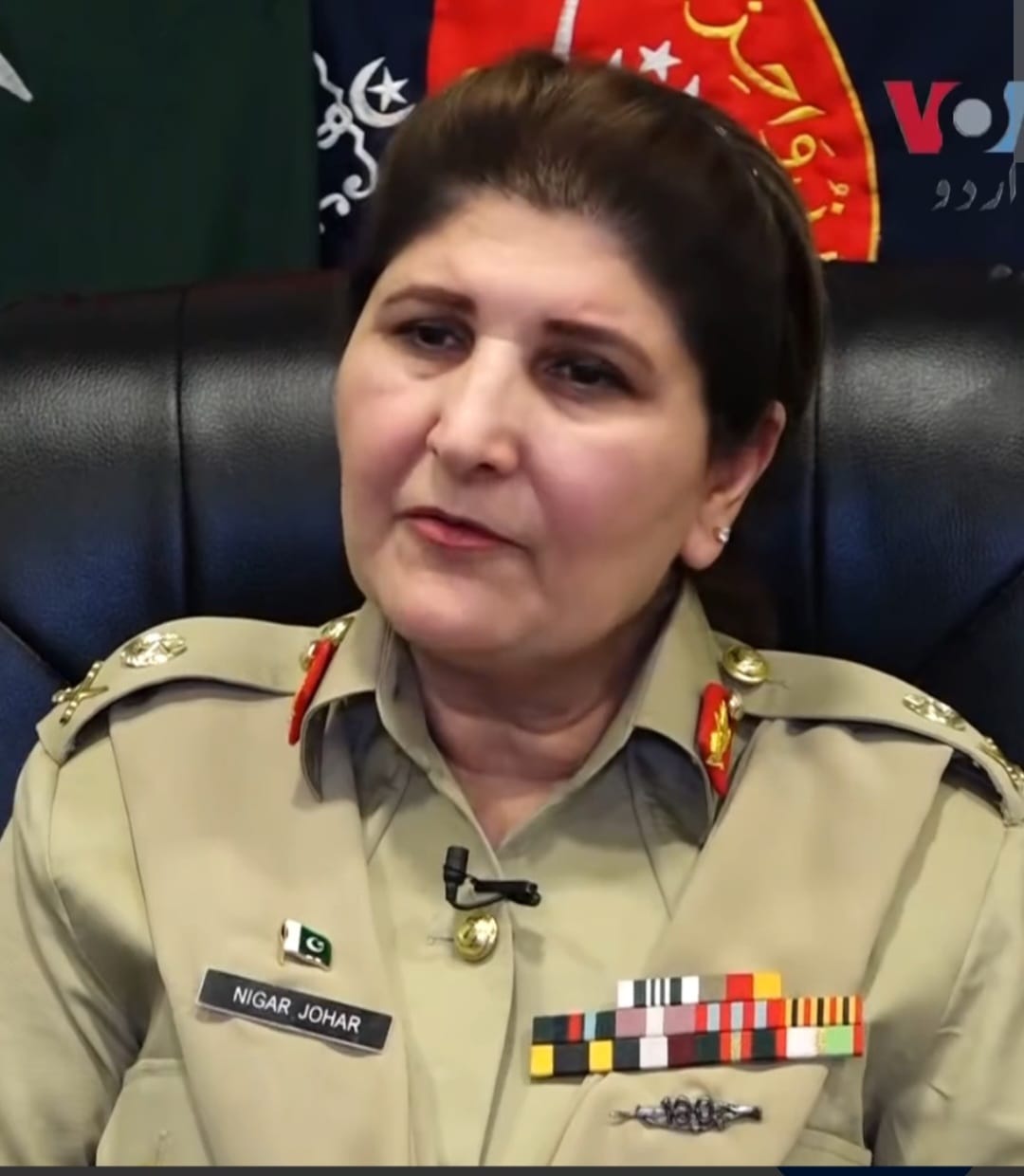
Malala Yousafzai, Nigar Johar, Shahid Afridi, Shaheen Shah Afridi, Rahmat Shah Sayel, Hamid Karzai and several other prominent Pashtun figures have established their identities in different fields. Their presence in education, medicine, the military, sports, literature, politics and other fields is also a reminder that the social identity of any community cannot be confined to a single character or profession.
.jpeg)
Comments
No comments yet. Be the first 🙂