

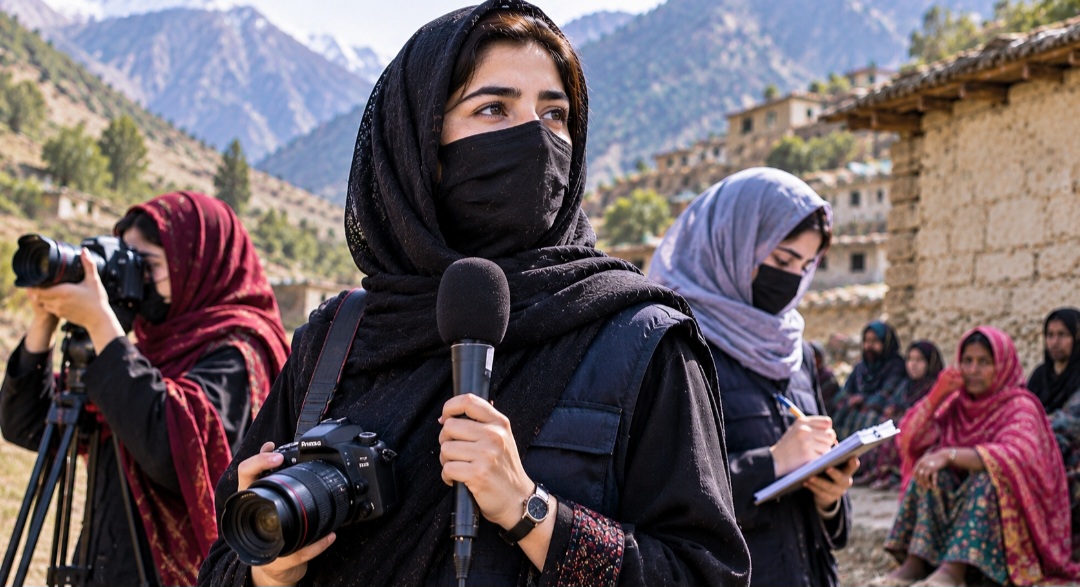
Whenever journalism in the merged tribal districts of Khyber Pakhtunkhwa is mentioned, the first images that come to mind are of journalists working amid bomb blasts, terrorism, displacement, military operations and unrest. However, there is another side to this picture that often goes unnoticed. It is the story of a handful of women journalists who, despite strict tribal traditions, security threats, financial difficulties and social pressure, continue to highlight the issues facing their communities.
The number of women journalists in the tribal districts remains extremely low. Although there has been some improvement over the past few years, women's participation in journalism continues to face numerous challenges.
According to 2023 and 2024 mapping reports by the international organisations Women Media Forum Pakistan and the International Federation of Journalists (IFJ), approximately 15,000 journalists and media workers are employed in Pakistan's media industry, with women accounting for between 5 and 30 per cent of the workforce. Women's representation is relatively better in Karachi and Islamabad, while their numbers are lower in Khyber Pakhtunkhwa and Balochistan. The situation is even more challenging in the merged tribal districts.
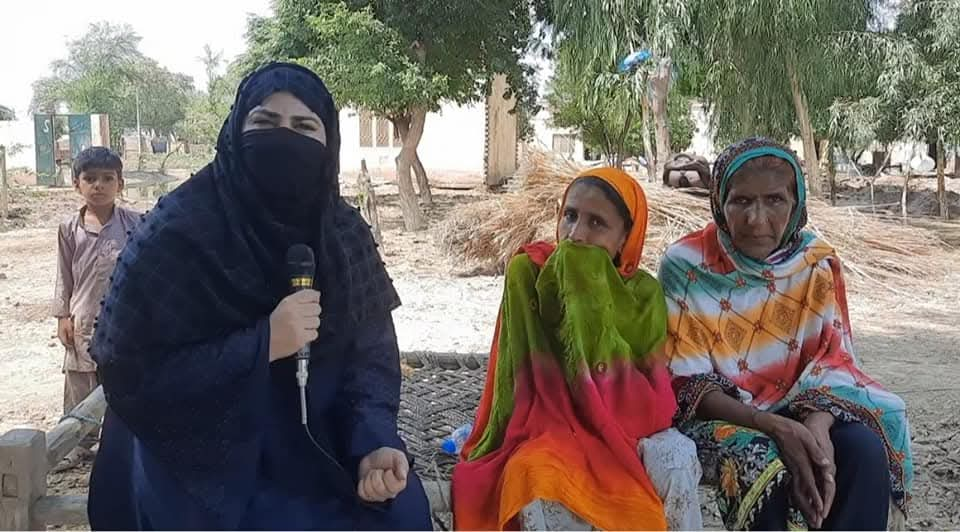
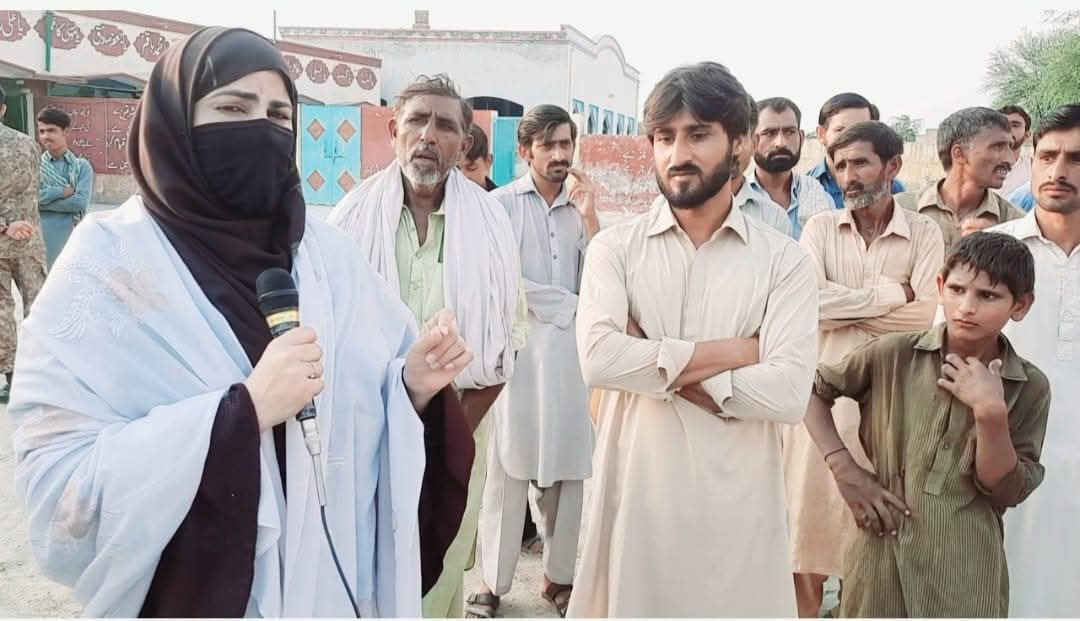
Shamaila Afridi, a resident of Hassan Khel in the former Frontier Region Peshawar, has been associated with journalism and research for the past seven years. She has reported on issues including women's rights, education, human rights and peace. She says she chose journalism to bring the problems of her area to the attention of national media.
"I was the first woman journalist from my area. The deprivation and challenges faced by Hassan Khel and other tribal areas were not reaching anyone, which is why I started journalism," Shamaila Afridi says.
She says she began writing about the problems of her area while still at university, but faced several social restrictions as a woman journalist.
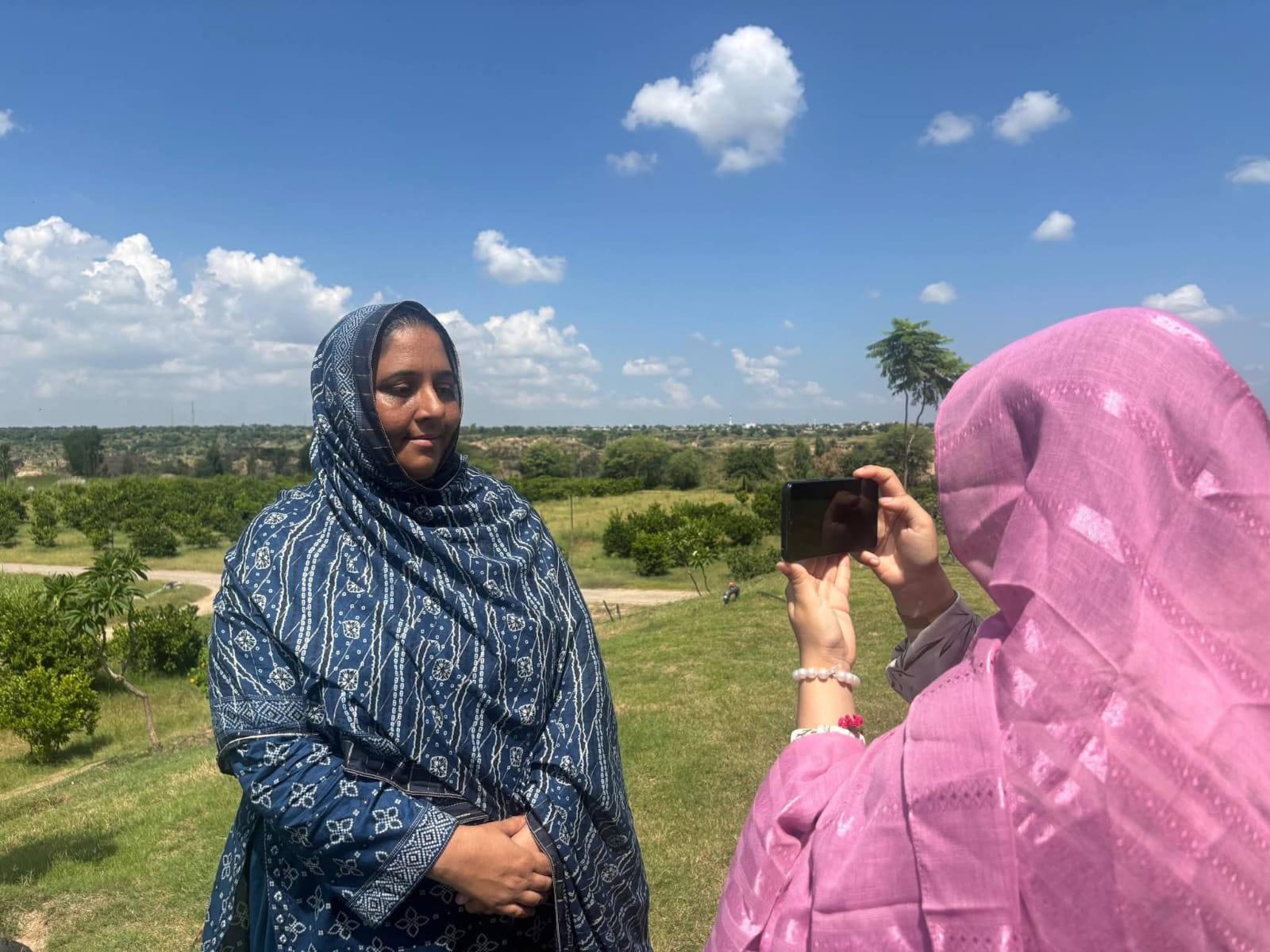
"I was repeatedly told that it would be unacceptable if my face appeared in the media. That is why I worked behind a veil for a long time. Even today, I cannot move freely around my area with a camera. My area has become a security risk zone for me. I want to bring the voices of people affected by terrorism to the world, but the circumstances do not allow me to do so," she says.
Renowned journalist Razia Mehsud, who belongs to South Waziristan, describes the presence of women journalists in the tribal districts as "a drop in the ocean". According to her, since 2016, she has been the only woman journalist continuously working in the field in Waziristan.
"Many girls who study media and mass communication never make it into practical journalism. After completing their education, most get married, or their families do not allow them to work in the field," Razia Mehsud says.
She adds that women journalists also face severe criticism and character assassination on social media, in addition to the challenges of field reporting.
In other districts of Khyber Pakhtunkhwa, women journalists also face security concerns, harassment, limited professional opportunities and a lack of institutional support while reporting from the field. Their limited representation in journalistic organisations further compounds these challenges.
According to available information, Peshawar Press Club is the only major journalistic forum in Khyber Pakhtunkhwa where 12 women journalists have formal membership. No women journalists are members of press clubs in any of the province's other districts.
Pakistan has remained among the world's most dangerous countries for journalists over the past two decades. According to Freedom Network and other media-monitoring organisations, journalists continue to face threats, attacks, censorship and pressure. In the tribal districts, these risks become even more complex for women journalists because of social restrictions and gender discrimination.
Senior woman journalist Farzana Ali says tribal traditions restrict women's mobility, while journalism requires reporters to travel to the field.
Shamaila Afridi also highlights these challenges, saying that cultural traditions, restrictions on women's movement, limited resources, lack of training opportunities and pressure while reporting on sensitive issues are among the biggest obstacles she faces.
According to Razia Mehsud, she has received death threats on several occasions.
"I have received death threats in addition to online threats. The police, district administration and Counter Terrorism Department formally informed me that there were threats against me," she says.
Apart from field reporting, women journalists also face harassment and threats in the digital world. According to a study titled Hostile Bytes by Media Matters for Democracy, 95 per cent of women journalists in Pakistan say that online violence and harassment affect their professional decisions, while 77 per cent admitted to practising self-censorship out of fear of harassment.
The same study found that three out of every 10 women journalists had experienced blackmail, incitement to violence and other serious forms of online abuse.
Another study conducted by Media Matters for Democracy in 2021 found that 70 per cent of women journalists reported facing threats, attacks or harassment because of their journalistic activities.
Razia Mehsud says, “I have faced countless online threats from the beginning of my career until now, but if I had taken those threats seriously, I might not have continued working in journalism today.”
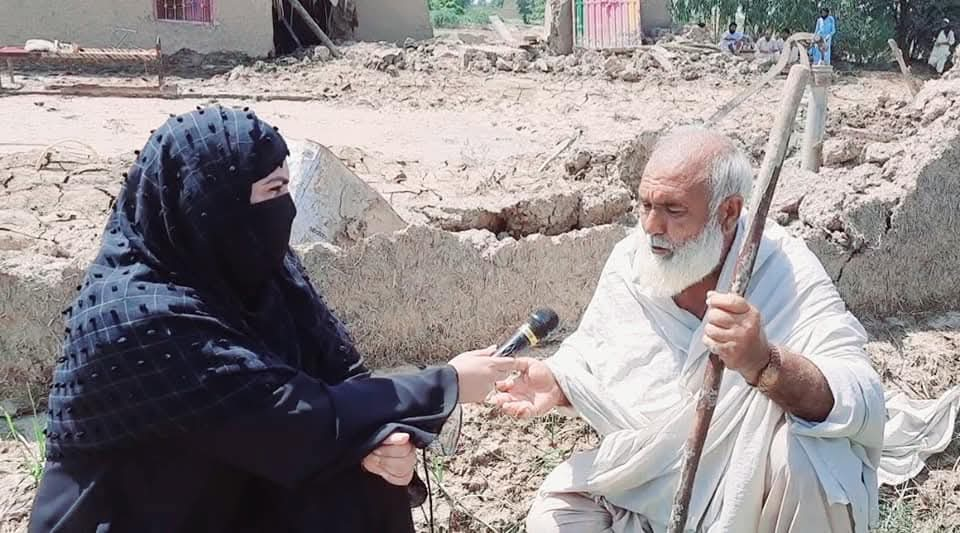
Along with security and social challenges, financial difficulties are also a major obstacle for women journalists. Most journalists in the merged tribal districts work on a freelance basis rather than holding permanent jobs. Shamaila Afridi is also a freelance journalist. According to her, women who are financially vulnerable and are not affiliated with a strong media organisation are more likely to face threats and pressure.
"If a woman manages to overcome all the obstacles and enter journalism, she should receive support and better compensation. However, many media organisations fail to provide women journalists from tribal areas with reasonable salaries and facilities," she says.
Also Read : Why Does Society Expect Widowers to Live Alone?
According to Farzana Ali, many women are trying to become the voices of tribal women through their social media accounts, but they receive no payment for this work, which also affects their professional activities.
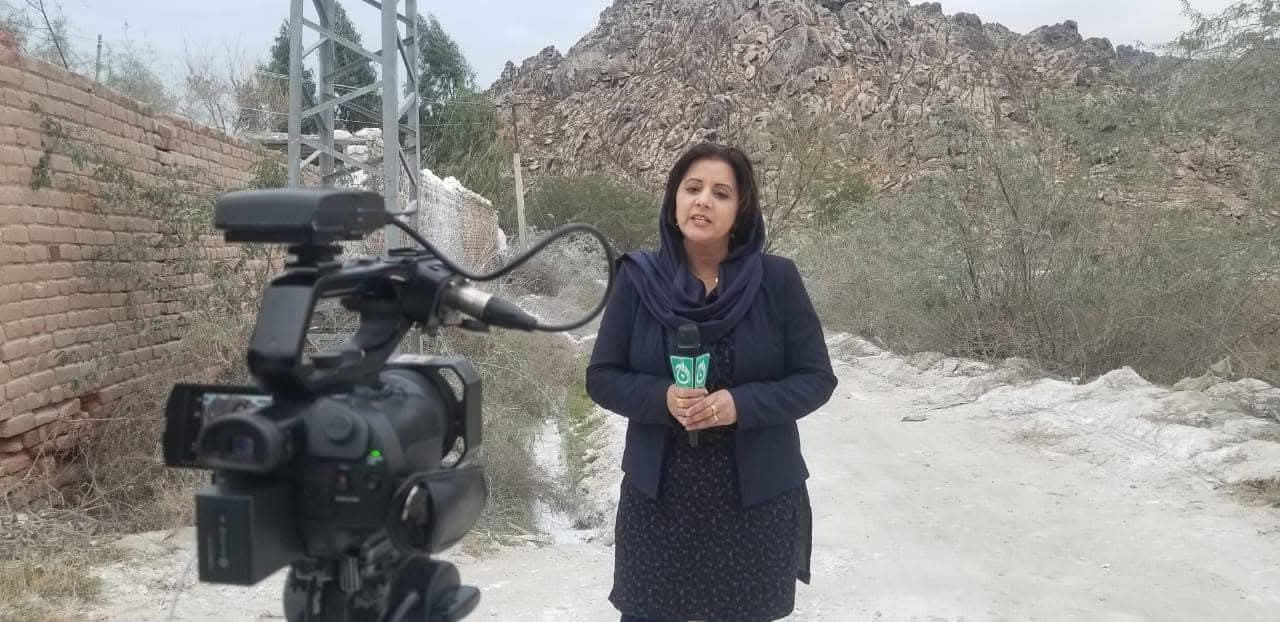
The role of women journalists in highlighting the issues of tribal women is particularly important because many women feel hesitant to share their problems with male journalists.
Shamaila Afridi says, “Many women do not share their stories with male journalists, but a woman journalist can visit their homes and present their concerns in a better way.”
Razia Mehsud also believes that the presence of women journalists has brought change to tribal society. She says the situation was different when she started working, but now parents themselves call her and say that, because of her, they are allowing their daughters to come forward and pursue their ambitions.
Jamaima Afridi, a freelance journalist from Landi Kotal in Khyber district, has been working with national and international media organisations for the past eight years. According to her, limited opportunities for women's education and employment in tribal areas have also contributed to their low representation in journalism and other professions.
"The biggest challenge for women journalists in tribal areas is people's attitude. Many still believe that women cannot appear in front of cameras. Moreover, travelling from one place to another is not easy for women, which creates difficulties in highlighting women's issues," Jamaima Afridi says.
She adds that many young girls aspire to join journalism, but tribal traditions, social pressure and a lack of basic facilities prevent them from working professionally. Jamaima says the government should ensure a safe working environment, employment opportunities and protection of the rights of women journalists.
Senior journalist Farzana Ali, who belongs to Peshawar, also considers the social and cultural traditions of tribal areas a major obstacle to women's professional growth. According to her, leaving home, travelling independently and working in offices are far more difficult for women in tribal areas than in cities, while the fieldwork required in journalism further adds to these challenges.
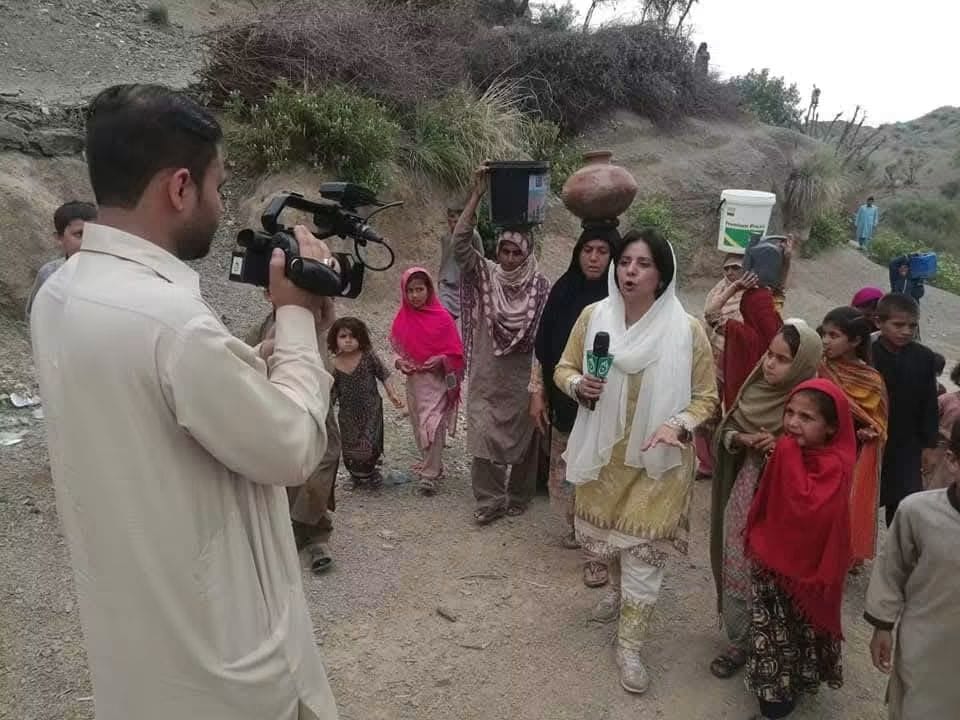
Farzana Ali says, “Many women leave journalism despite their interest in the profession because they do not receive permission from their families. Some women, meanwhile, work from home for digital or web platforms without revealing their identities.”
She says media organisations and the government must provide a safe working environment to increase the number of women journalists.
"Women need proper facilities in offices and the field where they can feel safe and comfortable. Providing transport, security and other basic facilities is essential for their professional growth," she says.
According to Farzana Ali, digital media has certainly provided women in tribal areas with a new platform for expression. However, field reporting and financial difficulties remain major barriers to their participation.
Despite all these challenges, the presence of women journalists in the merged tribal districts represents a positive change. According to Razia Mehsud, women are now coming forward in different fields, and society is increasingly becoming more accepting of their participation.
Shamaila Afridi believes that providing women journalists with training, financial support, legal protection, security facilities and equal opportunities could transform the landscape of journalism in the tribal districts. Jamaima Afridi also says that attitudes are gradually changing, and women are getting more opportunities to step outside their homes and work.
According to Farzana Ali, women journalists in tribal areas are not merely reporting news; they are also carving out a place for themselves in a society where women's participation in public life remained restricted for a long time. They are bringing stories of terrorism, displacement, poverty, women's rights and social injustices to the world while facing many of the same challenges themselves.
Although the number of women journalists in the tribal districts remains small, their struggle shows that women are raising their voices despite strict social traditions and dangerous circumstances. However, if the state, media organisations and journalistic bodies fail to provide them with a safe, dignified and equal working environment, many important stories from these areas may remain untold.

Comments
No comments yet. Be the first 🙂