


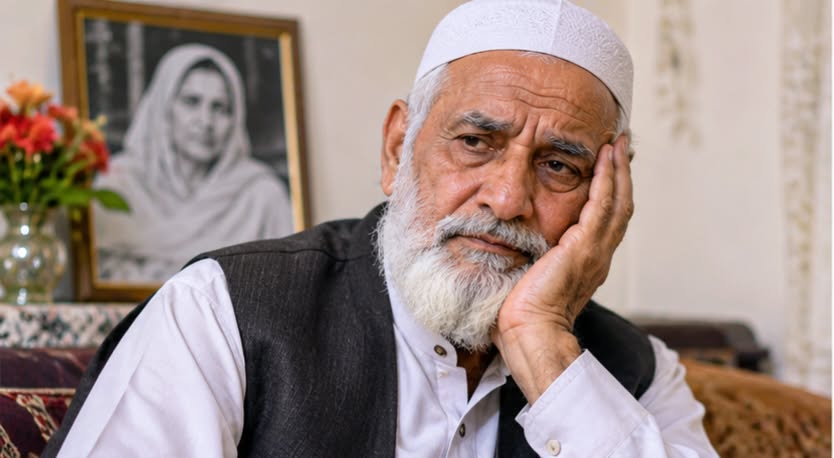
Five months ago, a 55-year-old woman from our extended family passed away, leaving behind sons, daughters, a 60-year-old husband, and young grandchildren. About a month ago, her husband expressed his desire to marry again, but his decision sparked strong reactions within the family. I was surprised to realise that in Pakistani society, not only women but also older men face criticism for expressing a desire to remarry.
The issue was not second marriage itself, but the fact that a 60-year-old man wanted to remarry just a few months after his wife's death. I did not find his wish unusual because, after losing a life partner, anyone can experience loneliness and the need for companionship, regardless of age. However, the family's reaction made me wonder why such a desire is viewed so negatively.
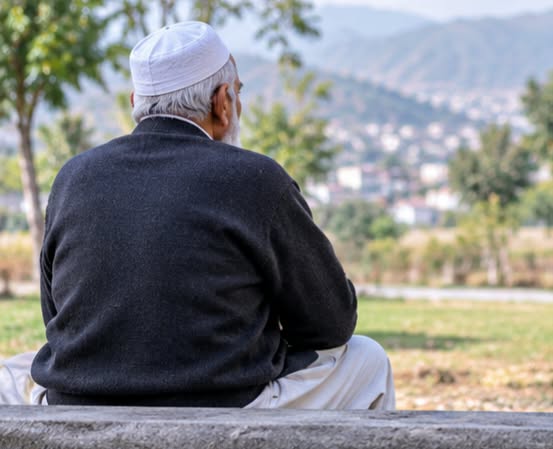
After looking into the matter, I found that social traditions, age-related stereotypes, emotional attachments, and financial and inheritance concerns are among the major factors behind this attitude. Some people believe that getting married after the age of 50 is inappropriate and that, at this stage of life, a man should focus on his children and grandchildren. Others consider it disrespectful to his late wife.
Also Read : Selling Your Old Phone? Your Private Data Could Still Be at Risk
For children, too, accepting their father's decision to remarry is not always easy. Some understand their father's loneliness and support him, while others have concerns about another woman entering their mother's place, property, inheritance, and family relationships.
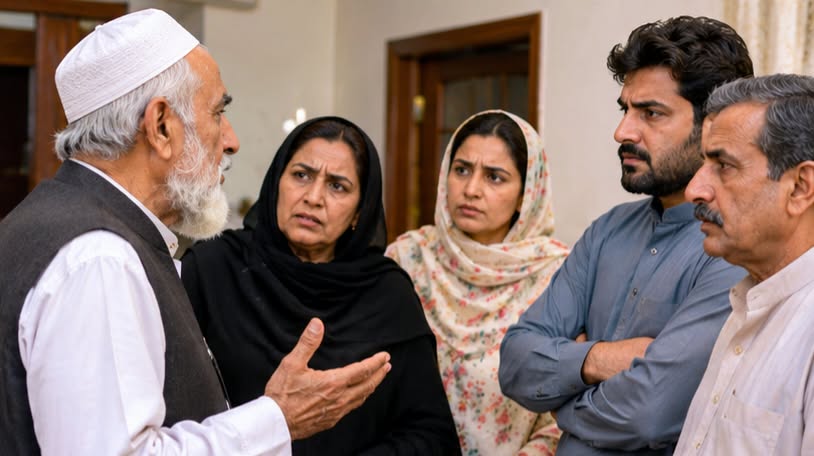
Such men often have to hear comments like: "Your children are already grown up. Why do you need to marry now?" "Aren't you ashamed of getting married at this age?" "How long has it been since your wife passed away? How could you forget her so quickly?" "What about your children? Who will take their mother's place?" “You are a grandfather now; focus on your grandchildren.”
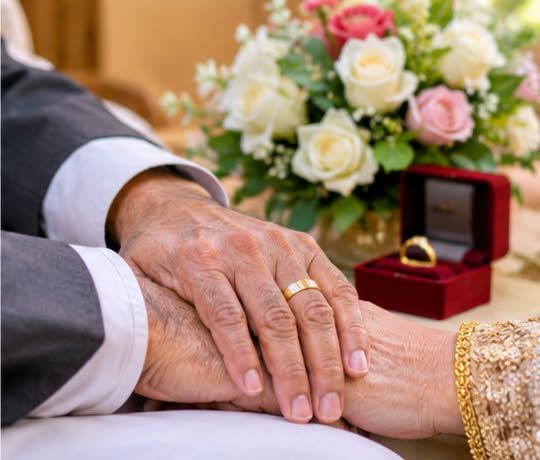
If a man marries a woman younger than himself, he faces criticism for that as well. Some people reduce his desire to nothing more than a physical need, while others associate it with attempts to gain control over family inheritance.
These attitudes show that the emotional needs of older people are often overlooked in our society, even though every human being may need love, respect, security, and companionship at any stage of life.
According to a report released by the World Health Organization (WHO) on June 30, 2025, nearly one in six people worldwide experiences loneliness, while the rate of loneliness among people aged 60 and above stands at 11.8 per cent. The report states that loneliness and social isolation can affect mental and physical health as well as overall quality of life.
Several steps are needed to change this mindset. First, people should be educated about authentic religious and legal facts. In Islam, a man is permitted to remarry after his wife's death, and there is no specific upper age limit for doing so.
Second, awareness should be raised about the mental and physical effects of loneliness, and positive examples of second marriages should be highlighted in which both partners have wisely chosen to begin a new chapter in life. Marriages involving widowed and divorced women should also be encouraged so that second marriage is not viewed only in the context of marrying a younger woman but also as an opportunity for two people to support one another.
Third, a man should communicate openly with his children, listen to their genuine concerns, and make clear plans regarding property, inheritance, and responsibilities. Children, too, need to understand that their father's happiness and emotional needs matter and that a second marriage does not necessarily mean the end of his relationship with them.
The media, dramas, films, and talk shows should also encourage sensitive and realistic discussions on this subject, while schools and colleges should raise awareness about the needs of older people. Men, too, should express their legitimate wishes with confidence and seriousness rather than feeling ashamed of them.
In addition, community-level counselling centres could be established to guide widowed men and women on second marriage, family relationships, and emotional challenges. Psychologists and social workers could also provide support through these centres.
This mindset cannot change overnight, but education, awareness, empathy, and practical measures can help transform social attitudes. After all, the desire for love, companionship, and support has no age limit.
Note: This article reflects the personal opinion of the writer, which does not necessarily represent the views of the organisation.

Comments
No comments yet. Be the first 🙂