



You probably check the price of your old mobile phone before selling it, but have you ever thought about what happens to the photos, videos, private conversations and other information stored in it? Today, a mobile phone is no longer just a means of communication; it has become an important part of our personal lives. It stores family pictures, WhatsApp messages, emails, contact numbers and sometimes even information related to bank accounts.
In my family, old mobile phones are usually kept rather than sold. Even when they stop working, they are put aside because of the fear that the pictures and personal information stored in them might fall into someone else's hands. Many people in our society avoid selling their old phones for the same reason. However, the important question is whether simply deleting data from a mobile phone is enough to remove it permanently.
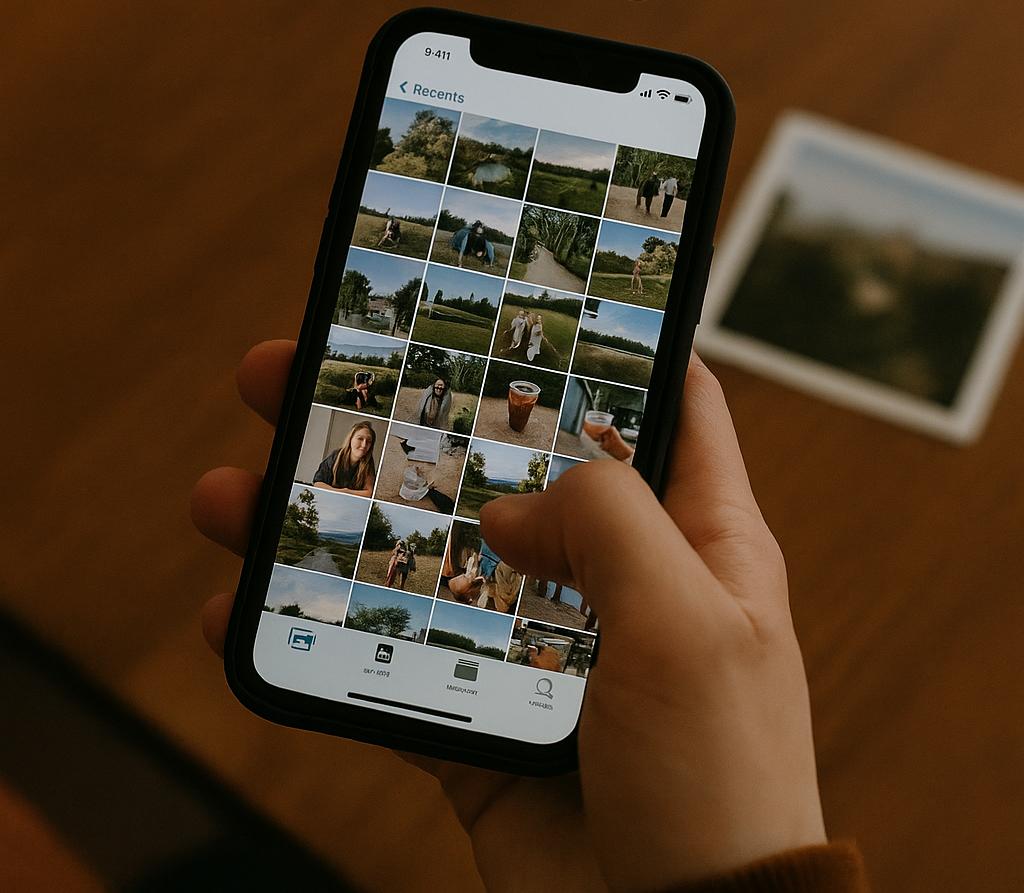
People generally believe that once photos, videos and files are deleted, they cannot be recovered. However, there is a difference between deleting data and securely erasing it. In some circumstances, deleted information may be recovered, although this is not possible with every mobile phone. It depends on the type of device, its security features and the method used to erase the data. Modern smartphones use various security measures, including encryption, to protect stored information.
If someone gains access to your private photos, conversations or important documents, they could misuse them for blackmail, creating fake accounts, fraud or damaging someone's reputation.
The incident involving Pakistani singer Rabi Pirzada in 2019 is an important example in this regard. According to a report published by Dawn on November 2, 2019, after her private videos were leaked on social media, she approached the Federal Investigation Agency's (FIA) Cyber Crime Wing.
The report quoted her as saying that she had taken her damaged mobile phone for repairs, where her pictures and videos were copied and later uploaded to social media. It is important to clarify that this incident involved handing over a phone for repair rather than selling it. However, it highlights the importance of protecting personal information.
Also Read : Landi Kotal hosts first ADC meeting to shape future of 12 districts
Another unfortunate aspect of such incidents is that instead of supporting the victim, some people begin criticising them. However, sharing someone's private pictures or videos without their consent is a violation of their privacy. Rather than forwarding such content, people should respect the affected person's privacy and offer support.
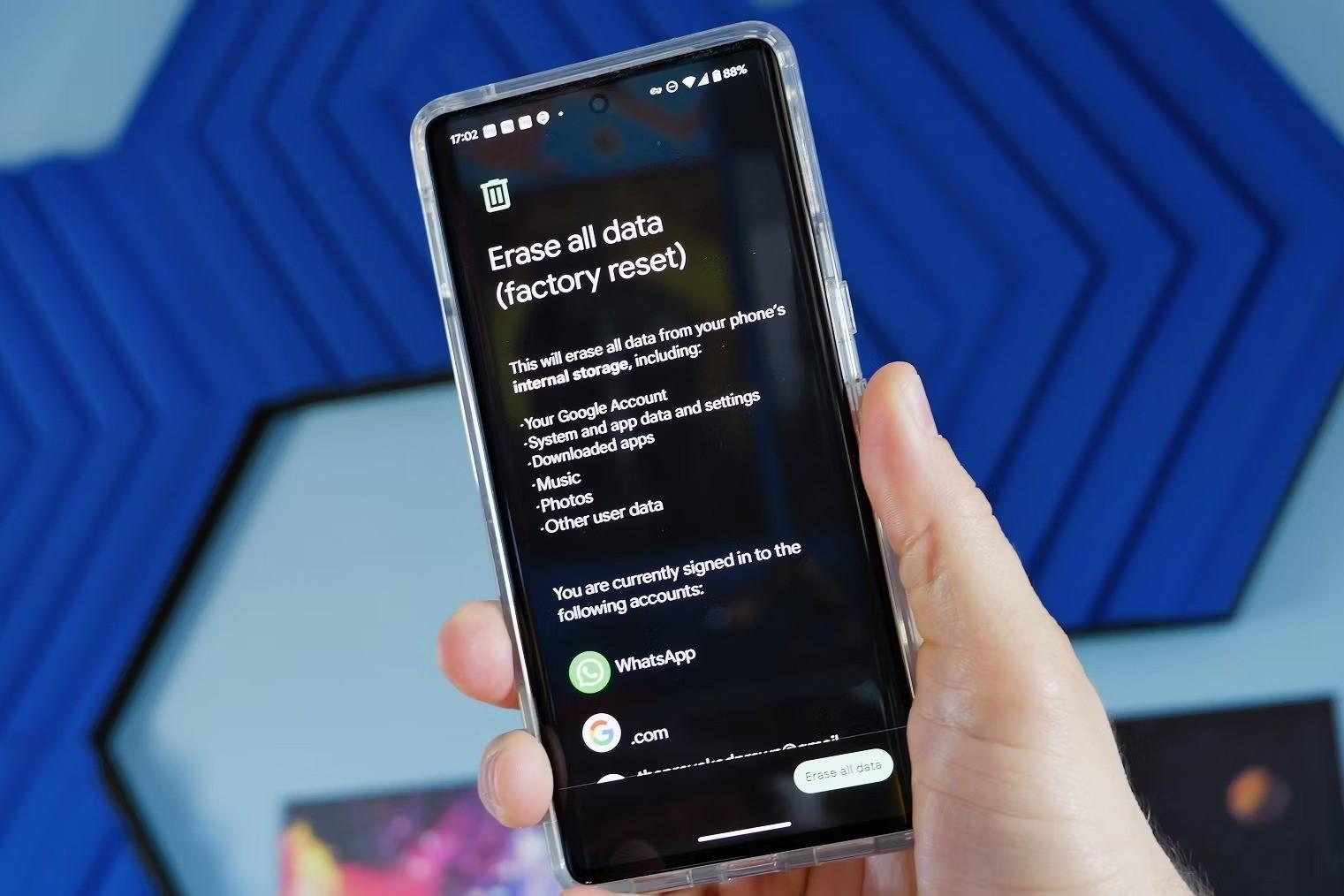
According to technical guidance on cybersecurity and digital forensics, deleting data and erasing it in a way that makes it unrecoverable are two different things. The guidance issued by the US National Institute of Standards and Technology (NIST) also highlights the importance of securely erasing data to prevent unauthorised access. Factory resetting is an important method for this purpose on modern smartphones, but it should be performed according to the manufacturer's instructions. Google and Apple also advise users to erase their personal information and remove relevant accounts before selling an old mobile phone.
Before selling your mobile phone, transfer important photos, videos, contacts and documents to a secure location as a backup. Then properly remove all your personal accounts, including Google or Apple accounts, and perform a factory reset according to the manufacturer's instructions. Also, remember to remove your SIM card and memory card before handing over the phone.
If your mobile phone is damaged, have it repaired by a trusted technician and, if possible, stay present during the repair process. In particular, avoid leaving a phone containing private pictures and important information at a repair shop for an extended period. If the phone is so badly damaged that it cannot be reset, it is better to consult a trusted expert before selling it.
If someone's private pictures or videos are shared on social media without their consent, they should preserve evidence such as relevant links, account names and messages. They should then report the content to the relevant social media platform and contact the relevant cybercrime authority in Pakistan. In such situations, it is important to support the affected person and respect their privacy rather than making them feel ashamed.
A mobile phone may be worth a few thousand or even a few hundred thousand rupees, but the family pictures, memories and personal information stored in it are far more valuable. When selling an old phone, we pay attention to its price and condition but often forget about protecting our data. So, the next time you decide to sell your mobile phone, do not just consider its price; make the protection of your personal information a priority as well.




Comments
No comments yet. Be the first 🙂