


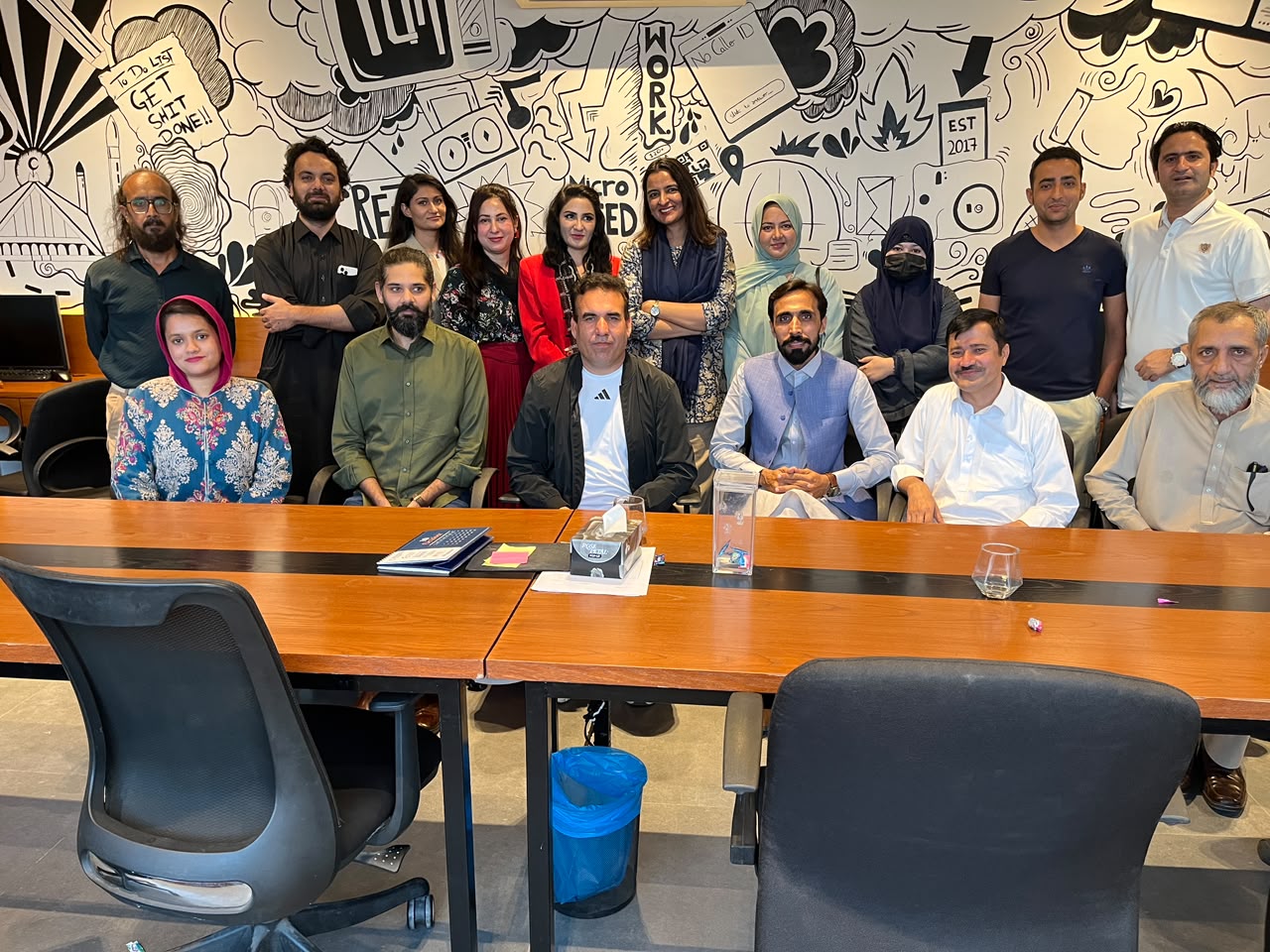
Local media plays an important role in identifying community issues and conveying the voices of the public to authorities. However, in the digital age, simply publishing news is no longer enough. Media organisations must also understand how to produce effective content, maintain audience engagement and develop sustainable sources of revenue. To understand these needs, Tribal News Network (TNN) organised a two-day exposure visit in Islamabad, Pakistan’s capital, for owners and reporters of regional media houses from Khyber Pakhtunkhwa.
During the visit, participants toured the offices of Hum News, Pakistan Television (PTV) Digital, The Centrum Media (TCM) and WE News. They had the opportunity to learn about digital journalism, content production, audience engagement and revenue generation strategies.
According to Tribal News Network founder Syed Nazir, the main objective of the initiative was to equip regional media organisations with the technical and professional skills needed to adapt their work to the demands of the digital age.
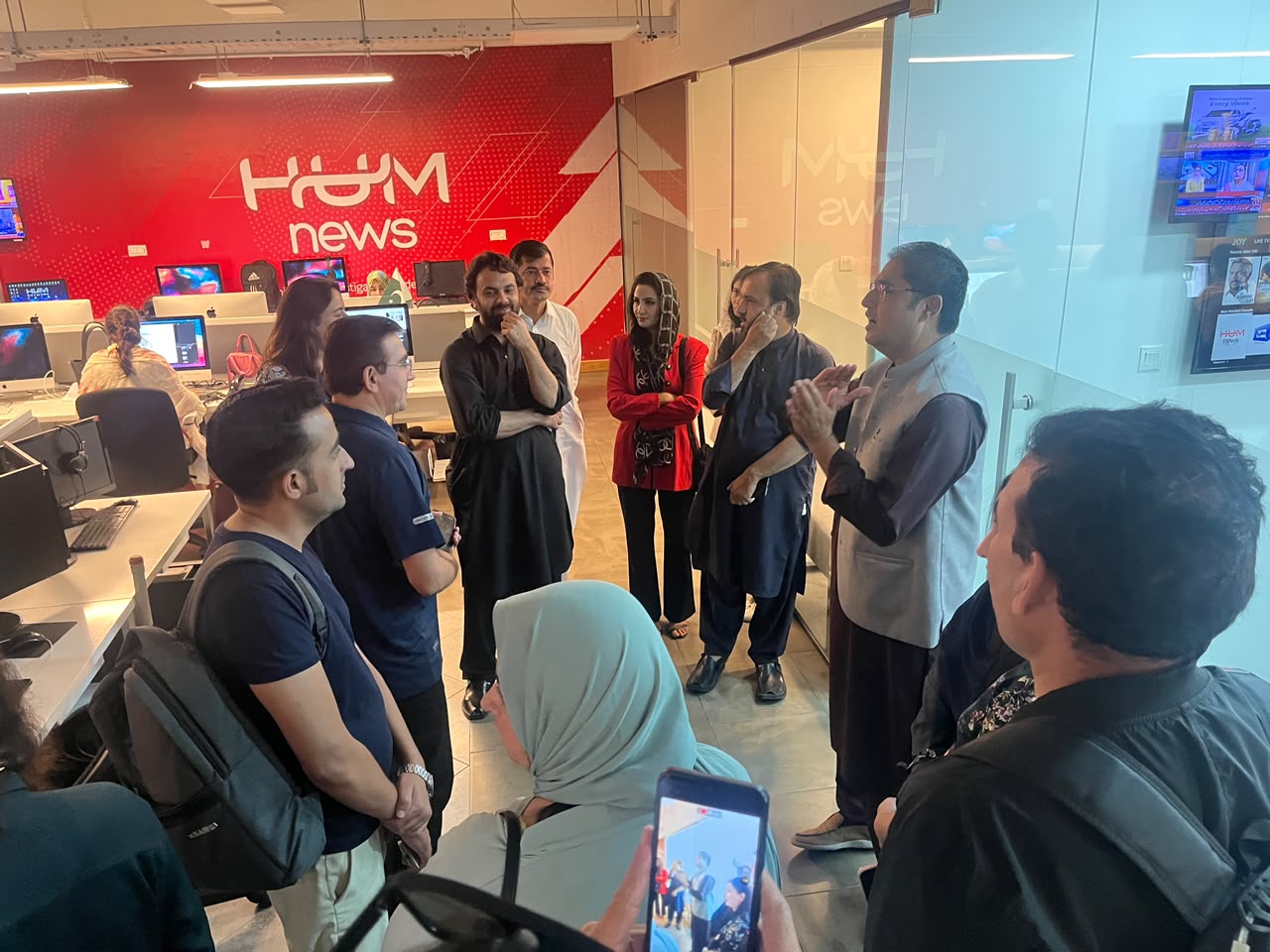
He said these organisations highlight public issues at the grassroots level, but limited resources and a lack of revenue sources create challenges for them. Major national media organisations cannot reach every village and remote area, making it essential to strengthen local media so that issues in these areas can also receive wider attention.
Senior journalist Irfana Yasir also participated in the visit. Her participation was part of an effort to highlight the challenges faced by regional media houses and bring their concerns to the attention of relevant stakeholders.
Representatives from various regional media organisations, including Khyber Times, News Update, Zama Swat, Burqa Journalist, Pakhtunkhwa Bulletin, News Cloud, Azadi News and J91 News, took part in the exposure visit.
The transition from traditional journalism to digital media is creating new learning opportunities for many journalists. Khyber Times reporter Salma Jahangir shared her experience, saying that after working at Pakistan Television, she realised she needed to adapt to new approaches to work in the digital age.
“Five to seven years ago, when I worked at PTV, the working style was completely different. I had left the job because I felt I might not be able to work in the digital age. However, this exposure visit, particularly the visit to PTV Digital, helped me understand how I could use my existing skills in the digital era.
“I also learned how to update and republish content produced 10 to 15 years ago and how to keep audiences engaged,” she said.
Alongside publishing content on digital platforms, finding sources of revenue remains a major challenge for regional media organisations. Arif Ahmed, owner of Zama Swat, said his organisation had been publishing news, but its knowledge of revenue-generation methods was limited.
According to him, “We used to publish news, but we did not know how to generate revenue from it. Here, technical aspects were explained to us in detail, and we had the opportunity to ask questions openly, which helped clear up many of our confusions.”
In digital journalism, the language and presentation of content are just as important as the news topic and facts. Social media platforms have specific policies regarding certain words and topics. Therefore, journalists need to understand how to report on sensitive issues responsibly and avoid language that could violate platform policies.
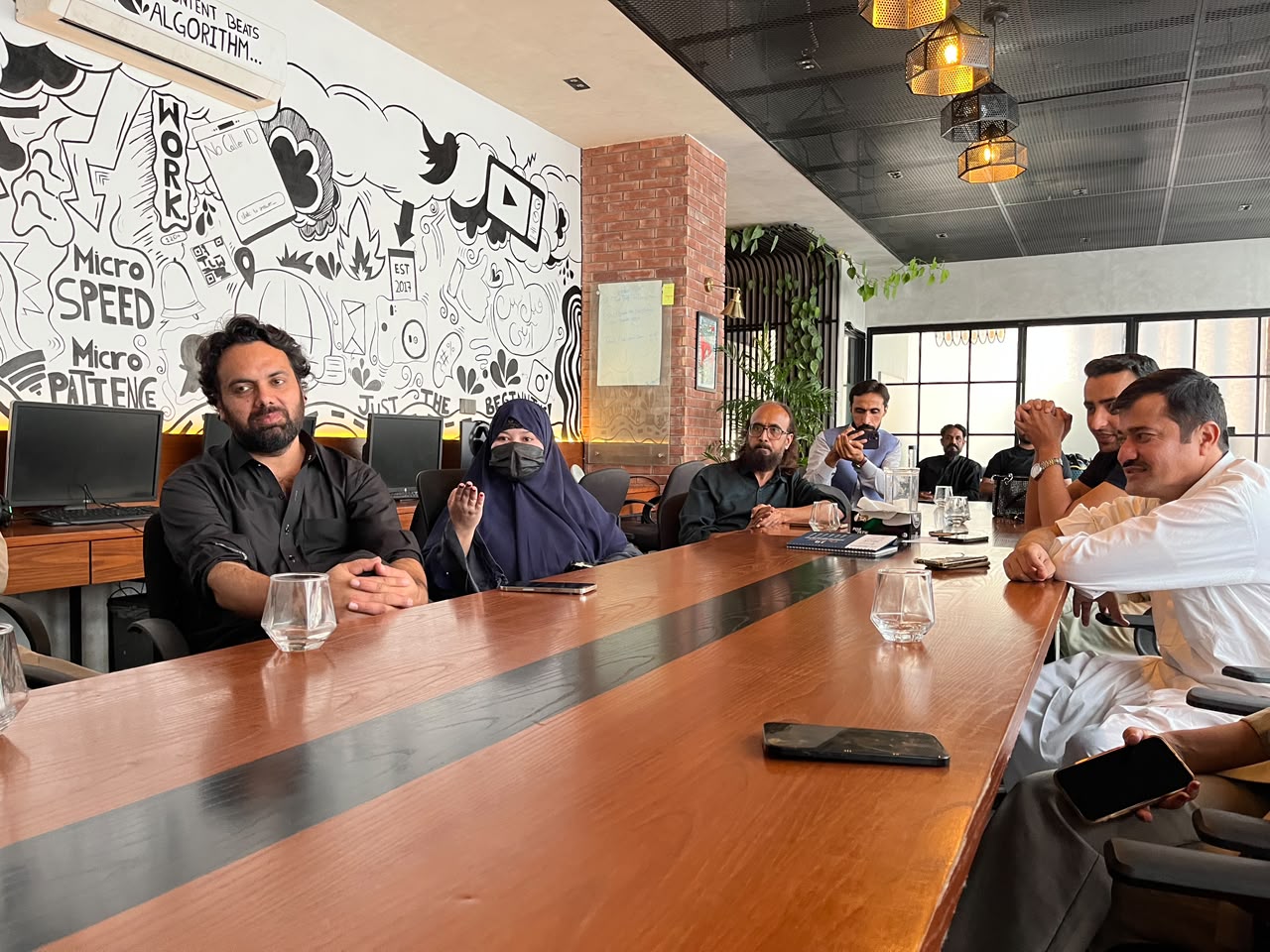
According to Arshad Khan, owner of J91 News, the exposure visit helped him understand restricted words, platform policies and ways to produce effective content. He said that previously, he had not fully realised that certain words or ways of presenting content could conflict with platform policies.
He said the visit also provided an opportunity to learn how to cover sensitive words and topics in a way that preserves the original meaning of a news story while reducing the risk of violating platform policies.
As a reporter, one of the key lessons I learned from this exposure visit was that producing a good story alone is not enough in digital journalism; delivering it to readers in the right way and at the right time is equally important.
During the visit to TCM, I particularly learned that regularly publishing content on specific topics on a digital platform on a fixed day and at a set time can help develop a reading habit among audiences, encouraging them to look forward to upcoming stories. For this, journalists need to establish a consistent publishing schedule while keeping their topics and readers’ interests in mind.
I, Uzma Iqbal, a reporter at Zama Swat, work on issues such as women’s voices and climate change. In my experience, stories about some important issues do not receive the level of audience attention they deserve. This visit helped me understand that, alongside the importance of a story, it is also necessary to focus on its presentation, publication timing and ways of reaching readers.
Similarly, understanding the policies of digital platforms is important to ensure that the language and presentation of content comply with these policies, allowing important issues to be brought to public attention more effectively.
Strengthening regional media is not just about the professional development of local media organisations; it is also about highlighting the problems of people whose voices often fail to reach major media outlets. Such practical learning opportunities can help regional journalists acquire new skills, improve their work and present the issues affecting their communities to the public more effectively.
In the digital age, the true strength of regional journalism can become more evident when effective ways of reaching readers are adopted alongside efforts to highlight local issues.

Comments
No comments yet. Be the first 🙂