


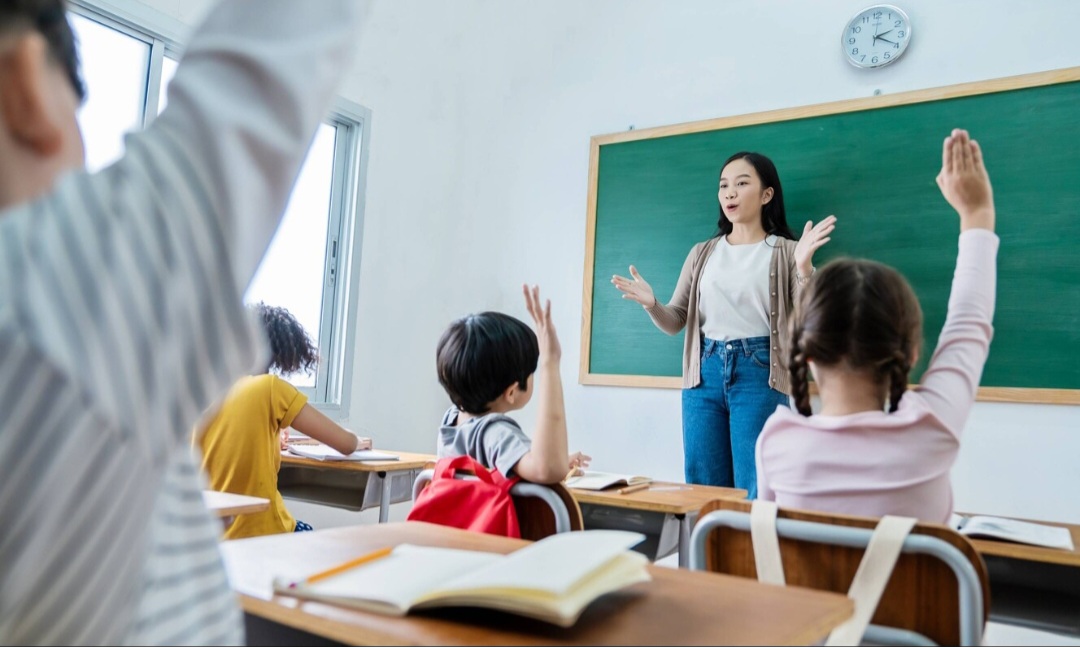
The way people acquire knowledge has changed alongside developments in the world. The internet and modern technology have made information more accessible, but this convenience has also reduced direct interaction between teachers and students. Many students now prefer watching educational videos on their mobile phones rather than learning directly from teachers in classrooms.
A teacher spends decades acquiring knowledge, teaching and learning from experience. In contrast, some students consider a 10- to 15-minute online video a substitute for a complete lecture. However, teachers do more than deliver academic knowledge. They also use their experiences, observations and guidance to shape students’ personalities and ways of thinking.
Traditionally, teachers have played a central role not only in education but also in character development. Parents bring children into the world, while teachers help them develop an understanding of how to live in it. Islam also highlights the importance of teachers. Prophet Muhammad (PBUH) said, “I have been sent as a teacher.” Throughout history, philosophers, thinkers and scholars travelled long distances to acquire knowledge and benefit from the company and guidance of teachers.
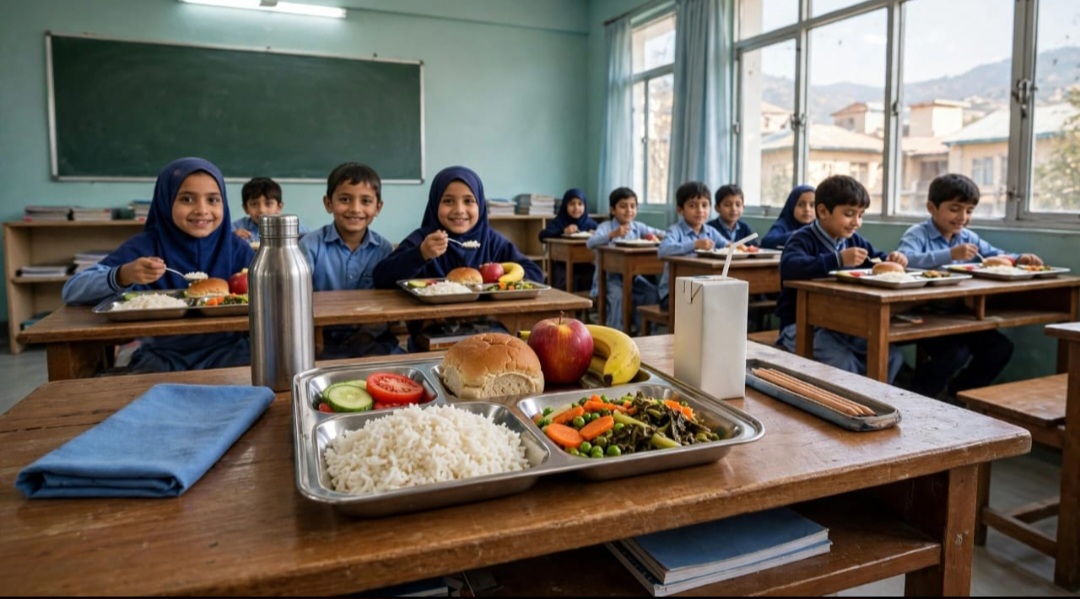
In traditional education, students attend classes in schools, colleges and universities, ask questions, participate in discussions and receive direct guidance from their teachers. Along with explaining academic subjects, teachers share lessons from their own lives. This interaction helps students understand their lessons while developing habits of research, reading and critical thinking.
I still remember an experience with one of my university teachers who taught International Relations. Once, I struggled to understand his lecture, so I visited him with a few fellow female students. Instead of reprimanding us, he shared his personal experiences and explained how he had reached his position. He told us that every achievement requires continuous effort, that not everyone receives the same support and opportunities, and that many people must work independently to reach their goals.
During that meeting, I not only understood the lecture but also learned how to move forward despite difficulties. Whenever I faced discouragement, his words gave me motivation. I could not have gained the same guidance from a video because the teacher understood our circumstances and responded through his own experiences.
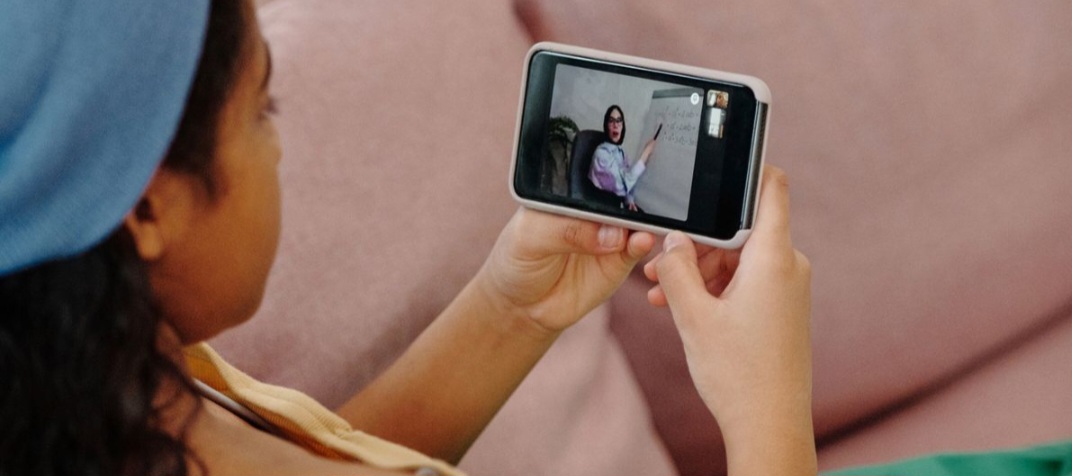
The COVID-19 pandemic accelerated the shift towards online education as educational institutions closed. Classes, assignments and lectures moved to mobile phones and computer screens. This transition helped students continue their education, but the growing dependence on online material has raised an important question: Can videos and digital platforms fully replace classroom teaching and personal guidance from teachers?
The internet is undoubtedly a vast source of knowledge. It provides access to information, research material and educational lectures from around the world. However, acquiring information and understanding how to apply it in everyday life are two different things. Watching a one-hour lecture at a faster speed in just 10 minutes cannot guarantee the same understanding as attending the complete lecture and listening to a teacher's explanations.
In classrooms, teachers listen to students' questions, understand their difficulties and explain concepts according to their needs. Recorded videos, on the other hand, cannot respond to every student's individual learning difficulties. Classroom discussions, questions and answers also help students develop critical thinking and research skills.
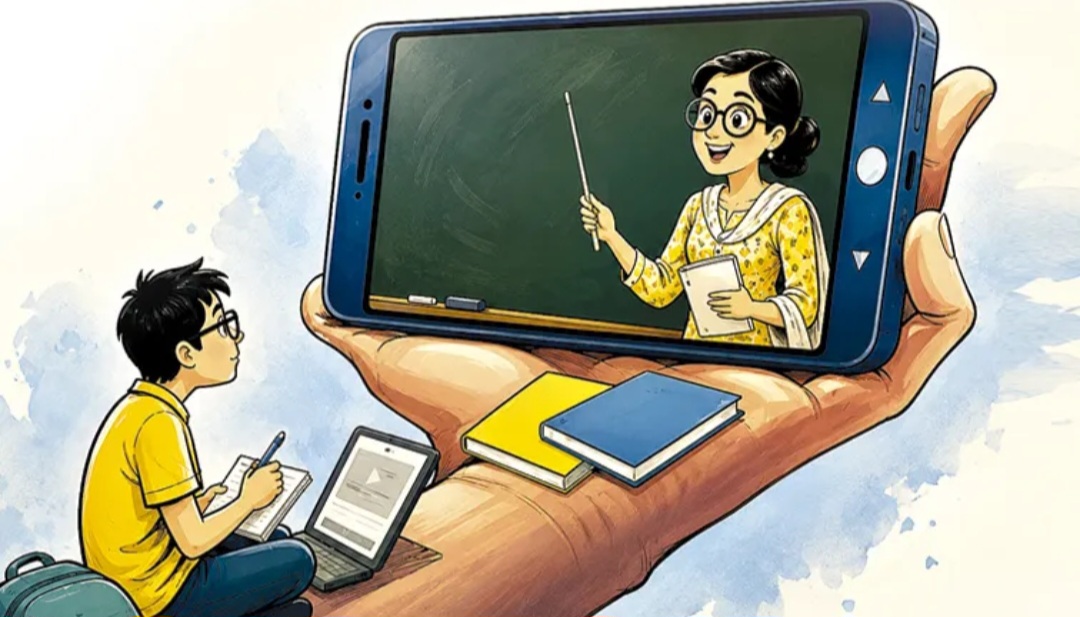
Artificial intelligence (AI) and tools such as ChatGPT have further simplified access to information. Students can use these platforms to find answers and receive academic assistance, but such tools cannot replace teachers. Technology can support education, but human experience, personal development and direct guidance remain important.
The need of the hour is to benefit from modern technology while maintaining a strong connection with teachers and books. Online education provides access to information, but the real purpose of learning is not simply to collect facts. It is to develop understanding, research skills, critical thinking and the ability to apply knowledge in practical life.



Comments
No comments yet. Be the first 🙂