


By Mahnoor Rahat
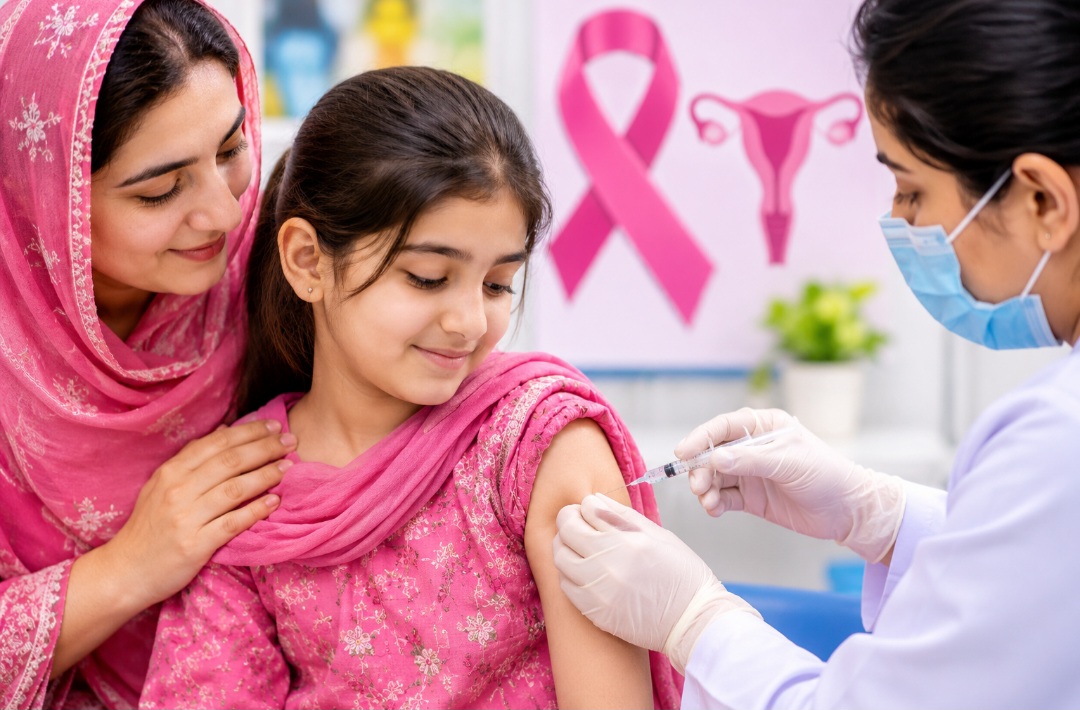
Following the launch of the Human Papillomavirus (HPV) vaccination campaign in Pakistan to prevent cervical cancer, several questions have emerged among parents. In particular, they want to know why girls aged 9 to 14 are being vaccinated, whether the vaccine could affect their future marriage, pregnancy or ability to become mothers, and why boys are not being vaccinated if the virus can also affect men.
Human Papillomavirus (HPV) is a common virus with several types that can affect the human body. Some of these types can cause cervical cancer. In Pakistan, approximately 5,000 women develop the disease every year, while nearly 3,000 lose their lives to it. These figures highlight the seriousness of cervical cancer as a women's health issue and the importance of preventive measures.
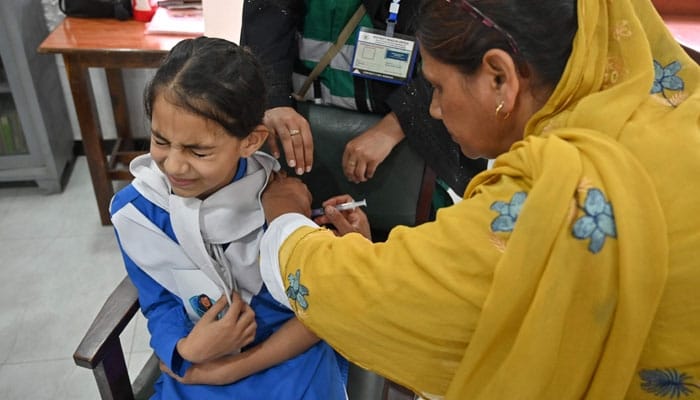
According to medical experts, the purpose of vaccinating girls between the ages of 9 and 14 is to protect them against the virus before they are potentially exposed to it. At this age, the body's immune system produces a stronger response to the vaccine, helping provide protection against specific types of the virus. This is why children in this age group are prioritised for HPV vaccination worldwide.
One of the biggest concerns among parents is whether the vaccine could cause infertility or complications during pregnancy in the future. According to available medical evidence and research, there is no established link between the HPV vaccine and infertility. On the contrary, the vaccine helps prevent cervical cancer, as treatment for certain cases of the disease may require the removal of the uterus, which can affect a woman's ability to become pregnant in the future.
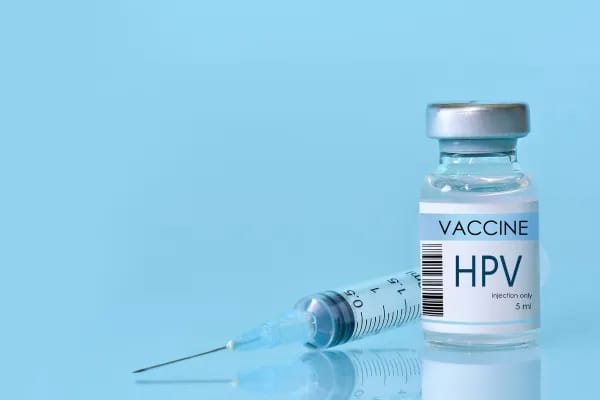
Dr Bilal, who is based in Peshawar, said that the purpose of every vaccine is to prepare the body's immune system to fight a specific virus or disease. The HPV vaccine works on the same principle and provides protection against specific types of the virus responsible for cervical cancer. He said he had arranged HPV vaccinations for several school-going children in his area and had not observed any unusual problems among them.
Also Read : A Golden Dip: Gold Prices Fall Significantly in Pakistan
Medical information indicates that temporary side effects such as arm pain, mild swelling or fever may occur after vaccination. These symptoms usually resolve on their own. However, as with any vaccine, medical advice should be sought if an unusual reaction occurs.
It is also incorrect to assume that HPV only affects women. Men can also contract the virus. However, Pakistan's current vaccination campaign primarily targets girls aged 9 to 14 because its main objective is to prevent cervical cancer. In several countries around the world, boys are also vaccinated to protect them against other diseases caused by the virus.
Pakistan launched its HPV vaccination campaign in September 2025. The first phase covered Punjab, Sindh, Islamabad and Azad Jammu and Kashmir. In the second phase, the vaccination campaign was launched in Khyber Pakhtunkhwa on November 11, 2026, and will continue until November 24.
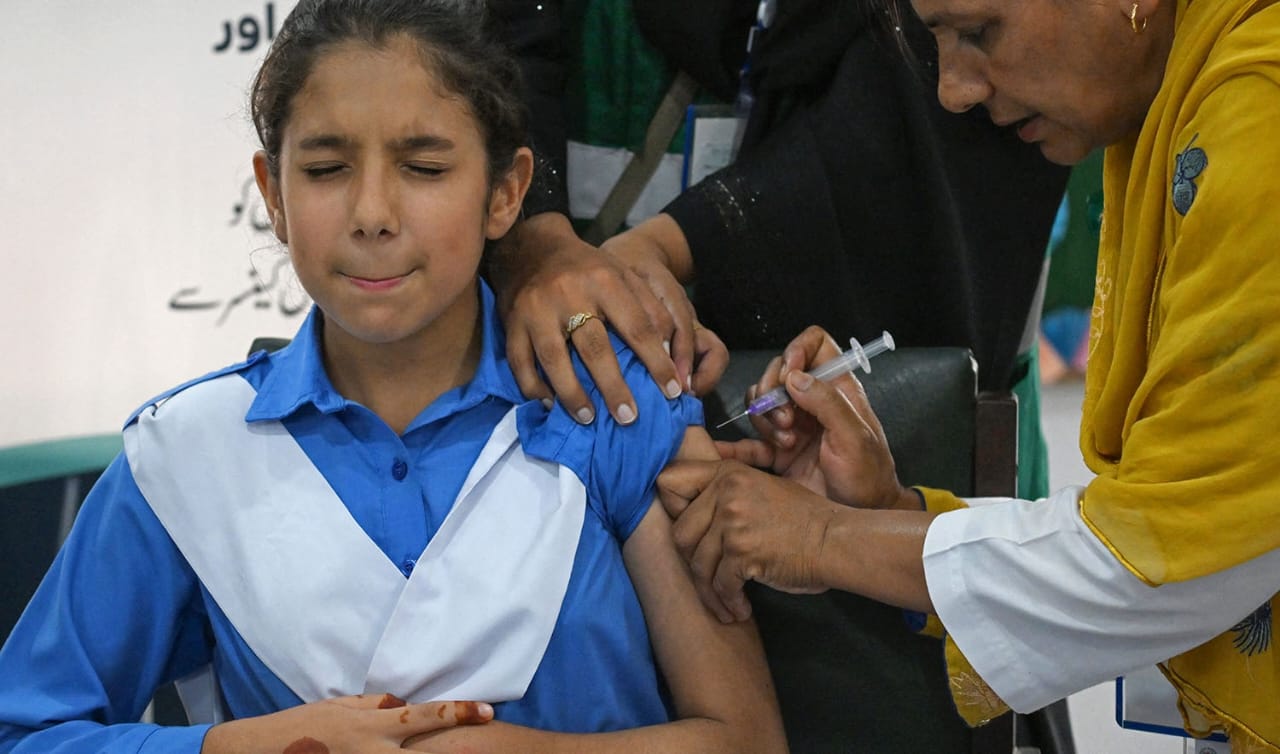
The target for this phase is to vaccinate approximately 2.9 million girls. Balochistan and Gilgit-Baltistan are planned to be included in the third phase. The vaccine is being provided in Pakistan with the support of the World Health Organization (WHO).
Addressing parents' concerns about the HPV vaccine requires more than simply running a vaccination campaign. It is equally important to provide them with reliable medical information. Relevant authorities and medical experts should clearly explain the vaccine's benefits, possible side effects and the reasons for its administration, while addressing parents' questions and concerns.
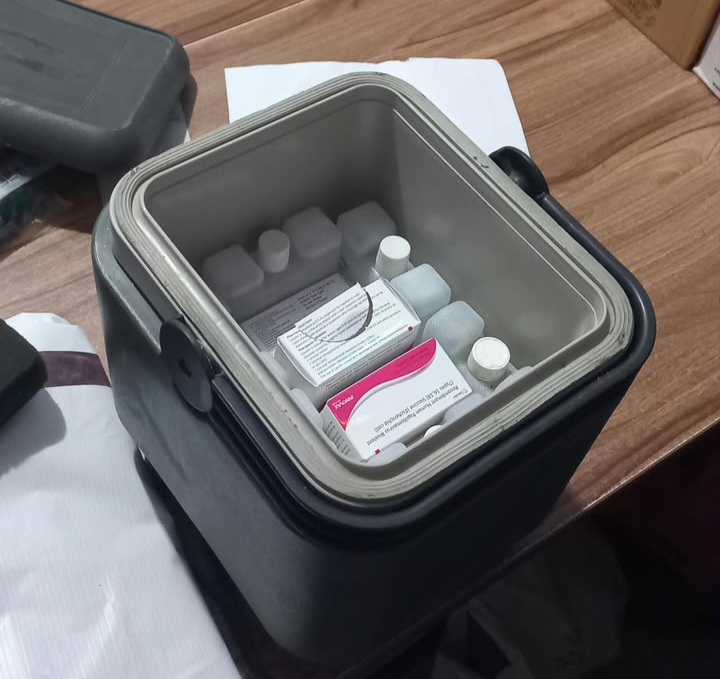
Instead of relying on unverified information circulating on social media, parents should give importance to credible medical research and expert opinions. This will help them make informed decisions about their daughters' health based on accurate information.




Comments
No comments yet. Be the first 🙂