



In today’s world, the cost of living is rising day by day.
Inflation, basic necessities, and the race for a better future have brought many families to a point where both parents have to work or run a business in order to meet household expenses and provide their children with better education, good nutrition, and a comfortable life.
Undoubtedly, parents always have good intentions. They want their children to lack nothing, to receive the best education, and to succeed in life. However, in this constant struggle, a very important aspect is often overlooked: giving time to children, understanding their emotions, and providing proper upbringing.
When parents remain busy from morning till evening, children spend a large part of their day at school, tuition, or alone at home. Sometimes, they are left in the care of grandparents or others. While these caregivers can look after them, they cannot replace the love, closeness, and attention of parents.
Also Read : When Survival Becomes a Performance: Children on the Streets
Children want to share their daily experiences, joys, worries, and small emotions with their parents. They want someone to listen to them, understand their feelings, and make them feel valued.
But when this opportunity is repeatedly missed, children begin to withdraw into silence, and gradually loneliness becomes a part of their personality.
Children are not only dependent on food, clothing, and education; they need love, attention, security, and a sense of belonging the most.
When a child is deprived of parental attention, they may begin to feel that they are not important. This feeling slowly weakens their self-confidence. Such children sometimes become stubborn, irritable, and short-tempered, while others become completely quiet, withdrawn, and emotionally broken.
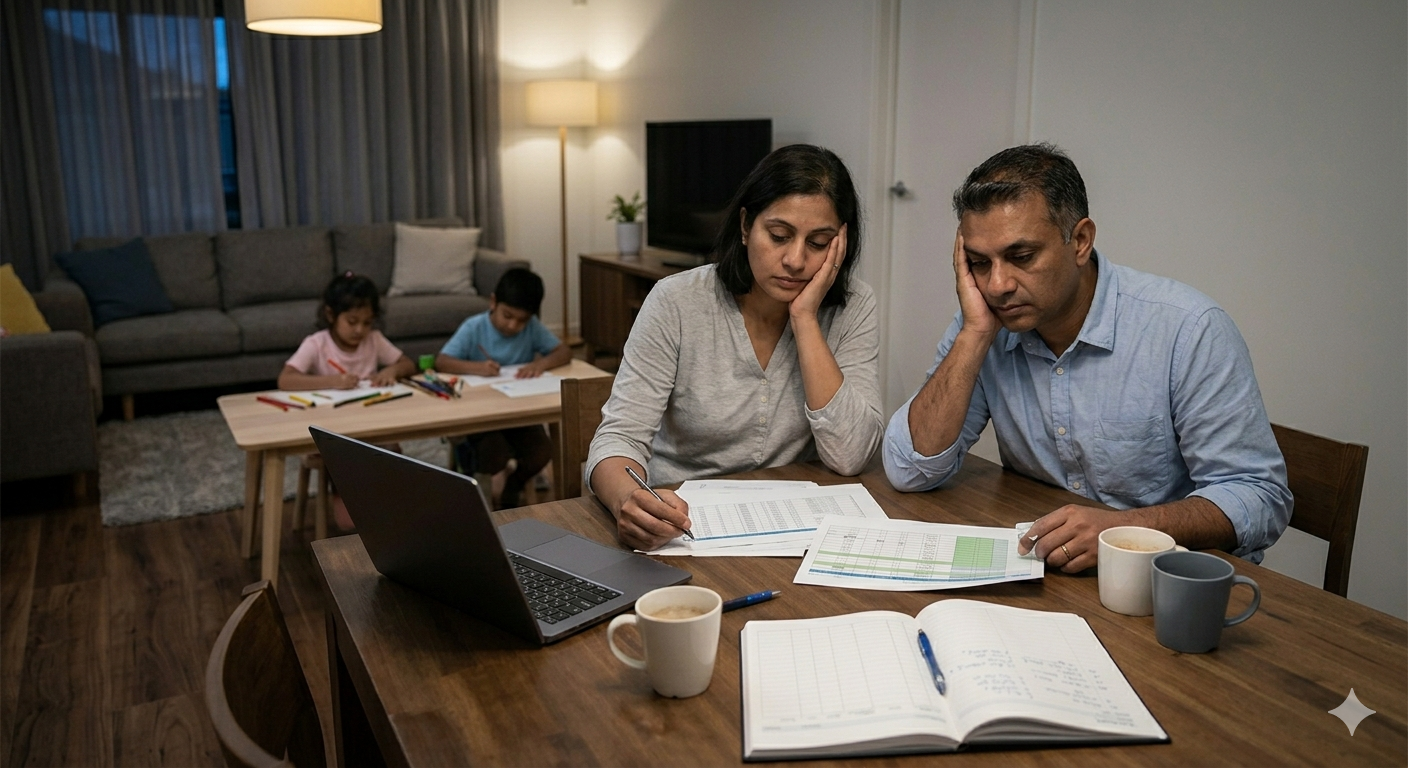
Many parents believe that since they are working day and night for their children, better facilities can compensate for the lack of time. But reality is quite the opposite.
Children value their parents’ presence more than expensive gifts, good clothes, or luxurious facilities. The most precious moments for them are when their parents sit with them, listen to them, understand their emotions, and make them feel that they are an important part of their lives.
Child upbringing is not shaped by advice alone; it develops through parents’ behavior, character, and daily interactions.
Children learn by observing their parents. They are influenced by their way of speaking, patience, behavior, and decision-making. When parents do not spend time with their children, they miss the opportunity to correct their mistakes in time and to encourage their good habits.
As a result, children may struggle to differentiate between right and wrong and may develop a lack of discipline.
According to psychologists, lack of parental attention in childhood can have deep effects on a child’s mental health. Such children often experience fear, anxiety, a sense of deprivation, insecurity, and anger.
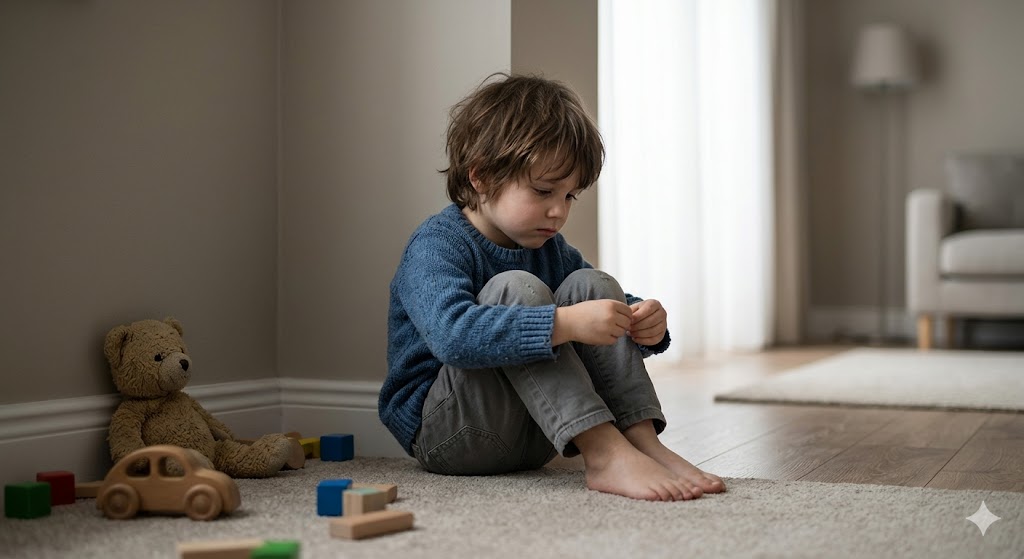
Some lose interest in their studies, while others may turn to bad company or unhealthy activities in an attempt to gain attention. These issues are not temporary; if not addressed in time, they can become a permanent part of a person’s personality, affecting their future life, relationships, and decisions.
It is not correct to say that working parents are at fault, as in today’s world it has become a necessity. The real issue is not working, but maintaining a balance between work and children.
If parents take out some time for their children daily, talk to them, listen to them, and make them feel important, even this small effort can make a big difference in their lives.

Children grow up with time, but their childhood never returns. If no one listens to them today, they gradually learn to hide their emotions, and this silence creates distance between parents and children.
It is clear that financial resources alone are not enough for proper upbringing. To raise a good human being, parents’ love, time, and guidance are essential.
If parents prioritize their children alongside their responsibilities, they can not only secure a better future for them but also lay the foundation for a better society.
Note: This piece reflects the author’s personal opinion, which may not necessarily represent the views of the organization.
.jpeg)
.png)
1.jpeg)



1 Comments
Please let me know if you're looking for a article writer for your blog.
You have some really great posts and I think I would be a good asset.
If you ever want to take some of the load off, I'd really like to write some material for your blog in exchange for a link back to mine.
Please shoot me an e-mail if interested. Thank you! xnxx
Take a look at my website ... <a href="https://blonde.xvideosfap.cc/">homepage</a>