


By Aizal Khan
Every year on November 20, World Children’s Day is observed across the globe to raise awareness about children’s rights, education, health, protection and a better future. The day reminds us that children’s rights should not remain limited to international agreements or celebrations but must also be protected and ensured in everyday life.
The foundation of World Children’s Day was laid in 1954, when the United Nations General Assembly, through Resolution 836 (IX) on December 14, recommended that all countries observe a universal day dedicated to children. The initiative aimed to promote mutual love, understanding and the welfare of children around the world.
However, November 20 holds special significance as the United Nations adopted the Declaration of the Rights of the Child on this day in 1959. Similarly, the Convention on the Rights of the Child was also adopted on November 20, 1989.
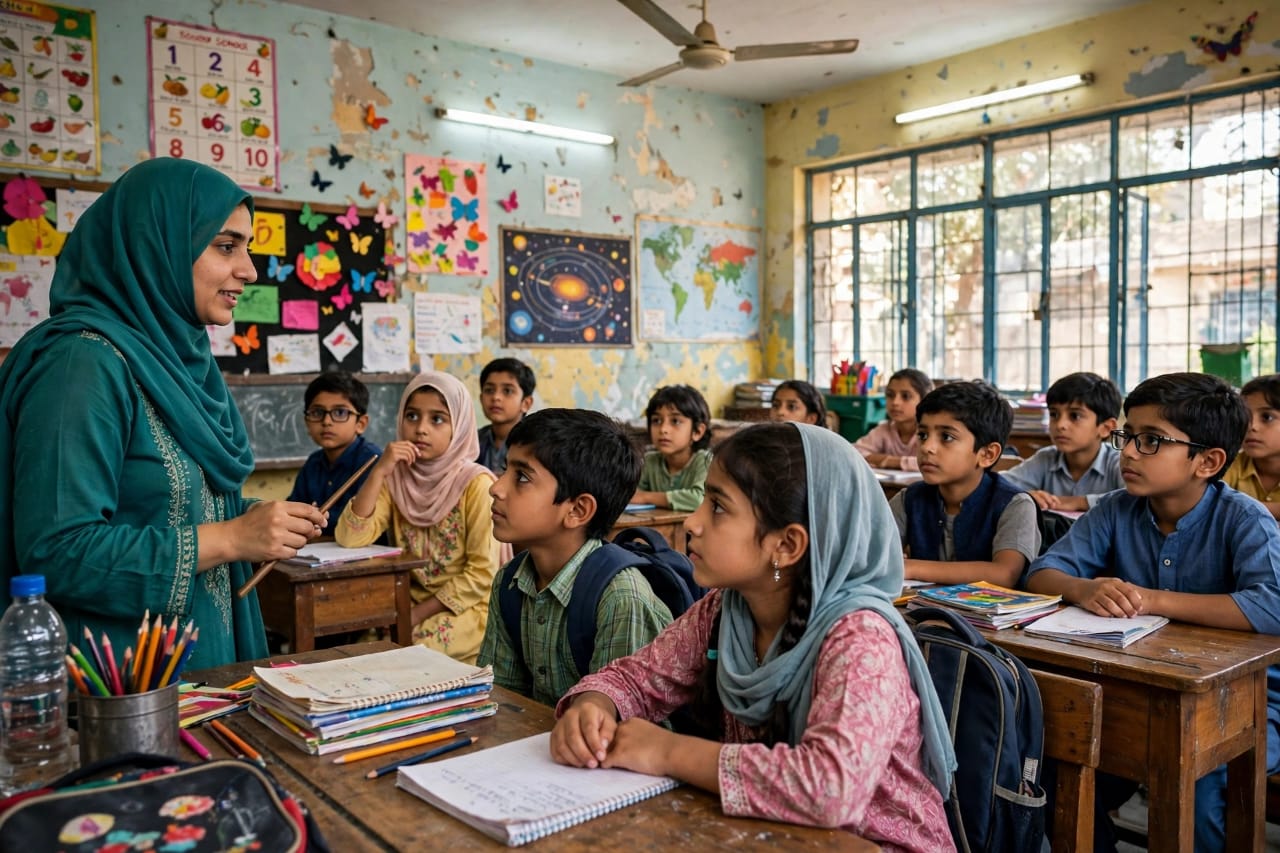
The Convention on the Rights of the Child recognises children's fundamental rights, including education, healthcare, play, living with their families, protection from violence, freedom from discrimination and the right to express their views. Pakistan is also a signatory to this international convention, but several challenges concerning children's rights continue to exist in our society.
Raising children is not limited to teaching them good manners, respecting elders, greeting others and speaking politely. It is equally important to educate them about their rights, physical safety and personal boundaries. Parents should explain the difference between appropriate and inappropriate touch according to their children's age and understanding. They should also teach children that their bodies belong to them and that no one has the right to force them into inappropriate behaviour.
It is equally important to give children the confidence to speak up if someone makes them uncomfortable, threatens them or forces them to keep something secret. They should know that they can freely share such experiences with their parents or a trusted person without fear. Children must understand that respecting adults does not mean compromising their own safety.
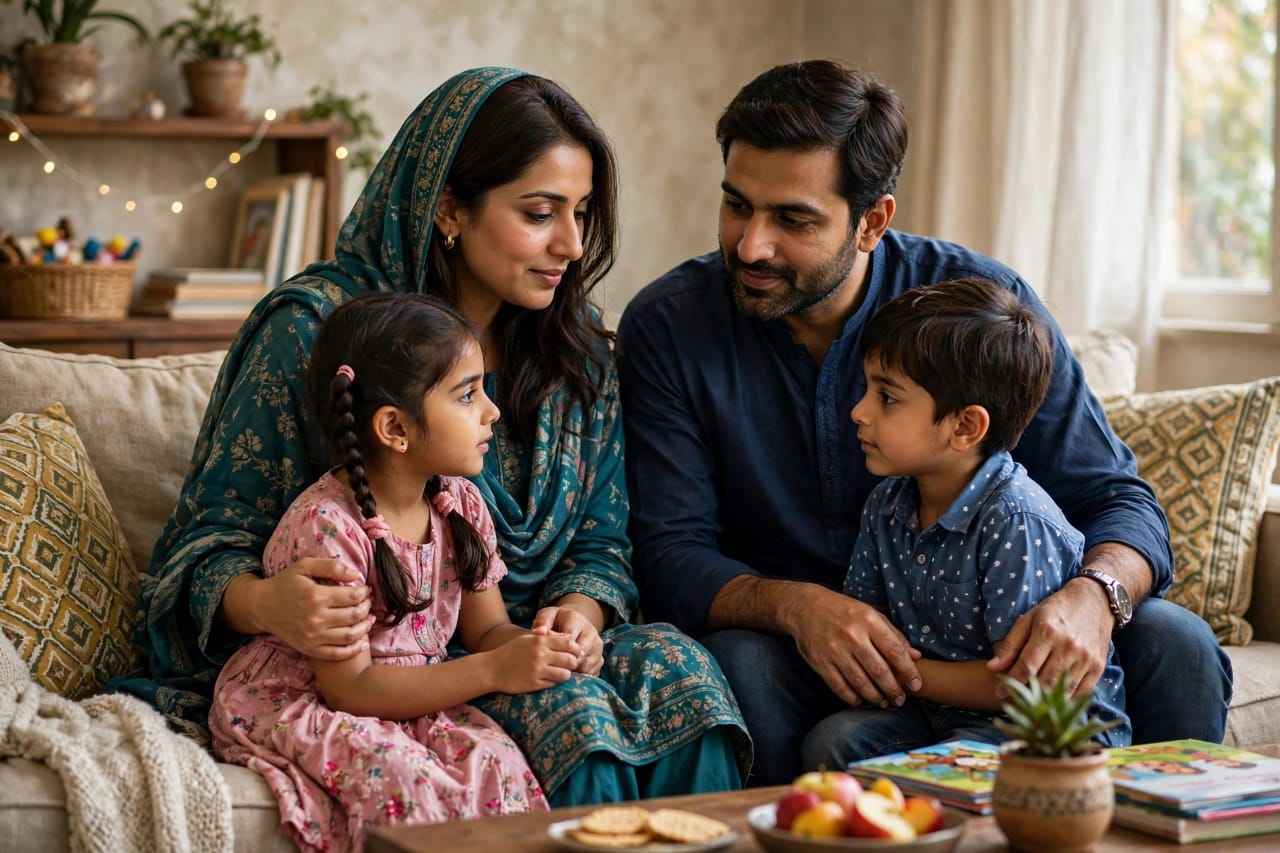
Parents should spend time with their children every day, listen to them and take an interest in their daily lives. Asking questions about how their day at school went, how their friends and teachers treated them, or whether anyone made them uncomfortable can give children an opportunity to express themselves. If parents react to everything with anger, scolding or dismiss their children's concerns as unimportant, children may begin to remain silent even when facing difficulties.
Teaching children to be cautious only around strangers is not enough, as inappropriate behaviour can also come from someone they know, a relative or a person they consider trustworthy. Therefore, children must be educated about recognising their personal boundaries, speaking out against inappropriate behaviour and seeking help when necessary.
Also Read : Honouring parents: A fundamental duty in Islam
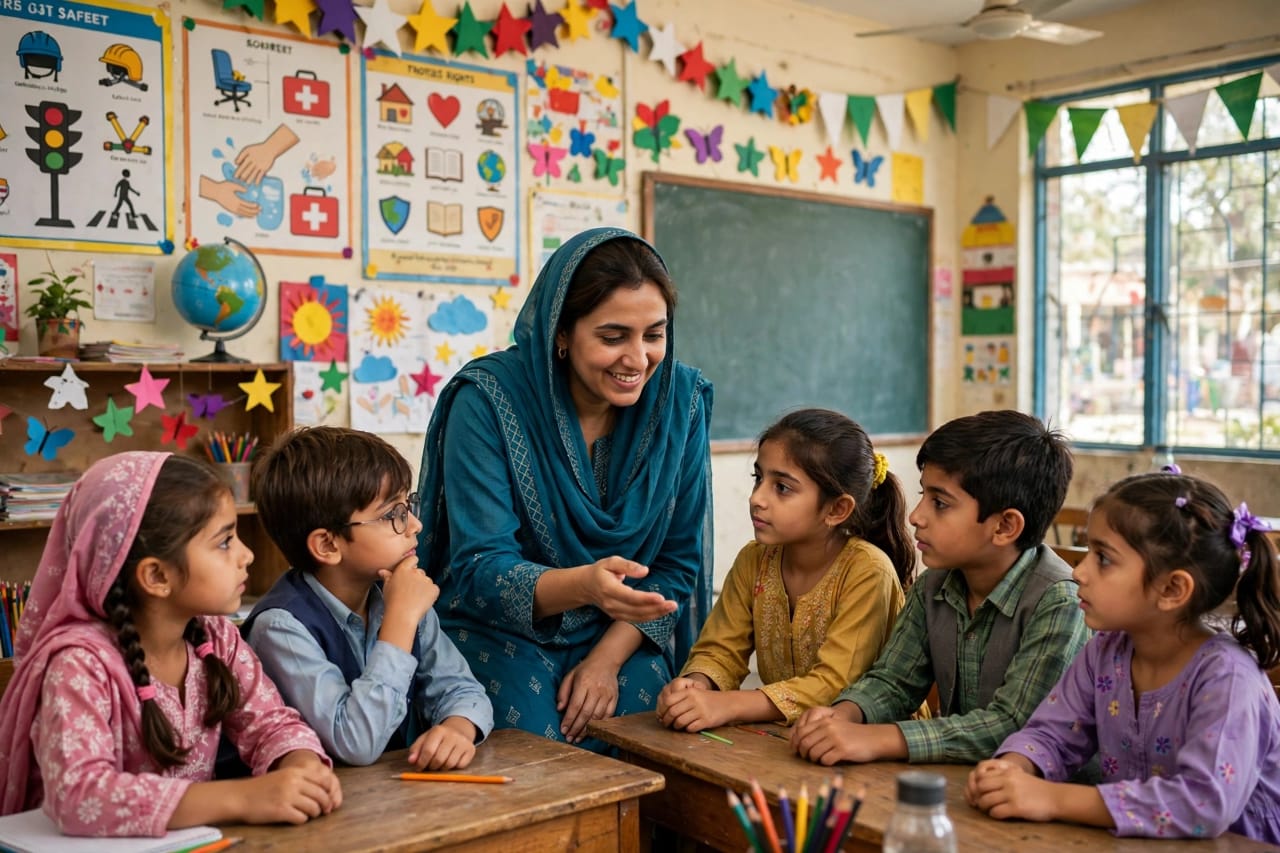
The responsibility of educational institutions should also go beyond academic learning and examinations. Schools should organise awareness sessions on children's rights, personal safety, harassment, and appropriate and inappropriate touch. Teachers should also receive training to recognise changes in children's behaviour and communicate with them in an appropriate manner. Every educational institution should have a safe reporting mechanism where children can share their complaints without fear and be taken seriously.
Statistics on crimes against children in Pakistan also highlight the seriousness of the issue. According to the report Cruel Numbers 2025, published by Sahil, an organisation working for child protection, a total of 3,630 cases of violence and abuse against children were reported through newspapers across the country in 2025. These included cases of sexual abuse, abduction, missing children and child marriage. The report also documented 2,003 cases of child sexual abuse.
These figures are based on cases collected from 81 newspapers and should therefore be viewed as reported incidents. Many cases go unreported due to fear, social stigma, family pressure and other reasons, meaning that the available figures do not present the complete picture of the problem.
Social attitudes also play an important role in preventing crimes against children. In some families, children are discouraged from expressing their views or disagreeing with adults. However, it is more important to encourage them to understand their rights and speak up against inappropriate behaviour. In some cases, the affected children or their families themselves face questions and criticism, making it even more difficult for children to seek help.
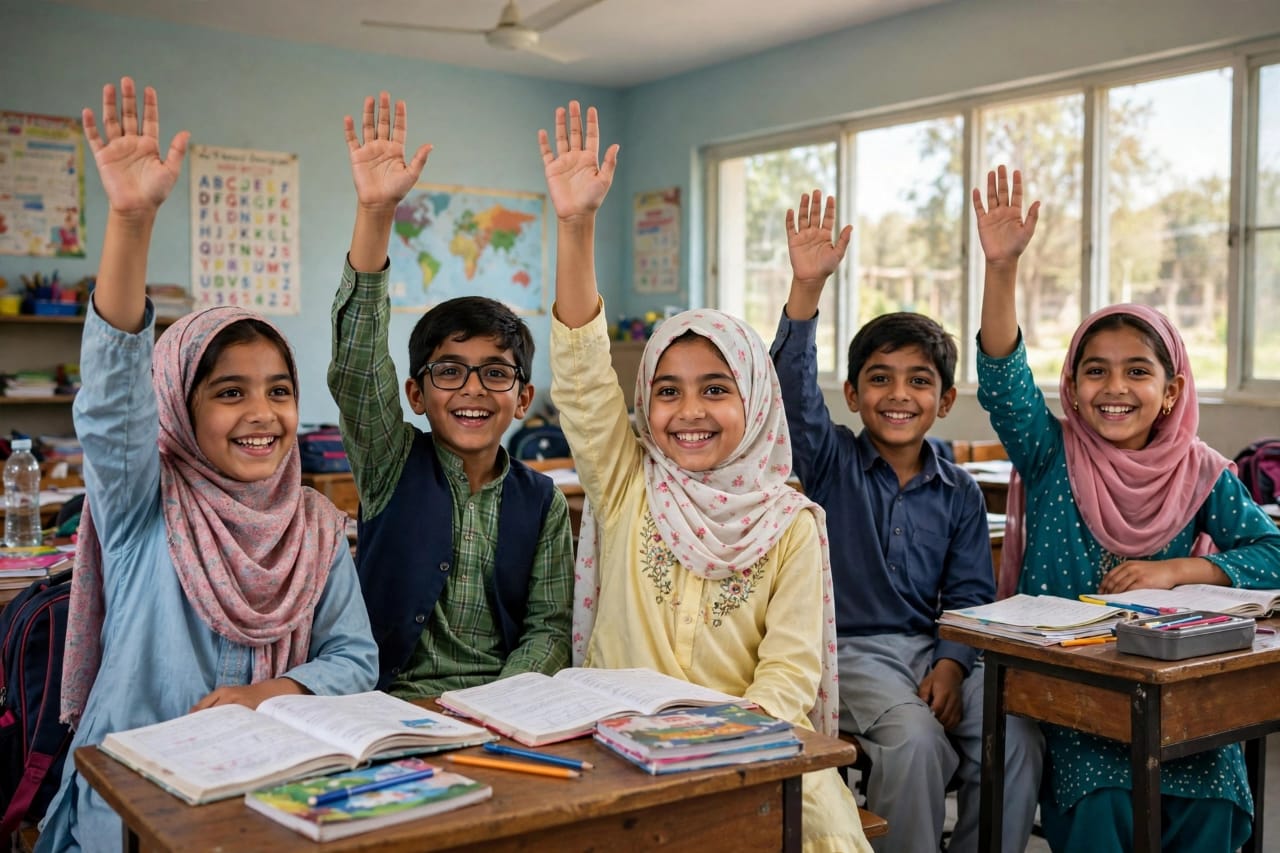
The online world is also creating new risks for children. Through social media platforms, online games and interactions with strangers, children may face harassment, blackmail and exploitation. Instead of simply keeping children away from mobile phones, parents need to educate them about safe internet use, avoiding the sharing of personal information and reporting suspicious online interactions.
On the occasion of World Children's Day, various educational institutions and organisations arrange events, speech competitions and awareness campaigns. However, these activities must be translated into practical measures to protect children's rights. The government should ensure effective implementation of child protection laws, prompt investigations into complaints and access to legal, medical and psychological support for affected children.
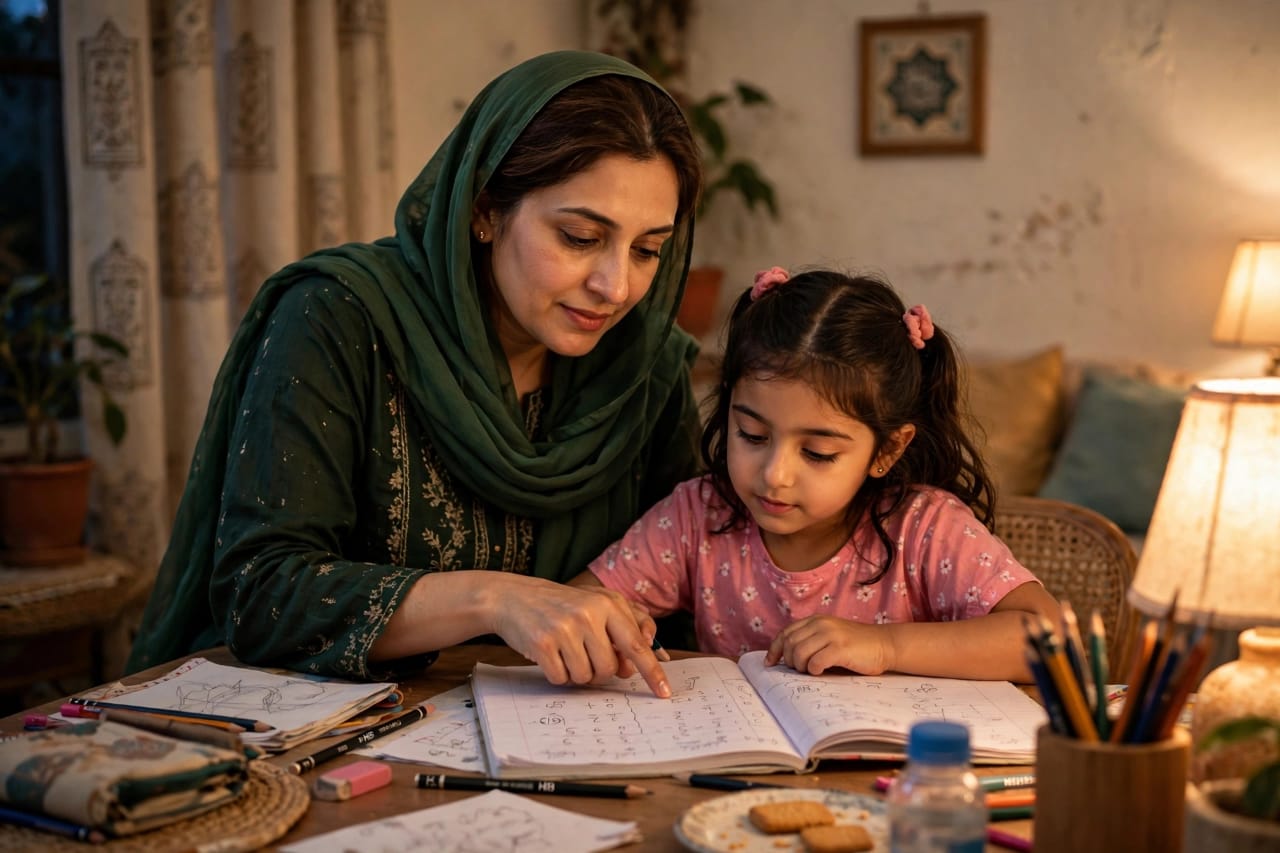
Parents, teachers, the government and all members of society must play their part in protecting children and ensuring that they have access to education, healthcare, a safe environment and opportunities to express themselves. Keeping children safe does not mean placing restrictions on them at all times. Rather, it means teaching them to recognise appropriate and inappropriate behaviour, respect their personal boundaries and have the confidence to seek help during difficult situations.
If we observe November 20 as a day dedicated to children's rights every year, protecting those rights must remain our responsibility for the other 364 days as well. Every child has the right to education, to grow up in a safe environment, to express their views and to live without fear. Protecting these rights is a shared responsibility of the entire society.


Comments
No comments yet. Be the first 🙂