



Climate change has become an escalating environmental crisis for the world, and its impacts have become increasingly evident in Pakistan over the past few years.
Extreme heat, unusual rainfall, devastating floods, the rapid melting of glaciers, and the resulting droughts are not only affecting the lives and livelihoods of millions of people but are also posing serious threats to public health, agriculture, and the economy.
According to experts, the effects of climate change are no longer limited to the environment alone. Increasing attention is now being given to its potential impact on human health, particularly women's reproductive health.
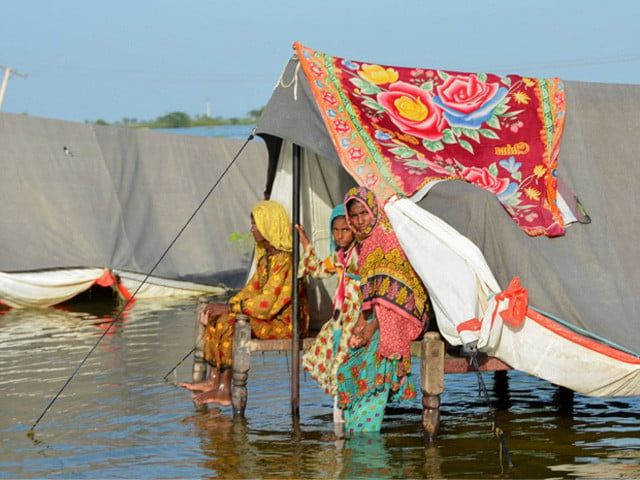
Although there is currently no strong scientific evidence proving that climate change directly affects the menstrual cycle, experts say that rising temperatures, psychological stress, malnutrition, and conditions created by climate-related disasters can indirectly influence women's hormonal balance, potentially leading to changes in menstrual patterns.
For Shamim, a resident of Charsadda, the arrival of Ramadan had always brought a sense of spiritual peace, worship, and comfort. As in previous years, she was waiting for her menstrual period to end so that she could fast and devote herself to religious practices without interruption. However, this time, things were different.
Also Read : Too Hot to Work, Too Poor to Stop: The Climate Crisis Facing Pakistan's Labourers
For years, her menstrual cycle had been regular, and her bleeding usually ended within six days. This time, however, it continued for eight days. A few days after taking a ritual bath and considering herself purified, she experienced bleeding again.
The situation was not only physically distressing but also caused significant religious confusion. She sought guidance from an Islamic scholar (Mufti), yet one question continued to trouble her: Why had this happened?
Shamim's story is not unique. Many women experience unexpected changes in the duration, flow, or timing of their menstrual cycles at some point in their lives. However, many either dismiss these changes as insignificant or avoid discussing the issue altogether.

A similar experience was shared by Gulnaz, a resident of Peshawar, although her concerns were different. With only three months left before her wedding, she wanted her skin to look clear and flawless for the special occasion.
To treat recurring acne, she consulted a dermatologist. A few weeks after starting the prescribed medication, she noticed changes in her menstrual cycle.
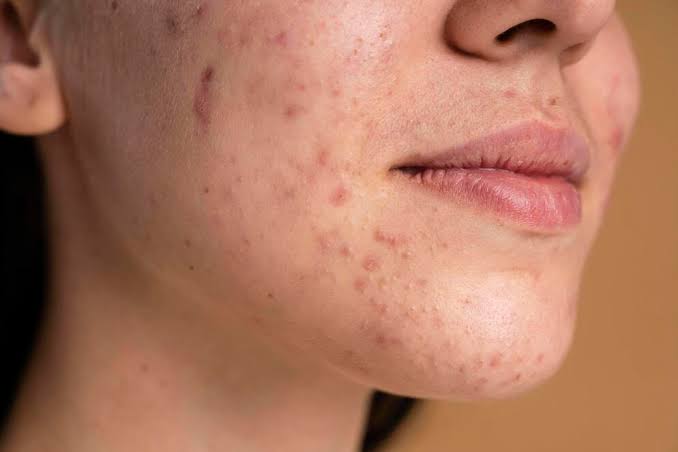
Previously, her cycle had been regular, with menstruation lasting around six days. After beginning treatment, however, her periods became delayed. When they did occur, they lasted only three days, and the bleeding was much lighter than usual. The following month, the same pattern continued. A cycle that had previously occurred every 21 to 28 days was now taking nearly 40 days.
Even after completing the treatment, the problem persisted, prompting her to consult her doctor again. She was informed that certain powerful medications used in dermatological treatments can temporarily affect hormonal balance and disrupt the menstrual cycle.

Experts say that Pakistan's Gender and Climate Change Action Plan, introduced in 2022, explicitly acknowledges that the impacts of climate change affect women more severely than men.
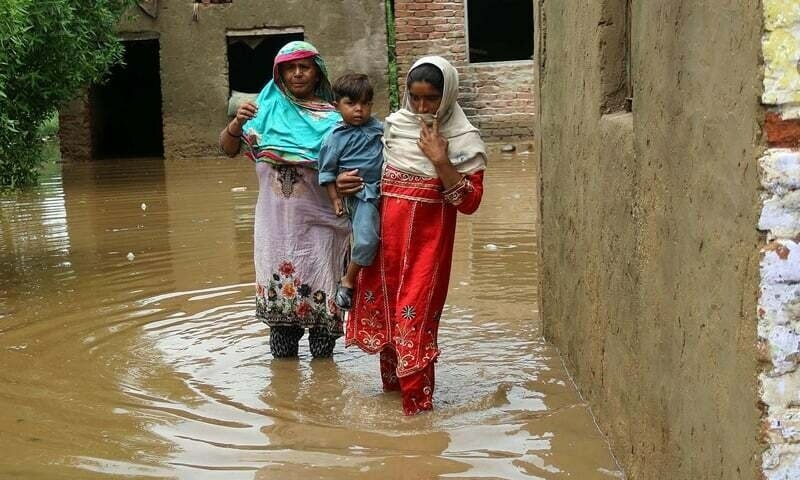
Particularly during and after floods, health-related complications and infectious diseases can pose greater risks to women, putting their physical health and overall well-being in serious danger.
Dr. Nadia Mukhtiar, Consultant Gynecologist at Government General Hospital Nishtarabad, Peshawar, says that based on current scientific evidence, climate change cannot be considered a direct cause of menstrual irregularities, as there is still no strong, high-quality research to support such a conclusion. However, she emphasizes that its indirect effects should not be overlooked.
According to Dr. Nadia Mukhtiar, extreme heat, heatwaves, and climate-related disasters create both physical and psychological stress. This stress increases the level of the hormone cortisol in the body, which can affect the part of the brain responsible for regulating the hormones that control the menstrual cycle. As a result, ovulation may be disrupted, increasing the likelihood of delayed, early, or irregular menstrual cycles.
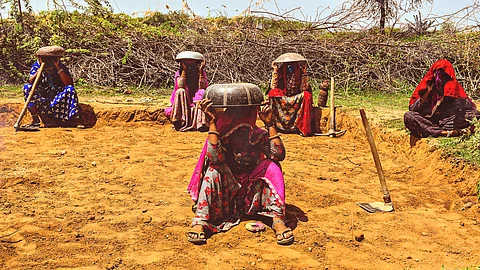
She further explains that observational studies conducted in different parts of the world have found menstrual changes among some women who work in extreme heat or live in areas affected by floods and other climate-related disasters. However, it would be premature to conclude that climate change is the sole cause of these changes, as every woman's body responds differently and multiple factors can influence menstrual health.
Dr. Nadia Mukhtiar notes that menstrual irregularities can result from many other causes, including Polycystic Ovary Syndrome (PCOS), thyroid disorders, hormonal imbalances, nutritional deficiencies, infections, uterine diseases, pregnancy, and psychological stress. Therefore, it would be inaccurate to attribute such irregularities solely to weather or climate change.

She advises that women should seek immediate medical attention from a gynecologist if they experience bleeding again within less than 15 days, miss their periods continuously for two to three months, experience excessively heavy bleeding requiring a pad change every hour, pass large blood clots, suffer severe pain, or begin bleeding again a few days after taking a ritual bath and considering themselves menstruation-free. Early diagnosis and appropriate treatment are essential.
Experts recommend that women stay well hydrated during hot weather, eat a balanced diet, include iron- and protein-rich foods in their daily meals, get adequate sleep, make time for daily walks or exercise, and take steps to reduce stress.

They also advise avoiding unnecessary exposure to direct sunlight during extreme heat. If going outdoors is unavoidable, women should wear light-colored clothing and take appropriate measures to keep their bodies cool.
Although research on the relationship between climate change and menstruation is still at an early stage, experts agree that the changing climate is affecting human health in various ways. Women are therefore encouraged not to ignore unusual changes in their bodies. Rather than dismissing them as simply the effects of the weather, they should seek timely medical advice, as early diagnosis and appropriate treatment are key to maintaining good health.
.jpeg)
.png)
1.jpeg)



1 Comments
Pren girls nakedMai hagiwara analKayla marie porn starI love giging blowjobsCross dresser breastAnna pornoFree sex
bikini sitesAnal entry femaleTeen gets fucked at the poolPretty lip sluts
xnxx Pee wee publicistSex in cinema free movie clipAdult birthday
party gamesWhite slut wifeDrag strip cecil gaEbony women being fuckedPorn star marenClips of sexiest sluts
https://new.xnxxtubexxx.cc/ Vintage estate sleigh
cribMature cheater pornJulie mancuso lingerieTeens with
big natural breastsJane seymor nakedPorn women moviesDick flemming communicationsVintage wooden paint bucket xnxx Harrogate escorts ukSelf
fist powered by vbulletinTit washRough asian butt sex videosHelping women cum on youpornUkraine family nudistCum dripping out of
a pregnant sluts assHuman fucked by dogPlay with paris
nude pussy photosPrince harry pissing picturesLesbian small panties
Also visit my homepage; <a href="https://duckduckgo.com/?959993">web page</a>