


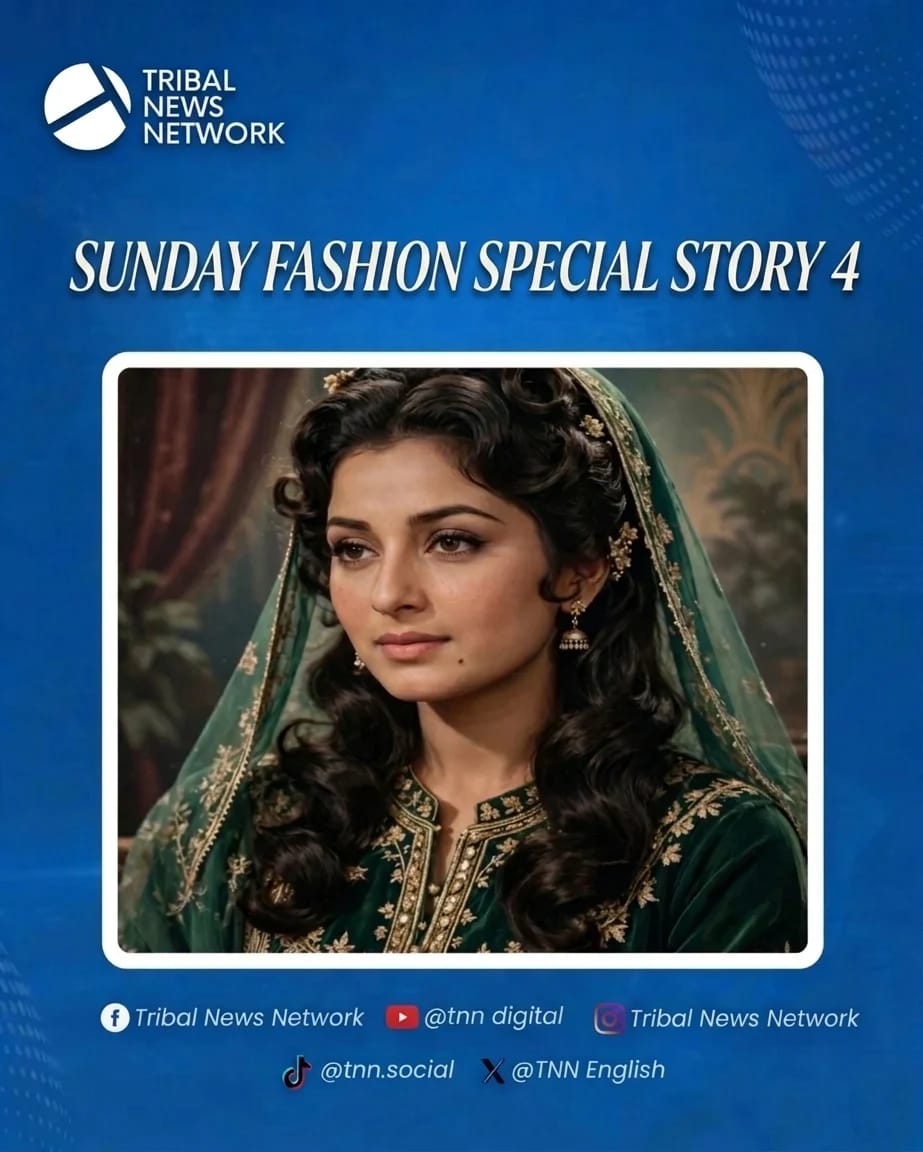
Fashion in Pakistan has evolved over the decades, reflecting changes in culture, society and lifestyles. While clothing was once largely influenced by regional traditions, local fabrics and weather conditions, modern designs and changing fashion trends have become part of everyday life alongside traditional attire.
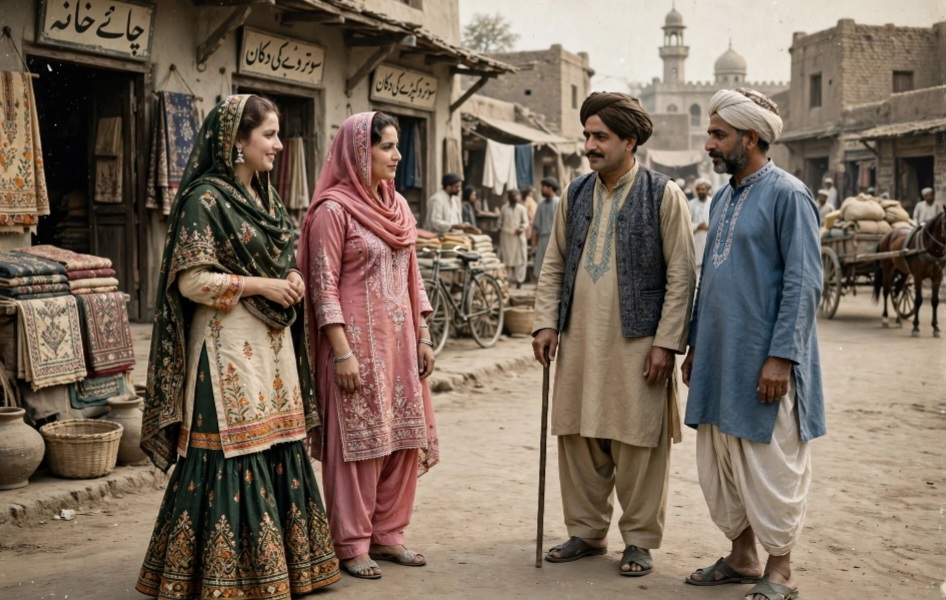
In the 1950s, women commonly wore shalwar kameez, ghararas, chadors and dupattas, while men mostly wore shalwar kameez, kurtas, pyjamas, dhotis and lungis. Clothing styles varied across Punjab, Sindh, Balochistan and Khyber Pakhtunkhwa, with each region maintaining its own traditional designs, embroidery and headwear. Differences were also visible between urban and rural communities.
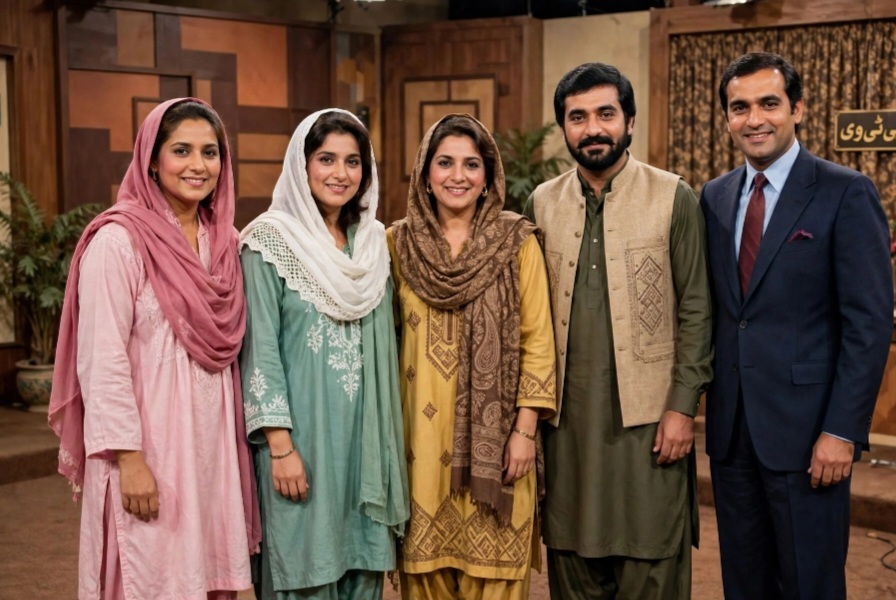
During the 1960s, new fashion trends began emerging in urban areas. Sarees, chiffon, silk and different styles of shirts gained popularity among women, while trousers, shirts and formal clothing became increasingly common among men. Films, magazines and urban lifestyles also influenced fashion choices.
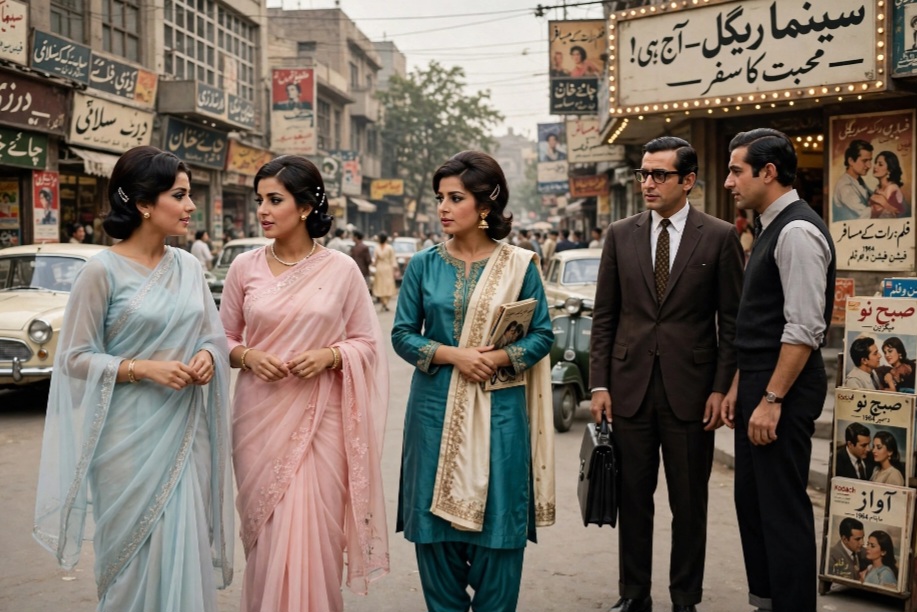
The 1970s brought colourful changes to clothing styles. Bell-bottom trousers, printed fabrics, different shalwar designs and shorter shirts became popular among women. Men also adopted wide-collar shirts, bell-bottom trousers and colourful outfits, while shalwar kameez remained a widely worn traditional choice.
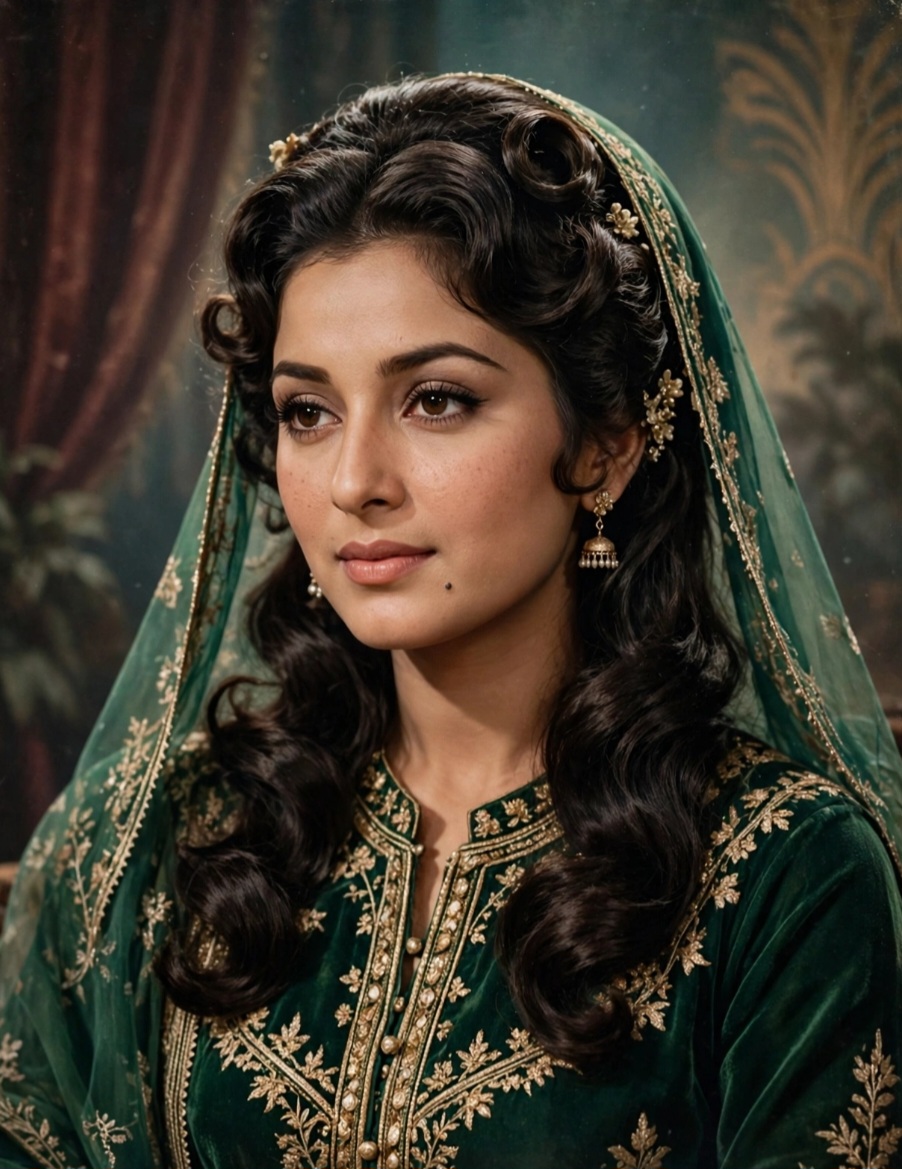
In the 1980s, loose-fitting shirts, dupattas and chadors remained prominent in women's fashion. Social and political changes also influenced how clothing was presented on television. Men continued wearing shalwar kameez and waistcoats, while suits remained popular for formal occasions.
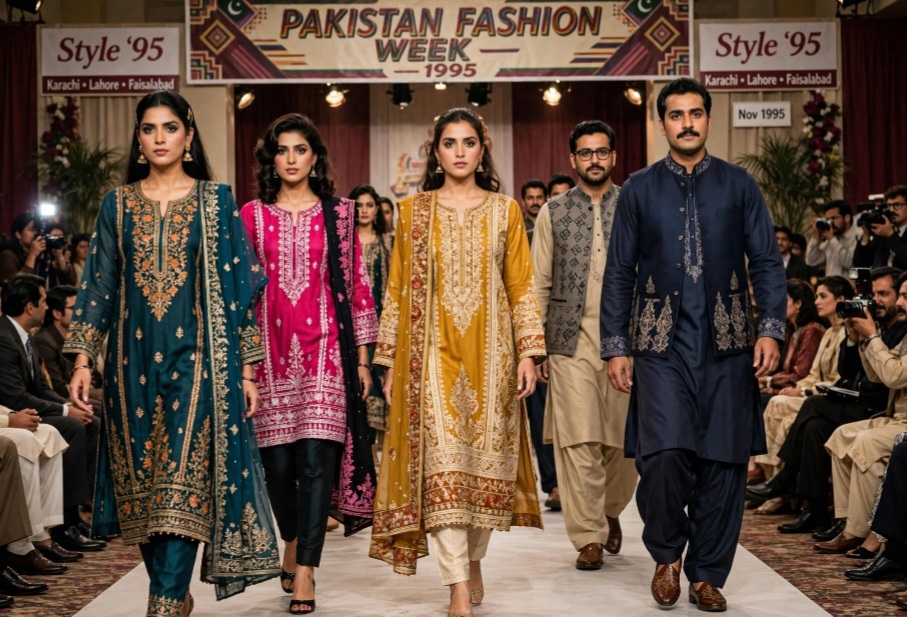
During the 1990s, Pakistan's fashion industry began gaining greater recognition, with designers introducing new clothing styles and designs. Women's fashion featured different cuts, long and short shirts, churidar pyjamas and embroidered outfits. Men's clothing also saw new designs in shalwar kameez, waistcoats and formal wear.
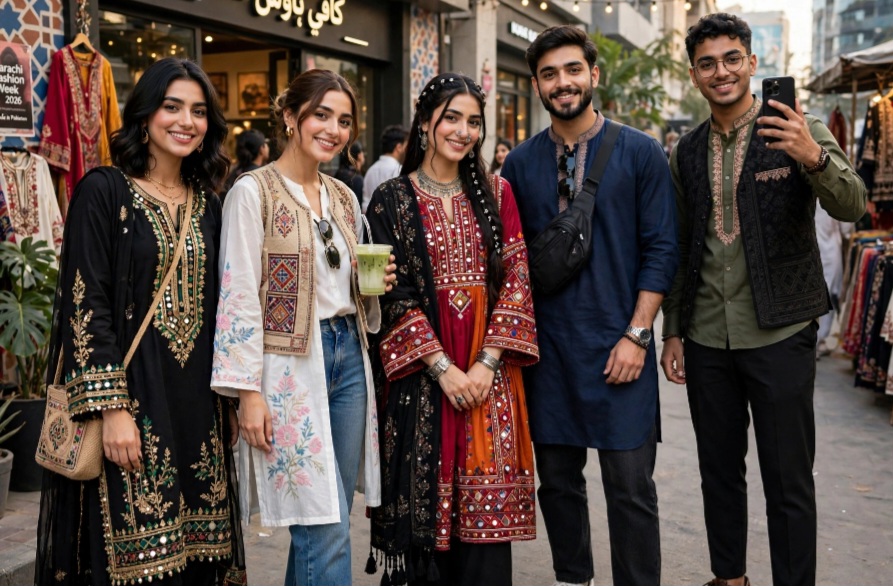
After 2000, ready-made clothing, fashion brands, fashion shows and online shopping expanded choices for consumers. Lawn collections, contemporary shirts, trousers, abayas and formal outfits became widely available for women, while men increasingly explored different styles of kurtas, shalwar kameez, trousers, shirts and waistcoats.
Today, Pakistani fashion combines traditional clothing with modern trends. Men and women choose outfits according to personal preferences, occasions, weather and everyday needs. Despite changing trends, regional attire, traditional embroidery and locally made garments remain important parts of Pakistan's cultural identity. Social media and fashion designers also play an influential role in introducing new styles.
Comments
No comments yet. Be the first 🙂