


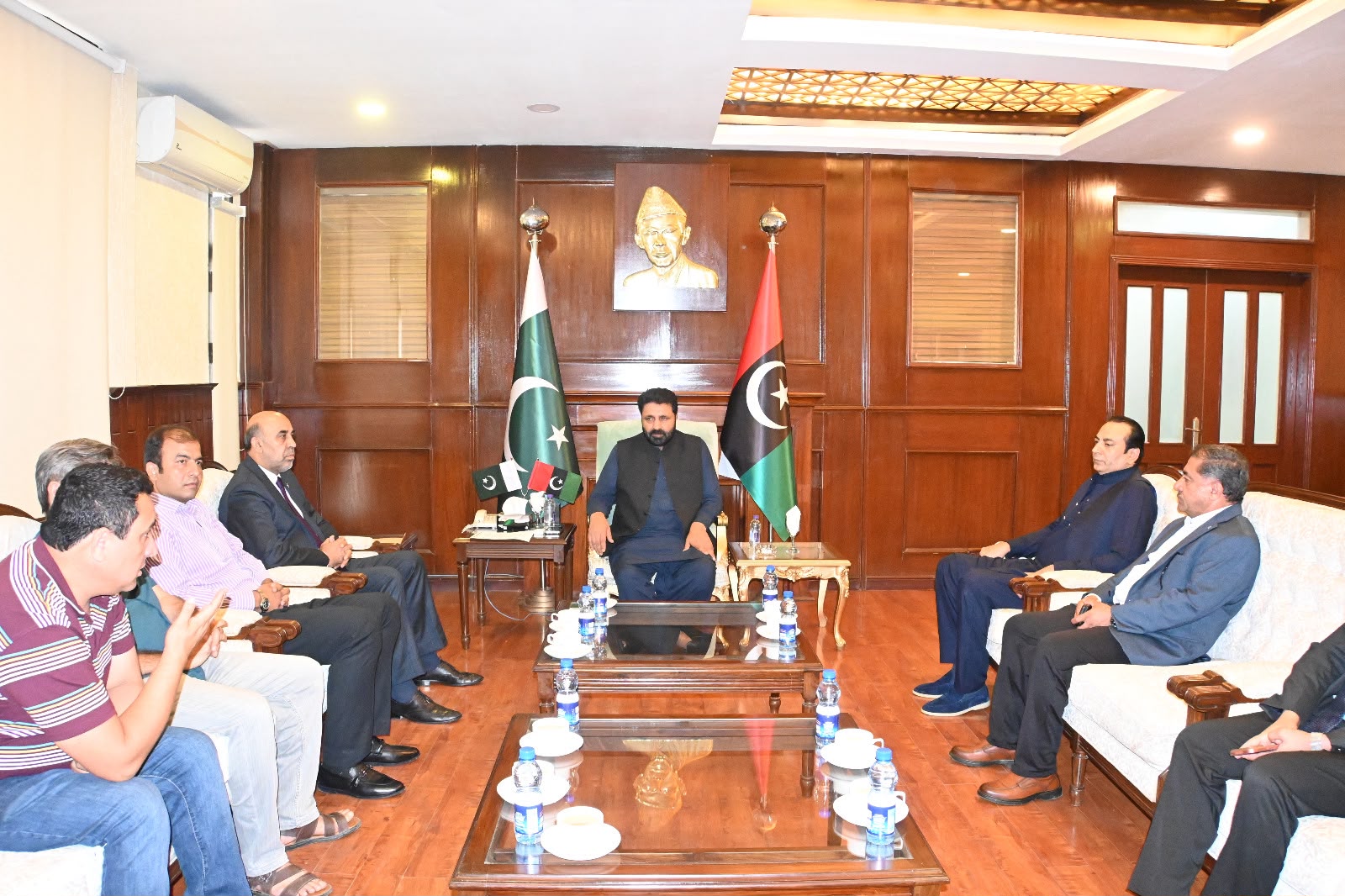
A high-level delegation from the Pakistan Chambers of Commerce and Industry (PCCI) and the Pakistan Association of Tour Operators (PATO) met with the Chief Minister of Gilgit-Baltistan to discuss measures aimed at promoting tourism in the region, the impact of the current regional situation on the tourism sector, and ways to facilitate the entry of Chinese tourists through the Khunjerab border.
The delegation included PCCI President Atif Ikram Sheikh and Vice President Muhammad Raziq, while PATO was represented by Nazimullah Baig, Sadruddin, Sajid Mahmood, and Muhammad Umar.
During the meeting, both sides discussed improving tourist access through the Khunjerab Pass, simplifying visa and travel procedures for Chinese nationals, and the proposed establishment of the Khunjerab Tourism Corridor.
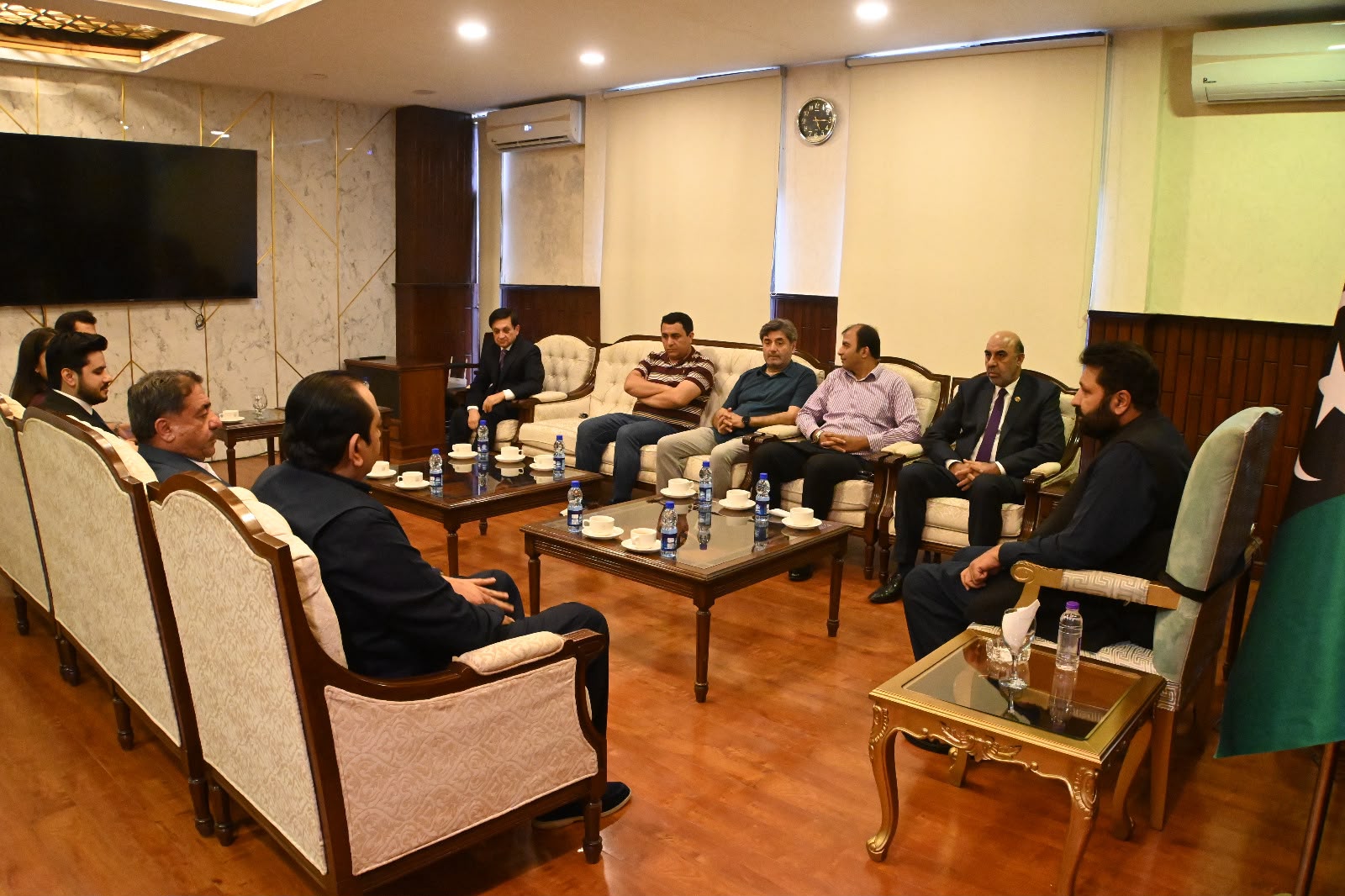
The delegation proposed introducing special arrangements to enable Chinese tourists to travel through the Khunjerab border to tourist destinations across Gilgit-Baltistan. Recommendations included establishing a Tourism Facilitation Centre at Sost, upgrading border infrastructure and services, and strengthening cooperation with Chinese tour operators.
Participants noted that enhanced tourism connectivity through Khunjerab could generate new economic opportunities for hotels, transport operators, restaurants, tour guides, and other small businesses in Gilgit-Baltistan. The initiative is also expected to create employment opportunities, boost the regional economy, and strengthen Pakistan's tourism industry.
Also Read : KP Assembly Passes Kalash Marriage Registration Bill 2026
The delegation further suggested launching the Khunjerab Tourism Corridor as a pilot project in Hunza and Nagar before expanding it to other tourist destinations across Gilgit-Baltistan based on its success.
The Chief Minister informed the delegation that he had already discussed the proposal with the Prime Minister and said the government was making progress on facilitating tourism links for Chinese visitors through the Khunjerab border.
Participants emphasized that if implemented with the active involvement of local communities, environmental safeguards, improved infrastructure, and transparent governance, the Khunjerab Tourism Corridor could become a key driver of sustainable tourism, employment generation, and cross-border people-to-people connectivity in Gilgit-Baltistan.

.jpg)



Comments
No comments yet. Be the first 🙂