


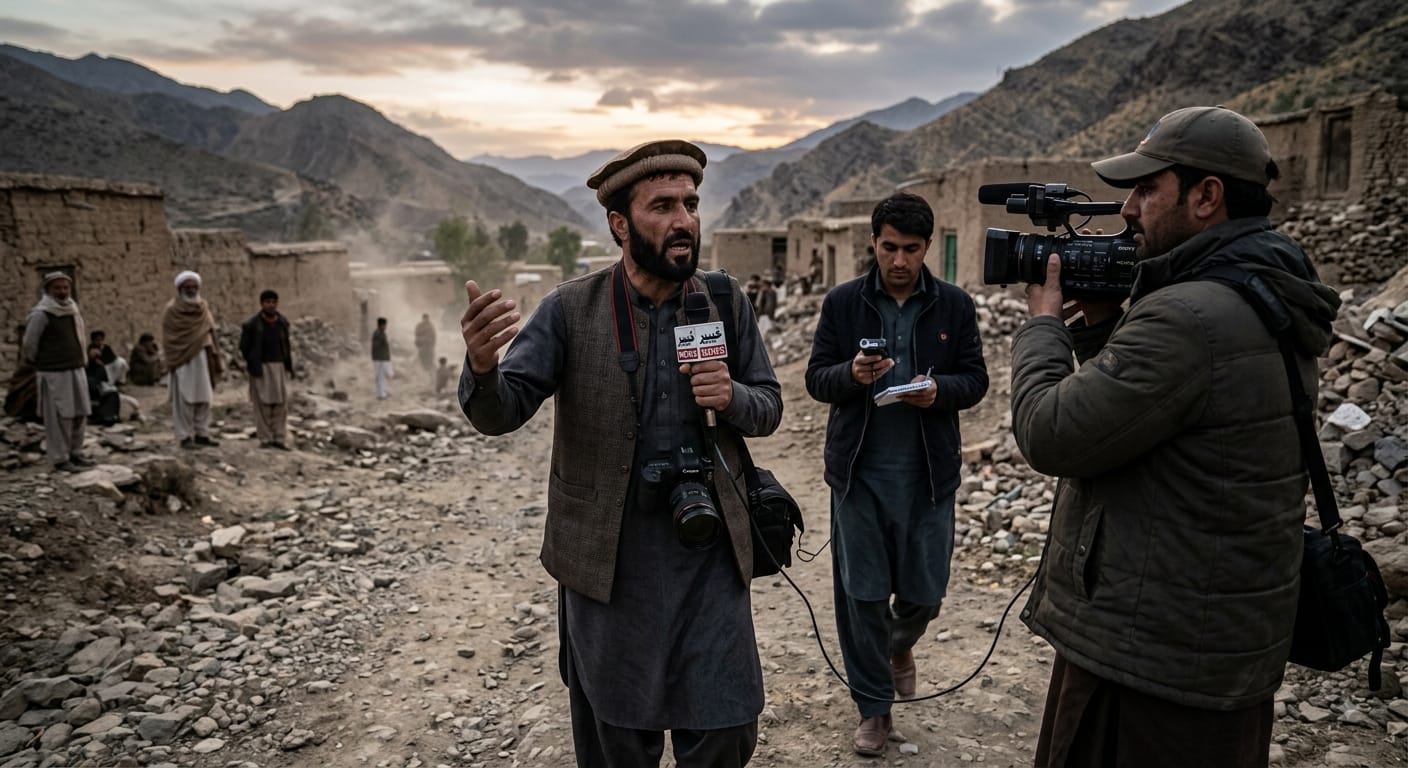
District Kurram journalist Naseem Shakir has been working for a national media organization for the past 15 years, yet he has never received a permanent salary. Despite covering news on a daily basis, attending press conferences, reporting amid security threats, and sometimes traveling for several hours, his income depends solely on the meager payments he receives for a few news stories.
This situation is not limited to one journalist. It reflects the shared reality of dozens of journalists in the merged tribal districts of Khyber Pakhtunkhwa, who continue to perform their professional duties despite severe financial insecurity.
Journalists in the merged tribal districts of Khyber Pakhtunkhwa (formerly FATA) have been performing their duties for more than a decade despite terrorism, unrest, internet shutdowns, limited access and financial difficulties. However, a large number of these journalists still lack permanent employment, regular salaries and basic professional facilities.
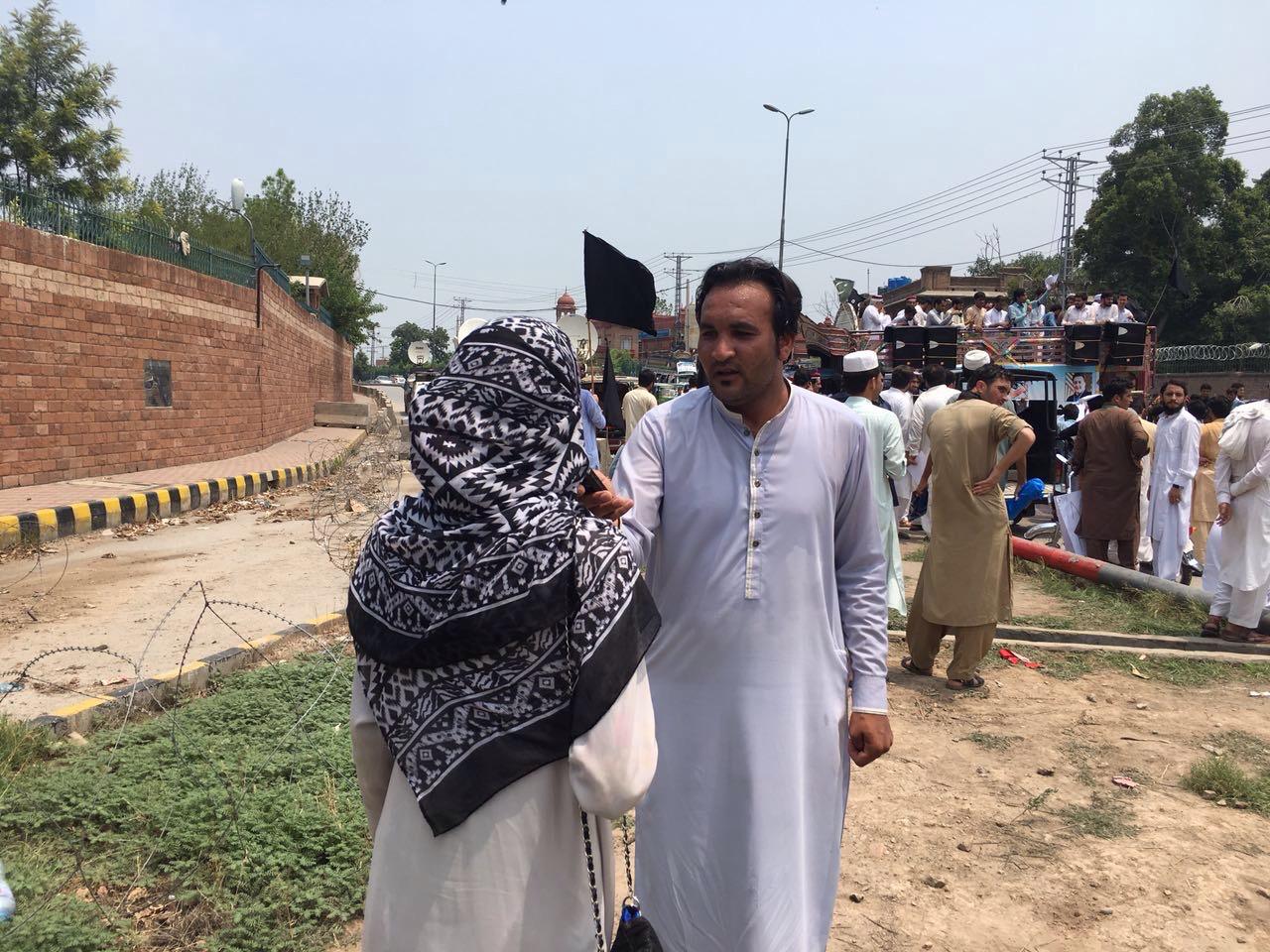
In most districts of the former FATA—including Khyber, Kurram, Bajaur, Mohmand, North Waziristan, South Waziristan and Orakzai—a large number of journalists remain deprived of permanent jobs and regular salaries.
Most media organizations hire local journalists as “stringers” or freelance representatives instead of permanent employees. They receive neither salaries according to the Wage Board nor medical facilities, insurance or job security. Some journalists continue working without any monthly salary simply to maintain their professional identity or because of their commitment to highlighting public issues.
Of the 20 journalists from the tribal districts who were asked about their salaries, only three said they receive a salary, while the remaining 17 said they work without salaries. Every journalist also faces terrorism-related, mental and financial challenges.
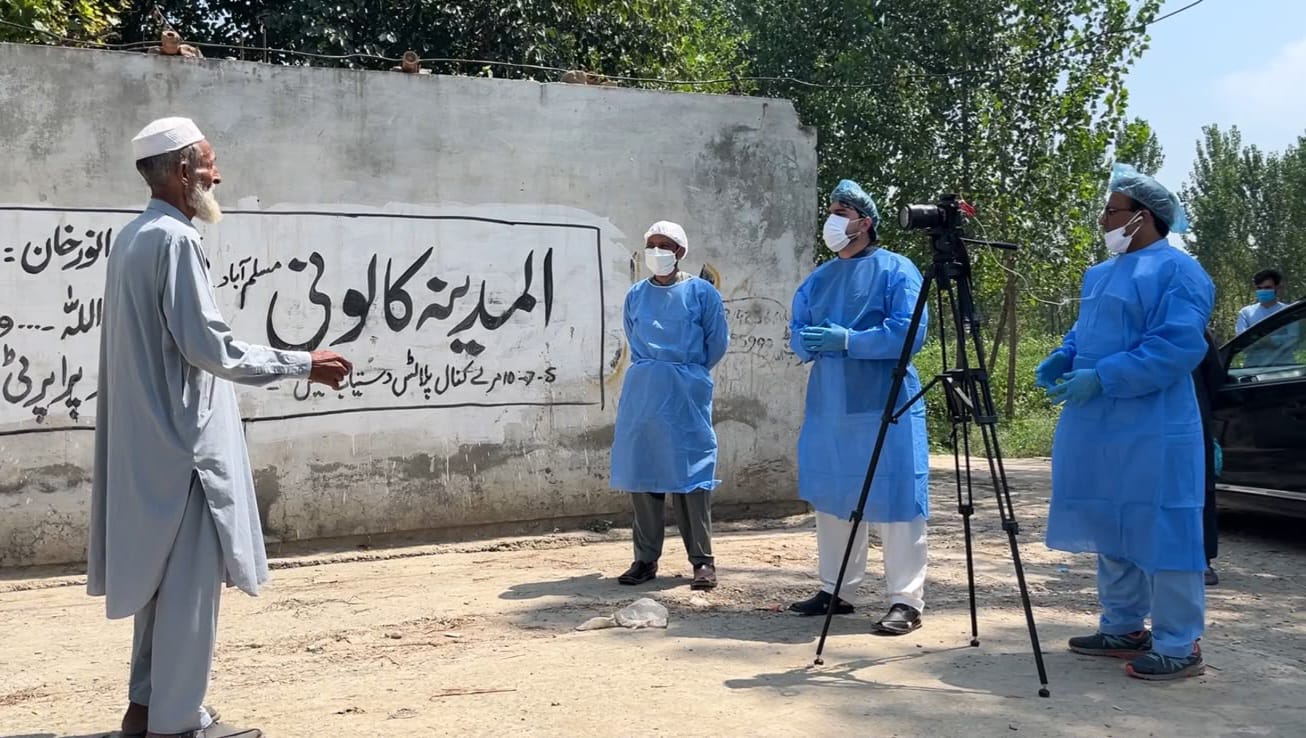
Naseem Shakir says he cannot leave journalism because of his passion for the profession. Seeing the problems faced by his area, he spends money from his own pocket but makes every possible effort to reach the location of a story. He says that, apart from not receiving a salary, he has not received any training from his organization so far, nor has he been provided with any other benefits.
According to a 2024 research report by media watchdog Freedom Network, economic insecurity is the biggest challenge faced by journalists in the merged tribal districts. The report surveyed journalists in the tribal districts on various issues and found that low payments and non-payment of salaries are making it increasingly difficult for them to perform their professional duties.

The report states that journalists have to bear travel expenses, internet costs, mobile phone expenses and other essential reporting costs from their own pockets, while most media organizations do not reimburse these expenses.
When a Journalist Has to Pay for Advertisements:
Muhammad Farooq Afridi, a representative of a national newspaper from Bara in Khyber district, has spent the past six years struggling every month to find advertisements for the newspaper while continuing to report without a salary.
Also Read : From Classroom Humiliation to Adult Insecurity: The Lasting Impact of a Teacher’s Words
Farooq Afridi says he works with the newspaper to highlight the problems of his area and maintain his membership of the press club, while he covers his household expenses by working at an electronics shop in Bara Bazaar.
He says that, for him and his fellow journalists, the main concern is not receiving a salary from the newspaper but finding advertisements every month. Sometimes, he even pays for an advertisement out of his own pocket for a friend so that he does not face any problems from the newspaper owner.
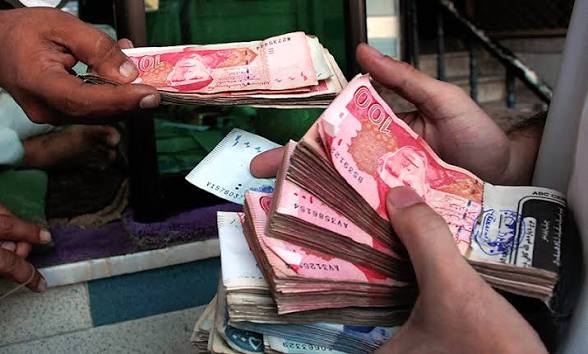
Journalists from other parts of the tribal districts share a similar complaint. They say they have stopped expecting salaries from newspapers; instead, when media owners demand advertisements, finding someone willing to provide an advertisement becomes the biggest challenge.
Qismat Wazir, a journalist from South Waziristan who has worked for a national newspaper and television channel for the past eight years, says he has never received a salary from any organization. Occasionally, he receives some payment from an international organization for providing a photograph, video or major news story. He says that seeing the problems of his area makes him reluctant to give up journalism.
Reporting for International Organizations:
Islam Gul Afridi, a journalist from Khyber district who does investigative reporting for the BBC and the Australian Broadcasting Service, says journalists in the tribal districts report from some of the most sensitive areas of the country, yet they receive far less compensation than journalists working in other cities of Pakistan.
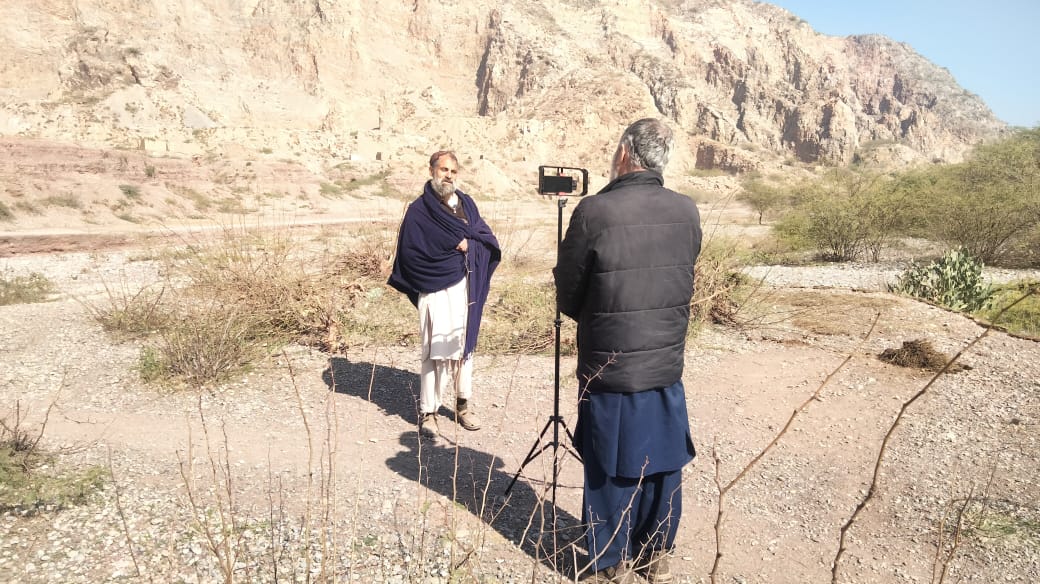
As a result, many journalists are forced to take up additional jobs, run businesses or work temporarily on government and non-government projects to support their families.
Public-Service Journalism or Advertising-Driven Journalism?
Khyber Union of Journalists President Kashifuddin says that when journalists are economically insecure, independent and impartial journalism is also affected. Low salaries and financial difficulties not only undermine professional standards but also make journalists more vulnerable to political, commercial and social pressures.
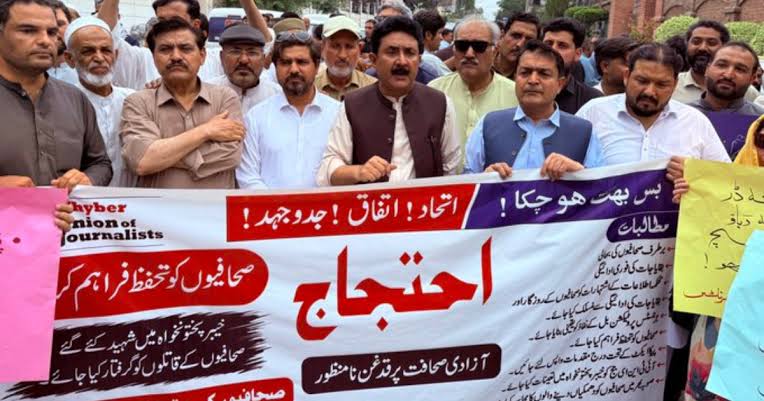
Yousaf Khan, a journalist from Kurram, said he has been working as a reporter for a national newspaper from Kurram for the past seven years but has not received even a single rupee from the organization. At the same time, the organization demands monthly advertisements from him.
Yousaf Khan says he also teaches at a private school alongside journalism, which barely allows him to meet his household expenses.
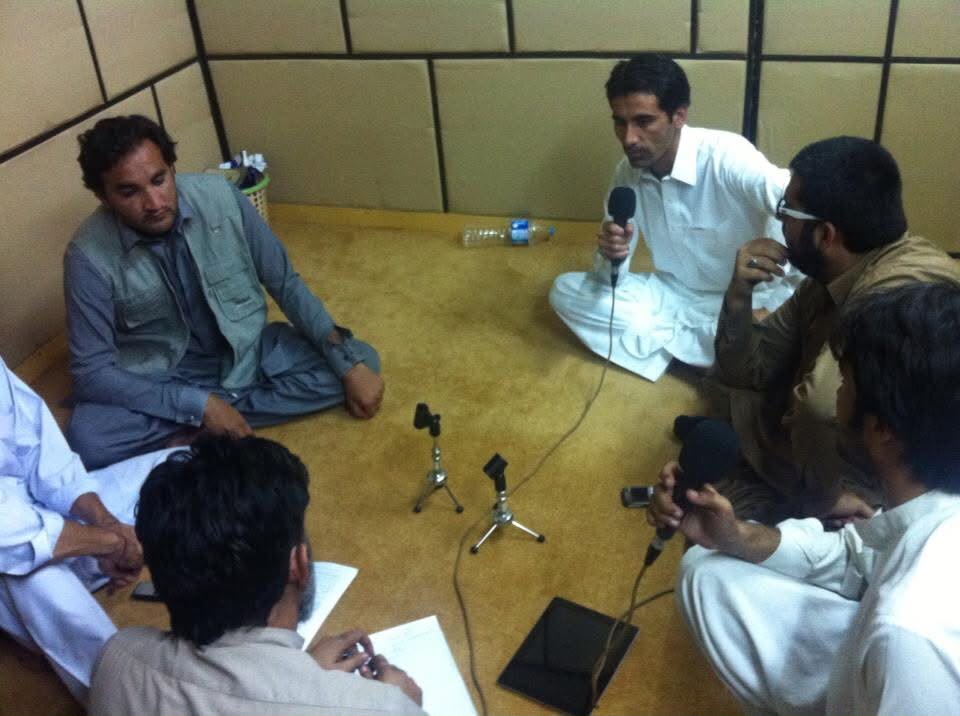
Shah Khalid, who reports for various media organizations from Bajaur district, says he has opened an English-learning academy to support his family. He says people who work as journalists in the tribal districts generally have another source of income, while many live in joint families where someone else covers household expenses.
What Is the Situation Outside the Tribal Districts?
The financial difficulties faced by journalists are not limited to the tribal districts. In May 2026, journalists and media workers across Khyber Pakhtunkhwa protested on the call of the Khyber Union of Journalists against non-payment of salaries, forced layoffs and failure to implement labour laws.
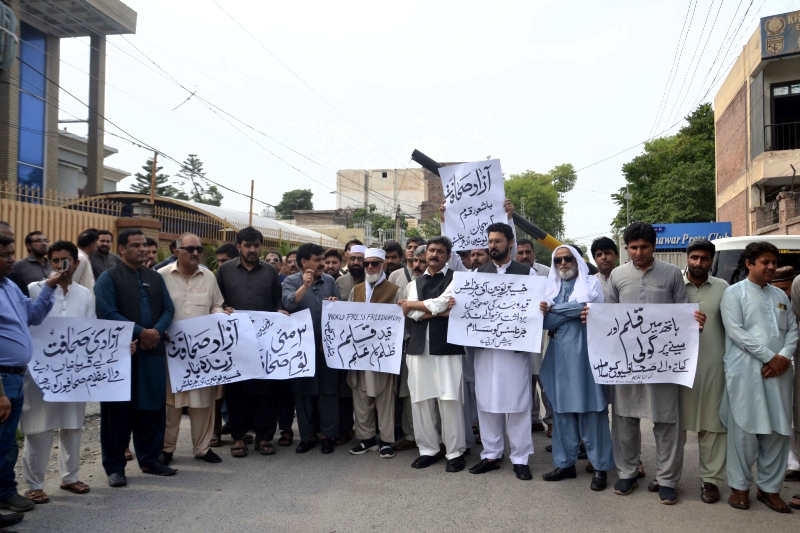
The protesters said that several media organizations had not been paying salaries for several months.
Court Issues Strict Orders to Newspaper Owners:
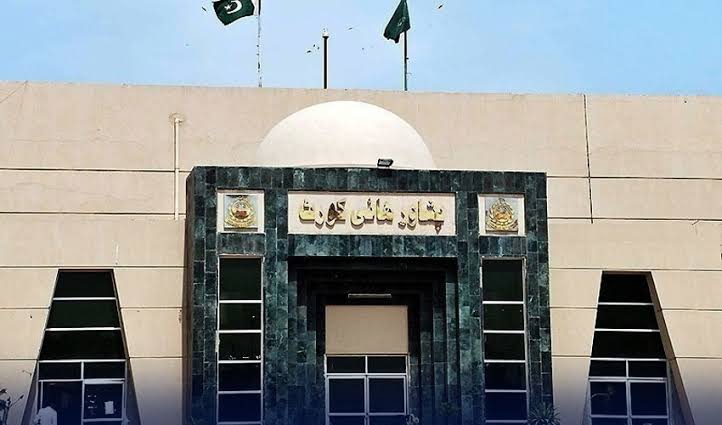
In 2026, the Peshawar High Court heard a petition filed by newspaper owners in Khyber Pakhtunkhwa seeking the recovery of around Rs400 million in outstanding payments from the Khyber Pakhtunkhwa Information Department.
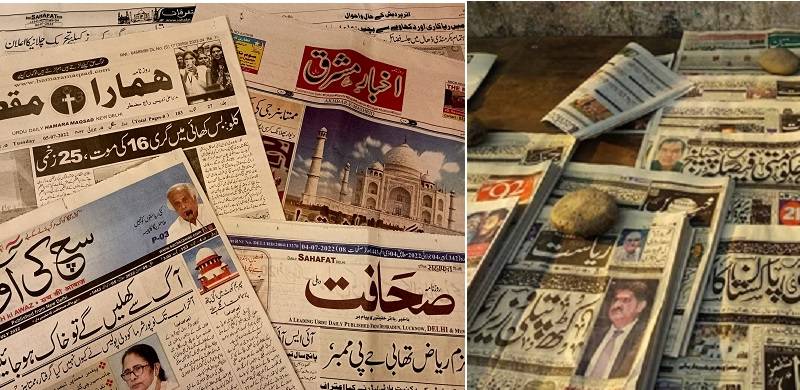
The petitioners’ lawyer told the court that newspaper owners had outstanding advertisement payments from the Information Department, and that the department was not clearing these dues, creating financial difficulties for newspaper owners.
Advocate General Shah Faisal Usman Khail, representing the Information Department, told the court that 17 complaints had been received regarding journalists whose newspapers had outstanding payments.
“We have received a report that newspaper owners are paying journalists and employees less than the minimum wage,” the advocate general said. According to him, newspapers owed Rs15 million in outstanding salaries to journalists, while some newspaper owners were paying journalists salaries of Rs5,000, Rs8,000 and Rs10,000.
Justice Muhammad Ijaz Khan remarked that one newspaper was paying a salary of Rs5,000, while there was another application stating that five months’ salaries amounting to Rs75,000 had not been paid.
Justice Muhammad Ijaz Khan said the court could not turn a blind eye to the issue. He noted that the government had fixed the minimum wage at Rs45,000, which newspaper owners were required to pay.
Under the law, he said, every employee working in an organization must be paid Rs45,000. “Newspaper owners themselves are earning millions, while journalists are being paid Rs8,000 or Rs10,000. What can anyone do with Rs5,000 or Rs10,000 in this inflation?” the judge remarked.
The court ordered newspaper owners to clear all outstanding salaries within one month and submit a report on the matter before the next hearing. The court warned that failure to submit the report would result in action against them.
Peshawar High Court Bar Association General Secretary Advocate Ashfaq Dawoodzai said that Labour Courts exist to deal with cases concerning workers’ rights and other labour-related issues.
According to him, if a person does not receive the salary fixed by the government, they can file a case in court. Those who fail to pay the full salary can face heavy fines or significant punishment, depending on the case.
What Do Press Clubs Do?
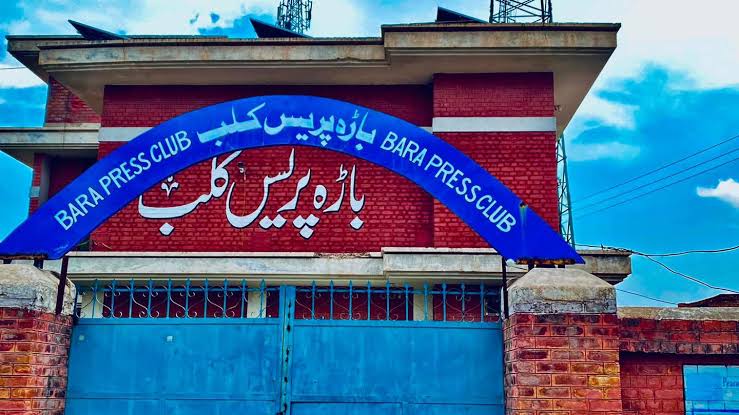
There are currently 14 press clubs in the merged tribal districts. These include one press club in Bajaur—the District Press Club Khar; one in Mohmand—the District Press Club Ghalanai; three in Khyber—the District Press Club Landi Kotal, Jamrud Press Club and Bara Press Club; two in Kurram—the District Press Club Parachinar and Sadda Press Club; and one in Orakzai—the District Press Club Orakzai.
North Waziristan has two press clubs—the District Press Club Miranshah and Mir Ali Press Club, which has now completely ceased to operate.
Similarly, Lower South Waziristan has one press club, the District Press Club Wana, while Upper South Waziristan has two—the District Press Club Upper South Waziristan and Mehsud Press Club.
A total of 413 registered journalists are working across these press clubs.
According to information obtained from the Tribal Union of Journalists, all but around 100 journalists are reporting without salaries.
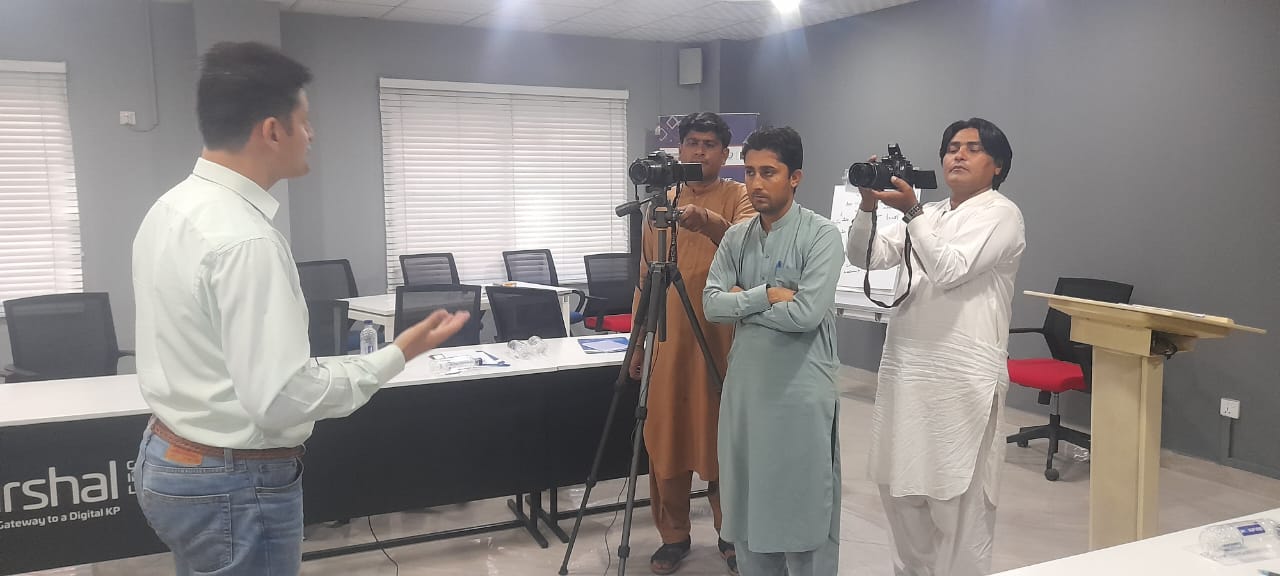
Tribal Union of Journalists Finance Secretary Dildar Hussain said economic insecurity is the biggest problem facing journalism in the merged districts. Since most national media organizations do not have permanent offices there, local reporters are hired as “stringers” or on a freelance basis.
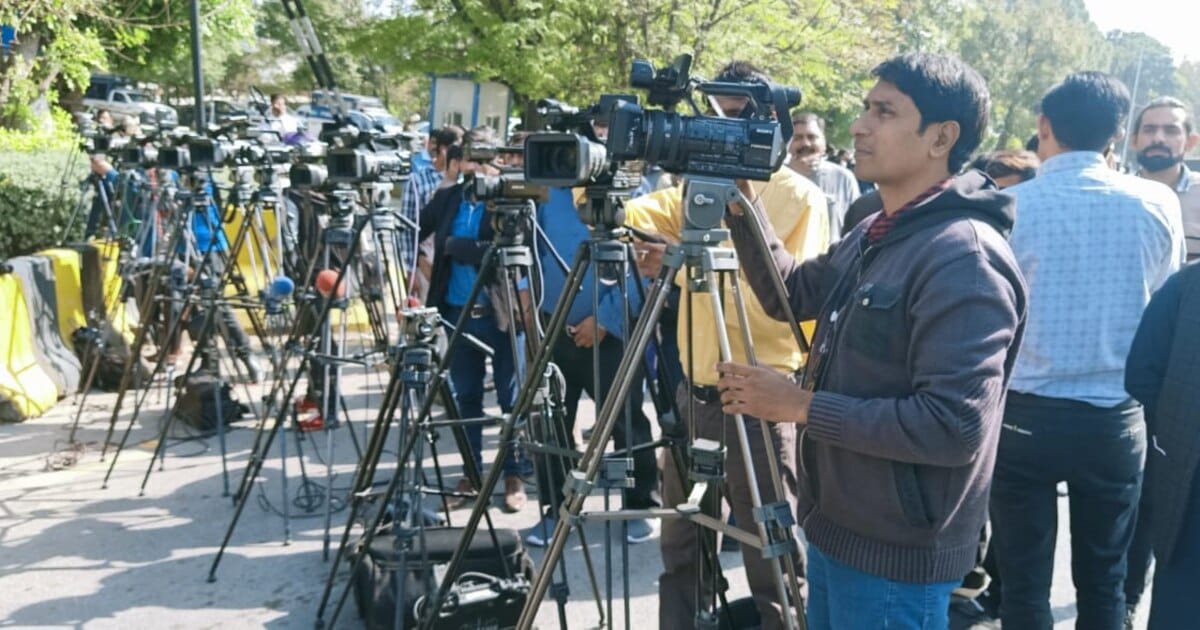
Most journalists receive payment per story or very limited compensation instead of regular salaries, while many continue working without pay for the sake of public service or to maintain their professional identity.
What Is the Government Doing?
According to information obtained from the Khyber Pakhtunkhwa Information Department, press clubs in all districts of the province receive an annual grant for the welfare of journalists.
Other facilities include a marriage grant of up to Rs200,000 for the marriage of a journalist or their children, a Rs1 million martyr package in case of death while performing professional duties, and medical financial assistance of up to Rs100,000, along with other welfare measures.
In addition, the Khyber Pakhtunkhwa government is implementing various projects for the professional and social welfare of journalists. It says it is working to address their problems and provide all possible support when needed. These initiatives aim to promote the welfare and safety of the journalist community and recognize their services.

The Finance Secretary of the Tribal Union of Journalists, who belongs to Kurram district, said that one press club in the district receives government funding once a year. However, there is more than one press club in each tribal district, meaning journalists associated with the other press clubs remain deprived of this grant.
Senior journalist Sajid Kuki Khel from Khyber district said the government provides a grant one year and then disappears for the next two or three years.
Sajid said that, like other press clubs in the tribal districts, his press club receives money generated through press conferences and occasional funds from political leaders or government institutions. This money is distributed equally among journalists, while the expenses of the press club are covered through the district administration and political figures.
Press Conference Fees Distributed Among Journalists:
The Finance Secretary of the Tribal Union of Journalists said that the expenses of press clubs are covered by the district administration, while money received for press conferences is distributed among members.
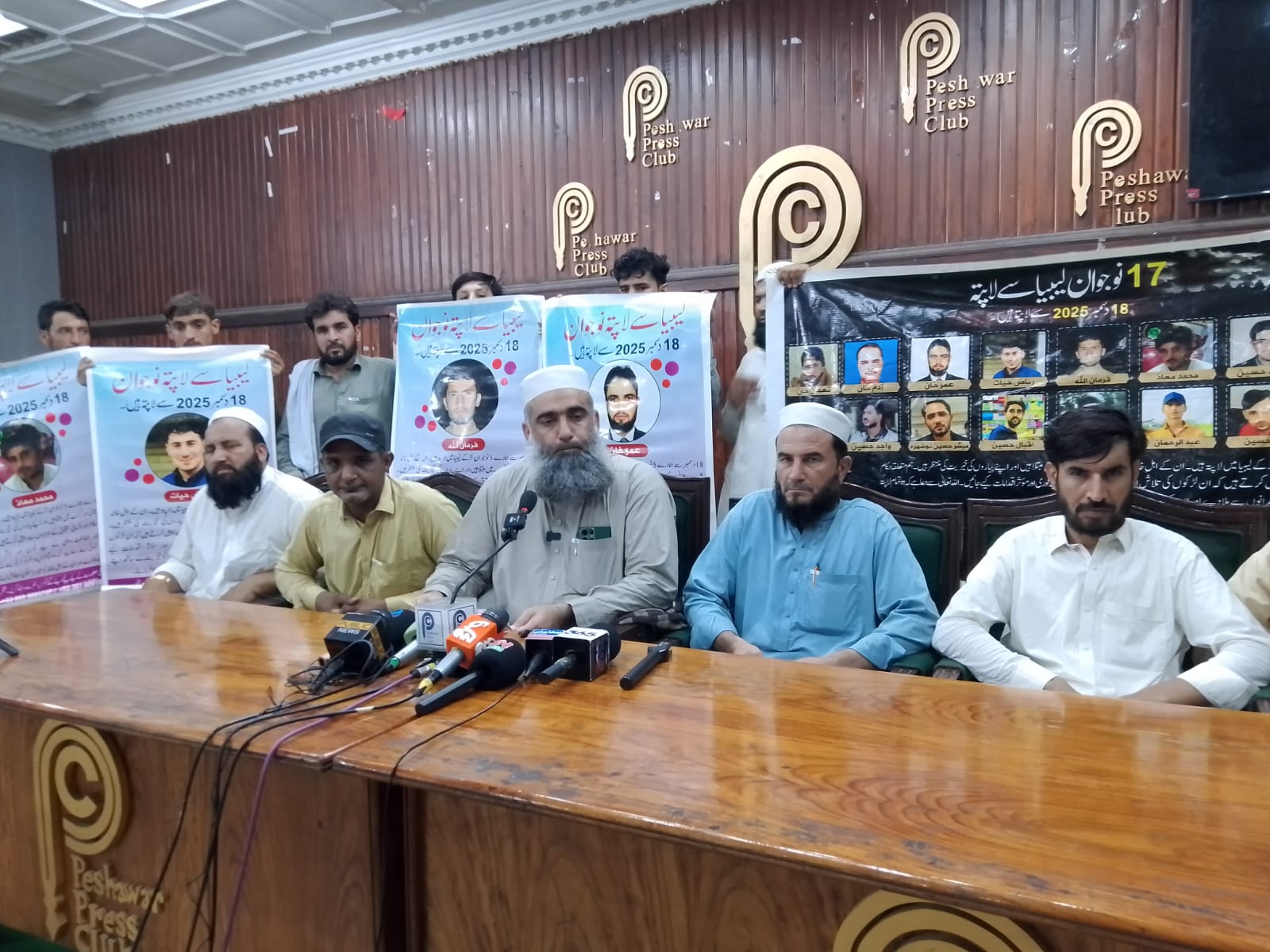
Dildar Hussain said the fee for a press conference ranges from Rs3,000 to Rs8,000. Jamrud Press Club holds the highest number of press conferences, with around 20 to 30 held each month. In some press clubs, however, not even a single press conference is held throughout the entire month. These include press clubs in Kurram, North Waziristan and South Waziristan.
Journalist organizations are demanding that the government, media owners and development organizations introduce special support programs for journalists in the merged districts, ensure implementation of the Wage Board Award, and provide insurance, legal assistance, safety training and funding for press clubs.
They say these measures are necessary to ensure free and sustainable journalism in this underdeveloped region.
.jpeg)
.png)
1.jpeg)
1 Comments
yes, that is the thing journalism is facing all across khyber pukhtunkhuwa... great work by TNN