


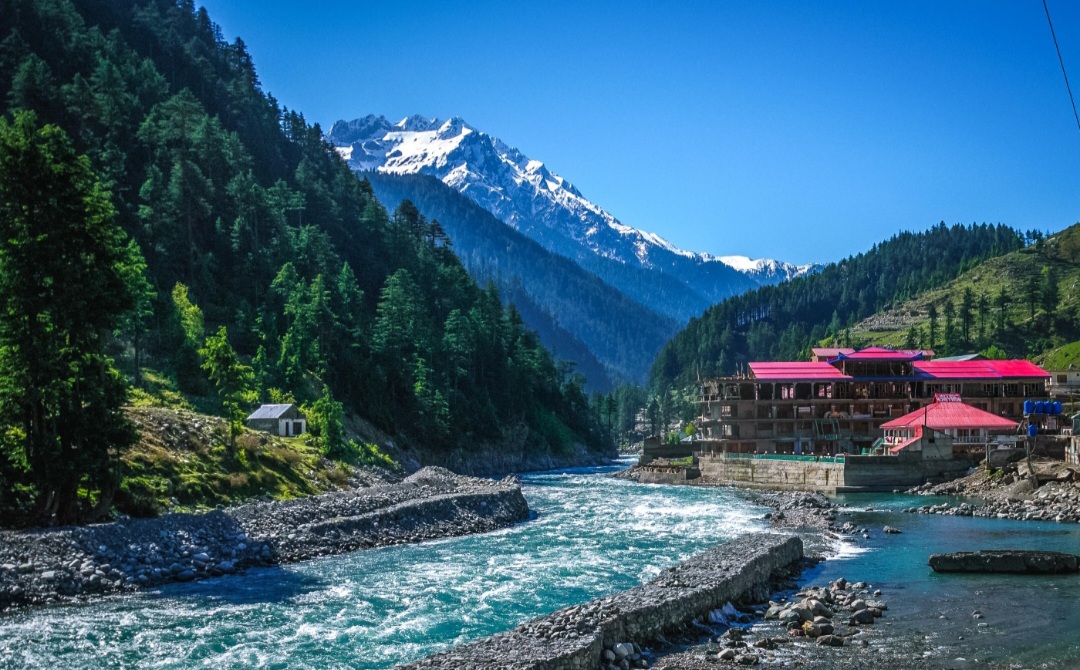
Tourism activities in Kalam have been increasing with each passing year. New hotels and residential facilities are being established, while facilities for tourists are also expanding.
According to official data, 2.6 million tourists visited Swat between May and July 2024. In 2026, 416,794 tourists were recorded in Swat during the five-day Eid-ul-Azha holidays.
While growing tourism is boosting the local economy and business activities, the disposal of waste and wastewater is becoming an increasingly important concern.
Complaints have emerged that wastewater and solid waste from hotels and residential areas along the Swat River in Kalam are reaching the river. This raises questions about how effective the arrangements are for protecting the river from pollution amid increasing tourism pressure.
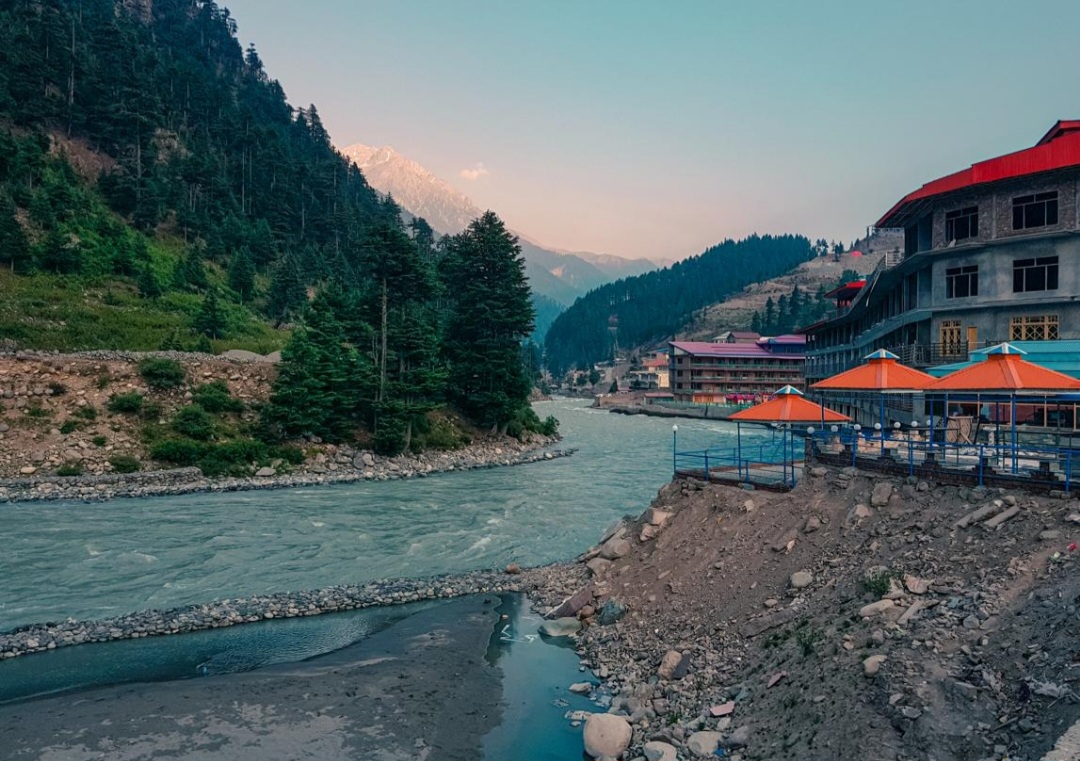
The clear, greenish water of the Swat River and the greenery along its banks present a beautiful sight in Kalam. However, as the river flows downstream from Kalam, its color begins to change. At some places, the water appears brown, an unpleasant smell can be noticed, and garbage can also be seen along the banks.
Dr Arshad Rahman, a lecturer in the Department of Journalism and Mass Communication at the University of Swat and a PhD scholar, says that around 20 years ago, the water of the Swat River was generally cleaner and clearer, while the entire Swat Valley appeared more lush and green. However, over time, significant changes have occurred in the condition of the river water.
He says the water of the Swat River in Kalam and at Blue Water C is still relatively green and clean, but as the river flows downstream, its color gradually changes and appears brown at some locations.
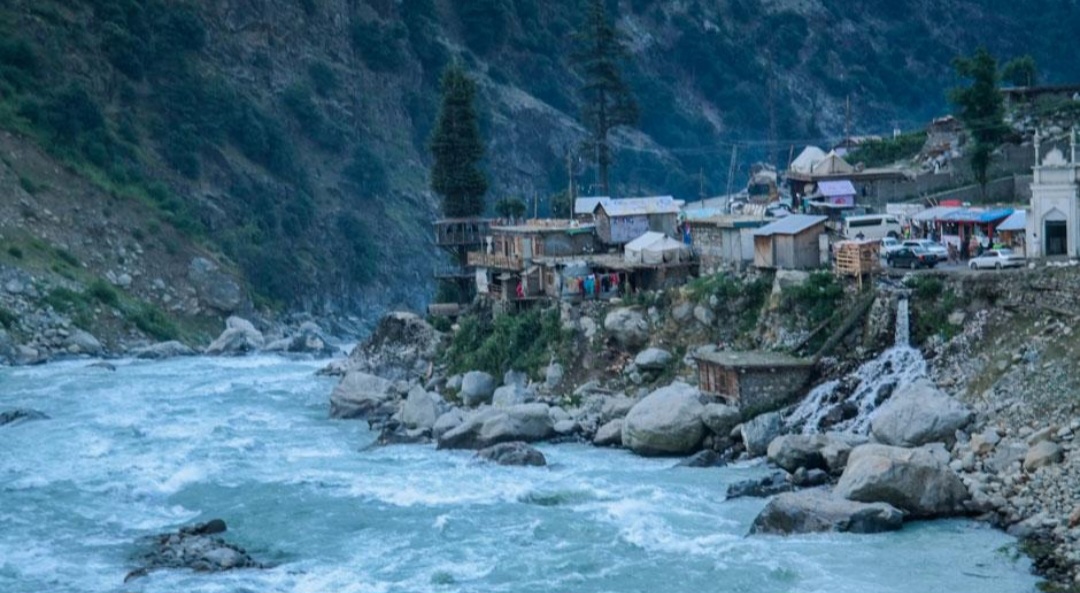
According to him, at some places the condition of the water looks as if wastewater from a marble factory is being discharged into the river.
Dr Arshad says there are concerns that sewage, wastewater from washrooms and other waste from several hotels in Kalam may be entering the Swat River. He adds that waste generated from animal slaughter in Bahrain is also reaching the water.
He says wastewater from some houses also reaches the river through drains, with its effects becoming clearly visible in downstream areas.
He further says that at one time, the trees, greenery and clean water along the banks of the Swat River were a major attraction for people. People would hold picnics, events and various programmes along the river and enjoy its clean water.
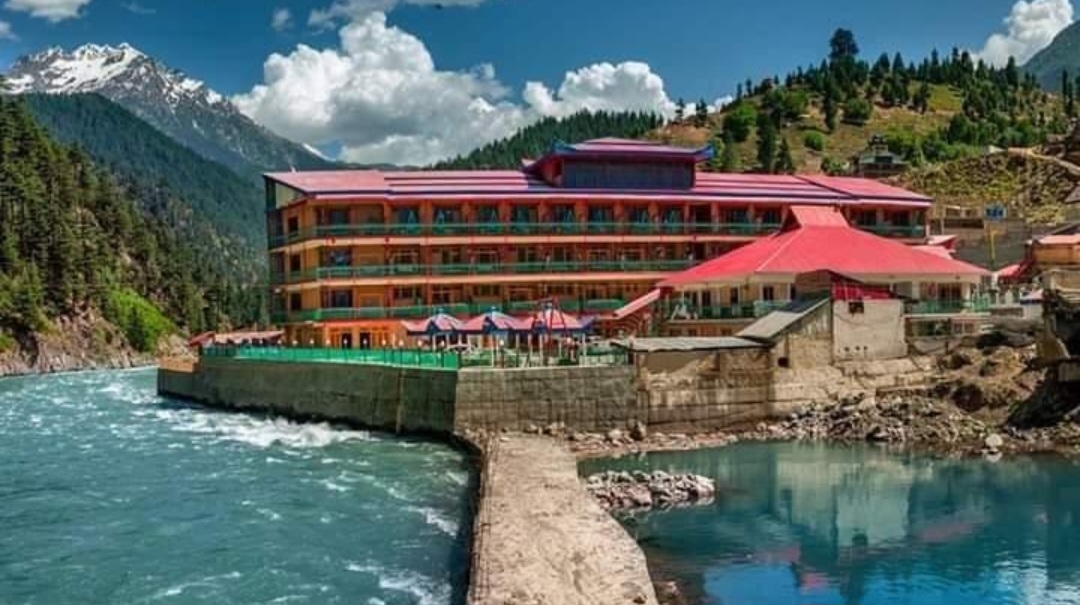
According to him, Swat's identity has not only been associated with its mountains and greenery but also with its clean rivers and water. The increasing pollution in the river is no longer limited to changes in the color and smell of the water; aquatic life has also been affected.
Dr Arshad says Swat has also been known for its fish, while small fish locally known as “Kreeri” were caught by local fishermen and sold in markets. According to him, polluted water and contamination have also harmed this aquatic life.

Tourists who have observed the current condition of the river also complain about pollution.
Saima, a tourist from Karachi, says she saw shopping bags, plastic bottles and leftover food from hotels along the riverbank, while the water also no longer appeared clean.
Also Read : 30 Years in the Classroom, Now Facing Unemployment: The Teachers Left Behind
According to Saima, she also saw a pipe from a hotel directed straight toward the river, while some people were bringing household waste and dumping it along the riverbank.
She says that despite Swat's natural beauty, it is disappointing to see the condition of the river, and if the river itself becomes polluted, the area's attraction for tourists could also be affected.
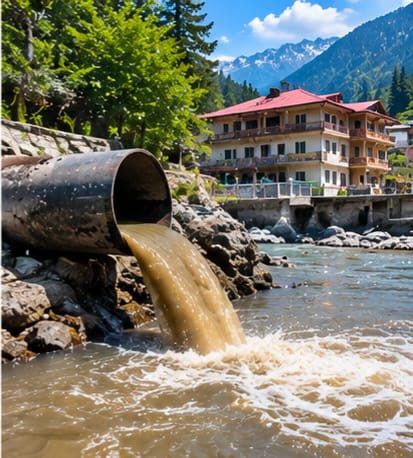
Health experts say polluted water is not only an environmental issue but can also affect human health.
Dr Muhammad Hussain, a physician from Swat, says that when hotel sewage, household waste and other pollutants enter the river, germs and harmful substances can contaminate the water. This can increase the risk of cholera, typhoid, hepatitis A, diarrhea and various stomach infections.

Dr Muhammad Hussain says that bathing or performing ablution with such water can also cause skin and eye problems, while the effects of polluted water can be more severe for children and the elderly.
According to him, severe diarrhea and dehydration can occur among children, while hepatitis E can be dangerous for pregnant women. He adds that long-term use of polluted water may also cause damage to the liver and kidneys.
He says that if polluted water reaches agricultural land or vegetables, germs can also enter the human body through food, increasing the risk of stomach disorders and other diseases.
On the other hand, the Tehsil Municipal Administration (TMA) Bahrain says various measures are being taken in Kalam to ensure cleanliness and proper waste disposal.
It should be noted that Kalam does not fall under the jurisdiction of the Water and Sanitation Services Company (WSSC). Responsibility for sanitation and waste management in the area lies with TMA Bahrain and the Upper Swat Development Authority.
According to TMA Bahrain focal person Ijaz Ali Shah, designated waste collection points have been established at various locations in Kalam for waste generated by hotels, households, markets and other tourist sites. Dustbins and large waste containers have been placed at these locations.
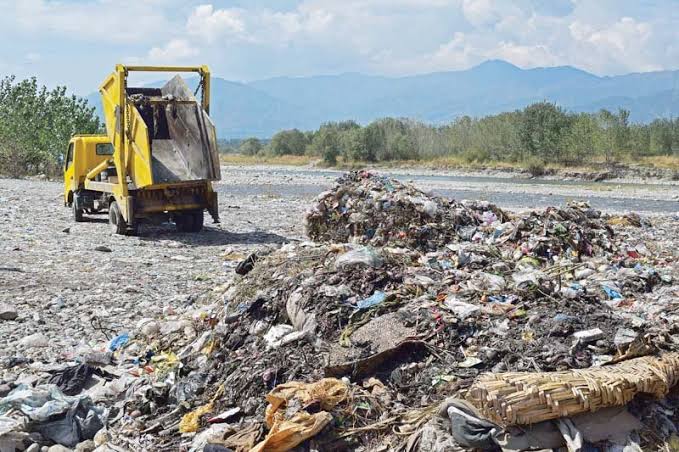
He says TMA sanitation staff collect waste from these points daily using vehicles and transport it to a designated site. Routine cleaning is also carried out at Kalam Bazaar, Ushu Forest and other major tourist destinations, while complaints are addressed promptly.
Ijaz Ali Shah says TMA Bahrain has rented a designated dumping site for the proper disposal of waste collected from Kalam, where waste gathered from different locations is transported.
Regarding the discharge of wastewater into the Swat River, TMA Bahrain says a survey of hotels and residential areas along the river in Kalam was recently conducted to assess the presence and condition of septic tanks.
According to Ijaz Ali Shah, most hotels have septic tanks, while owners of properties where proper arrangements were not in place were instructed to prevent the direct discharge of wastewater and install septic tanks.
He says hotels, businesses and residential areas located near the river have also been clearly instructed that action will be taken under the relevant law if they dump waste, dispose of garbage or illegally discharge wastewater into the river.

However, TMA Bahrain says responsibility for cleanliness in Kalam is not limited to a single institution. According to the TMA, workers of the Assistant Director Local Government office and village councils also participate in sanitation activities, while the Upper Swat Development Authority is also responsible for cleanliness in Kalam.
The TMA says that despite this, the Upper Swat Development Authority has not shown any practical involvement in sanitation activities since its establishment.
With tourism in Kalam continuing to grow, keeping the Swat River clean is crucial for the valley's beauty and tourist appeal. While new hotels and tourism facilities are expanding, concerns also remain over the possible discharge of wastewater and waste into the river.
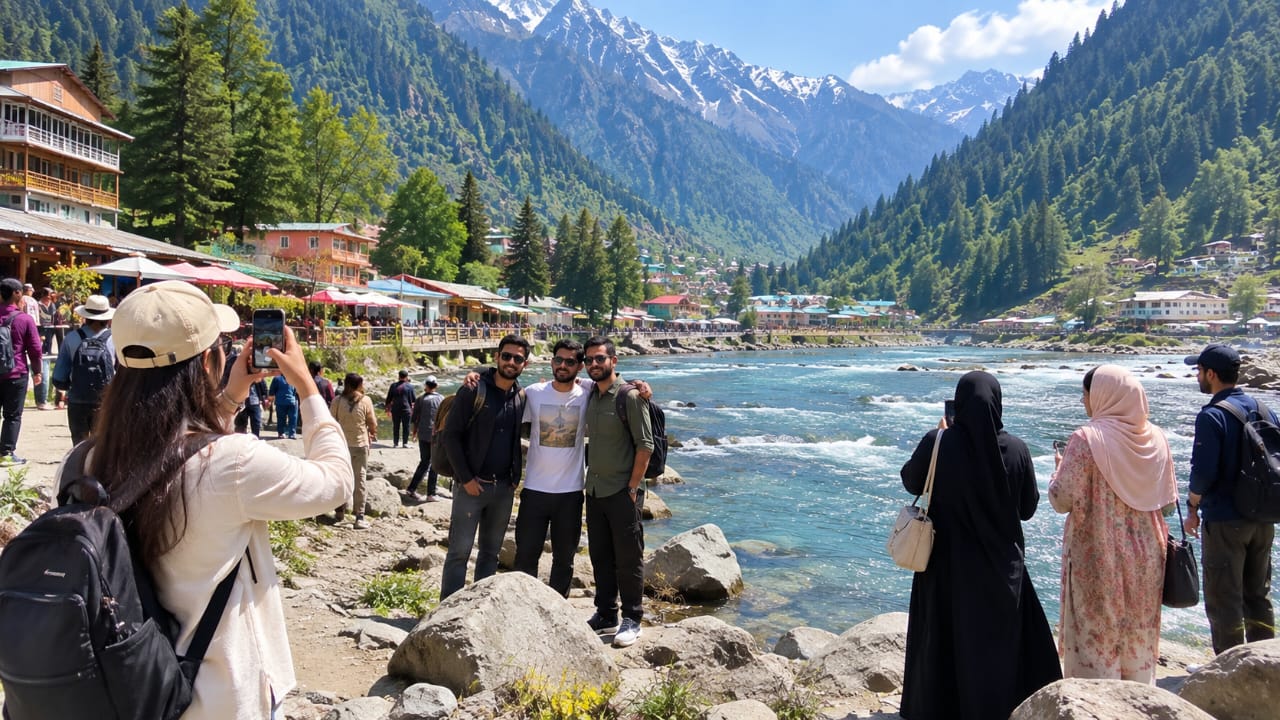
Therefore, along with promoting tourism in Kalam, effective measures are needed to protect the river, aquatic life and the environment so that Swat's natural beauty can be preserved as the number of visitors continues to increase.


.jpg)

Comments
No comments yet. Be the first 🙂