


.jpeg)
The Khyber Pakhtunkhwa government is continuing the supply of 2,000 metric tons of government wheat daily to flour mills from its provincial strategic reserve.
The Food Department said 315,534 bags of government flour were supplied at the official rate across the province during the last week.
The department said 20,000 wheat bags, each weighing 100 kilograms, are being supplied daily to active flour mills across the province.
A 20-kilogram bag of government flour is being provided to citizens through selected dealers at Rs2,520, the Food Department said.
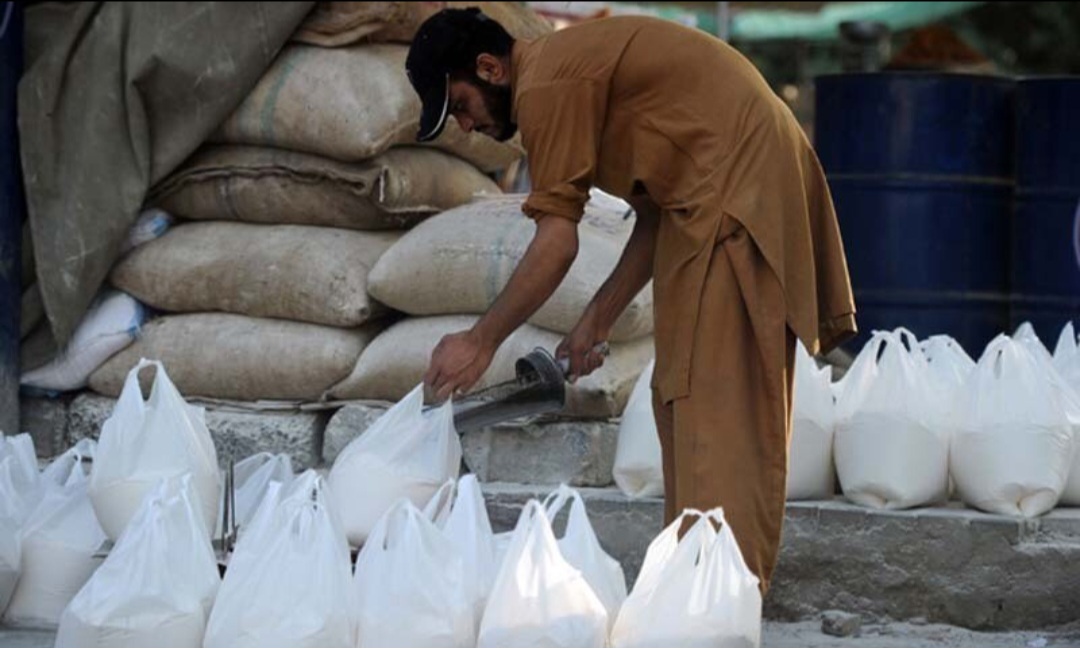
According to the department, 69,446 flour bags were supplied in Peshawar Division, while 41,452 bags were supplied in Mardan Division.
In Malakand Division, 78,122 flour bags were supplied, while 65,400 bags were provided in Hazara Division.
The department said 11,660 flour bags were supplied in Bannu Division, while 32,094 bags were supplied in Dera Ismail Khan Division.
Also Read : Young Woman’s Death Sparks Alleged Honour Killing Case in Khyber
A total of 17,360 flour bags were supplied in Kohat Division, according to the Food Department.
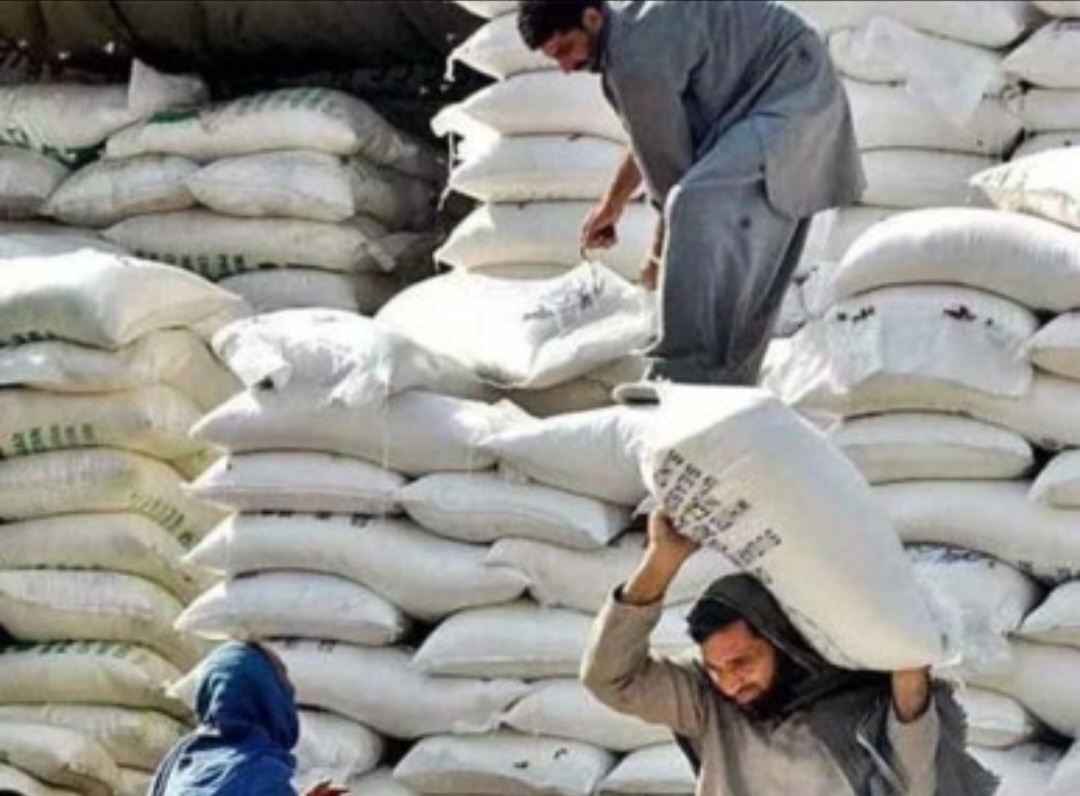
The Food Department said 1,771 active flour dealers across the province supplied the 315,534 bags at the official rate during the last week.
Teams of the Khyber Pakhtunkhwa Food Authority and the Food Department are regularly monitoring the quality of wheat and flour.
Special Assistant to the Chief Minister for Food Dr Muhammad Israr Khan urged citizens to monitor the quality of flour prepared from government wheat and immediately report any substandard flour.
He said the government quota of any flour mill supplying substandard flour would be cancelled, along with legal action against the mill.
Dr Muhammad Israr Khan said the Khyber Pakhtunkhwa government was taking all possible measures to provide quality and affordable flour to the public.
He said the Punjab government's wrong policies were causing an increase in flour prices across the country.
The Special Assistant said the Punjab government had so far maintained restrictions on the free inter-provincial trade of wheat and flour.

.jpg)

.jpg)

Comments
No comments yet. Be the first 🙂