


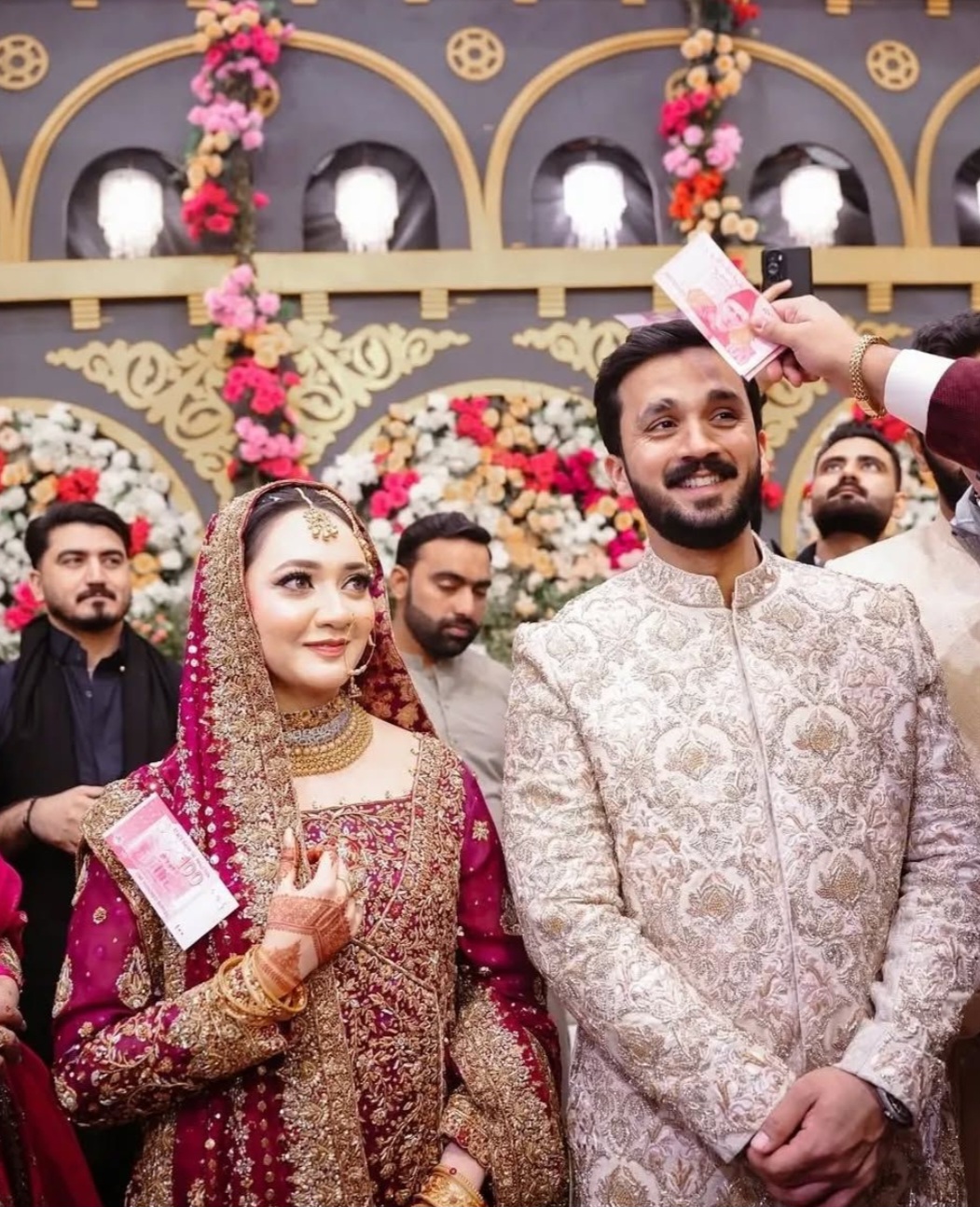
Weddings are occasions of joy and celebration, with families making every effort to turn the event into a memorable experience for guests. Various traditions are observed during these ceremonies, including throwing money into the air, a practice that has become increasingly common over time. While it is often associated with expressing happiness and affection, the tradition also raises questions about whether it reflects genuine celebration or simply a display of wealth.
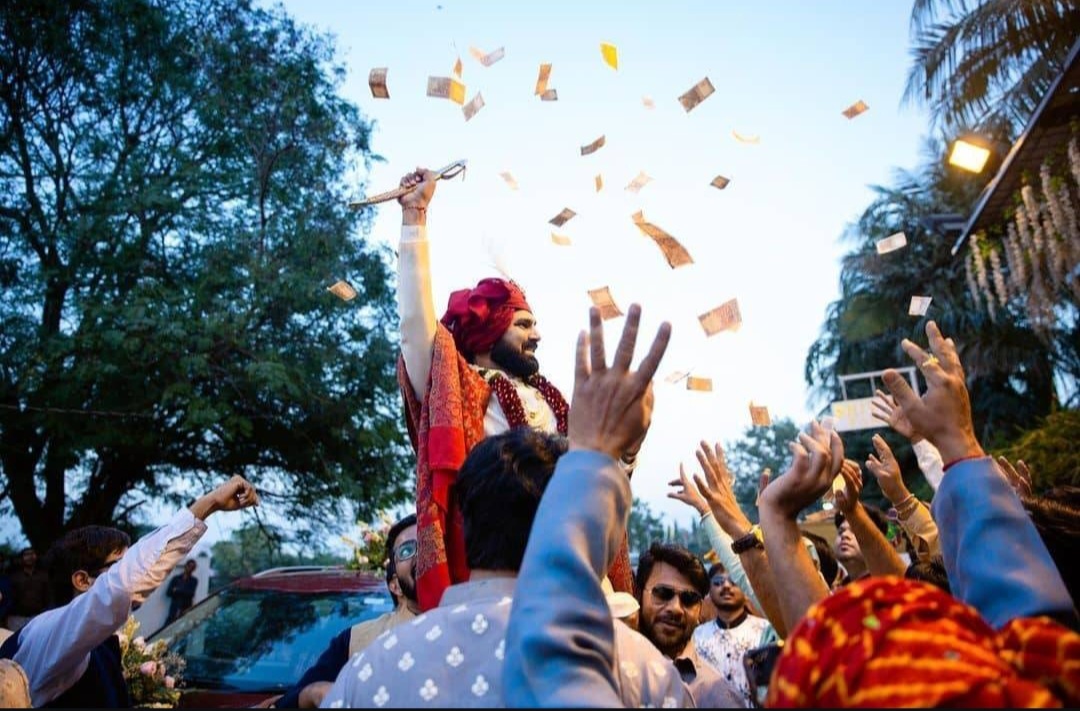
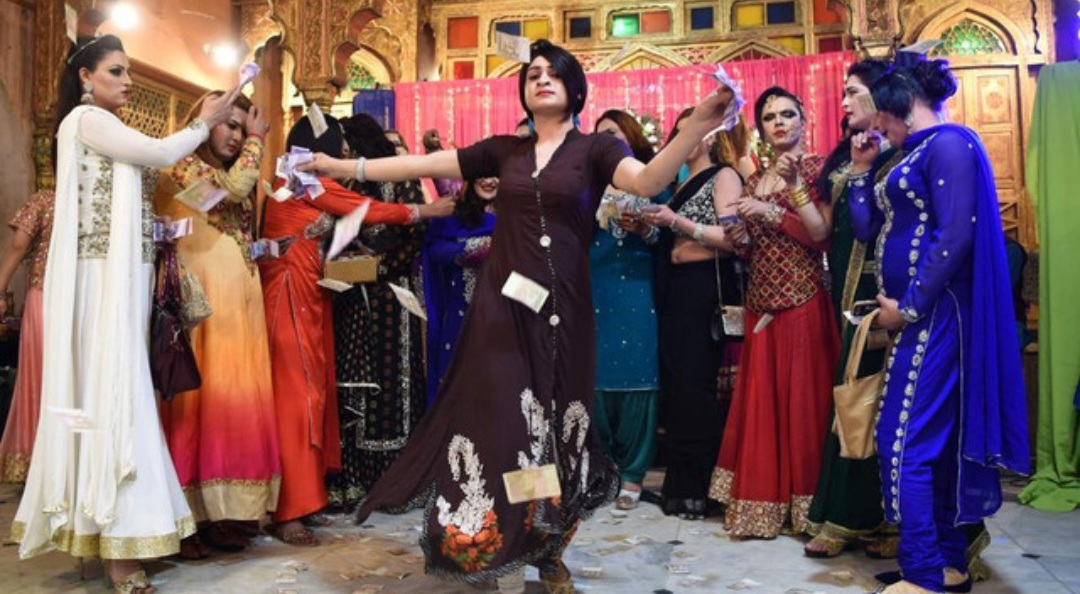
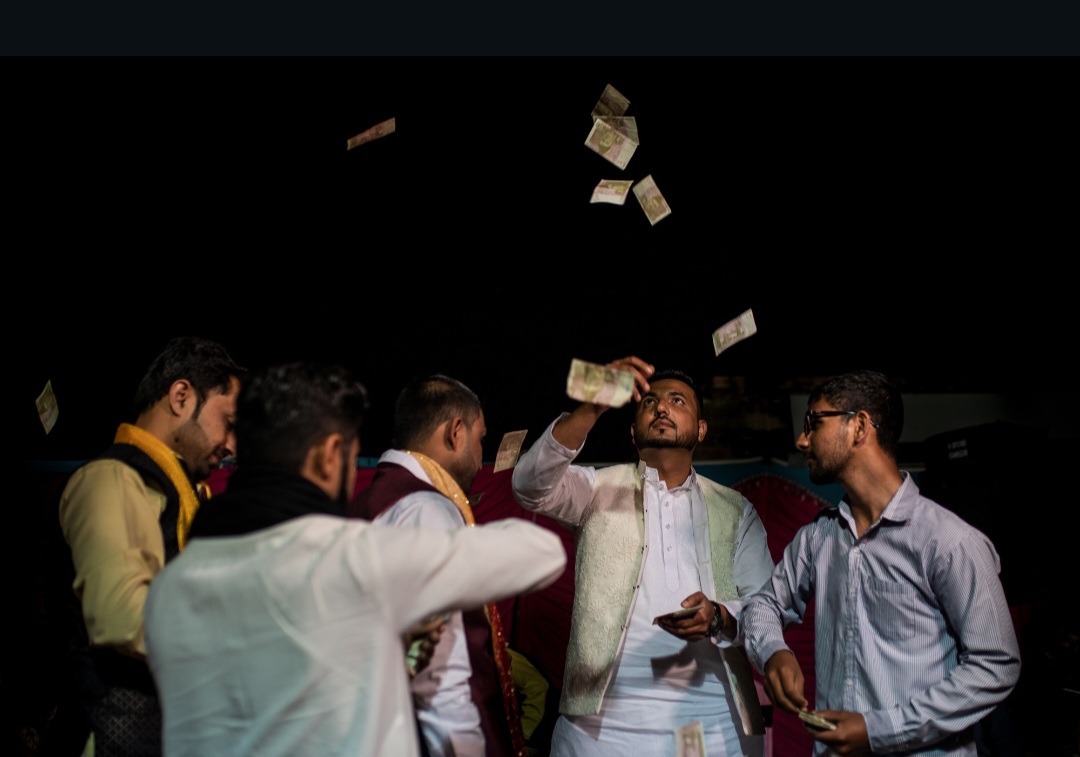
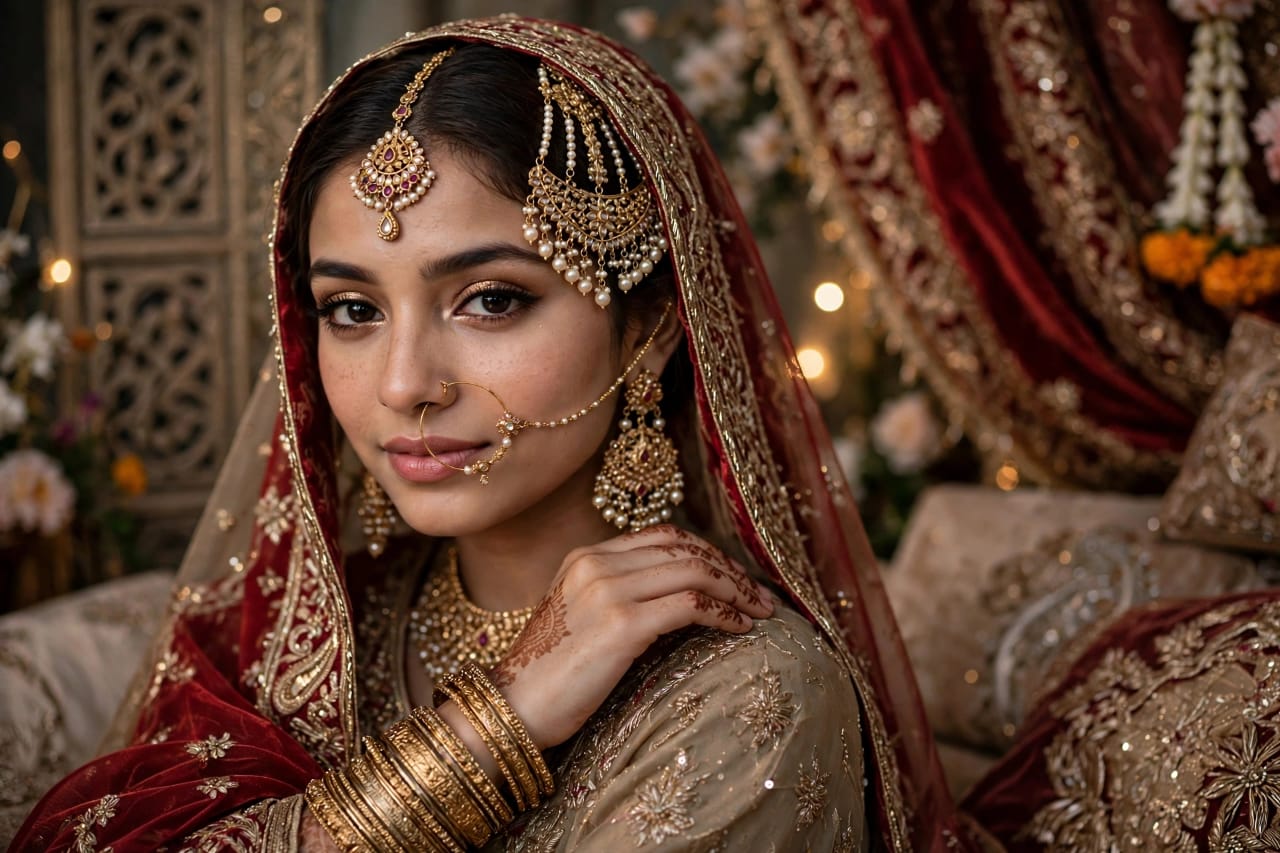
At many weddings, people shower cash on dancers, the bride or the groom. Although the gesture is often presented as an expression of joy, it can sometimes be driven by a desire to outdo others. Some people spend more money because they fear criticism if they do not participate, creating unnecessary competition. Videos of these moments are also shared on social media, where attention and visibility can become an additional motivation.
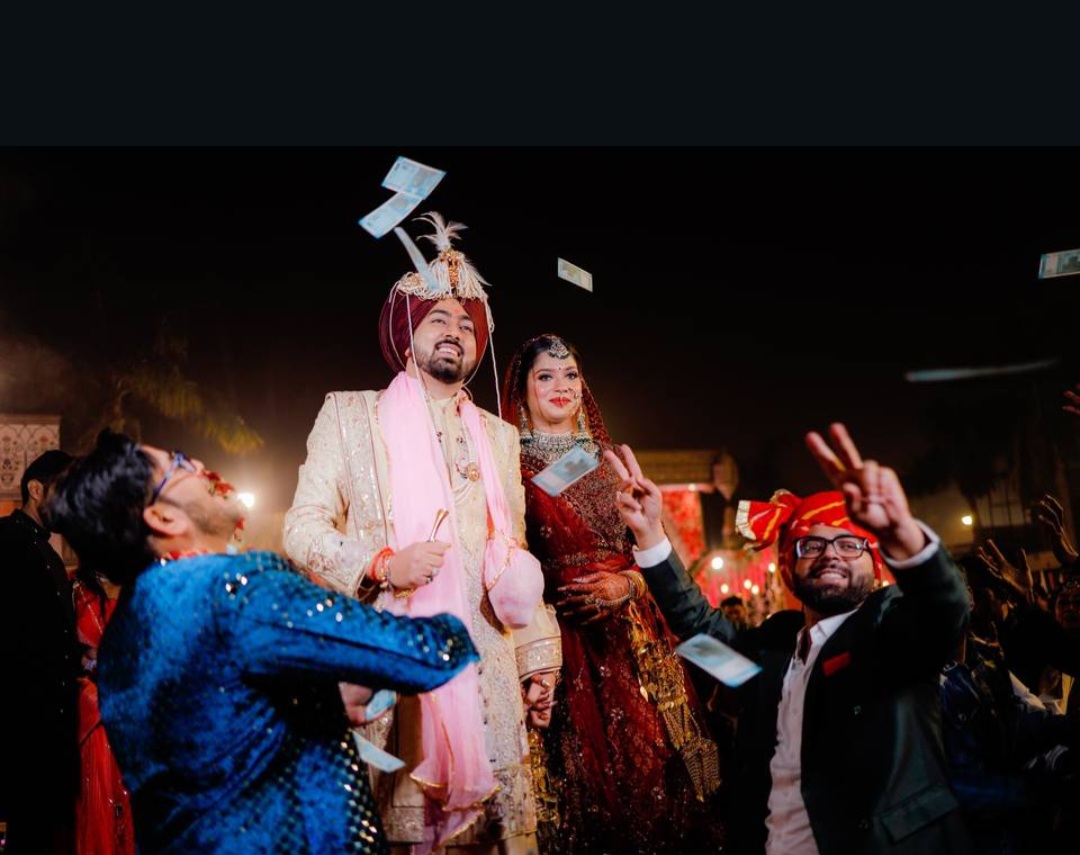
The practice can also be distressing for people struggling to meet their basic needs. Many households carefully budget every rupee, while others face financial difficulties and even take loans to cover essential expenses. Watching money being thrown away for a few moments of entertainment may deepen their sense of deprivation and raise questions about why the same money is not used to support someone in need.
An alternative tradition at weddings is the distribution of dried fruits and nuts. It is a relatively simple practice in which these items are shared among children and adults and are often regarded as symbols of affection, happiness and blessings. Such gestures allow guests to participate in the celebration without the concerns associated with throwing cash or its potential waste.
Another concern is the disrespect money may face when it is thrown into the air. Banknotes often fall to the ground and are trampled underfoot. The same money could instead help a struggling family purchase medicines, provide groceries for a widow, cover the expenses of an orphaned child or pay the educational fees of a student from a low-income household. Supporting someone in need could provide lasting relief rather than fleeting entertainment.
Money showering can also lead to disorder at wedding ceremonies. Crowds gather to collect the falling notes, sometimes resulting in pushing, arguments and even fights. Children may also compete to pick up the money, creating tensions among those attending. Instead of teaching children the value of money and consideration for others, such scenes may give them the wrong impression about how wealth should be used.
Those wishing to spend money as part of a wedding celebration could consider donating it to someone in need or purchasing a meaningful gift for the newlyweds that could prove useful in their future. Such choices would allow the money to be used more constructively while also bringing happiness to others.
The true purpose of wedding celebrations is to share happiness, extend hospitality and strengthen bonds among families and communities, rather than display wealth or compete with others. Respect and appreciation should not be measured by the amount of money someone showers at a wedding, but by the sincere wishes they offer the couple and the consideration they show towards people around them.
It is worth reflecting on how unnecessary practices have gradually become part of celebrations in the name of tradition. Preserving cultural customs is important, but they should also reflect values such as compassion, respect, generosity and care for others. The beauty of culture lies not in extravagance but in traditions that bring people closer.
Islam also discourages extravagance and wastefulness and emphasizes sincerity in one's intentions. Avoiding unnecessary spending and using resources for charitable purposes can make celebrations more meaningful. Ultimately, the true measure of happiness is not the display of money but the positive difference one can make in the lives of others.


Comments
No comments yet. Be the first 🙂