


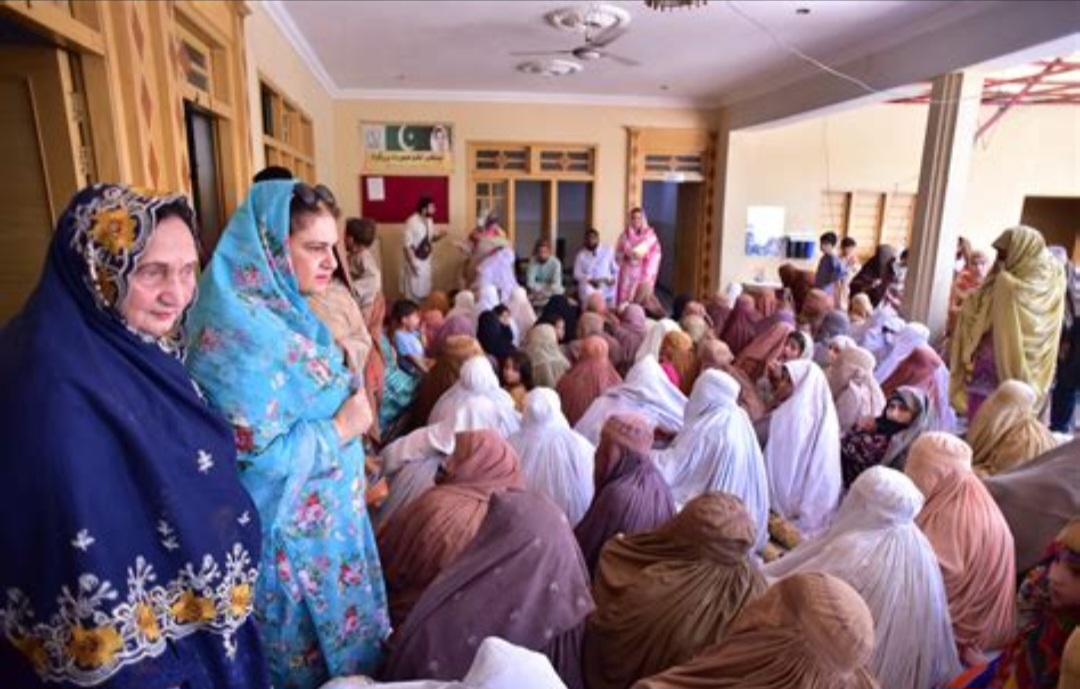
No woman has been included in the 48-member Regional Representation and Development Council established for 12 southern and merged tribal districts of Khyber Pakhtunkhwa, raising questions about women’s representation in decision-making.
According to a list issued by the federal government on October 17, the council includes representatives from Bajaur, Mohmand, Khyber, Kurram, Orakzai, North Waziristan, Upper and Lower South Waziristan, Bannu, Lakki Marwat, Tank and Dera Ismail Khan. Former governor Shaukatullah Khan has been appointed as the council’s chairman, while Malik Khan Marjan from North Waziristan has been named vice chairman. The council has an initial term of six months.
According to the government, the council aims to incorporate public consultation into government decisions regarding law and order, development projects and local issues. However, the absence of women from the 48-member body has raised questions about the process of representation.
Dilshad Begum, a former district president of Pakistan Tehreek-e-Insaf’s women’s wing in Dera Ismail Khan and a social activist, said that the Commissioner of Dera Ismail Khan Division had organised a jirga of local personalities to select representatives, during which four individuals were chosen from the district.
She claimed that military officers also attended the jirga, but no woman was invited to participate in the consultation process.
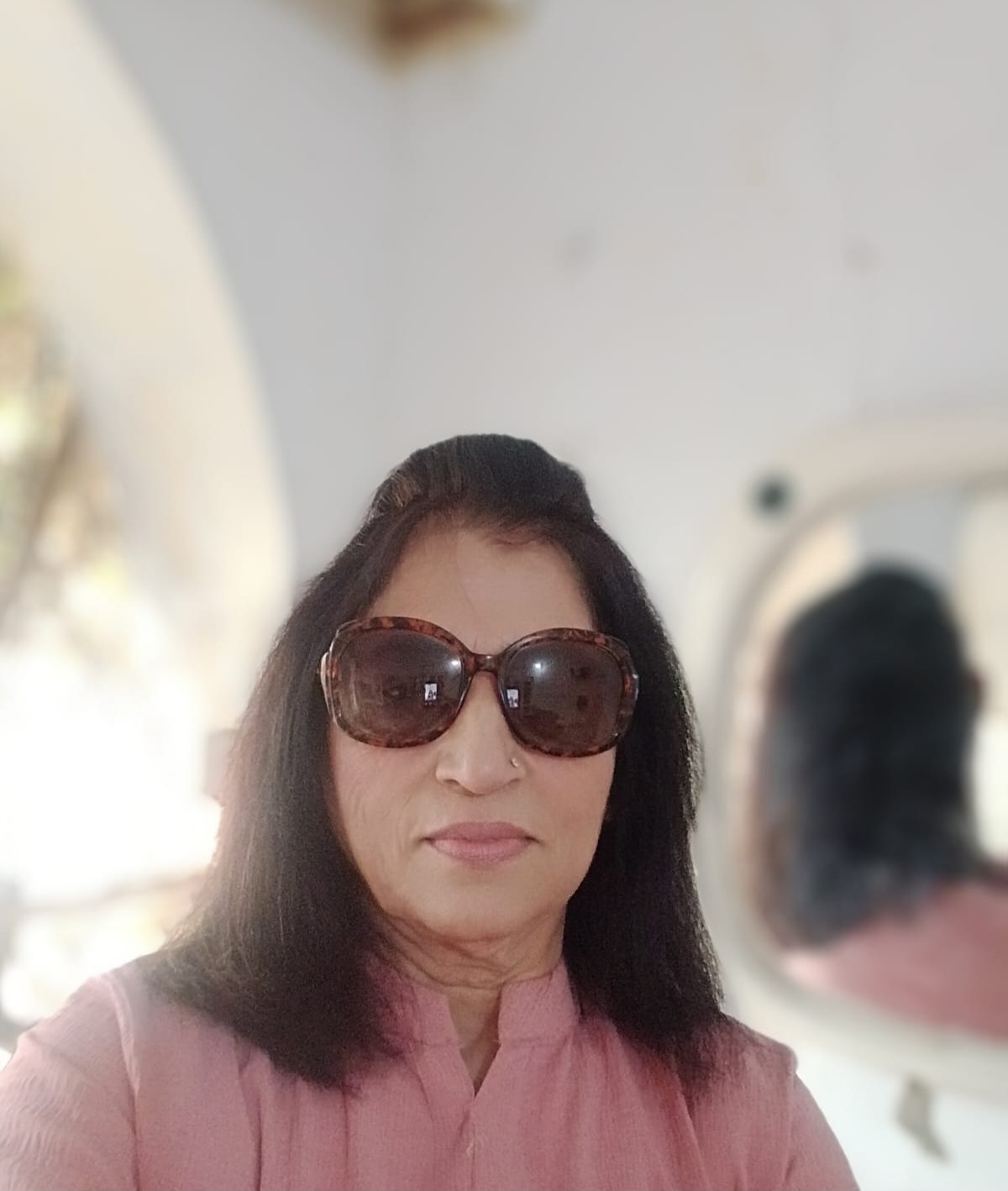
Dilshad Begum said it was unclear whether the decision to exclude women from the council was made at the local level or whether it was based on government instructions.
She said women face several issues that they can explain more effectively and for which they can offer practical solutions. Due to social traditions, many women cannot openly discuss their problems in front of male representatives, making their direct representation essential.
She suggested that if women are not included in the existing council, the government should consider establishing a separate representative council for them.
Also Read : India Snatch Last-Ball Victory Over Pakistan to Win Under-19 Asia Cup
Former Khyber Pakhtunkhwa Assembly member Basirat Shinwari, who belongs to Landi Kotal tehsil of Khyber district, also expressed concerns over the exclusion of women.
She said the government and relevant institutions were responsible for ensuring proper representation of women in the council.
According to her, women face specific challenges related to education, healthcare and basic facilities, which can be more effectively identified by female representatives. She said women representatives could visit girls’ educational institutions, hospitals and development projects to highlight the needs of local women.
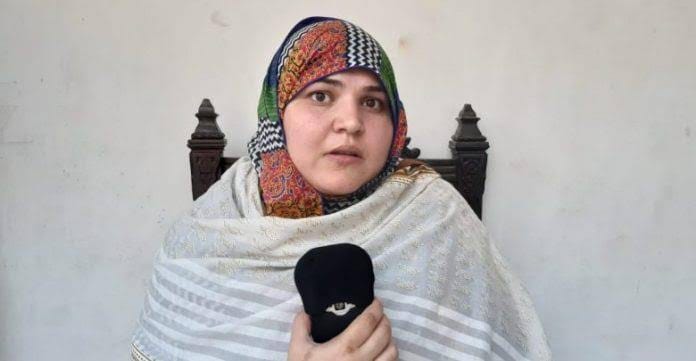
Basirat Shinwari proposed that at least one educated and capable woman from each southern and merged tribal district should be included in the council.
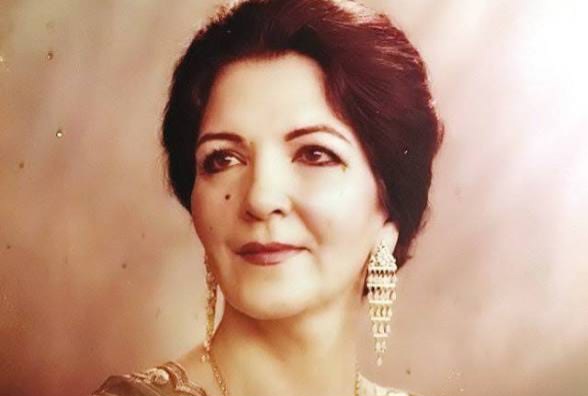
Examples of women's leadership also exist in these areas. Begum Kulsoom Saifullah from Lakki Marwat served as a member of both the National and Provincial Assemblies and also held a position in the federal cabinet. She passed away in 2015.
Dr Humaira Ambreen from Kurram district is the founding president of the Kurram Women Chamber of Commerce and Industry and has been working to promote women's entrepreneurship and economic participation.
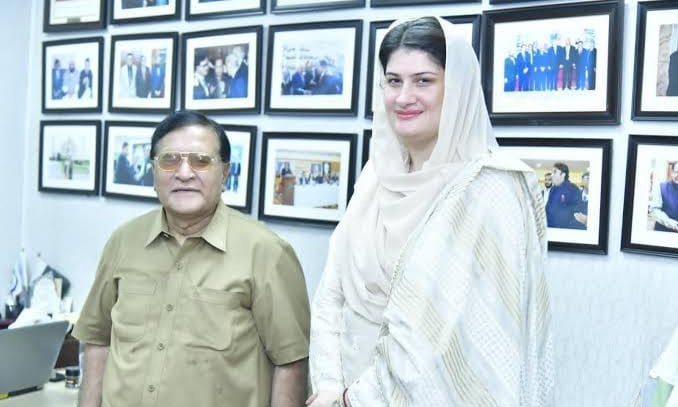
In April 2026, she met Benazir Income Support Programme Chairperson Rubina Khalid and discussed skills training and expanding economic opportunities for women in Kurram district.
Similarly, Badam Zari from Bajaur contested a National Assembly seat in the 2013 general elections, while Ali Begum from Kurram and Naheed Afridi from Khyber district contested the 2019 provincial assembly elections in the merged tribal districts.
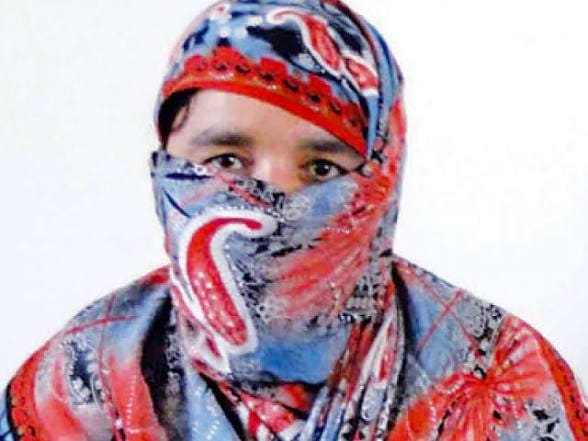
In addition, women lawyers, teachers, social activists and businesswomen from the merged districts are actively contributing to various fields.
These examples show that women in these areas are actively contributing to political, social and economic sectors. However, it remains unclear whether such women or their representative organisations were consulted during the formation of the council.
According to the council’s information adviser, Mehmood Jan Babar, the members were selected by local elders through jirgas, and none of the lists received from different districts included a woman’s name.
He said the council was still in its initial phase and that improvements could be made to its procedures and representation over time. However, he did not confirm any formal proposal or decision regarding the inclusion of women.
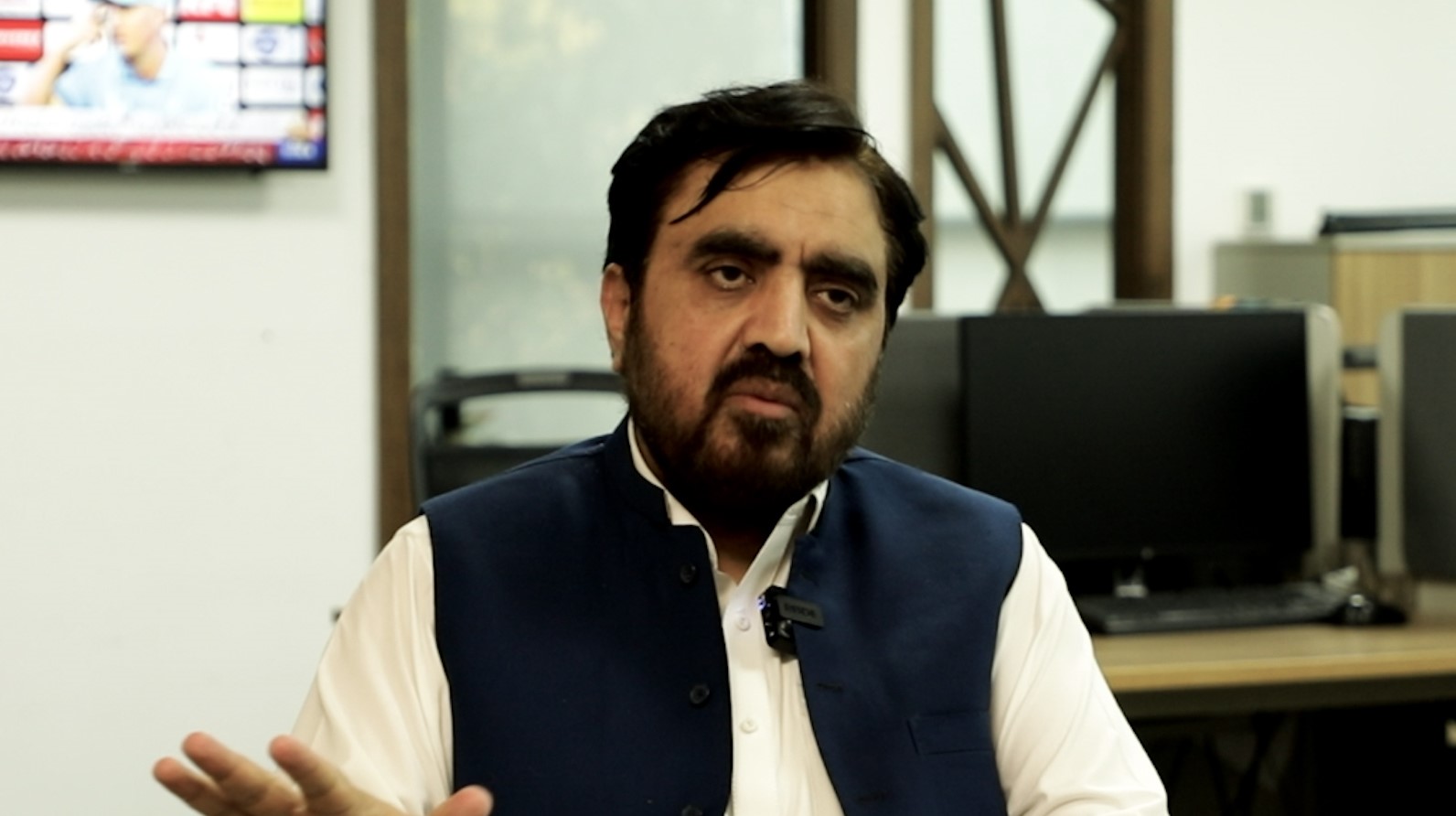
Khyber Pakhtunkhwa Governor Faisal Karim Kundi has also said that the council members were nominated through consultation with local people while keeping tribal traditions in mind.
However, women leaders demanding representation have questioned how the views of women who generally do not participate in such jirgas were obtained if the nominations were made through these traditional gatherings.
Development decisions related to education, healthcare, water, transportation and employment in the merged tribal and southern districts affect the entire population, including women. Direct consultation with women is particularly important on issues such as the condition of girls' schools, the availability of female medical staff and maternity healthcare facilities.
According to Dilshad Begum and Basirat Shinwari, educated and experienced women are available in these areas who understand local issues and can play an effective role in development planning and decision-making.
Following the establishment of the council, the issue of women's representation remains unresolved. No final decision has so far been confirmed regarding reserving seats for women, reviewing existing nominations or establishing a separate representative forum for them.
The question now is what practical steps the government will take to ensure that women's voices and needs are included in the 48-member council established to represent the local population.
Comments
No comments yet. Be the first 🙂