


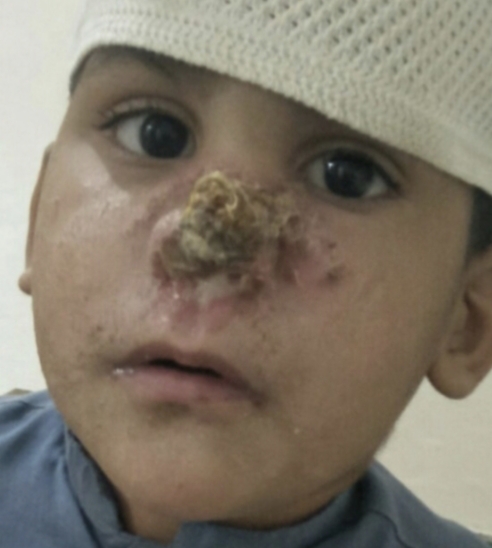
Government injections for leishmaniasis have been unavailable for the past two weeks at the District Headquarters Hospital (DHQ) in Landi Kotal, Khyber District, causing difficulties for patients seeking treatment.
According to hospital authorities, more than 300 leishmaniasis patients from Landi Kotal and surrounding areas are registered at the hospital. However, the treatment process has been affected due to the shortage of injections.
Officials said that a report regarding the shortage has been sent to senior health department authorities, and efforts are underway to ensure the early supply of the required medicines.
Also Read : CTD operation in Lower Dir leaves six militants dead
Meanwhile, leishmaniasis patients and their families have appealed to the Secretary of Health Khyber Pakhtunkhwa, the Director General Health, and other relevant authorities to immediately provide government-supplied leishmaniasis injections to DHQ Hospital Landi Kotal so that treatment can continue without interruption and the difficulties faced by patients can be reduced.
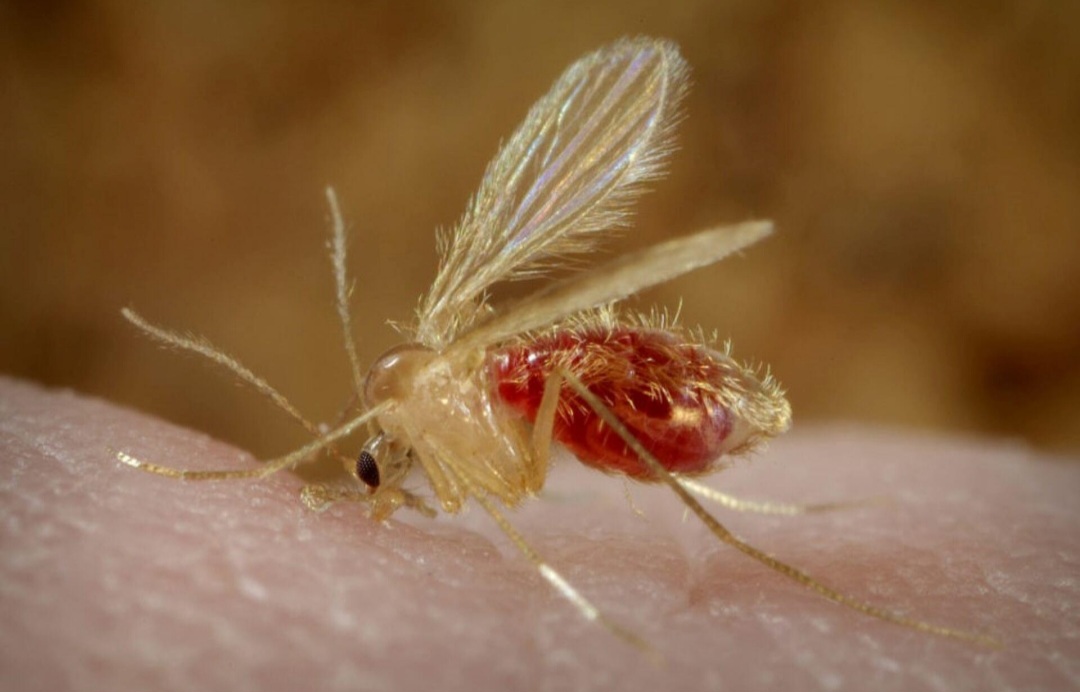
Leishmaniasis is a parasitic disease caused by Leishmania parasites and spread through the bite of infected female sandflies.
Types of Leishmaniasis:
Cutaneous Leishmaniasis (Skin Leishmaniasis):
The most common form in Pakistan.
Causes skin sores or ulcers, usually on exposed parts of the body such as the face, arms, and legs.
The sores may heal over time but often leave permanent scars.
Visceral Leishmaniasis:
A more serious form that affects internal organs such as the spleen, liver, and bone marrow.
Symptoms include prolonged fever, weight loss, anemia, and enlarged spleen and liver.
Can be fatal if left untreated.
Symptoms of Cutaneous Leishmaniasis:
Small bump at the site of the sandfly bite
Skin ulcers or open sores
Painless lesions that slowly enlarge
Scarring after healing
Treatment:
Treatment usually involves anti-parasitic medications, including injectable drugs provided through government health facilities. Early diagnosis and treatment help prevent complications and permanent scarring.
In Pakistan, cutaneous leishmaniasis is particularly reported in parts of Khyber Pakhtunkhwa, Balochistan, and some tribal districts, where outbreaks have occurred in recent years.
.jpeg)
.png)
1.jpeg)

Comments
No comments yet. Be the first 🙂