


By Ayaz Mandokhail
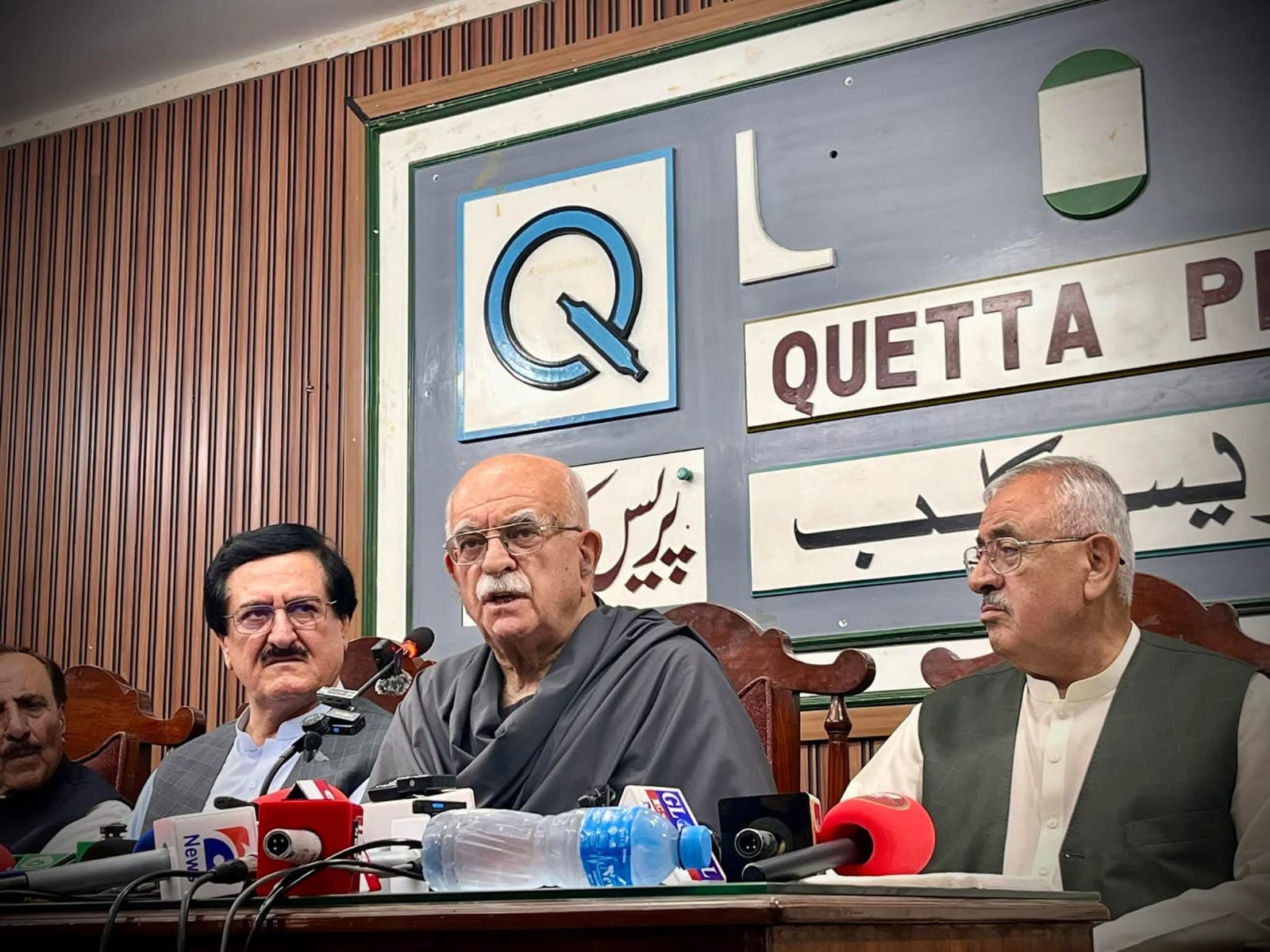
In Quetta, Pakhtunkhwa Milli Awami Party (PkMAP) chief and Leader of the Opposition in the National Assembly Mahmood Khan Achakzai has announced a three-day Pashtun National Jirga to be held in Quetta from August 29 to 31 at the level of South Pakhtunkhwa.
According to him, the jirga aims to hold collective consultations on the law and order situation in Balochistan, the protection of people's lives and property, constitutional rights, and the challenges facing Pashtun areas.
The announcement comes at a time when debates over security, political stability, and public issues in Balochistan continue. Some observers view the jirga as an important initiative to address these challenges through dialogue and consultation, while others believe its success will depend on the effective implementation of its decisions.
Also Read : Anti-Corruption Widens Probe into Orakzai Health Department, Seeks Four Years of Records
Speaking at a press conference at the Quetta Press Club, Achakzai said the law and order situation in Balochistan is alarming and called for transparent investigations into recent incidents in different parts of the province.
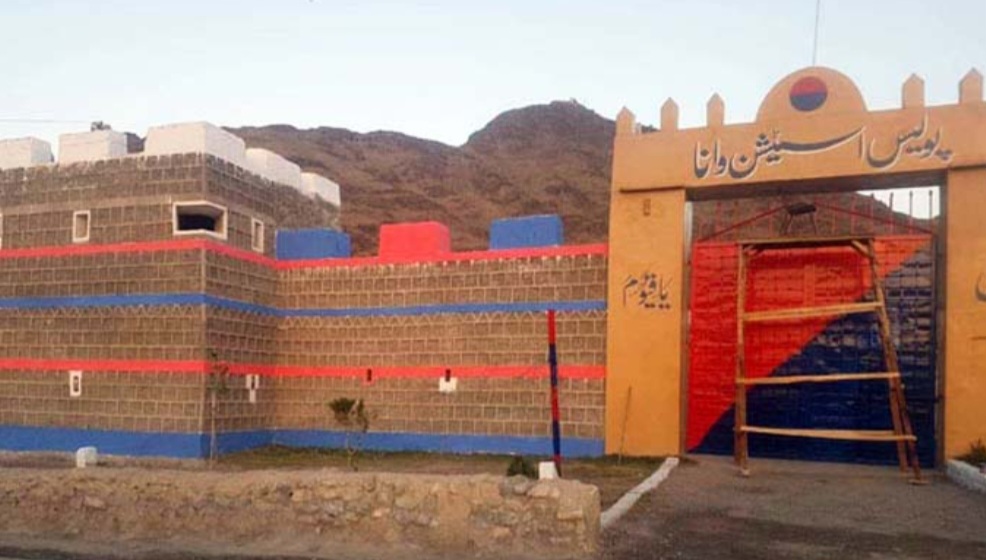
Referring to the incidents in Ziarat and Hanna Urak, he said the government should provide a clear explanation to the public regarding these matters.
He further stressed that Parliament should play an effective role in addressing key national issues and that the supremacy of the Constitution remains the foundation for a lasting solution to the country's challenges. According to him, political disputes and public issues should be resolved through constitutional and democratic means rather than the use of force.
Achakzai said the jirga will discuss law and order, public rights, land disputes, the political situation, and other important regional issues with representatives of tribes, political leaders, social figures, and other stakeholders.
The tradition of the jirga in Pashtun society:
In Pashtun society, the jirga has long been regarded as a traditional consultative institution through which tribal elders and community representatives collectively deliberate on important issues and seek consensus.
In the past, several national jirgas have also been held in the Pashtun regions of Balochistan, where subjects including law and order, land disputes, democratic processes, education, healthcare, employment, and Pakistan–Afghanistan trade were discussed.
Geo-economic and political affairs analyst Fareed Mandokhail said the Pashtun belt forms a key part of regional geo-economic and trade corridors, making political unity and national cohesion essential. In this context, he said, national jirgas hold particular significance.
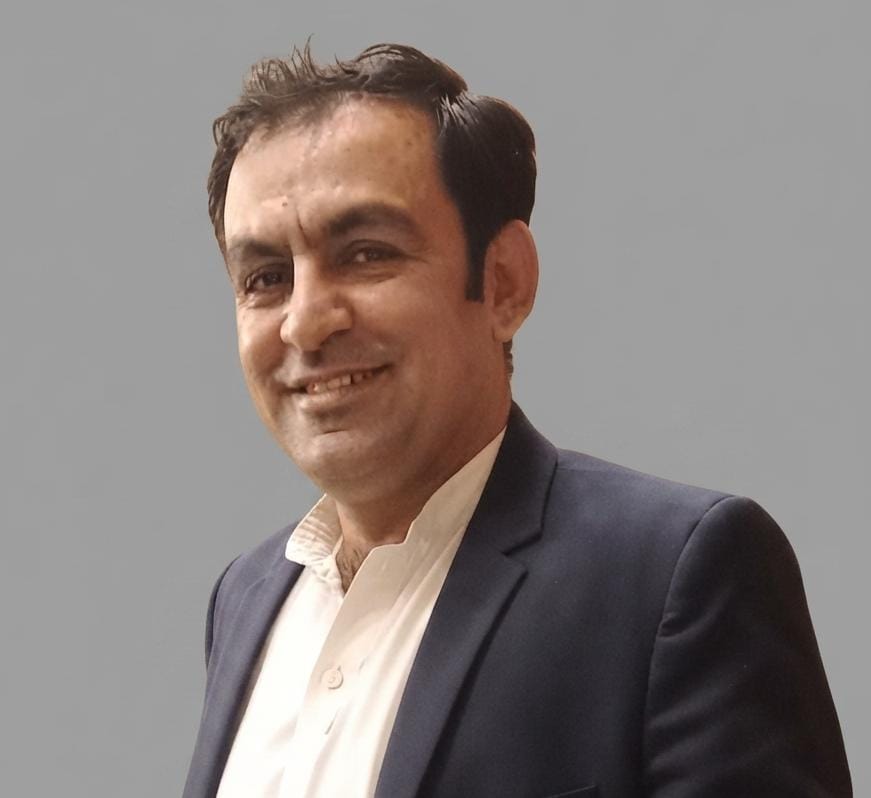
According to Mandokhail, the upcoming jirga is being convened at a time when the region is facing political uncertainty, a deteriorating security situation, economic challenges, and the absence of a consensus policy on the use of natural resources.
He described the gathering as more than a political meeting, saying it represents an important effort to promote collective consultation, national unity, and a structured discussion of the issues confronting Pashtun areas.
He added that if all segments of society are effectively represented, the jirga could help advance dialogue, build consensus among different stakeholders, and strengthen trust between the public and the government.
Meanwhile, political analyst Advocate Humayun Kasi said the jirga carries considerable importance as it is being held at the level of South Pakhtunkhwa.
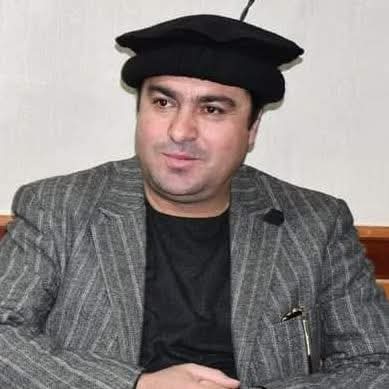
According to him, discussions are expected to cover law and order, the overall regional situation, concerns over the safety of Pashtuns' lives, property and businesses in Balochistan, as well as the challenges faced by traders and transporters.
However, Kasi noted that previous jirgas had also issued joint declarations, but lacked an effective mechanism to ensure implementation.
He said that if this jirga develops a clear roadmap and an effective follow-up mechanism for implementing its decisions, it could produce meaningful results. Otherwise, it may remain limited in its impact, like many previous gatherings.
According to Achakzai, a joint declaration is expected to be issued at the conclusion of the three-day jirga, containing recommendations on law and order, public rights, and other key issues.
.jpg)

Comments
No comments yet. Be the first 🙂