


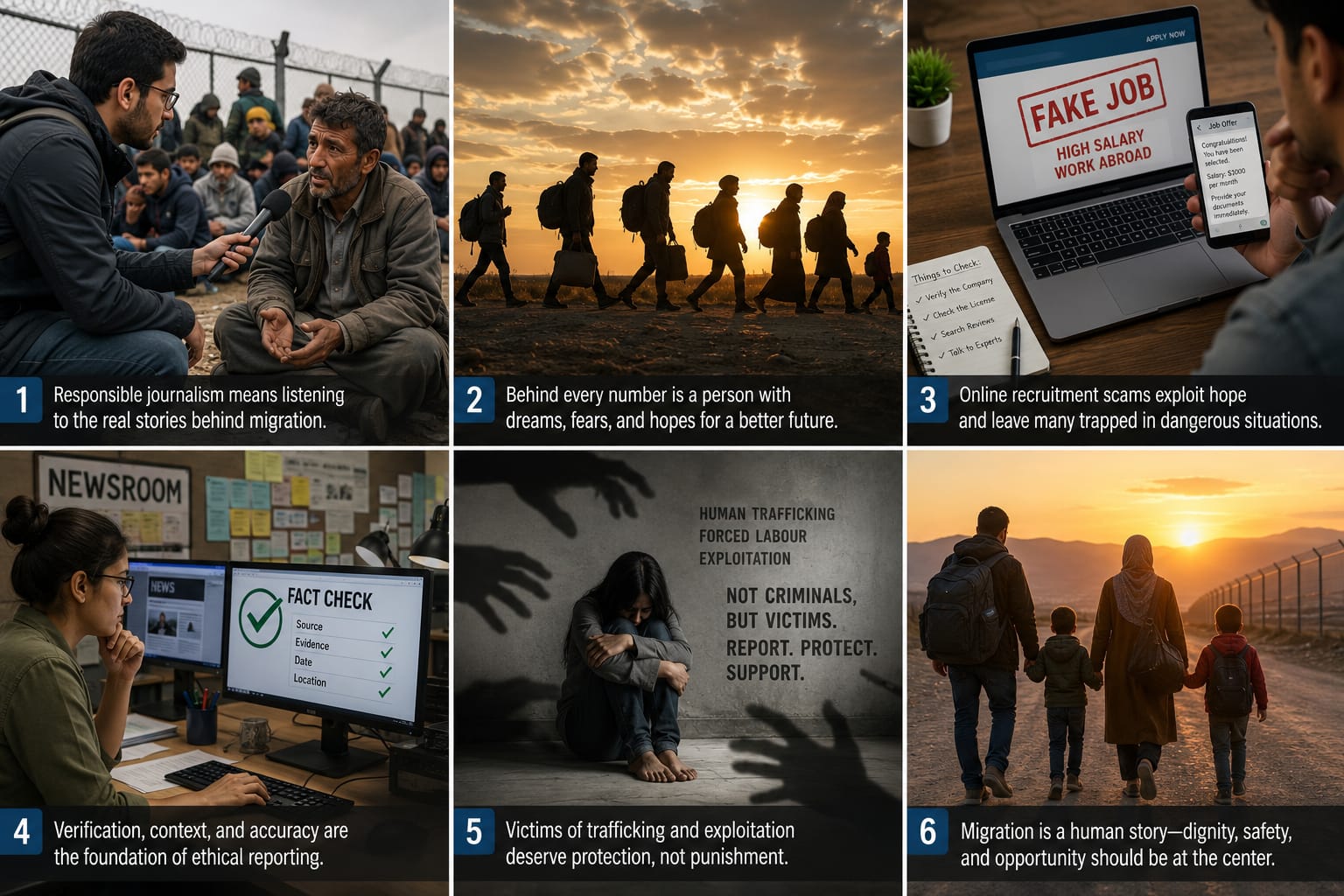
Migration has become one of the defining stories of our time. Across South and Southeast Asia, people leave their homes in search of safety, education, employment, or a better future for their families. Yet, despite the complexity of migration, public conversations are often shaped by fear, misinformation, and stereotypes rather than facts.
For journalists, this presents an important challenge. The words chosen in a headline, the images selected for a story, and the voices included in an interview can influence how society perceives migrants. Responsible journalism is not about portraying migration as entirely positive or entirely negative; it is about presenting accurate, balanced, and human-centered reporting.
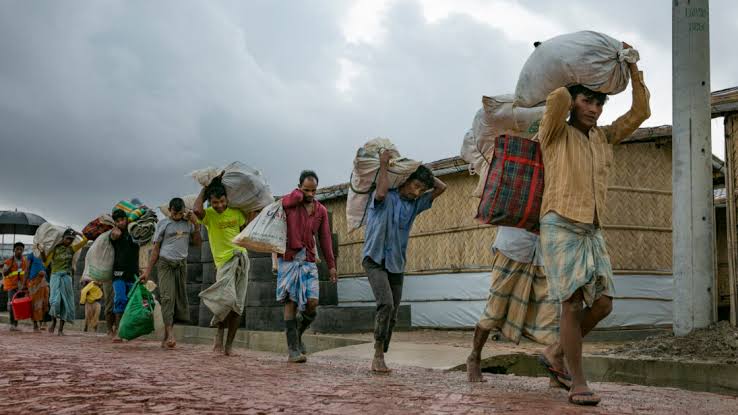
Too often, migrants are reduced to numbers. Reports focus on border crossings, arrests, deportations, or statistics without explaining the personal circumstances that lead individuals to leave their homes. Economic hardship, conflict, climate change, political instability, and family responsibilities are among the many factors that shape migration decisions. Ignoring these realities creates an incomplete picture and fuels public misunderstanding.
Another growing concern is the spread of misinformation through social media. False claims, edited videos, and misleading posts can quickly go viral, influencing public opinion before verified information becomes available. In some cases, migrants have been falsely accused of crimes or blamed for social and economic problems without evidence. Such narratives not only damage reputations but can also contribute to discrimination and hostility.
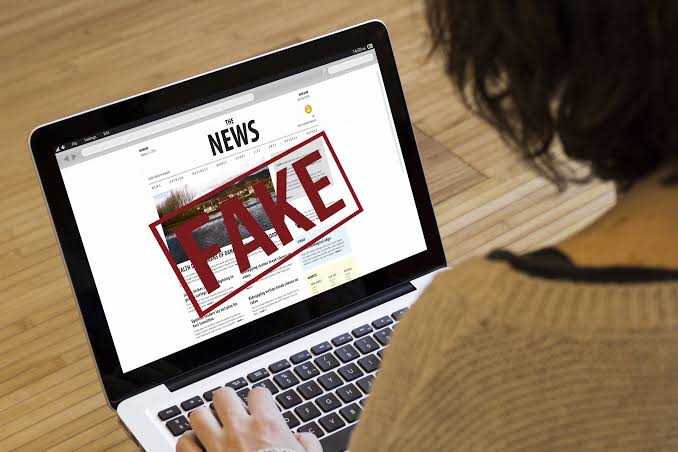
Journalists must therefore place verification at the center of their work. Information shared online should never be treated as fact without independent confirmation. Cross-checking sources, consulting official data, speaking with experts, and listening to affected communities are essential steps in producing credible reporting. Speed should never come at the expense of accuracy.
Ethical reporting also requires protecting the dignity and privacy of migrants. Many people who migrate—especially survivors of trafficking, forced labour, or exploitation—have already experienced trauma. Publishing their names, identifiable photographs, or personal details without informed consent may expose them to further risks, including retaliation, social stigma, or psychological harm.
Instead of asking, "What happened?" journalists should also ask, "Why did it happen?" and "What systems allowed it to happen?" This shift moves reporting beyond individual incidents and encourages audiences to understand the broader political, economic, and social factors behind migration. It also helps hold institutions accountable rather than placing blame solely on vulnerable individuals.
Also Read : "You Don't Belong Here": A Metro Ride That Exposed Society's Deepest Bias
The emergence of online scam compounds in parts of Southeast Asia has further complicated migration reporting. Criminal networks increasingly recruit people through fake job advertisements, promising high salaries and legal employment. Once victims arrive, many discover they have been deceived and are forced to participate in online fraud under threats or violence.

Media coverage of these cases must distinguish between traffickers and trafficking victims. Individuals trapped in scam operations should not automatically be portrayed as criminals. Many were deceived, coerced, or denied the ability to leave. Using accurate terminology is essential to ensuring fair and rights-based reporting.
Pakistan has witnessed a steady rise in digital connectivity, making online recruitment easier than ever before. At the same time, economic pressures have encouraged many young people to seek opportunities abroad. This combination creates fertile ground for fraudulent recruiters who exploit hope and desperation. Journalists have a responsibility to investigate these schemes while also informing the public about safe migration pathways and warning signs of recruitment fraud.
Constructive journalism can play an important role in prevention. Stories highlighting verified information, practical safety advice, and successful examples of legal migration can empower audiences without creating unnecessary fear. Reporting should encourage informed decision-making rather than panic.

Newsrooms also have an opportunity to diversify the voices included in migration stories. Interviews with migrants, researchers, labour rights advocates, psychologists, and legal experts can provide valuable perspectives that move coverage beyond official statements. Including women's experiences, youth voices, and local community perspectives helps produce richer and more inclusive journalism.
Language matters as much as facts. Terms that stereotype or dehumanize migrants should be avoided. Describing people first—as workers, parents, students, or survivors—recognizes their humanity before their migration status. Respectful language contributes to more thoughtful public debate and reduces the risk of reinforcing prejudice.
Ultimately, migration reporting is not simply about documenting movement across borders. It is about telling stories of resilience, vulnerability, opportunity, and hope while exposing the systems that enable exploitation. Journalists who report with accuracy, empathy, and accountability help audiences understand migration as a complex human experience rather than a source of fear.
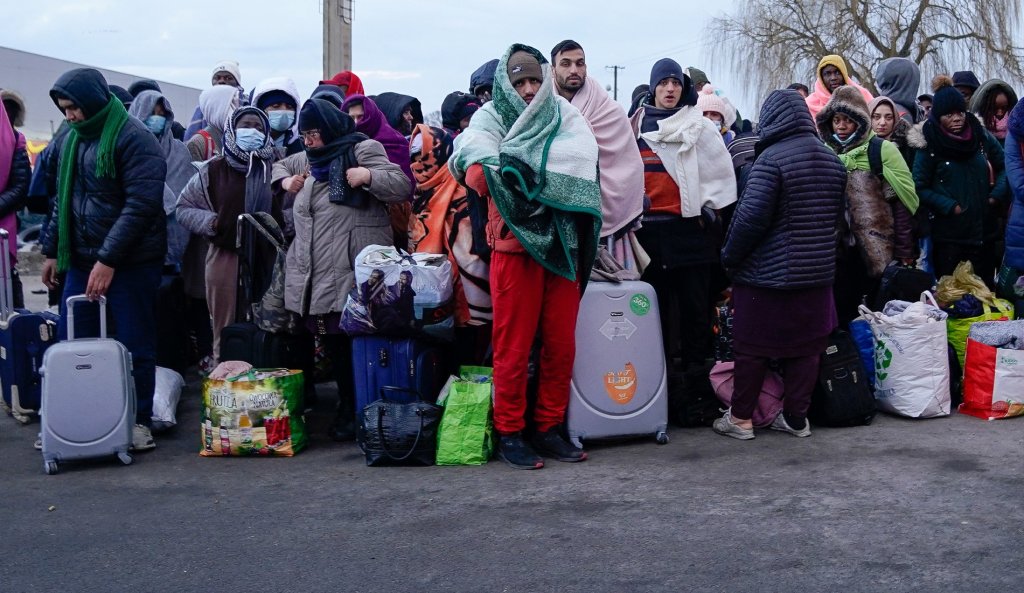
In an age where misinformation spreads rapidly and public trust in media is constantly tested, ethical migration reporting has never been more important. By placing human dignity at the heart of every story, journalists can contribute to informed public dialogue, stronger accountability, and a more compassionate understanding of one of the world's most pressing issues.
.jpeg)


Comments
No comments yet. Be the first 🙂