


1.jpeg)
Sometimes life presents us with moments that last only a few seconds, yet leave an imprint on the heart for a very long time. A few days ago, I experienced one such moment.
As usual, I was about to board the Metro Bus. The women's section was crowded, but everything seemed normal. Suddenly, the door opened and a transgender person stepped inside.
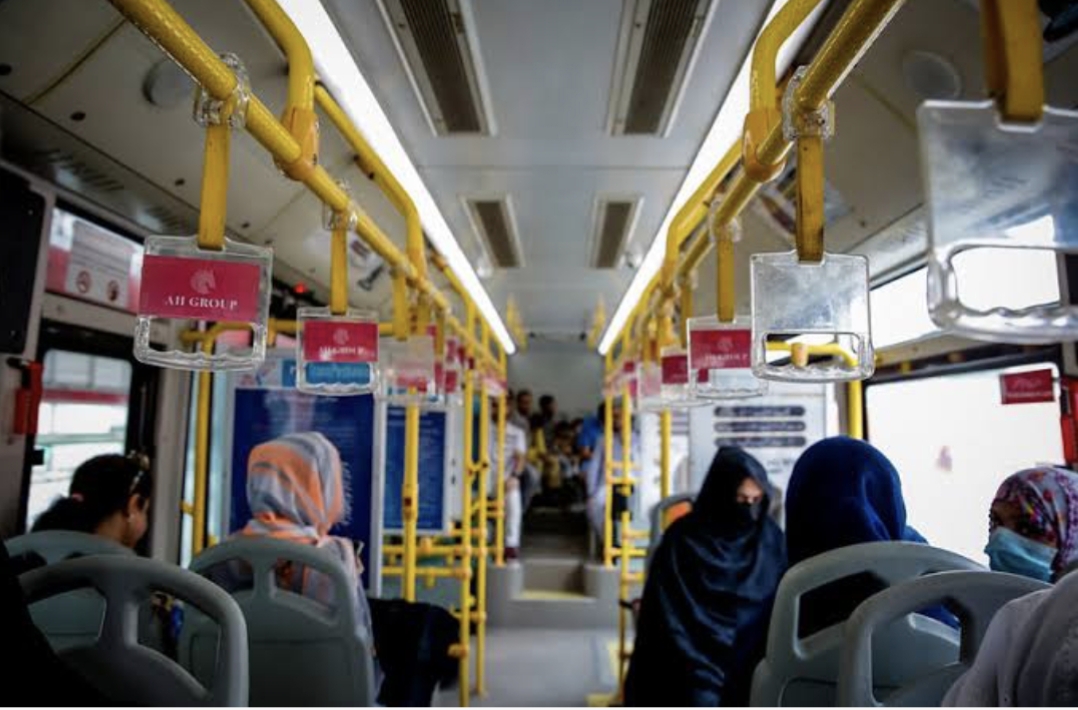
Within moments, the atmosphere changed. Some women nervously moved closer to one another, others immediately stepped aside, and several voices rose at once: “Please go to the men's section.”
The person quietly turned and walked towards the men's compartment. But even there, there was no acceptance. The men also objected, saying, “Don't come here. Go back to the women's section.”
For a few moments, I was completely silent. One question echoed in my mind: Where is this person supposed to go?
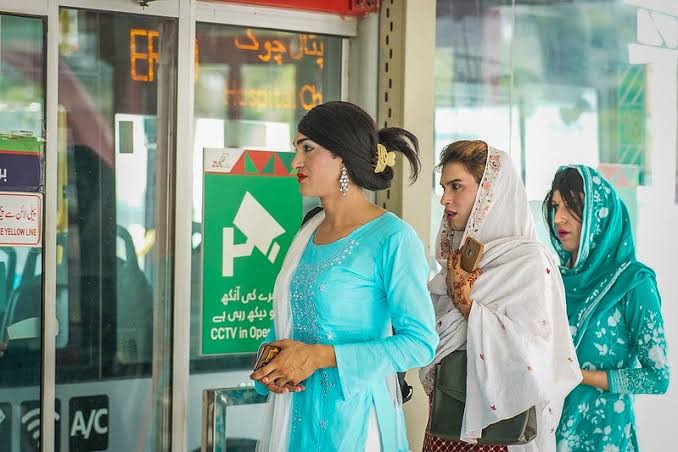
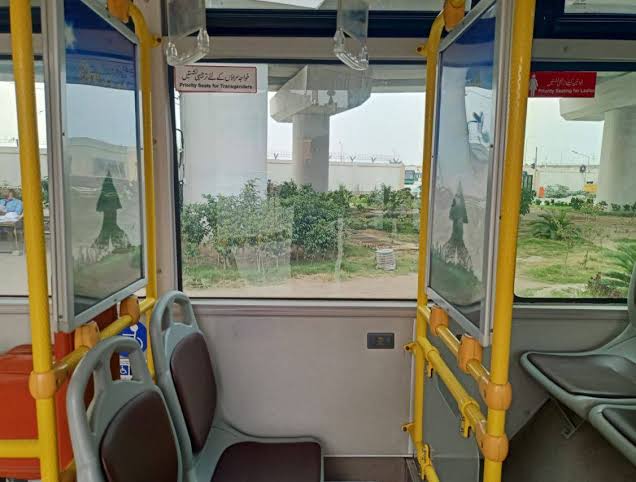
We all know that Metro Buses have designated seats for transgender passengers so that they, like every other citizen, can travel with dignity and comfort. Sadly, those seats are often occupied by someone else. When the rightful passenger arrives, they are forced to ask for a place that already belongs to them.
The same thing happened that day. Someone else was sitting in the reserved seat. Eventually, we called a security guard, the passenger was asked to vacate the seat, and the transgender person was finally able to sit down.
But for me, the real story began after that.
As they sat down, I looked closely at their face for the first time. They were quietly biting their fingernails. Their hands were trembling. They did not argue with anyone, raise their voice, or show any anger. They simply sat in silence—but that silence seemed louder than a thousand words.
Also Read : The First Hour After an Acid Attack Could Save a Face—and a Future
At that moment, I couldn't help but wonder if this was the first time they had been told, "You don't belong here." Perhaps it was a sentence they had heard countless times throughout their life.
Too often, we make assumptions about transgender people the moment we see them. Some treat them as a joke, others fear them, and many simply avoid them because they appear different. Yet we often forget that being different is not a crime.
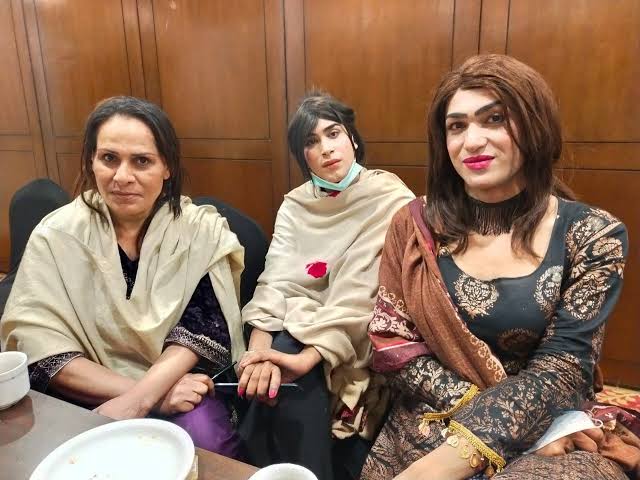
A person's most basic need is not only food, clothing, or shelter—it is also dignity. When someone is repeatedly made to feel that they belong nowhere, it leaves a wound far deeper than any physical injury.
Life is already difficult for the transgender community. They face discrimination in education, employment, healthcare, and access to opportunities. If they must also struggle for a seat during an ordinary bus journey, then the problem is not theirs alone—it reflects the attitudes of society as a whole.
It is also true that every community has both good and bad individuals. Just as not every man is the same and not every woman is the same, not every transgender person is the same. Judging an entire community by the actions of a few is neither fair nor just.
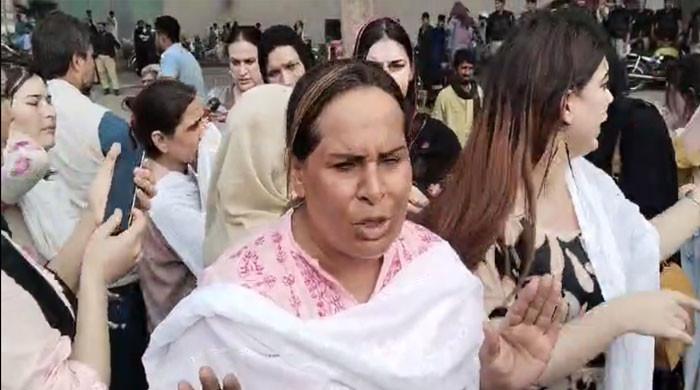
What hurt me the most that day was that no one seemed to stop and think about what the person being pushed from one section to another might have been feeling. Everyone was concerned about protecting their own space, but no one thought about theirs.
We often speak about respecting everyone's rights. But rights are not protected merely by being written into laws—they are upheld through our actions and our behaviour. If a seat has been reserved for someone, allowing them to occupy it with dignity and respect is also our responsibility.
When I returned home that day, the scene refused to leave my mind. I kept thinking about those trembling hands, those lowered eyes, and that silent face. It made me realise that the deepest pain is not always physical. Sometimes it comes from words that make a person feel they have no place in the world.
Perhaps we cannot change society overnight, but we can change the way we treat others. The next time we meet a transgender person, we should at least not deny them a right that has already been recognised as theirs. Granting someone their rights is not an act of kindness—it is an act of justice. And justice is only complete when it is accompanied by dignity, respect, and acceptance.
That day, the transgender passenger may have found their reserved seat on the Metro Bus, but they left me with a question that I still cannot answer.
If every door tells a person, "You don't belong here," then where are they supposed to belong?
Note: This article reflects the personal views of the author. They do not necessarily represent the views of the organisation.
.jpeg)
.png)
1.jpeg)


Comments
No comments yet. Be the first 🙂