


.jpeg)
As crime continues to rise over time, acid attacks remain one of the most heinous forms of violence against women.
A small bottle filled with acid does not only scar a woman's face and body—it also leaves lasting damage to her dreams, future, mental well-being, and self-confidence. The consequences extend far beyond physical injuries, often leaving survivors to face lifelong psychological, social, and emotional challenges.
In many cases, the motive behind such attacks is to destroy a woman's appearance, shatter her confidence, and prevent her from living a normal life in society. Yet, the reality is that many survivors demonstrate extraordinary resilience, overcoming these hardships and rebuilding their lives with greater courage and determination.

A recent acid attack on Dr. Mah Noor at a hospital in Quetta, footage of which went viral on social media, once again highlighted the importance of immediate and appropriate first aid following such incidents. This blog aims to raise awareness about the steps that can significantly reduce the severity of injuries if taken promptly after an acid attack.

To better understand the necessary first aid measures, we spoke with Peshawar-based dermatologist Dr. Nosheen, who explained that immediate and correct action can substantially reduce the extent of damage caused by acid exposure.
Why Is Water the Most Important First Aid?
Acid attacks commonly affect the face, neck, and hands. Since the eyes are among the most delicate parts of the body, they should be rinsed immediately with clean, running water. Delaying this step can significantly increase the risk of permanent vision damage.

The affected skin should also be washed continuously under running water for 30 to 60 minutes. Running water helps dilute and remove the acid, reducing its harmful effects and limiting the depth of burns. Failure to flush the affected area immediately may worsen the injuries and make subsequent treatment more complicated. For this reason, water remains the most effective and readily available first aid measure.
Remove Jewelry Immediately:
If the victim is wearing a watch, rings, bangles, or any other jewelry, these should be removed as soon as possible. Metal objects can trap acid against the skin and contribute to further injury. Removing them promptly helps minimize additional damage.
Also Read : Cousin Marriages in Pakistan: A Deep-Rooted Tradition with Growing Genetic Health Risks

Carefully Remove Acid-Contaminated Clothing:
If acid has spilled onto clothing, contaminated garments should be removed immediately. Instead of pulling clothes over the head, they should be carefully cut away using scissors to prevent the acid from spreading to unaffected parts of the body.
If the clothing has adhered to the skin, it should not be forcefully removed. Instead, continue flushing the affected area with plenty of running water until the acid is washed away. If possible, provide the victim with loose-fitting cotton clothing afterward.
Avoid Home Remedies:
According to Dr. Nosheen, many people mistakenly apply ice, toothpaste, gram flour (besan), aloe vera, honey, oil, ghee, creams, vinegar, lemon juice, baking soda, cotton, or bandages as first aid after an acid attack. However, these remedies have no proven medical benefit and may even worsen the injury.

The correct response is to continuously wash the affected area with running water and immediately transport the victim to the nearest hospital or qualified healthcare provider.
What If Someone Swallows Acid?
If acid has been ingested, the victim should never be forced to vomit, as vomiting would cause the acid to pass through the mouth and esophagus again, resulting in further burns and tissue damage.
Dr. Nosheen also advises against making the victim drink large amounts of water. Since the acid may have already damaged the esophagus and stomach, excessive water can increase pressure on the stomach and, in severe cases, may raise the risk of stomach rupture. If water is necessary, only a few small sips should be given.
Contact Emergency Services Immediately:
Dr. Nosheen emphasizes that emergency services should be notified without delay. When calling, clearly inform responders that the incident involves an acid attack. This allows emergency personnel to take the necessary safety precautions and prepare appropriate medical care before reaching the scene.
Early notification also helps ensure that the victim is transported quickly to the appropriate hospital or specialist, where timely treatment can significantly improve outcomes.
Stronger Regulation of Acid Sales Is Essential:
Medical care alone cannot solve the problem of acid violence. Experts stress that effective enforcement of existing laws and stricter monitoring of acid sales are equally important.
As women are disproportionately affected by acid attacks, the system governing the sale and purchase of acid should be strengthened. Anyone purchasing acid should be required to provide a legitimate reason, and the entire transaction should be properly monitored.
Under Pakistan's Acid Control Act 2011, selling acid requires a police No Objection Certificate (NOC) and a valid license. Acid should not be sold to anyone without a national identity card, and the buyer's name, address, and identification number must be recorded.
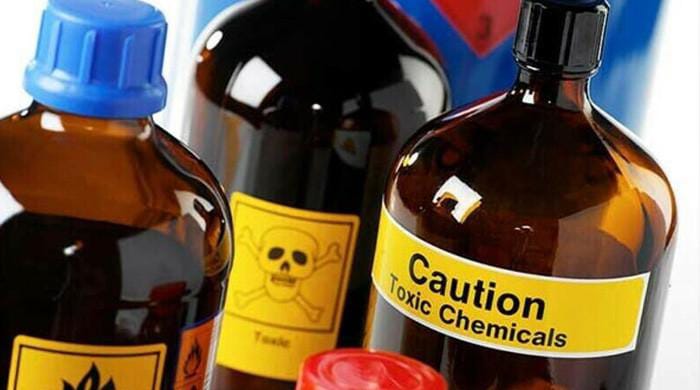
Pakistan already has legislation aimed at preventing acid attacks. However, effective implementation of these laws is crucial. If perpetrators evade justice, the purpose of the law is undermined. Those responsible for acid attacks must face strict legal consequences to deter future crimes and ensure greater protection for potential victims.
Disclaimer: This article reflects the author's personal views and does not necessarily represent the views of the organization.

.jpeg)
.png)
1.jpeg)



Comments
No comments yet. Be the first 🙂