


By Iman Zahir Shah
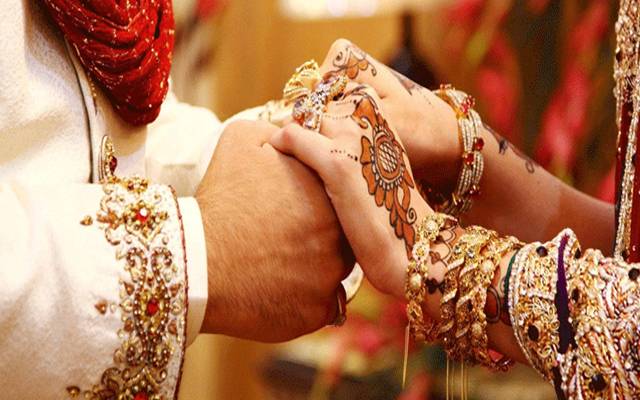
Consanguineous marriages in Pakistan, meaning marriages between close relatives—especially first cousins—are a common social tradition. Such marriages are generally considered a means of strengthening family trust, maintaining family ties, and preserving the family system. However, medical experts say that marriages between close relatives may increase the risk of certain inherited diseases and health problems.
Rate of Cousin Marriages in Pakistan:
According to various national and international studies, Pakistan is among the countries with the highest rate of cousin marriages. The Pakistan Demographic and Health Survey (PDHS) and other research reports indicate that approximately 60 to 63 percent of marriages in the country occur between close relatives, with the majority being first-cousin marriages.
What does research say?
Medical experts say that cousin marriages are linked to an increased risk of genetic disorders and birth defects. Birth defects refer to physical or mental conditions present in a child at birth, such as heart structural defects, hearing or vision problems, or abnormal physical development.
Similarly, according to a study published on BioMed Central, an international platform for medical and biological research, the trend of consanguineous marriages in Pakistan has remained almost stable over the past three decades and has also been associated with certain reproductive and health-related issues.
What is a hereditary disease?
According to Dr. Abubakar Sadiq, a postgraduate resident in the Department of Pediatrics at Lady Reading Hospital Peshawar, a hereditary disease is a condition that is passed from parents to children through genes.
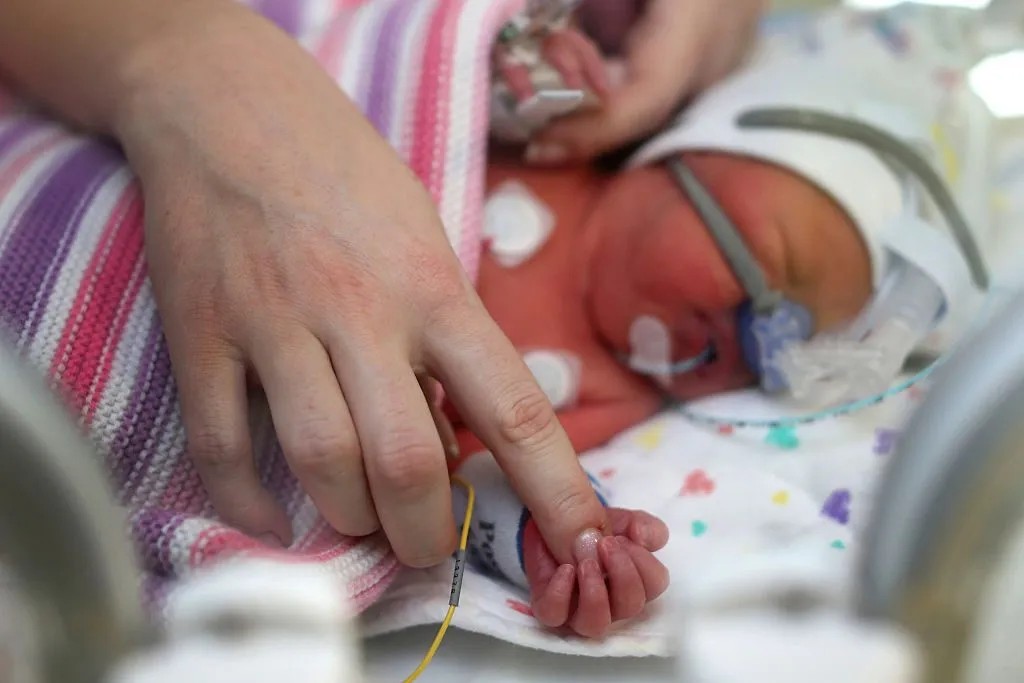
He explained that genes in the human body store information about body structure, growth, and various physical traits. Sometimes genes related to diseases are also passed from generation to generation. Diseases transmitted through genes from parents to offspring are called hereditary diseases.
What is a gene and why does the risk increase in cousin marriages?
According to Dr. Abubakar Sadiq, a gene is the basic hereditary unit of the human body that is passed from parents to children.
He said that each child receives half of their genetic information from the mother and half from the father. Since first cousins have a relatively similar genetic background, the chances of inheriting the same disease-related genes in children may increase. First cousins include the children of paternal uncles, maternal uncles, paternal aunts, and maternal aunts.
Also Read : Beyond Religious Education: Why Madrasa Students Need Skills for the Future
He further explained that most hereditary diseases appear when a child inherits the disease-related gene from both parents.
He said that if both parents carry a gene for a particular disease, then in each pregnancy there is a 25% chance that the child will develop the disease, a 50% chance that the child will carry the gene, and a 25% chance that the child will be completely free of it.
Which diseases may have increased risk?
According to Dr. Abubakar Sadiq, certain genetic diseases may be more common in children born from cousin marriages.
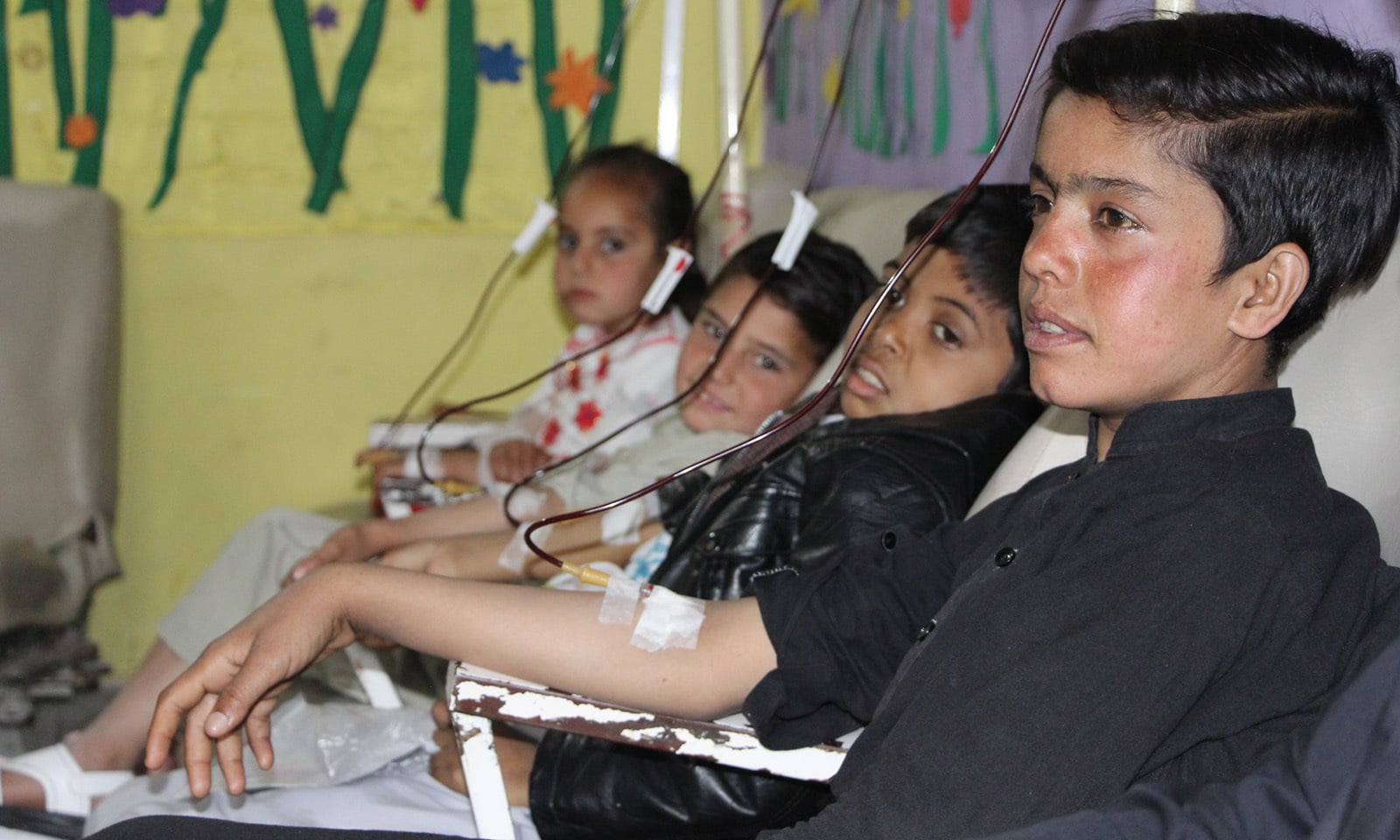
He said that thalassemia is one such disease. It is a hereditary blood disorder in which the body cannot produce enough healthy red blood cells, and the patient may require regular blood transfusions.
He added that congenital heart diseases are also observed, meaning structural or functional problems in the heart present at birth.
According to him, some children may also suffer from inborn errors of metabolism, a group of hereditary conditions in which the body has difficulty converting food into energy or performing certain chemical processes.
He further stated that epilepsy, muscular dystrophy, and developmental delays may also be seen in some cases.
Dr. Abubakar Sadiq said that in his professional life, he has treated many children suffering from hereditary diseases. He mentioned cases of thalassemia major requiring regular blood transfusions, as well as cases of inborn errors of metabolism, seizures, congenital heart diseases, and developmental delays.
Why is genetic screening before marriage important?
According to Dr. Abubakar Sadiq, genetic screening before marriage can help reduce potential risks. If it is found before marriage that both the boy and girl carry genes for a certain disease, they can be informed about possible risks and given appropriate medical advice.
He explained that genetic counseling is a medical service in which experts evaluate a family’s medical history, risks of hereditary diseases, and possible effects on future generations.
He said that families with a history of hereditary diseases should especially undergo genetic screening before marriage.

.jpeg)
.png)
1.jpeg)



Comments
No comments yet. Be the first 🙂