


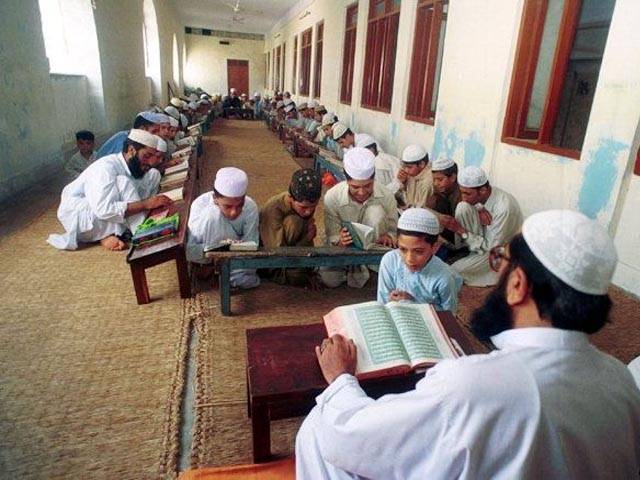
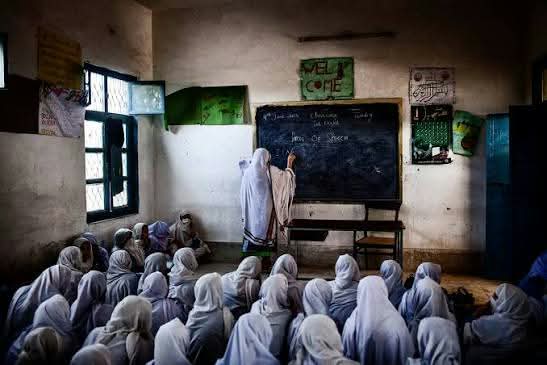
In our society, religious seminaries (madrasas) hold an important and respected position. For centuries, these institutions have played a significant role in teaching Islam, preserving the Quran and Hadith, and providing moral and spiritual guidance.
Every year, thousands of scholars, teachers, and religious leaders graduate from these seminaries and serve society. Parents also send their children to madrasas with the hope that they will gain a proper understanding of religion, learn good morals, and become practicing Muslims who contribute positively to society.
There is no denying that madrasas have rendered invaluable services in preserving and spreading Islamic knowledge. However, as society evolves, its needs and challenges also change.
In today's world, religious education alone is often not considered sufficient. Practical skills, professional abilities, and familiarity with modern knowledge have become essential for a successful life. Therefore, there is a growing need to thoughtfully examine the madrasa system so that, alongside religious education, students can also be provided with a dignified, confident, and self-reliant future.
Also Read : Big Drop in Fuel Prices as Govt Passes on Relief to Public
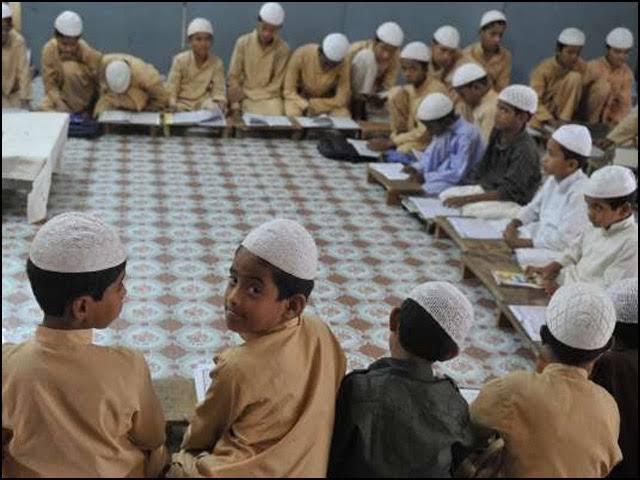
In some areas, it is customary for madrasa students to visit homes or neighborhoods to seek assistance in the form of food, groceries, or financial support. While various objectives are associated with this practice—such as teaching humility, patience, service to others, and building connections with the community—it is also important to consider its potential negative effects.
Young children are still developing their personalities, and if they are repeatedly exposed to situations where they must depend on others for support, it may sometimes lead to feelings of inferiority, dependency, or a lack of self-confidence. Every child has the right to grow up with dignity, self-respect, and confidence.
Today is the age of skills and technology. Around the world, education is not only about providing information but also about preparing individuals for practical life. If a student acquires a skill alongside religious education, they can not only support their family but also become more beneficial to society.
Basic computer education, graphic design, language skills, electrical work, mobile phone repair, digital marketing, online freelancing, handicrafts, agricultural skills, and the fundamentals of small business management are all areas that can bring positive change to students' lives.
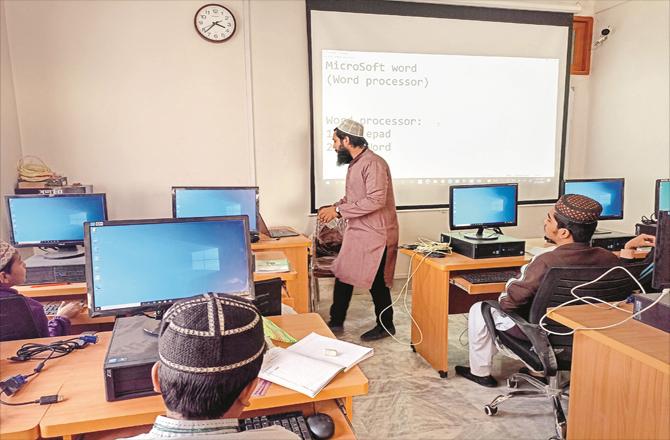
In addition, financial literacy has become an important necessity. If students are taught from an early age about saving, budgeting, the basics of business, and responsible financial planning, they can make better economic decisions in the future. Similarly, basic computer and internet education can help them stay aligned with the demands of the modern world.
Encouragingly, some madrasas in Pakistan have recognized this need and have taken steps to adapt to modern requirements. Whenever I see such initiatives on social media, they inspire hope that positive change is possible.
Some institutions are now offering contemporary education, computer training, and even opportunities for O-Level and A-Level studies alongside religious education, enabling students to progress in both religious and worldly spheres.
Certainly, not every madrasa has the resources, trained teachers, or infrastructure required to implement a fully modern educational system or launch O-Level and A-Level programs. However, even if such large-scale reforms are not feasible, basic skill development can still be provided. Small-scale computer classes, language training, vocational courses, introductory business education, and career counseling can have a positive impact on students' futures.
At the same time, moral training and the promotion of self-respect are equally important. Islam teaches hard work, self-reliance, and dignity. The Prophet Muhammad (PBUH) described earning through one's own labor as the best form of sustenance. Islamic history is also filled with scholars and hadith experts who pursued various professions alongside their academic work. This demonstrates that knowledge and self-sufficiency complement one another.
If a student is both knowledgeable in the Quran and Hadith and skilled in a practical field, they can play a more effective role in society. Through their abilities, they can earn a respectable livelihood and serve both religion and society more effectively.
Modern skills help shape students' personalities, build self-confidence and leadership qualities, and prepare them to face the challenges of practical life. Therefore, the purpose of madrasa reform is not to diminish the importance of religious education but to harmonize it with the requirements of the modern age. When faith, ethics, knowledge, and skills come together, a balanced and successful individual emerges.
Today, there is a need for parents, religious scholars, and madrasa administrators to work together in creating an educational environment where students can acquire both religious knowledge and essential practical skills. This will enable them to face future economic challenges more effectively and fulfill their religious and worldly responsibilities in a better manner.
In conclusion, religious education is indispensable for our identity and spiritual development, but practical skills and vocational training are also essential necessities of our time. If madrasas can successfully promote this balance, they can nurture a generation that is deeply connected to its faith, economically self-sufficient, and beneficial to society.
Note: This article reflects the personal opinion of the author and does not necessarily represent the views of the organization.
.jpeg)
.png)
1.jpeg)
Comments
No comments yet. Be the first 🙂