


1.jpeg)
Online sexual blackmail, also known as sextortion, has become a growing threat to children and young people. The problem is occurring on social media platforms and mobile apps that young people use in their daily lives.
Experts say victims of sextortion often do not tell anyone because of fear, shame and psychological stress. Some young people also do not know where to seek help when they find themselves in such situations.
The United Nations children’s agency UNICEF has launched a social media service to raise awareness and provide support in this regard. UNICEF experts have highlighted the risks of sextortion and ways to deal with it.
What is sextortion?
Sextortion occurs when a criminal threatens to share a person’s sexual chats, nude images or videos publicly and demands more sexual content or money in return.
What is the link between sexting and sextortion?
Sexting refers to the online exchange of nude or semi-nude images and videos. Experts say that once an image or video is shared, it can be used for blackmail. In such cases, the offender is not always a stranger. They may also be a friend, former partner or someone the victim knows.
Also Read : ‘KP govt should focus on people, not one prisoner’: Tarar
What role does artificial intelligence play?
The growing use of artificial intelligence has made the threat more complex. Experts say that “nudify” apps and generative AI can be used to create fake nude images of young people even when no real nude image exists, which can then be used for blackmail.

What impact does sextortion have on young people?
Young people who fall victim to sextortion may experience fear, shame, psychological stress and anxiety. Experts say some victims become so distressed that they may take extreme steps, including self-harm or suicide.
What should parents do?
Experts say parents should openly talk to children about their online activities and assure them that if they face a problem, they will receive help rather than punishment.
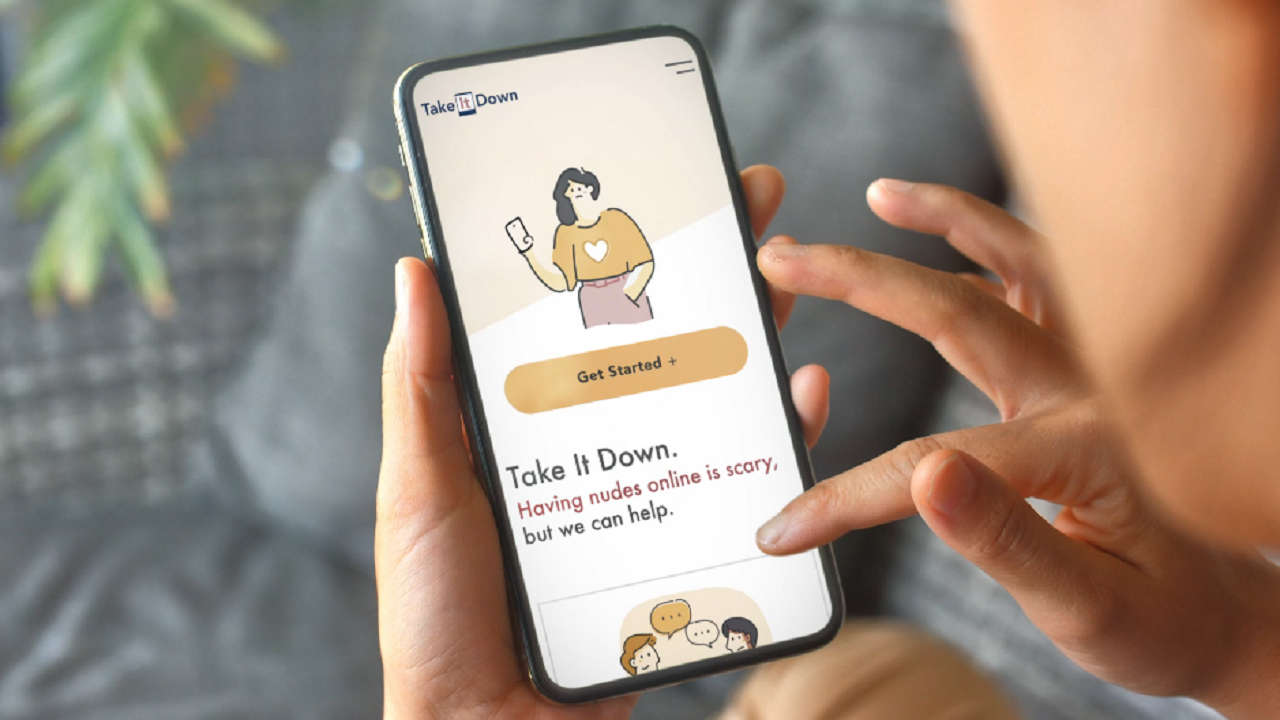
In the event of an incident, parents can contact the police, the relevant school or a child helpline. Free services such as “Take It Down” are also available to help remove images or videos posted online.
Experts say basic awareness, open communication between parents and children, and seeking help promptly are important steps to protect children and young people from online risks.


.jpeg)


.jpeg)
Comments
No comments yet. Be the first 🙂