


By Khaula Zarafshan
Weddings in the old days were certainly simple, but the love, sincerity and happiness reflected in that simplicity are rarely seen in today's extravagant celebrations.
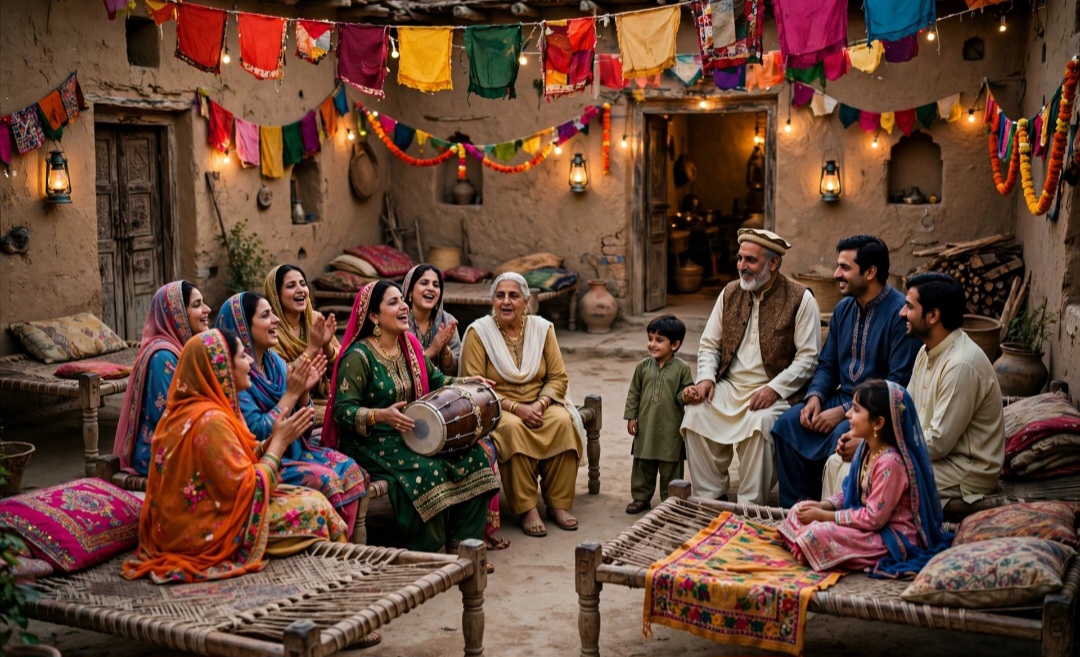
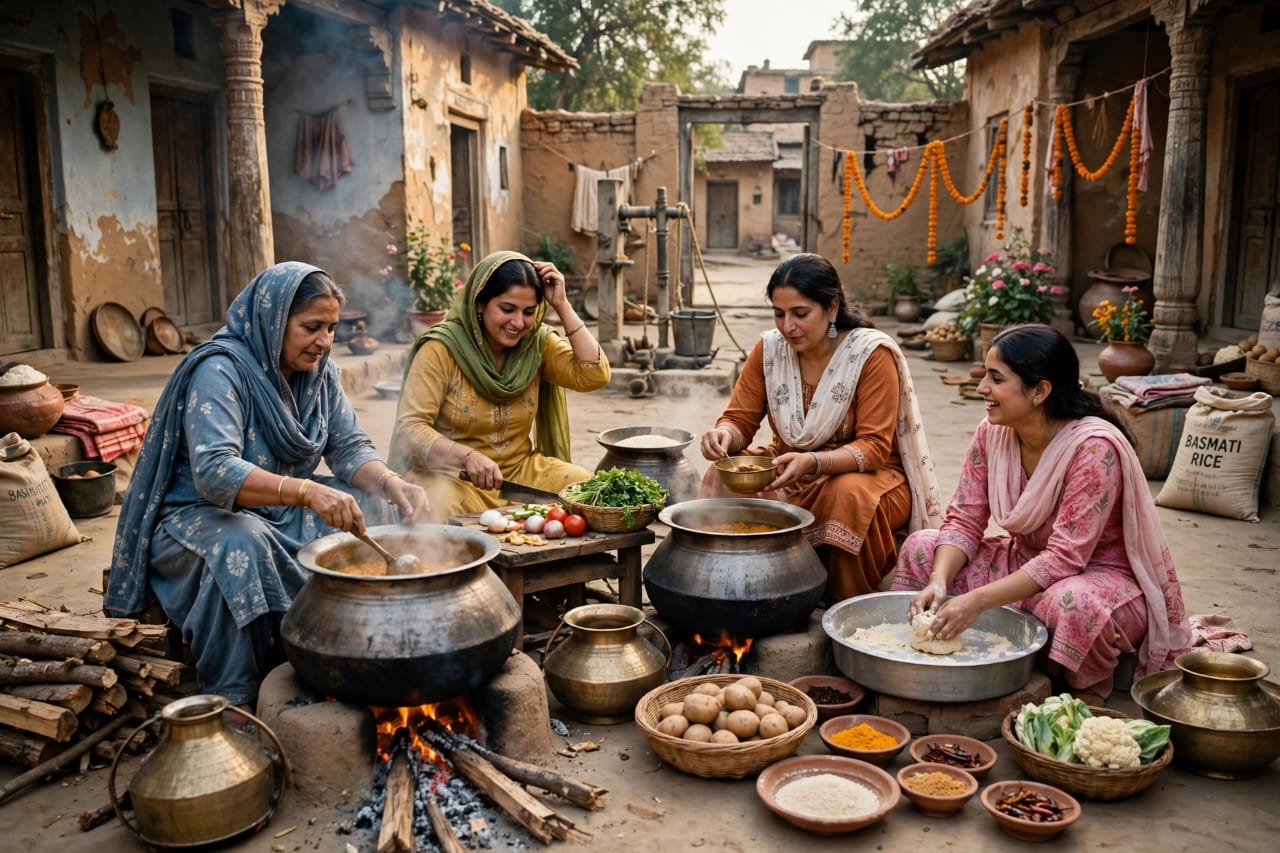
There were no grand wedding halls or lavish ceremonies. The spacious courtyard of a family home served as the centre of wedding celebrations. Charpoys were arranged, colourful fabrics were used for decoration, and the entire neighbourhood joined in the celebrations like one big family.
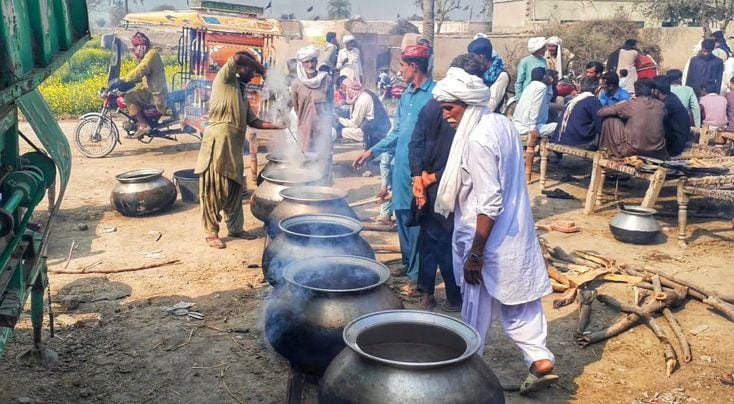
There was no need to hire outsiders for hospitality. Female relatives took care of everything themselves. Some prepared food, others served tea to guests, while a few stayed busy getting the bride ready. Every hand was occupied, and every heart was filled with happiness. In those days, prayers and good wishes were considered the greatest gifts.
Wedding celebrations were not limited to a single day. They began several days in advance. Relatives from faraway places were warmly invited. Some travelled on foot, others arrived in horse-drawn carriages, while some made the journey by car.
The arrival of guests brought life and excitement to the house. As evening approached, the sound of the dholak filled the air, and women sang traditional wedding songs. These songs needed neither a stage nor a microphone because their voices were filled with warmth and happiness. Children played in the courtyard, elders exchanged greetings and caught up with one another, and it felt as if the entire village had become one big home.
Although wedding rituals were simple, they were full of love and affection. Every tradition reflected respect for elders, love for younger family members and the sweetness of family relationships.
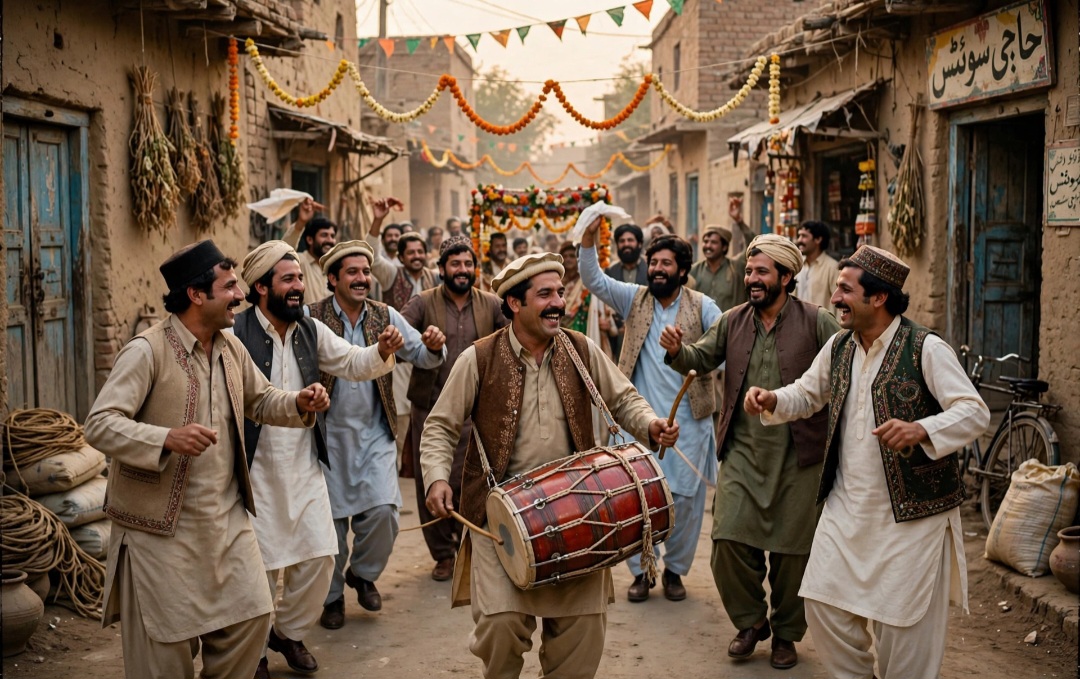
One of the most emotional traditions was bidding farewell to the bride in a doli (traditional bridal palanquin). The bride was lovingly seated in the doli, and the wedding procession followed behind her. The beat of the dhol led the way as guests sang joyful traditional songs. At that moment, prayers and sincerity mattered far more than appearances and extravagance.
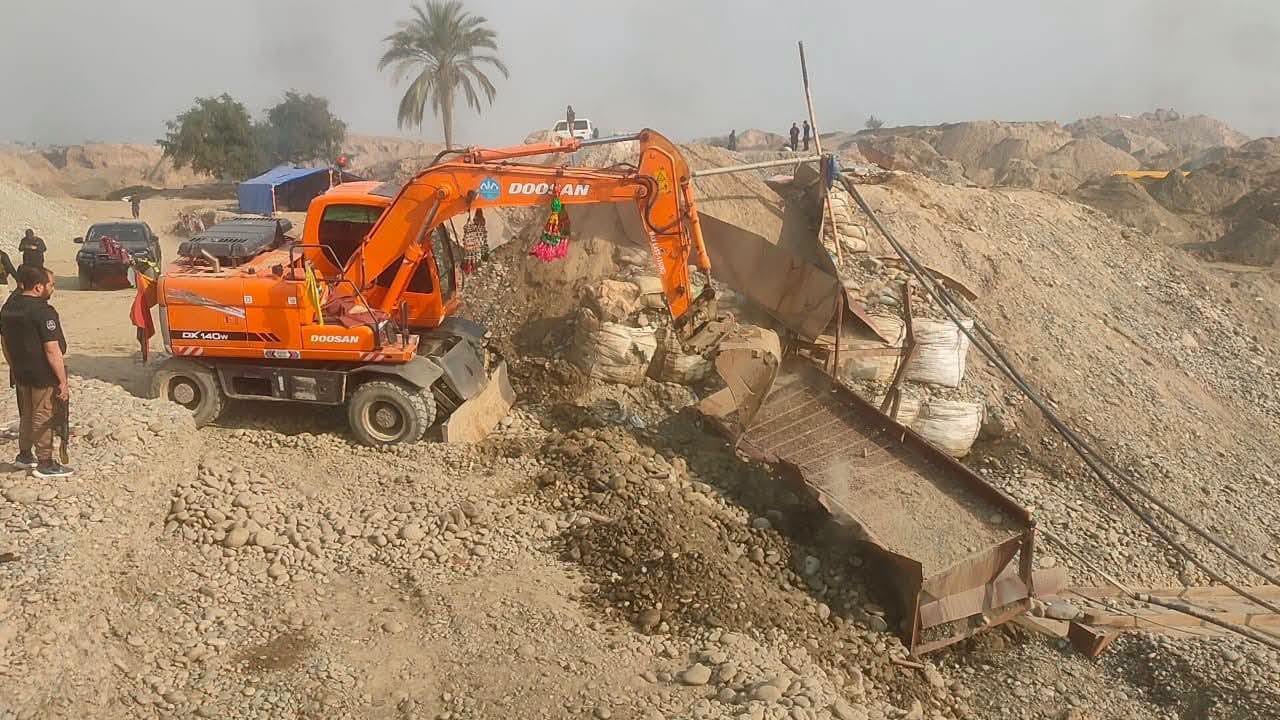
Also Read : KP Authorities Launch Massive Crackdown on Illegal Gold Mining
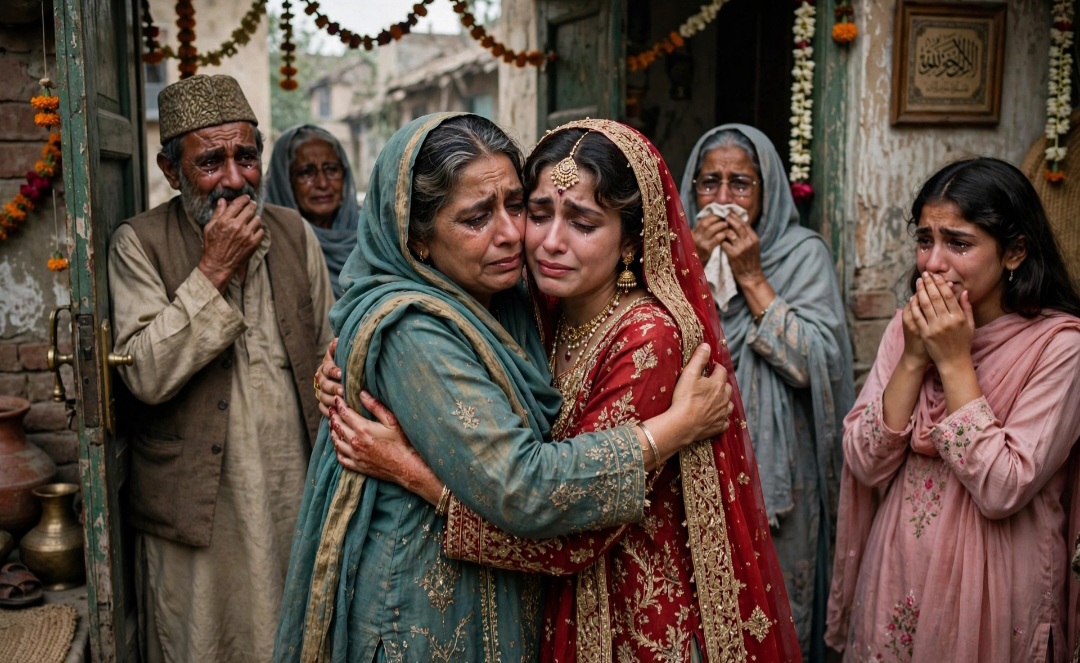
Meanwhile, the bride's family bid her farewell with prayers and tears. It was not merely a ritual but an deeply emotional moment for the entire family. A mother's prayers, a father's affection, sisters' tears and brothers' silent love made the farewell unforgettable.
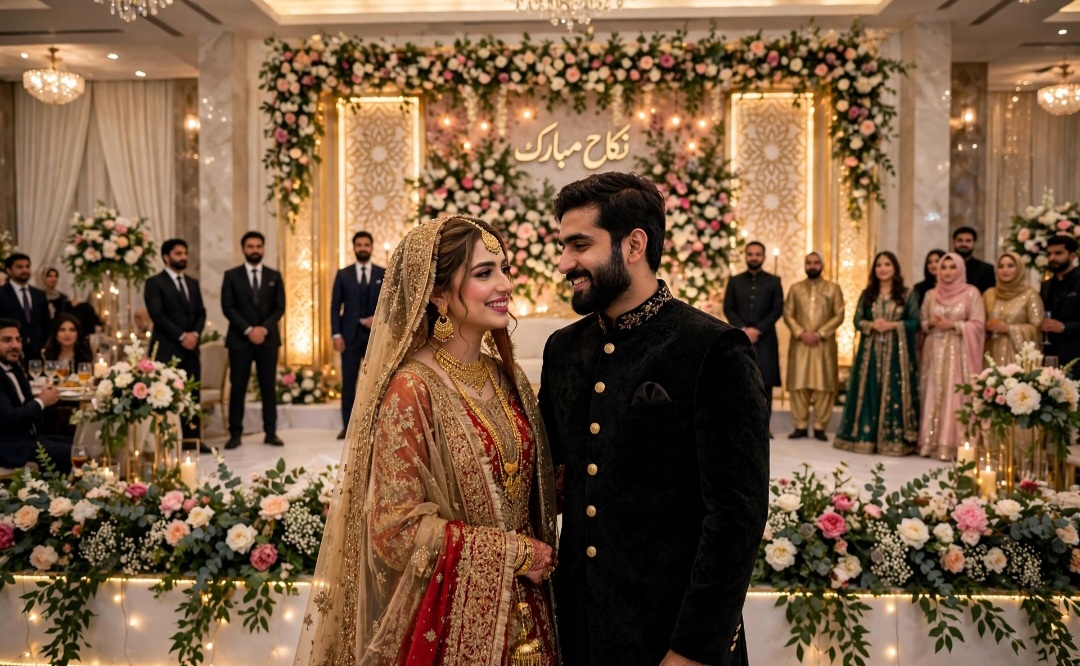
With the passage of time, cars replaced the traditional doli, and wedding customs also changed. Today, most wedding celebrations are held in marriage halls, where guests attend for a few hours before returning to their homes. Some families invite only a limited number of guests, while many traditional customs are gradually disappearing.
Modern weddings feature elaborate lighting, decorations and arrangements, but the old tradition of collective happiness and neighbourhood participation has changed. Several new customs have also been introduced, adding to the overall cost of weddings.
Perhaps these old traditions have not disappeared on their own; rather, changing times, circumstances and our priorities have pushed them into the background. Instead of considering simplicity outdated and extravagance necessary, we should give greater importance to sincerity, mutual cooperation and togetherness. This would make weddings not only more affordable but also more meaningful and memorable.
A wedding is not just a celebration; it marks the beginning of a relationship between two families. By preserving simplicity, love, the blessings of elders and the importance of family bonds, we can keep the true spirit of these celebrations alive.


Comments
No comments yet. Be the first 🙂