


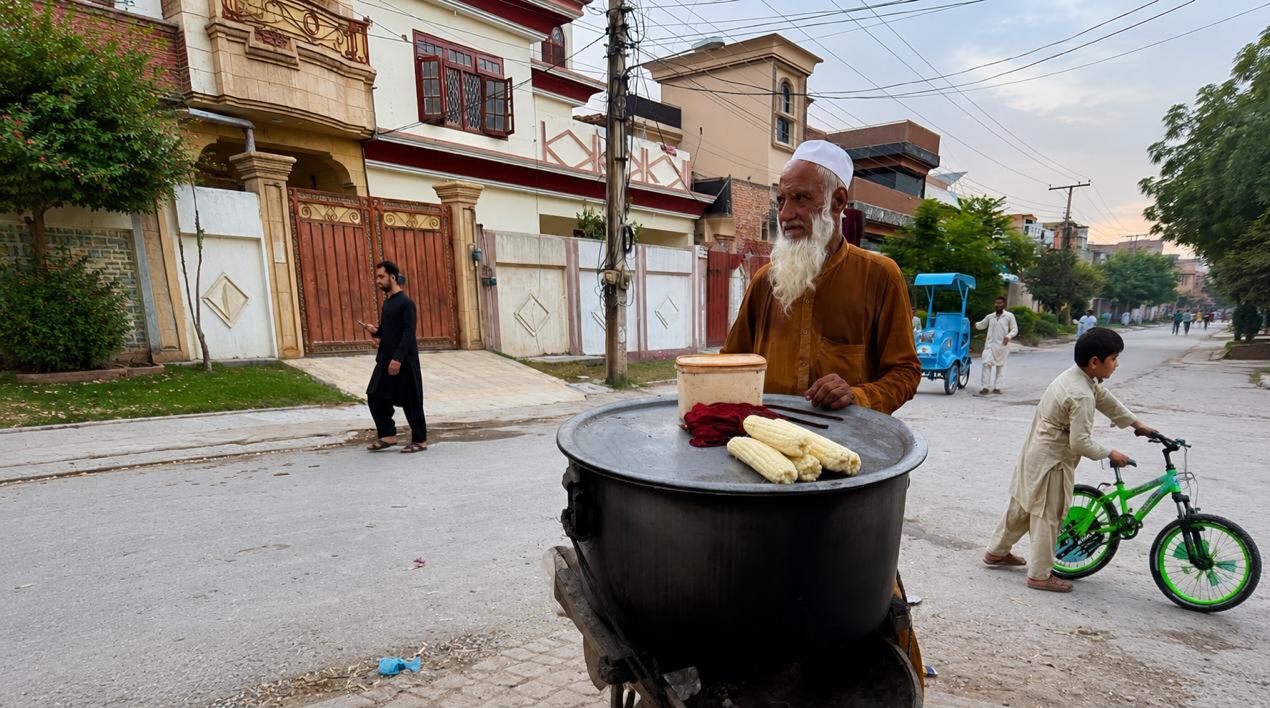
On an ordinary street in Peshawar, an elderly man stands behind a small corn cart, quietly waiting for customers. At first glance, it may look like an ordinary street scene. A few ears of corn lie on a large metal pot, a small container sits beside them, and the old man stands patiently behind his cart.
But if we look a little closer, we see something much deeper. We see a man with a white beard, tired eyes, and hands that still carry the strength of a lifetime of hard work. We see a man who, despite his age, leaves his home every day to earn enough money to feed his family. This is not simply a story about selling corn. It is a story about poverty, responsibility, dignity, and a father’s love for his family.
There comes a time in life when a person should be able to rest. After spending decades working, raising children, and carrying the responsibilities of a family, old age should bring peace and security. But poverty does not always allow people to grow old peacefully. For this elderly man, age has not brought retirement. It has brought another responsibility to continue working for the food on his family’s table.
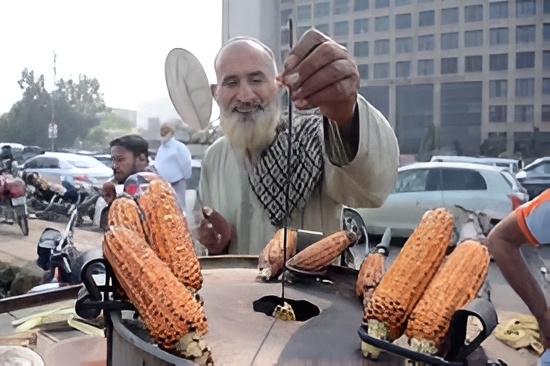
Whether the sun is burning overhead or the winter cold is cutting through the streets, he has to leave his home and bring his small cart to the roadside. He waits for customers, prepares the corn, and spends long hours standing or sitting beside his cart.
Perhaps at the end of the day, the money he earns may seem very little to many of us. But for him, those few hundred rupees can mean dinner for his family. They can mean flour for the next day, medicine, electricity, or another basic household expense. Behind every small sale may be a family waiting at home.
That is what makes this picture so powerful. We often pass people like him without stopping. We see street vendors every day, but rarely ask ourselves what brought them there.
Also Read : The Flour We Used for Flags, the Flour We Now Struggle to Afford
How many responsibilities are hidden behind that tired face? How many worries does he carry silently? How many times has he left home despite being exhausted because he knew that if he stayed home, there might not be enough food for his family?
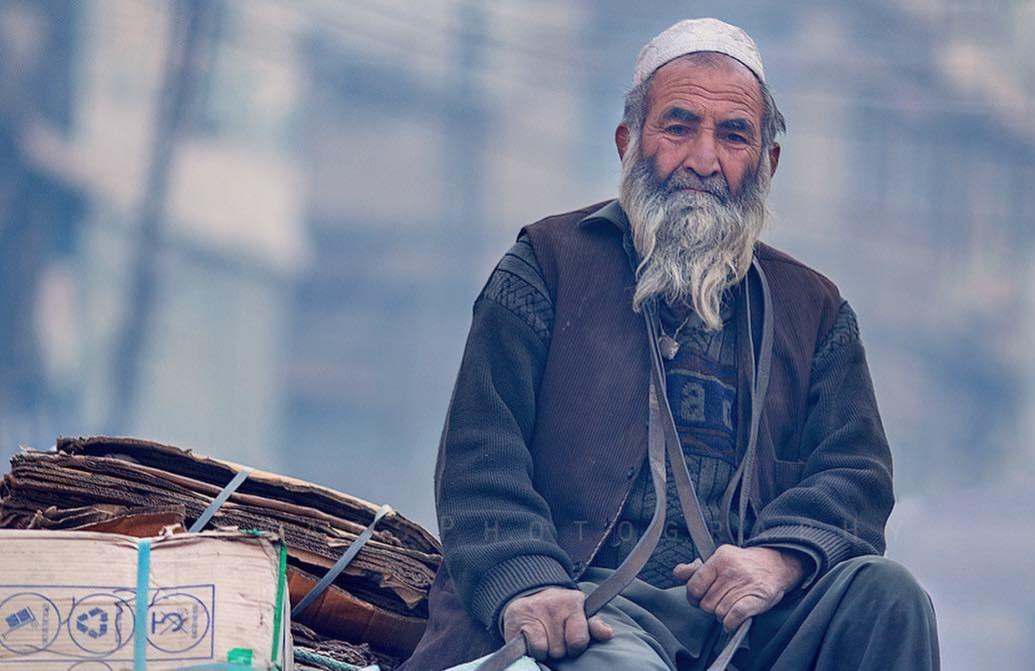
And perhaps the most painful question is this: What does it feel like to reach old age and still have no choice but to work? Some people ask for charity when life becomes difficult. Others choose a different path. They hold on to their dignity and try to earn whatever they can through honest work.
This elderly man appears to be one of them. He is not standing on the street with his hand stretched out. He is standing behind a cart. He is selling corn. He is working. And there is something deeply honorable about that. His cart may be small, but his dignity is not. His clothes may be simple, but the responsibility he carries is enormous. His earnings may be modest, but they are earned through his own effort.
We should never romanticize poverty or say that an elderly person should simply continue working because he is “strong.” An old person working out of choice is one thing; an old person working because poverty has left him no alternative is something entirely different. This is where society and government must look beyond the photograph.
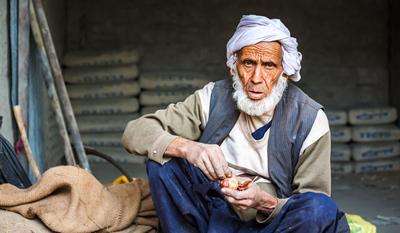
How many elderly people like him are living without pensions, social protection, healthcare, or a reliable source of income? How many are forced to work under the scorching summer sun and in freezing winter weather simply because they cannot afford to stay home?
The government should create stronger social protection systems for vulnerable elderly people. Those who have spent their lives working for their families deserve support in their later years. Financial assistance, accessible healthcare, food support, and small-business assistance could help elderly workers live with greater security and dignity.
Local authorities and community organizations can also identify elderly people who are struggling to meet basic household needs and connect them with available assistance. But government support alone is not enough. As a society, we also have a responsibility.
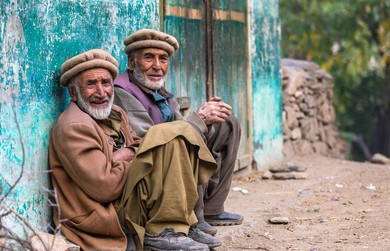
The next time we see an elderly street vendor, perhaps we should not look away. If we can afford to buy from them, we can support their work. If we can help without humiliating them, we should. And most importantly, we should treat them with respect.
Because not every poor person wants charity. Some people simply want an opportunity to earn an honest living without losing their dignity.
This elderly man’s white beard tells the story of his age. His hands tell the story of his labor. His corn cart tells the story of his struggle. And his presence on the street tells us something we should never ignore: Poverty does not disappear when a person grows old. Sometimes, it becomes even harder to carry. Perhaps somewhere, a family is waiting for him to return home tonight.
Perhaps someone is waiting for the food he will bring. And perhaps, despite all the difficulties, he will return with a small amount of money and a quiet sense of relief—knowing that once again, he did what he could for the people he loves.
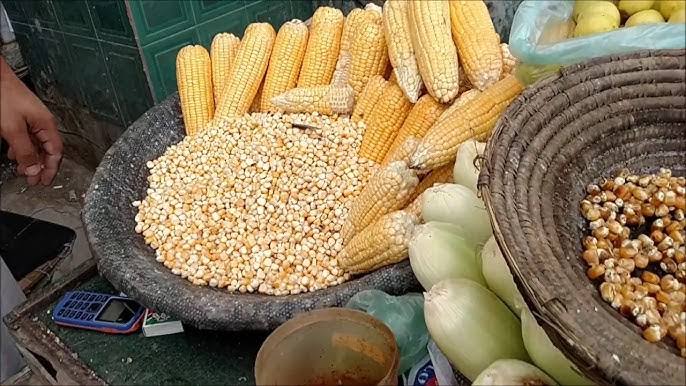
This is not just a corn cart. It is a moving symbol of a father’s responsibility, a family’s hope, and a man’s determination to protect his dignity. His story asks us to stop for a moment and look beyond the cart. To look at the human being behind it. Because behind every street vendor, there may be a family.
Behind every tired face, there may be years of sacrifice. And behind every elderly worker, there may be a lifetime that deserves not pity alone, but respect, protection, and dignity. He is selling corn, but what he is really protecting is his family’s hope. And perhaps the greatest question this picture leaves us with is not, “Why is this old man still working?” It is: Why has our society not done enough to let him rest?
.jpeg)
.png)
1.jpeg)



Comments
No comments yet. Be the first 🙂