


_(1).jpg)
In the hope of a better future, employment, and a prosperous life, hundreds of young people from Khyber Pakhtunkhwa attempt to reach Europe through irregular migration every year. Many of them, however, fall victim to human smugglers, end up in detention centers in Libya, or lose their lives in the Mediterranean Sea.
These tragedies not only shatter the dreams of the young migrants but also leave their families struggling with psychological trauma, financial hardship, and years of uncertainty.
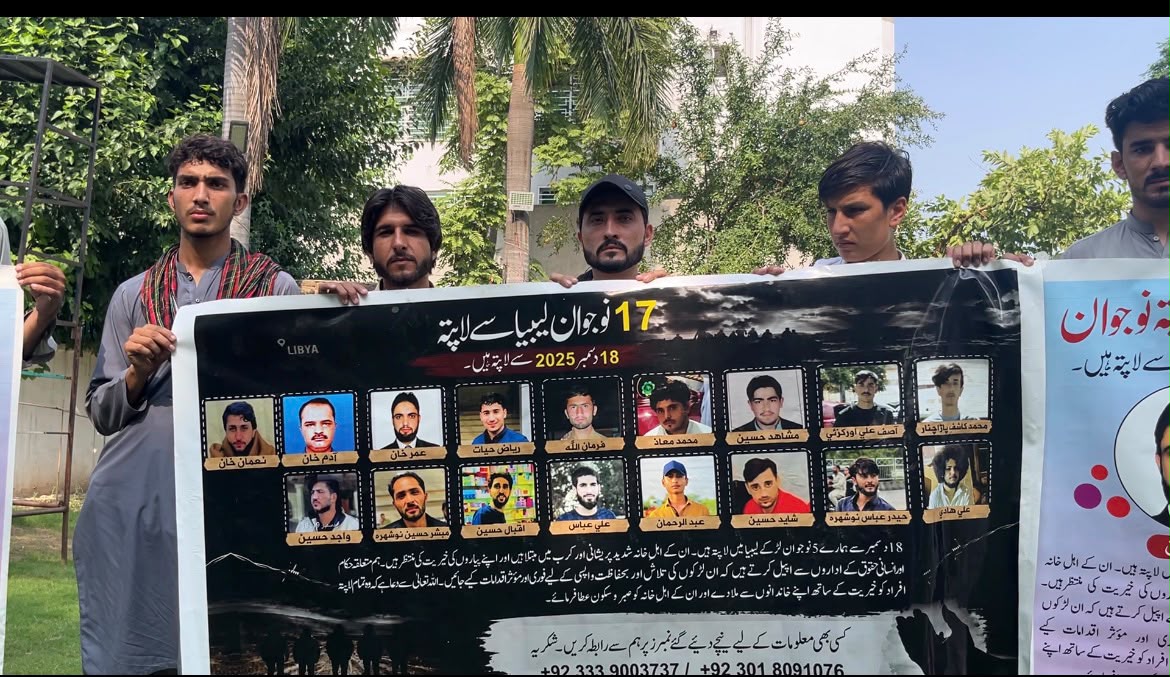
During a press conference at the Peshawar Press Club, relatives of Pakistanis detained in Libya said that in December 2025, 37 people from different districts of Khyber Pakhtunkhwa were arrested in Libya while attempting to reach Europe. According to them, they had no information about their loved ones for the first six months, until they eventually learned that Libyan authorities had taken them into custody.
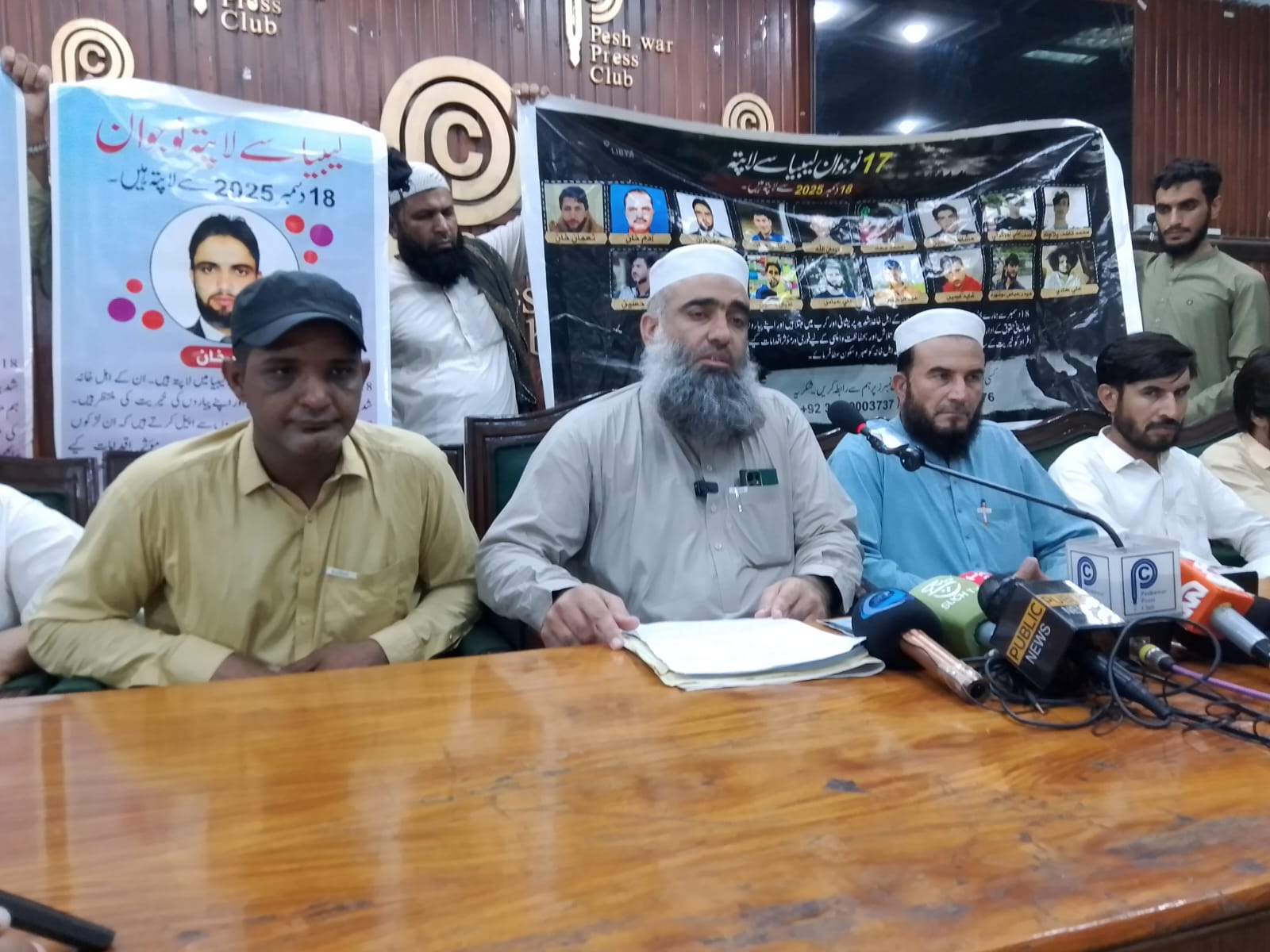
Salamat Khail, a resident of Peshawar, said his young son is currently imprisoned in Libya. He explained that his son, who had been unemployed, left home without consulting the family after contacting a smuggling agent.
The journey took him from Karachi to Colombo, then Dubai, Egypt, and finally Libya. Salamat Khail said that on December 25, 2025, his son called for the last time, informing the family that he was about to board a boat for Italy. Since then, they have had no contact with him.

Also Read : Too Hot to Work, Too Poor to Stop: The Climate Crisis Facing Pakistan's Labourers
Salman Khan, the brother of 25-year-old Nauman from the Pulosa area of Peshawar, said that due to unemployment and poverty in Pakistan, his brother borrowed money and secretly decided to travel to Europe. Instead, he was arrested in Libya. Nauman left behind two children, his mother, and his wife, who are still waiting for his return.
Salman said the family tries to remain hopeful every day, but Nauman has neither reached Europe nor returned home. Whenever his name is mentioned, the entire household falls into grief. In addition to the burden of repaying loans, prolonged uncertainty has caused severe emotional distress for several family members.
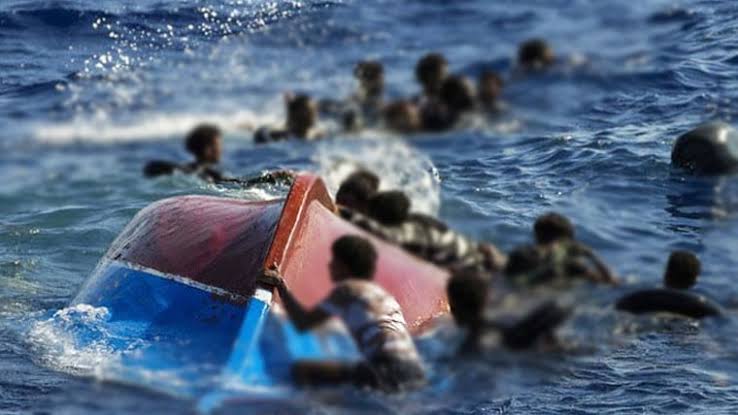
According to Pakistan's Ministry of Foreign Affairs, around 60 Pakistani migrants lost their lives in a boat accident near the Libyan coast in February 2025.
The International Organization for Migration (IOM) reported that irregular migration from Pakistan increased by 280 percent between 2021 and 2023. According to the report, 8,728 Pakistanis reached European countries through irregular routes in 2023.
The IOM describes the Mediterranean route as one of the world's deadliest migration corridors. Since 2014, more than 33,000 people have died or gone missing along the Central Mediterranean route, while 1,842 deaths or disappearances were recorded in 2024 alone.
A joint report by the IOM and the UN Refugee Agency (UNHCR) found that more than 127,000 people attempted to reach Europe from Libya, Tunisia, and Algeria in 2024. Although this represented a decline compared to the previous year, the sea route remains one of the most dangerous migration pathways.
Why do young people from Khyber Pakhtunkhwa choose irregular migration?
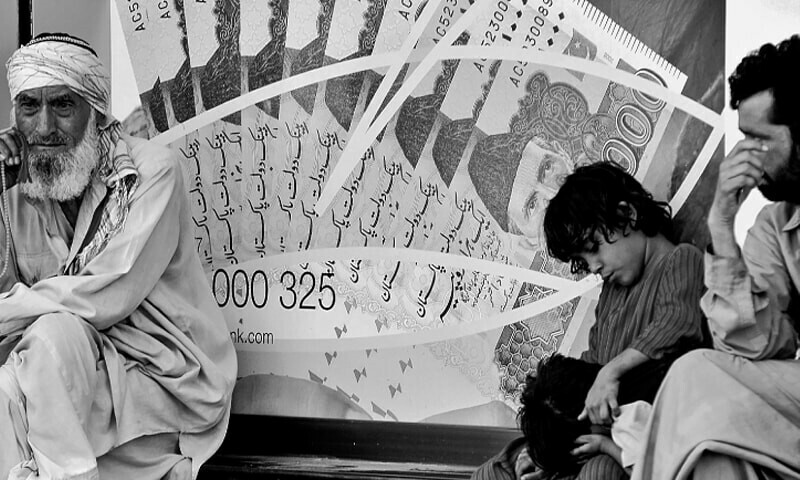
Khyber Pakhtunkhwa has faced years of insecurity, unemployment, and economic hardship. Declining business activity, limited industrial development, and a shortage of employment opportunities have pushed many young people to seek opportunities abroad.
Ayub Khan, the uncle of Farmanullah, a young man detained in Libya from Bajaur district, said that unemployment and economic insecurity over the past decade have forced many young people to leave the country. However, lacking the financial resources required for legal migration, many turn to irregular routes.
He added that the success of a few migrants in reaching Europe encourages others to follow the same path.
Social activist Ishaq Hussain from Kurram district said irregular migration has increased significantly across Khyber Pakhtunkhwa, particularly in the merged tribal districts.
Human smugglers lure young people with promises of jobs and permanent residency in Italy, Greece, and other European countries. To finance these journeys, many families take out large loans or even sell their property.
How does the smuggling network operate?
According to Pakistan's Federal Investigation Agency (FIA) and various media reports, human smuggling networks transport Pakistani migrants to countries such as Iran, the UAE, Egypt, Azerbaijan, or Libya using visit visas or other means. From there, they attempt to move them to Italy or Greece on overcrowded and unsafe boats.
Libya has become a major transit point for migrants attempting to reach Europe. Experts say smugglers overload boats far beyond their capacity to maximize profits, significantly increasing the risk of deadly accidents.
Families of irregular migrants often face severe financial and psychological difficulties. Many borrow between PKR 2 million and 4 million to finance the journey, and if their loved ones are detained or killed, those debts become an unbearable burden.
What do experts say?
Human rights activist Aftab Alam believes the problem cannot be solved simply by punishing smugglers. He argues that poverty, unemployment, and economic desperation push people to risk their lives in search of a better future.
He said that unless employment opportunities are created in Khyber Pakhtunkhwa and the merged districts, vocational training is expanded, safe and legal migration pathways are introduced, and effective action is taken against human smuggling networks, young people will continue to choose dangerous routes.
Families of those detained in Libya have urged the Pakistani government to locate the missing and imprisoned citizens and take effective diplomatic steps to secure their release.
The stories of these young people from Khyber Pakhtunkhwa are not only about detention in Libya or deadly boat accidents. They reflect the harsh realities of unemployment, insecurity, limited economic opportunities, and organized human smuggling networks.
For many, the dream of reaching Europe ends not in a better future but in death, imprisonment, or years of uncertainty. Those who drowned in the Mediterranean and those languishing in Libyan prisons are stark reminders that irregular migration often leads to irreversible tragedy rather than hope.
.jpeg)
.png)
1.jpeg)



Comments
No comments yet. Be the first 🙂