


.jpeg)
I am associated with an organization working for children’s education. A few days ago, during a field visit as part of this work, I was assigned the task of assessing the educational situation of children who were not attending school. The purpose of the visit was to understand why these children were not going to school, why they had dropped out, and what barriers were preventing them from returning to school.
As part of this effort, I visited homes and had the opportunity to speak with mothers. These conversations helped me understand, firsthand, the various challenges they face regarding their daughters’ education. However, one reason was common in almost every household.
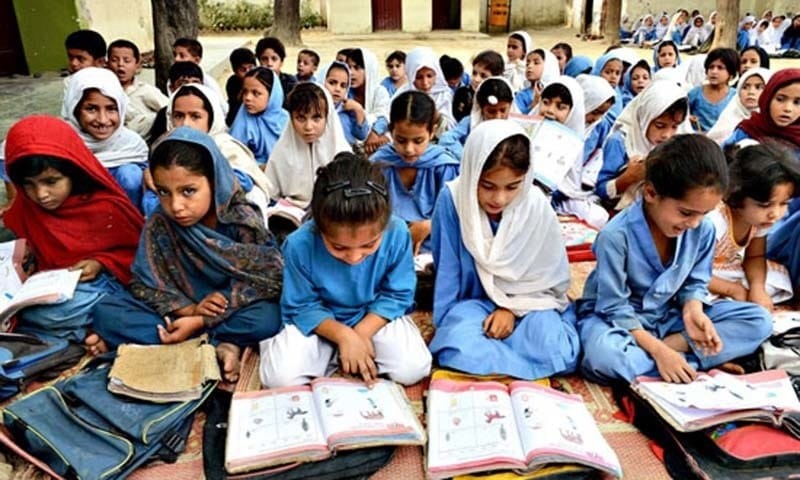
When I asked mothers why their daughters had stopped going to school, almost every mother gave the same answer: their fathers had stopped the girls from continuing their education.
When I tried to understand the reasons behind this decision, their responses made me reflect on an important social issue.
Why Does Education Stop After Grade Five?
Several mothers told me that their daughters had completed education up to Grade Five and were now growing older. Their school was located quite far from home, and they had to walk to school every day. Since the families had limited financial resources, it was not possible for the parents to arrange regular transportation for their daughters.
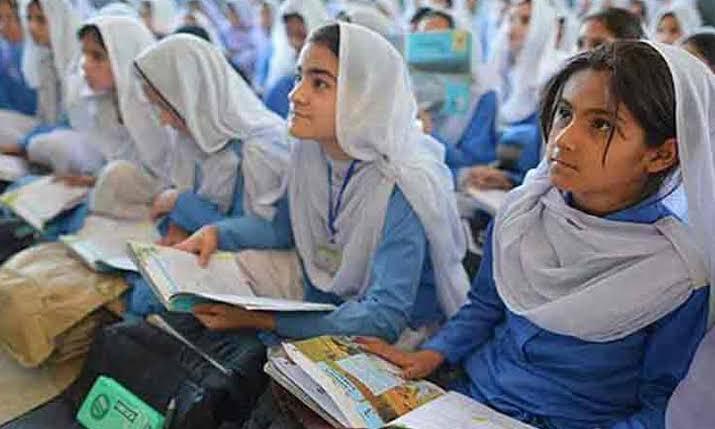
According to the mothers, when they cannot afford transportation and the girls have to walk to school every day, parents become increasingly concerned about their safety. They worry about harassment, unpleasant incidents, or other risks they might face along the way. As the girls grow older, these concerns become even stronger, and some parents eventually decide to stop their daughters’ education.
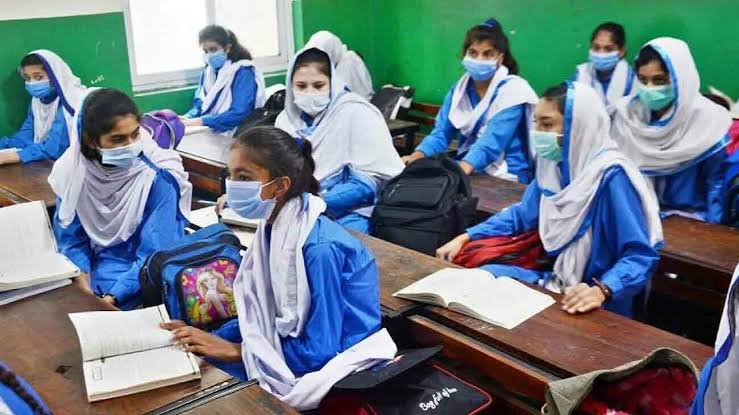
Listening to these mothers, it was not difficult to understand their concerns and fears. But at the same time, a question came to my mind: Is stopping our daughters’ education really the solution to the problems in our society?
Parents’ Fear Is Also a Reality:
It is true that such problems exist in our society and cannot simply be ignored. In some areas, roads and routes are not safe, adequate transportation facilities are unavailable, and girls may face harassment or other uncomfortable situations while travelling to school.

When a father decides to stop his daughter’s education to protect her from a possible danger, his decision may come from concern and love for his daughter. Therefore, simply dismissing parents’ concerns as conservative thinking does not present the complete picture of the problem.
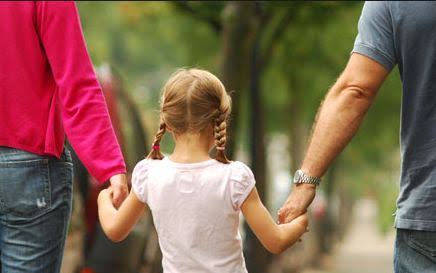
The real question is: How can we create an environment where parents feel safe and reassured when sending their daughters to school?
Is Stopping Education Really the Solution?
If the school is far away, then the problem is the distance—not the girl’s education. If parents cannot afford transportation costs, alternatives need to be explored. If the route is unsafe, efforts should be made to make it safer.
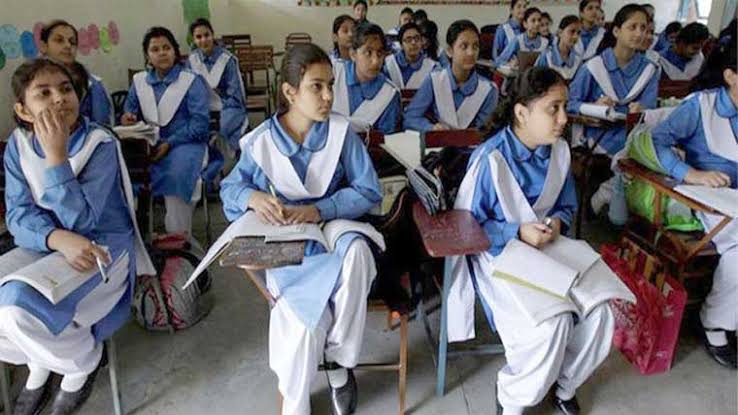
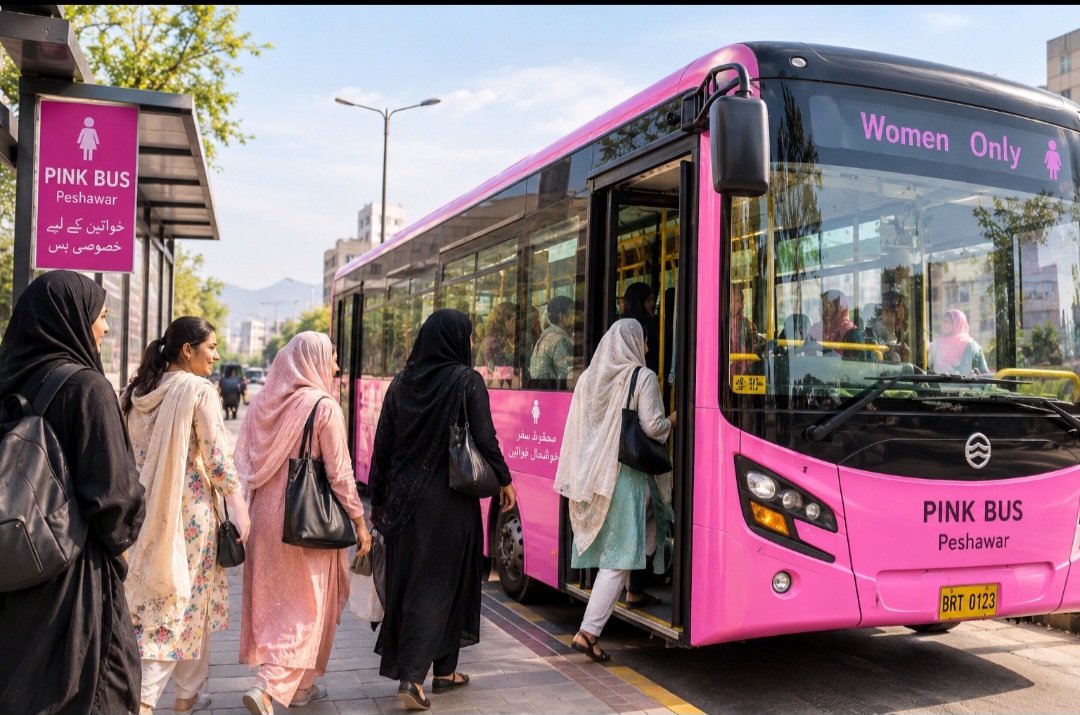
Schools, local institutions, communities, and parents can work together to develop arrangements that provide safe transportation for girls. Parents can cooperate with one another to send their daughters to school in groups, or arrangements can be made for them to travel with a responsible adult.
Also Read : Nursing College Hayatabad Probe Finds Faults on Both Sides, Recommends Major Changes
In other words, instead of ending a child’s education because of a particular barrier, we should work together to remove that barrier.
Education Is More Than a Path to Employment:
Stopping a girl’s education simply because she is growing older can limit her opportunities in the future. Education beyond Grade Five is particularly important because this is the stage when girls’ thinking, personality, self-confidence, and awareness about their future continue to develop.
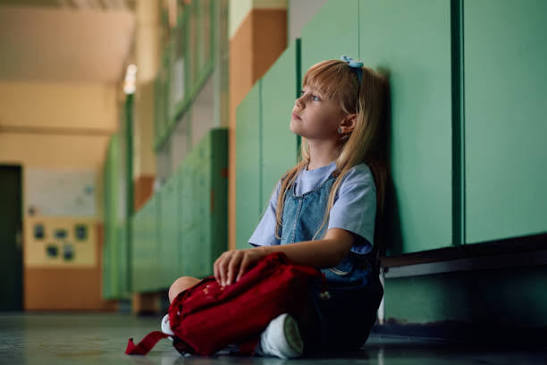
Education is not merely a means of getting a job. It enables a girl to understand her rights, distinguish between right and wrong, make informed decisions, and face different situations in life.
An educated girl can create better opportunities for her own future while also playing a positive role in her family and for generations to come.
Society Must Become Safer:
If certain places in society are unsafe for girls, the solution is not to confine them to their homes but to improve those conditions.

This responsibility cannot be placed solely on parents. Schools, local institutions, communities, and relevant authorities must also play their part. We need to teach our children, especially boys, that respecting girls and providing them with a safe environment is a shared responsibility of society as a whole.
For girls’ education, simply having a school is not enough. Safe access to school, affordable transportation, and an environment in which parents feel confident and reassured about sending their daughters to school are equally important.
Parents’ Concerns Should Be Understood and Practical Solutions Found:
When it comes to girls’ education, it is not enough to simply tell parents to send their daughters to school. If they are facing genuine challenges, practical solutions must also be provided.
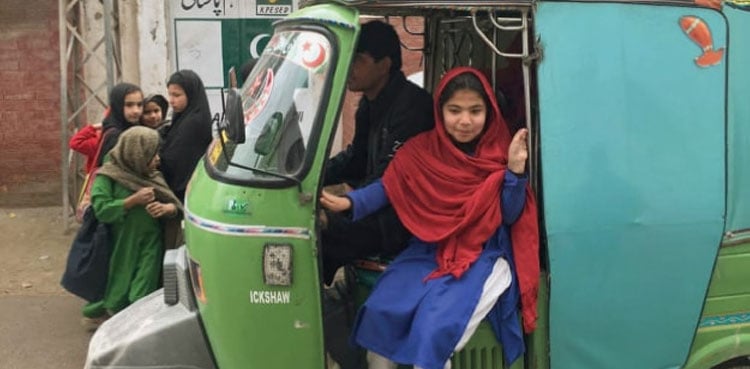
If transportation is the problem, safe and affordable travel options should be developed. If the school is too far away, efforts should be made to provide educational facilities closer to residential areas. If the routes are unsafe, measures should be taken to improve their safety and security.
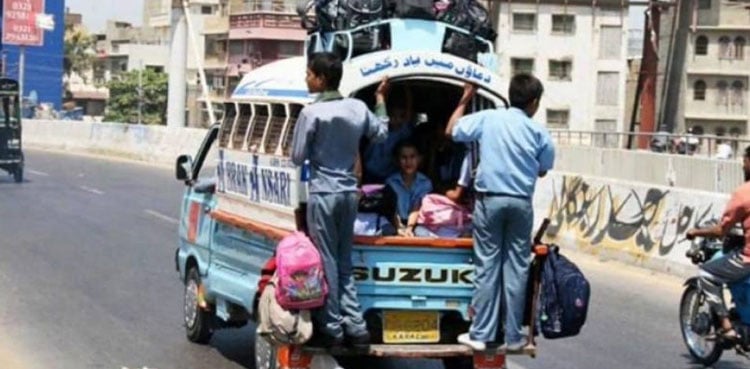
Parents’ financial difficulties, girls’ safety, and the lack of educational facilities cannot be treated as separate issues. Unless these barriers are addressed collectively, simply increasing school enrollment figures will not be enough.
Our Daughters’ Futures Should Not Be Left to Fear:
During the field visit, the mothers I spoke with had both love and fear in their eyes when they talked about their daughters. They wanted their girls to study, but distance, transportation costs, limited resources, and social concerns were standing in their way.

This experience made me realize that if a mother wants her daughter to study but fears for her safety on the way to school, we should not simply explain the importance of education to that mother. We must also address the reasons behind her fear.
We need to understand parents’ concerns, but the price of those concerns should not be paid by sacrificing girls’ futures. Our goal should be to ensure that parents do not have to choose between their daughters’ safety and their education.
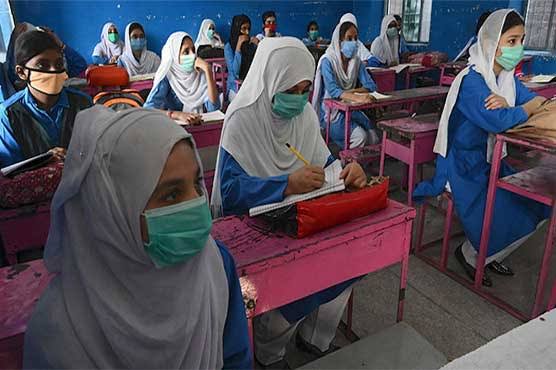
We can keep our daughters safe while also giving them an education. What we need is the determination to address the problems standing in their way rather than sacrificing their dreams to the fears within our society.
Note: This article reflects the personal views of the author and does not necessarily represent the views of the organization.


.jpeg)
1 Comments
Hey there! I understand this is sort of off-topic however I had to ask.
Does running a well-established website such as yours take a massive amount work?
I am completely new to running a blog but I do write in my diary daily.
I'd like to start a blog so I can share my experience and
feelings online. Please let me know if you have any ideas
or tips for new aspiring bloggers. Appreciate it! xnxx
Also visit my blog post <a href="https://xxxxvideos.cc/">homepage</a>