


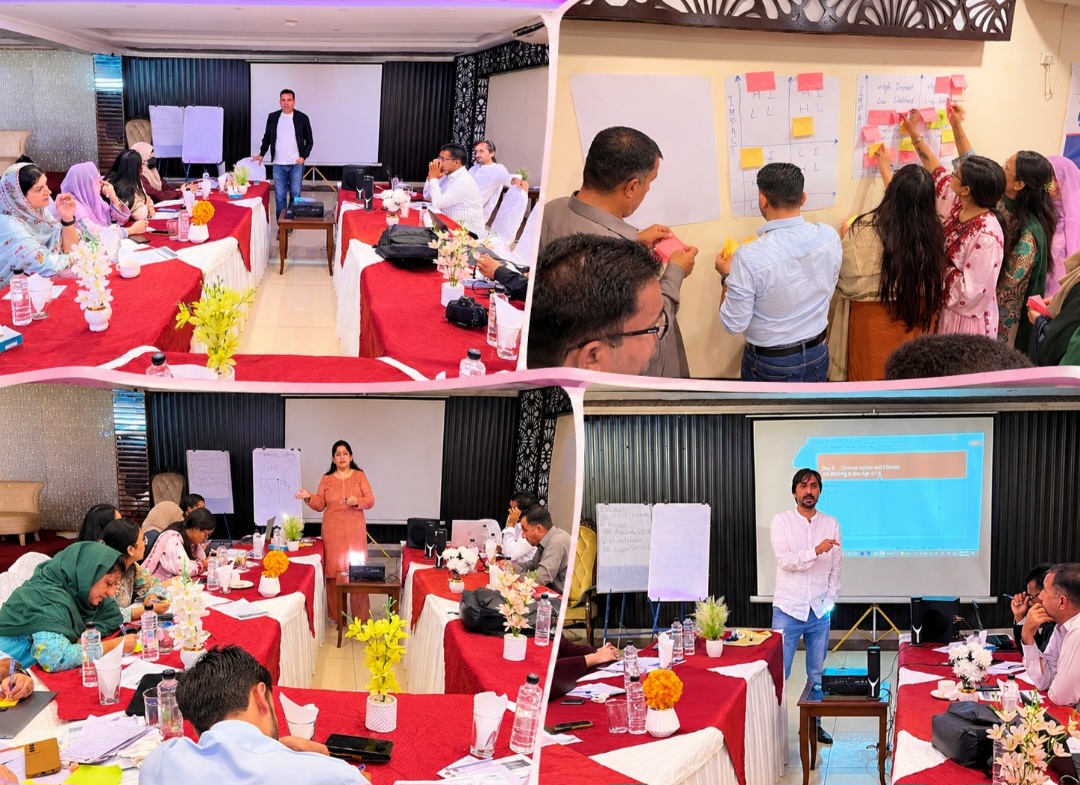
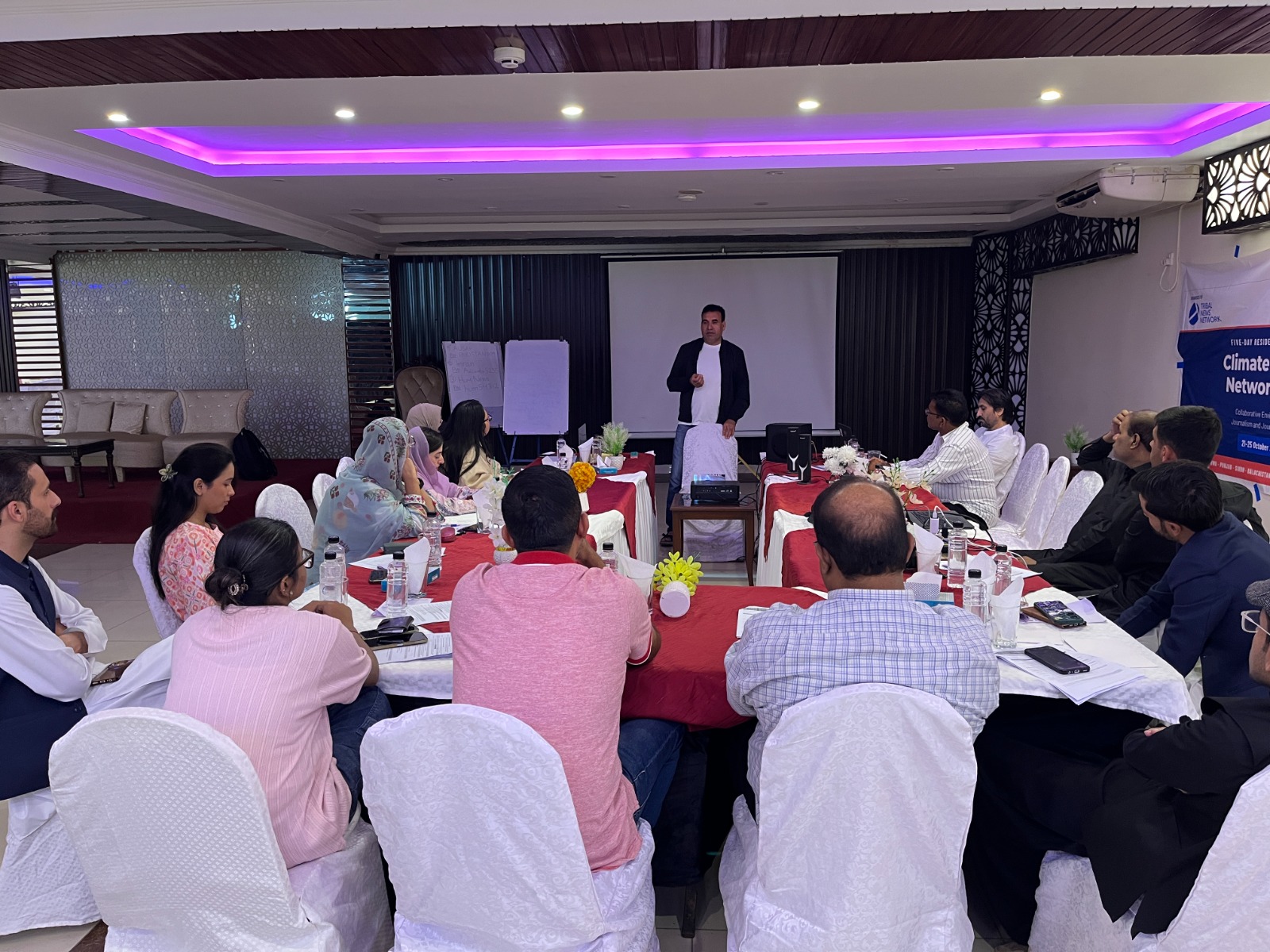
Tribal News Network (TNN), through its Climate Journalism Network Pakistan (CJNP), organised a five-day residential training programme on climate and environmental journalism, journalists’ safety and psychosocial well-being, bringing together 16 journalists from across Pakistan.
A total of 163 journalists applied for the fellowship, with 16 selected through a competitive process.
Welcoming the participants, Said Nazir, Chief Executive of TNN, highlighted the importance of strengthening climate journalism in Pakistan and encouraged journalists to focus on underreported environmental challenges affecting communities across the country. He also discussed collaborative story ideas and climate reporting pitches under CJNP.
The training featured international experts who joined online. Costa Rican climate journalist, editor and media trainer Diego Arguedas Ortiz discussed climate attribution and the role of scientific evidence in establishing links between climate change and extreme weather events. He previously served as associate director of the Oxford Climate Journalism Network (OCJN).
Heba Aly, journalist and former chief executive of The New Humanitarian, shared her experience in international journalism and reporting on humanitarian crises.
Senior journalist and trainer Asif Mohmand introduced the programme and its learning objectives, while Zaki Abbas, who covered COP29 in Baku for DAWN, shared insights from his reporting experience.
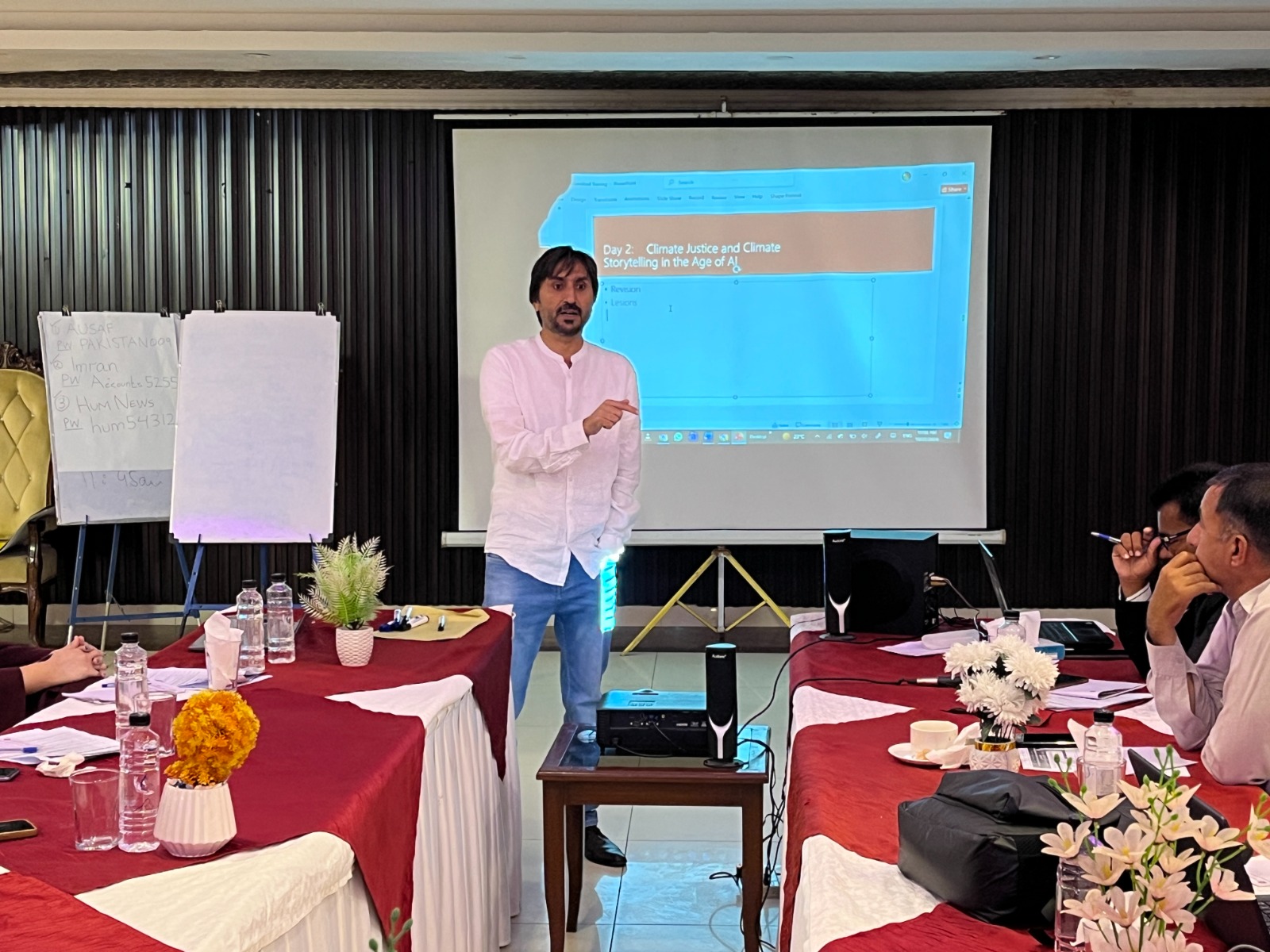
The training covered climate science, extreme weather events, global emissions, fossil fuels, biodiversity, climate justice, climate finance, the Paris Agreement, national climate commitments, heatwaves, droughts and glacial lake outburst floods (GLOFs).
Participants also explored climate adaptation, ethical disaster reporting, misinformation, responsible use of artificial intelligence and solution-based journalism.
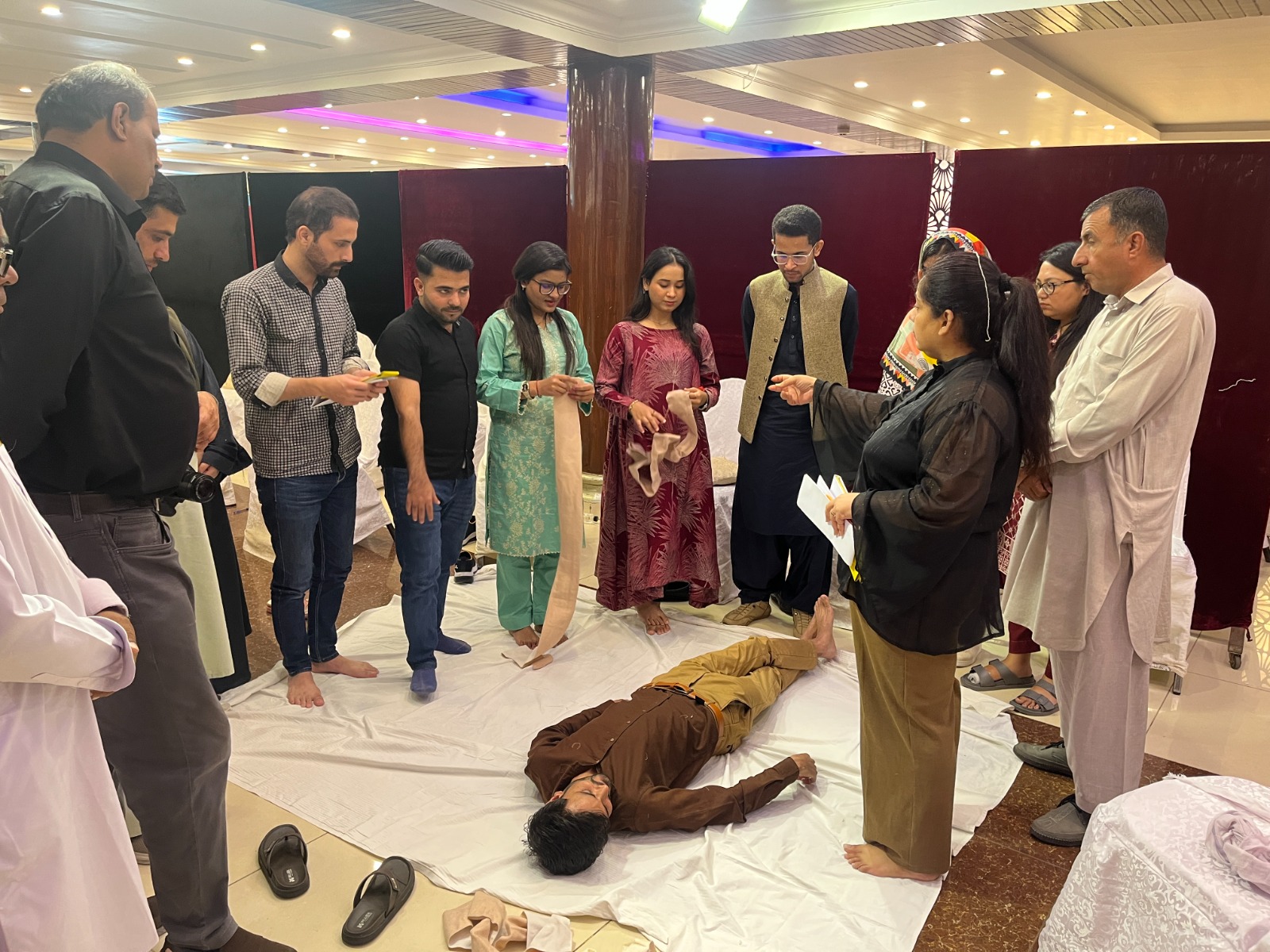
Security trainer Shahwar Channa conducted practical sessions on journalists’ physical safety and psychosocial well-being, covering risk assessment, contingency planning, secure travel, threat identification, CPR, bleeding control, wound care and emergency evacuation. Participants also learned about stress management, self-care and burnout prevention.
Said Nazir said the training aimed to strengthen climate journalism in Pakistan by equipping journalists with the knowledge, practical skills and safety awareness needed to report on environmental challenges responsibly. He said CJNP would also promote collaboration and give greater visibility to underreported climate issues from different regions of the country.


Comments
No comments yet. Be the first 🙂