


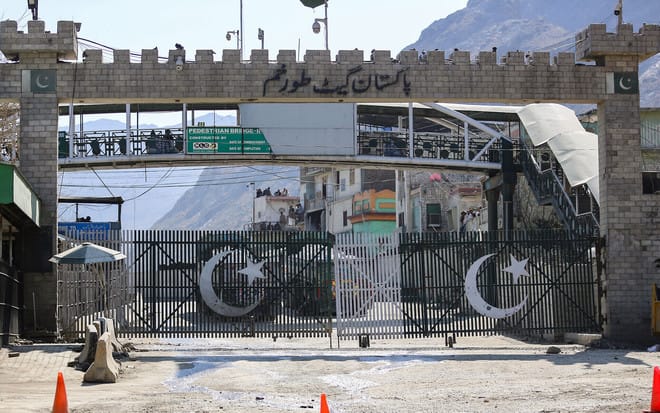
The prolonged closure of the Torkham border between Pakistan and Afghanistan has pushed traders, transporters and labourers into mounting economic difficulties, with thousands of local workers reportedly left without jobs after 13 months of disruption.
Jamiat Ulema-e-Islam (JUI) leader Qari Nazim Gul Shinwari said during a conversation with media representatives that the closure had severely affected economic activity on both sides of the border, forcing major traders to move their businesses to other cities while small traders faced the risk of bankruptcy.
He said thousands of local youth who previously earned a living through labour at Torkham border had become unemployed, leaving families struggling to meet their basic needs. He also expressed concern that prolonged unemployment could expose young people to drugs and other harmful activities.
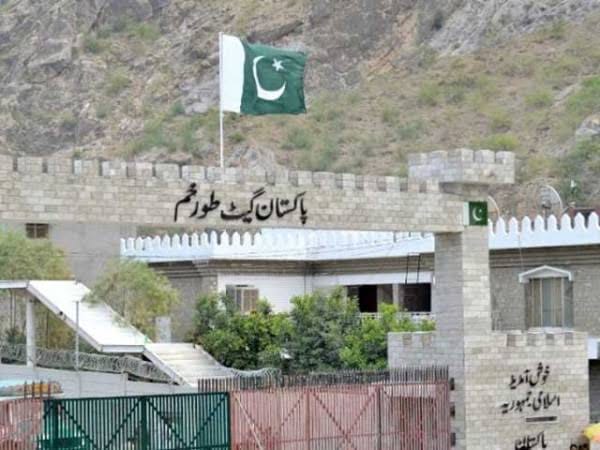
Shinwari urged the chambers of commerce and industries in Khyber Pakhtunkhwa and the tribal districts to bring traders and influential political leaders together through jirgas and raise a collective voice for reopening the border.
He appealed to Pakistan's prime minister, the Peshawar corps commander and relevant authorities to take immediate steps to address the issue. He also called on Afghan authorities to reconsider their policies and ease restrictions to facilitate the resumption of trade at Torkham, saying the economic interests and hardships of people on both sides should be taken into account.


Comments
No comments yet. Be the first 🙂